Black Sea Bass in Maryland Coastal Waters
If you've ever dreamt of battling a feisty, delicious fish off the coast of Maryland, then the black sea bass is likely high on your list. Many anglers find themselves heading out to the nearshore and offshore waters, only to be overwhelmed by the sheer amount of specialized information regarding this particular species, from where they hide to what bait they prefer. This comprehensive guide is designed to demystify black sea bass fishing in Maryland, providing you with all the details you need to successfully target, catch, and enjoy these fantastic fish.
Understanding Black Sea Bass in Maryland
Black sea bass are a truly unique and prized species for anglers along the Mid-Atlantic coast, and Maryland's waters are no exception. They offer a rewarding challenge and an even more rewarding meal. But before you cast a line, understanding who they are and where they come from is key to your success.
What Are Black Sea Bass?
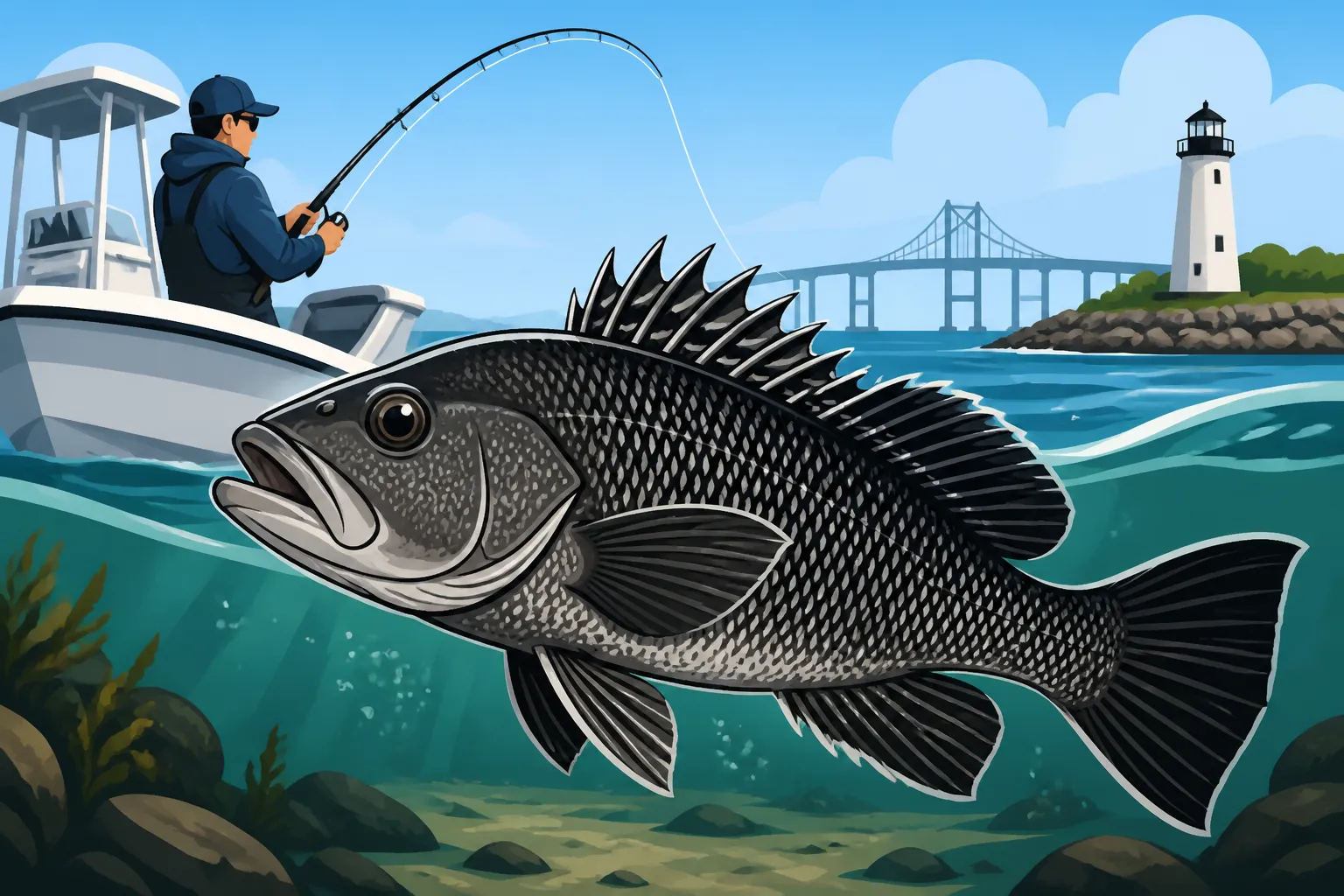
Black sea bass, scientifically known as Centropristis striata, are a bottom-dwelling species characterized by their stout bodies, large mouths, and often mottled dark brown to black coloration. Don't let their name fool you entirely; while they are primarily dark, they can display iridescent blues, purples, and greens, especially when excited or during spawning. They also have a distinctive spiny dorsal fin that can stand erect, and some larger males develop a noticeable hump on their head, giving them a rather imposing appearance.
These fish are members of the Serranidae family, which includes other familiar species like groupers. They're not just a pretty face in the water; black sea bass are known for their aggressive strikes and strong fighting capabilities, pound for pound. They tend to congregate in rocky areas, around wrecks, artificial reefs, and any other submerged structure that offers protection and a smorgasbord of smaller prey items.
Why Are They Popular Among Maryland Anglers?
The popularity of black sea bass among Maryland anglers stems from several key factors. First and foremost is their exceptional table fare. Their white, flaky meat is firm and incredibly delicious, making them a favorite for many seafood lovers. Whether baked, fried, broiled, or grilled, a fresh black sea bass fillet is a culinary delight. This alone drives a significant portion of the interest.
Beyond their gastronomic appeal, black sea bass are also a relatively accessible species for many anglers. While they prefer structure, they can be found in various depths, from shallow nearshore reefs to deeper offshore wrecks. They're also quite aggressive feeders, which means they'll often strike a well-presented bait or lure with gusto, providing exciting action for both novice and experienced fishermen. Their strong pull on the line and tendency to head straight for cover make for a thrilling fight, adding to their appeal. It's truly a gratifying experience to feel that unmistakable thump and then reel in a beautiful, hard-fighting fish.
Where Black Sea Bass Call Home in Maryland
In Maryland, black sea bass are predominantly found in the coastal waters of the Atlantic Ocean, venturing into the lower Chesapeake Bay during certain times but primarily remaining in the more saline ocean environment. Their preferred habitats are distinct: they are structure-oriented fish. This means you won't typically find them over vast expanses of open, sandy bottom. Instead, they seek out places where they can ambush prey and hide from larger predators.
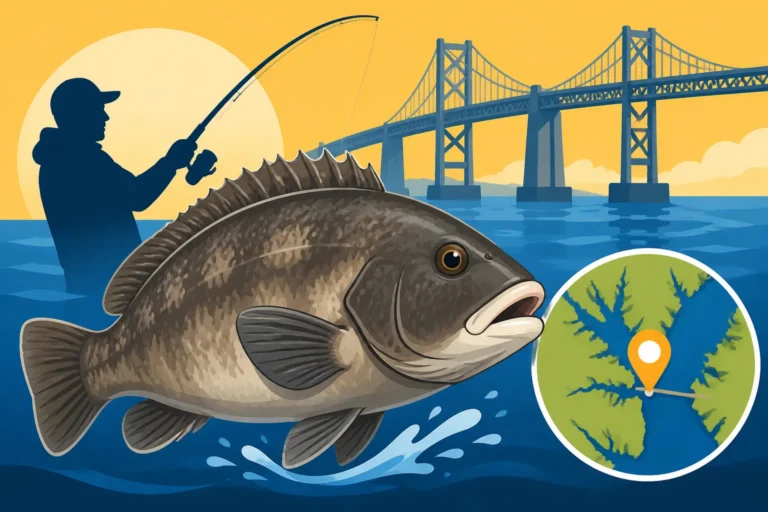
Think about the submerged landscape off Ocean City and beyond. This includes natural rock formations, oyster beds, and critically, a myriad of artificial reefs and shipwrecks. These man-made structures provide perfect condominiums for sea bass, offering complex terrain that holds baitfish, crabs, and other invertebrates they love to feast on. When chartering a boat or heading out on your own, knowing the locations of these wrecks and reefs is paramount. Many of these spots are well-documented and are the primary targets for successful black sea bass fishing trips. You might even find yourself fishing around the Bay Bridge pilings during certain seasons, though the true stronghold remains the Atlantic coast.
Prime Time for Black Sea Bass Fishing in Maryland
Timing is everything when it comes to successfully targeting black sea bass. While they can be found in Maryland's coastal waters for a good portion of the year, there are specific windows that offer the best chances for a productive trip. Understanding their seasonal movements, preferred water temperatures, and even their daily feeding habits will significantly increase your odds of filling your cooler.
Seasonal Movements and Best Fishing Months
Black sea bass are migratory, moving inshore and offshore with the changing seasons and water temperatures. Generally, you'll find them closer to shore and in shallower waters during the warmer months, making them more accessible to a broader range of anglers. As autumn progresses and water temperatures drop, they tend to move to deeper, more stable offshore waters to overwinter.
For Maryland anglers, the prime season usually kicks off in late spring, typically around May, and continues strongly through the summer and into the fall. Many consider the period from May through October to be excellent, with specific peaks. Best Season for Black Sea Bass Near Ocean City provides a deeper dive into these optimal periods. The spring bite can be fantastic as they move inshore, often schooling up. Summer fishing is consistent, particularly around the many artificial reefs off Ocean City. As fall arrives, they often feed aggressively in preparation for winter, offering another superb opportunity before they head to deeper grounds.
Ideal Water Temperatures and Conditions
Water temperature is a critical factor influencing where and when you'll find black sea bass actively feeding. They generally prefer water temperatures ranging from the low 50s Fahrenheit up to the mid-70s. When water temperatures are within this comfortable range, sea bass are more active, their metabolism is higher, and they are more inclined to strike at baits and lures.
Extremely cold water will drive them deep and make them sluggish, while excessively warm water can also make them less active, pushing them to seek out cooler thermoclines or deeper, more stable environments. Beyond temperature, other conditions also play a role. Clearer water can sometimes make them a bit warier, necessitating lighter leaders, while a bit of chop on the surface can actually make them more aggressive by scattering baitfish. Overcast days, especially in summer, can sometimes lead to an extended bite compared to bright, sunny afternoons. Paying attention to these environmental cues will help you decide when and where to drop your lines.
Daily Patterns: When to Find Them Actively Feeding
Just like many fish, black sea bass have daily patterns that influence their feeding behavior. While they can be caught throughout the day, certain times often yield better results. Many experienced anglers swear by the early morning bite, right around sunrise, and the late afternoon/evening bite, as the sun begins to set. During these periods, light levels are lower, and many baitfish become more active, which in turn stimulates the sea bass to feed.
However, since sea bass are structure-oriented bottom dwellers, they don't always adhere strictly to these conventional "dawn and dusk" rules. If you're over a productive wreck or reef, and the tide is right, you can often find them biting consistently in the middle of the day, especially if there's a good current to bring food to them. Tidal flow is perhaps even more crucial than light conditions for these fish. A strong, moving tide often concentrates bait and makes sea bass more aggressive, as they use the current to their advantage to ambush prey. So, while dawn and dusk are great, don't overlook a mid-day trip if the tides are favorable for the area you plan to fish.
Gear and Tackle for Maryland Black Sea Bass
Getting the right gear for black sea bass fishing in Maryland is crucial for success. These fish might not be massive, but they're surprisingly strong, especially when they dive back into the structure they call home. Having the appropriate rod, reel, line, and terminal tackle means the difference between landing a nice cooler full of fish and repeatedly losing your catch to snags or break-offs.
Rod and Reel Setups
For black sea bass, you want a setup that offers a good balance of sensitivity, power, and durability. You're typically fishing on the bottom, often in depths ranging from 30 to over 100 feet, and sometimes deeper. This means you need to feel subtle bites, yet have enough backbone to muscle a fish away from sharp structure.
A medium to medium-heavy action rod, typically between 6 to 7 feet in length, is a popular choice. Look for a rod with a fast tip for sensitivity, but good power in the butt section. Graphite rods are excellent for this, providing the sensitivity to detect the light taps of a sea bass, while still having the strength to pull them away from a wreck. As for reels, a conventional (baitcasting) reel spooled with braided line is often preferred, especially in deeper water. The lack of stretch in braided line transmits bites more clearly and gives you more direct control over the fish. A reel capable of holding at least 200 yards of 20-30 lb braided line is a good starting point. Spinning reels in the 4000-6000 size range can also be very effective, especially for lighter jigging applications or when fishing in shallower waters or for beginners. Many excellent rods and reels can be found on Amazon that fit these criteria.
Essential Lures and Baits
Black sea bass are not overly picky eaters, but certain baits and lures consistently outperform others. For natural bait, squid is often considered king. Cut squid strips, especially if they're fresh, are incredibly effective. Other popular natural baits include clams, small crabs (like fiddler or green crabs), pieces of fish (such as mackerel or herring), and even small live baits like minnows or spearing.
When it comes to artificial lures, jigs are hands-down the most popular and effective choice. Metal jigs, bucktail jigs, and even soft plastic jigs can all entice a bite. The key is to match the hatch and choose a jig size and color that mimics the local baitfish or crustaceans. White, chartreuse, pink, and glow-in-the-dark are common effective colors. Sometimes, a jig tipped with a piece of squid or Gulp! bait can be absolutely deadly. Having a selection of jigs in various weights, from 1 to 4 ounces or more depending on current and depth, is essential. Don't forget, these fish have excellent eyesight, so presentation matters!
Terminal Tackle and Rigs
Your terminal tackle setup is where all the components come together to present your bait or lure effectively. A high-quality fluorocarbon leader is highly recommended for black sea bass. It offers excellent abrasion resistance against sharp structures and is nearly invisible underwater, which can be crucial in clearer coastal waters. A 20-30 lb test leader is usually sufficient, tied to your braided mainline with a strong knot like an FG or Alberto knot.
The most common and effective rig for black sea bass is a simple two-hook dropper rig. This typically consists of a main leader with two snelled hooks spaced about 6-12 inches apart, and a sinker loop at the bottom. Sinker weights will vary greatly depending on current and depth, but having a selection from 2 to 8 ounces is standard. Choose hooks appropriate for the bait you're using, usually baitholder or octopus style hooks in sizes #1 to 3/0. Another popular option is a high-low rig, which is essentially the same concept. Swivels are also important, both for connecting your leader to your mainline and for preventing line twist, especially when using spinning gear. You can find comprehensive terminal tackle kits and individual components on Amazon to ensure you're well-stocked for your next trip.
Effective Techniques for Catching Black Sea Bass
Successfully catching black sea bass involves more than just dropping a line in the water; it requires understanding their habits and employing the right techniques. These fish are aggressive but also savvy, and being able to adapt your approach to their behavior and the conditions will make all the difference.
Bottom Fishing and Jigging Strategies
Bottom fishing is the bread and butter for black sea bass anglers. The most common method involves drifting over structure or anchoring directly over a known wreck or reef. Once you're in position, drop your rig straight down to the bottom. The key here is to keep your bait or lure as close to the bottom as possible, as that's where these fish primarily feed. Once your sinker hits the bottom, reel up a foot or two to keep your bait just above the snags, especially if you're over a jagged wreck.
Jigging is another incredibly effective technique, and often more active. Instead of just letting your bait sit, you impart action to your lure. This can involve sharp upward snaps of the rod tip, followed by a controlled fall, or a more subtle lift-and-drop motion. The idea is to make your jig look like a wounded baitfish or a darting shrimp, triggering the sea bass's predatory instincts. Vary your jigging retrieve until you find what the fish are responding to on a given day. Sometimes they want aggressive, fast movements; other times, a slow, methodical lift is all it takes. Often, a combination of bait on one hook and a small jig on the other, on a dropper rig, can be deadly.
Fishing Structure: Wrecks, Reefs, and Rubble
As we've mentioned, black sea bass are inextricably linked to structure. They don't just "hang out" there; they live there, hide there, and hunt there. This means your fishing strategy must revolve around these underwater features. Using your boat's fishfinder or GPS to locate wrecks, artificial reefs, rock piles, and even submerged bridge pilings is step number one. Tautog Fishing Around Maryland's Bay Bridge can give you an idea of fishing around similar structures.
When you're over a piece of structure, whether you're drifting or anchored, focus your efforts directly over or immediately adjacent to it. If drifting, try to position your boat so your lines pass directly over the most promising parts of the structure. If anchored, make sure your anchor holds you precisely where you want to be. The challenge, of course, is that these same structures that attract fish also love to snag tackle. It can be incredibly frustrating to feel a solid strike, only to have your line cut on a jagged edge. This is why having extra terminal tackle and strong, abrasion-resistant leaders is so important. Don't be afraid to break off and re-tie if you're constantly getting snagged; it's part of the game when targeting these structure-loving fish.
Boat vs. Shore Fishing for Sea Bass
The vast majority of successful black sea bass fishing in Maryland happens from a boat. This is primarily because their preferred habitats – wrecks, reefs, and deeper offshore rock formations – are typically far beyond casting distance from shore. Charter boats are immensely popular for this reason, as they have the capability to reach these offshore hotspots. Ocean City Maryland Offshore Charter Fishing highlights how critical boats are for such trips. Private boats equipped with GPS and good fishfinding sonar are also highly effective.
However, for shore-bound anglers, opportunities are more limited but not entirely non-existent. Fishing from piers or jetties that extend into deeper, structured waters, especially near the Ocean City Inlet or other coastal access points, can sometimes yield sea bass, particularly during migratory periods or when they venture closer to shore. You might also find them at fishing piers that offer access to deeper bay waters with some submerged structure. These catches tend to be smaller and less consistent than those from boats, but it’s certainly possible to hook into a few. For any shore fishing, especially on piers, be sure to check if a state license is required, as some municipal piers might have different rules than general state regulations.
Maryland Regulations for Black Sea Bass
Navigating fishing regulations can feel like deciphering ancient texts, and black sea bass are no exception. Maryland's Department of Natural Resources (DNR) sets specific rules to manage the fishery and ensure sustainability, and these rules are subject to change, often based on regional assessments and quotas. Staying informed is paramount to avoid fines and contribute to conservation.
Size Limits and Bag Limits
For black sea bass in Maryland, there are typically both minimum size limits and daily bag limits. The minimum size limit dictates the smallest fish you are legally allowed to keep. Any fish smaller than this must be immediately released back into the water, unharmed. This regulation is crucial for allowing juvenile fish to grow to maturity and reproduce, ensuring future generations of sea bass. It's not uncommon to catch many "shorts" (undersized fish) when targeting sea bass, so a tape measure is an essential tool on board.
The daily bag limit, on the other hand, specifies the maximum number of black sea bass an individual angler can keep in a 24-hour period. This limit can vary, sometimes changing seasonally or based on the overall health of the stock. For instance, sometimes the limit is a handful of fish per person, and other times it might be slightly more or less. These limits are designed to prevent overfishing and distribute the catch fairly among anglers. Always check the most current Maryland DNR fishing guide before heading out, as these numbers can shift. Maryland Fishing Size and Catch Limits by Species will offer broader context on various fish.
Important Dates and Open Seasons
Black sea bass fishing in Maryland operates under specific seasons, meaning there are periods when fishing for and keeping sea bass is permitted, and periods when it is closed. These seasons are implemented to protect the species, especially during critical times like spawning or when populations are particularly vulnerable. It's incredibly frustrating to plan a trip, only to discover you can't actually keep what you catch!
These seasons often include specific open dates and sometimes "closed" periods or even "split seasons" where fishing might open, close, and then reopen later in the year. For example, there might be a spring season, followed by a brief closure, and then a longer summer/fall season. The exact dates are usually announced by the Maryland DNR well in advance, but it's always wise to double-check their official resources, as even slight modifications can occur. Maryland's 2026 Striped Bass Season Dates shows how specific dates are outlined for other species, demonstrating the need to verify for sea bass. Ensure you know the current season before you even drop your first line.
Reporting Your Catch and Conservation Efforts
While individual recreational anglers typically aren't required to report every single black sea bass they catch, supporting conservation efforts is still vital. Many charter boat captains and fishing guides participate in voluntary reporting programs, and some state or federal agencies might conduct surveys asking for angler data. This data helps fisheries managers understand population trends, assess the impact of fishing pressure, and make informed decisions about future regulations.
Beyond formal reporting, every angler plays a role in conservation. Practicing responsible catch and release for undersized fish is crucial. This means handling fish gently, minimizing their time out of water, and using dehooking tools to reduce injury. Avoiding "high-grading" (releasing legal fish in hopes of catching a bigger one, especially if you're already near your bag limit) also helps reduce unnecessary mortality. Understanding and adhering to regulations, even when they feel restrictive, directly contributes to ensuring that black sea bass populations remain healthy for future generations of Maryland anglers to enjoy. It's all about balancing enjoyment with responsibility.
Preparing and Enjoying Your Black Sea Bass Catch
So, you've battled those feisty black sea bass, navigated the regulations, and now you've got a cooler full of delicious fish. Congratulations! The final, and arguably most rewarding, step is to properly prepare and enjoy your hard-earned catch. Proper handling from the moment it hits the deck can significantly impact the final taste and texture of your meal.
Handling Your Catch for Best Flavor
The journey from the hook to the dinner plate is critical for maintaining quality. The moment a black sea bass comes aboard, the clock starts ticking. For the absolute best flavor and texture, you want to cool your fish down as quickly as possible. This means having a cooler ready with plenty of ice. Don't just toss them in an empty cooler; layer them directly on ice or, even better, in an ice slurry (a mix of ice and a little saltwater). This rapid cooling slows down spoilage and enzyme activity, preventing the meat from breaking down.
Some experienced anglers even go a step further by "bleeding" their fish immediately after catching them. This involves making a small cut to sever the main arteries, allowing the blood to drain out. Bleeding can reduce the "fishy" taste and results in whiter, cleaner-tasting fillets. While not strictly necessary for black sea bass, it's a practice often employed for species where blood can affect meat quality. Regardless, getting them on ice quickly is the single most important step for preserving that fresh, ocean-to-table flavor.
Cleaning and Filleting Tips
Cleaning and filleting a black sea bass is a straightforward process once you get the hang of it. You'll need a sharp filleting knife, a sturdy cutting board, and possibly a scaler if you plan to cook them whole. Many people prefer to fillet sea bass due to their somewhat spiny nature and relatively thick skin.
Here's a basic approach for filleting:
- Scale (Optional): If you plan to cook whole or pan-dress, scale the fish first.
- First Cut: Lay the fish on its side. Make a cut behind the gill plate, down to the backbone.
- Along the Spine: Turn your knife flat and run it along the backbone towards the tail, separating the fillet from the bones. Use gentle sawing motions to ensure clean cuts.
- Remove Skin: Once the fillet is off, lay it skin-side down. Starting from the tail end, slide your knife between the skin and the meat, holding the skin firmly with your other hand. Work the knife forward, separating the fillet from the skin.
- Repeat: Flip the fish over and repeat the process for the other side.
- Remove Pin Bones: Run your finger along the center of the fillet to find any remaining pin bones. Use pliers or a small knife to remove them.
You'll be left with two beautiful, boneless, skinless fillets ready for cooking. Don't forget to rinse the fillets in cold water and pat them dry with paper towels before cooking to remove any lingering scales or blood.
Delicious Ways to Cook Black Sea Bass
Black sea bass is incredibly versatile in the kitchen, and its firm, white, flaky meat holds up well to a variety of cooking methods. It's often compared to snapper or grouper in terms of taste and texture, making it a premium choice for any meal.
- Pan-Seared: This is a classic and simple method. Lightly flour or season the fillets and pan-sear them in butter or olive oil until golden brown and cooked through. Serve with a squeeze of lemon and fresh herbs.
- Baked/Broiled: Lay fillets on a baking sheet, drizzle with olive oil, sprinkle with salt, pepper, and your favorite herbs (dill, parsley, thyme work wonderfully). Bake at 375°F (190°C) for 12-15 minutes, or broil for a shorter time until flaky.
- Grilled: For thicker fillets, grilling adds a fantastic smoky flavor. Marinate briefly in olive oil, lemon juice, and herbs, then grill over medium-high heat until cooked through.
- Fish Tacos: Flake the cooked sea bass and serve it in soft tortillas with your favorite taco toppings like shredded cabbage, salsa, and a creamy sauce.
- Fried: For a crispy treat, dip fillets in a light batter or breading and deep-fry or pan-fry until golden brown.
No matter how you prepare it, fresh Maryland black sea bass is a culinary delight that makes all the effort of catching it worthwhile. Enjoy every bite!
| Attribute | Ideal for Black Sea Bass | Notes |
|---|---|---|
| Rod Action | Medium to Medium-Heavy | Provides sensitivity for subtle bites, but enough backbone to pull fish from structure. |
| Rod Length | 6 to 7 feet | Good balance for boat fishing, jigging, and bottom fishing. Shorter rods offer more leverage, longer rods for casting if necessary (though rare for sea bass). |
| Reel Type | Conventional (Baitcasting) or Spinning (4000-6000 size) | Conventional reels offer more direct control in deeper water and with heavier sinkers. Spinning reels are versatile and easier for beginners, especially for lighter jigging. |
| Main Line | 20-30 lb Braided Line | Low stretch for excellent bite detection and direct connection to fish. Thinner diameter for less water resistance. |
| Leader Material | 20-30 lb Fluorocarbon | Excellent abrasion resistance against sharp wrecks and reefs. Nearly invisible underwater for wary fish. Crucial for connecting to your main line. |
| Sinker Weight | 2-8 ounces (or more, depending on current and depth) | Essential for getting bait to the bottom quickly and staying there. Vary based on conditions. Keep a selection on hand. |
| Hook Type | Baitholder or Octopus style, #1 to 3/0 | Appropriate sizes for squid strips, clams, or small fish pieces. Sharpness is key for good hooksets. |
| Preferred Baits | Cut squid strips, clams, small crabs, pieces of mackerel/herring, Gulp! | Squid is a universal favorite. Match the local forage when possible. Natural baits often outproduce artificials in strong currents over structure. |
| Effective Lures | Metal jigs, bucktail jigs, soft plastic jigs (tipped with bait) | Jigging is active and productive. Vary colors and retrieve speeds. White, chartreuse, pink, glow are popular. |
| Essential Accessory | Pliers/Dehooker, Tape Measure, Cooler with Ice | For safe hook removal, measuring fish for compliance with Maryland Fishing Size and Catch Limits by Species, and preserving your catch's quality. |
| Structure Preference | Wrecks, Artificial Reefs, Rock Piles, Submerged Bridge Pilings | Sea bass are always found around structure. Your focus should always be on getting your bait or lure into these areas. Consider a Maryland Chesapeake Bay Fishing Charters, What to Expect if you're new to fishing these spots. |
Disclaimer
This article is for general informational purposes only and does not constitute professional advice. Laws, prices and regulations vary by location and change over time. Consult a qualified professional for guidance on your specific situation.