Chain Pickerel in Maryland Ponds and Rivers
Ever been fishing in a quiet Maryland pond or a slow-moving river, perhaps casting for bass or crappie, when suddenly you hook into something that pulls hard, puts up a feisty fight, and then you see it – a long, torpedo-shaped fish with a mouthful of sharp teeth and a striking, chain-like pattern? If so, you've likely had your first encounter with a chain pickerel, a surprisingly common, often misunderstood, and undeniably fun fish to catch in our local waters. This guide is all about shedding light on these often-overlooked predators, helping you understand where to find them, how to catch them, and what makes them such a unique part of Maryland's freshwater fishing scene.
What Exactly is a Chain Pickerel?
The chain pickerel (scientific name: Esox niger) is a fascinating freshwater fish that belongs to the pike family. While it might sometimes be confused with its larger cousins, like muskellunge or northern pike, it has distinct characteristics that make it unique. These fish are true ambush predators, built for explosive speed and quick strikes, making them an exciting target for anglers, even if they sometimes get in the way of other species you might be targeting.
Distinctive Features and Identification
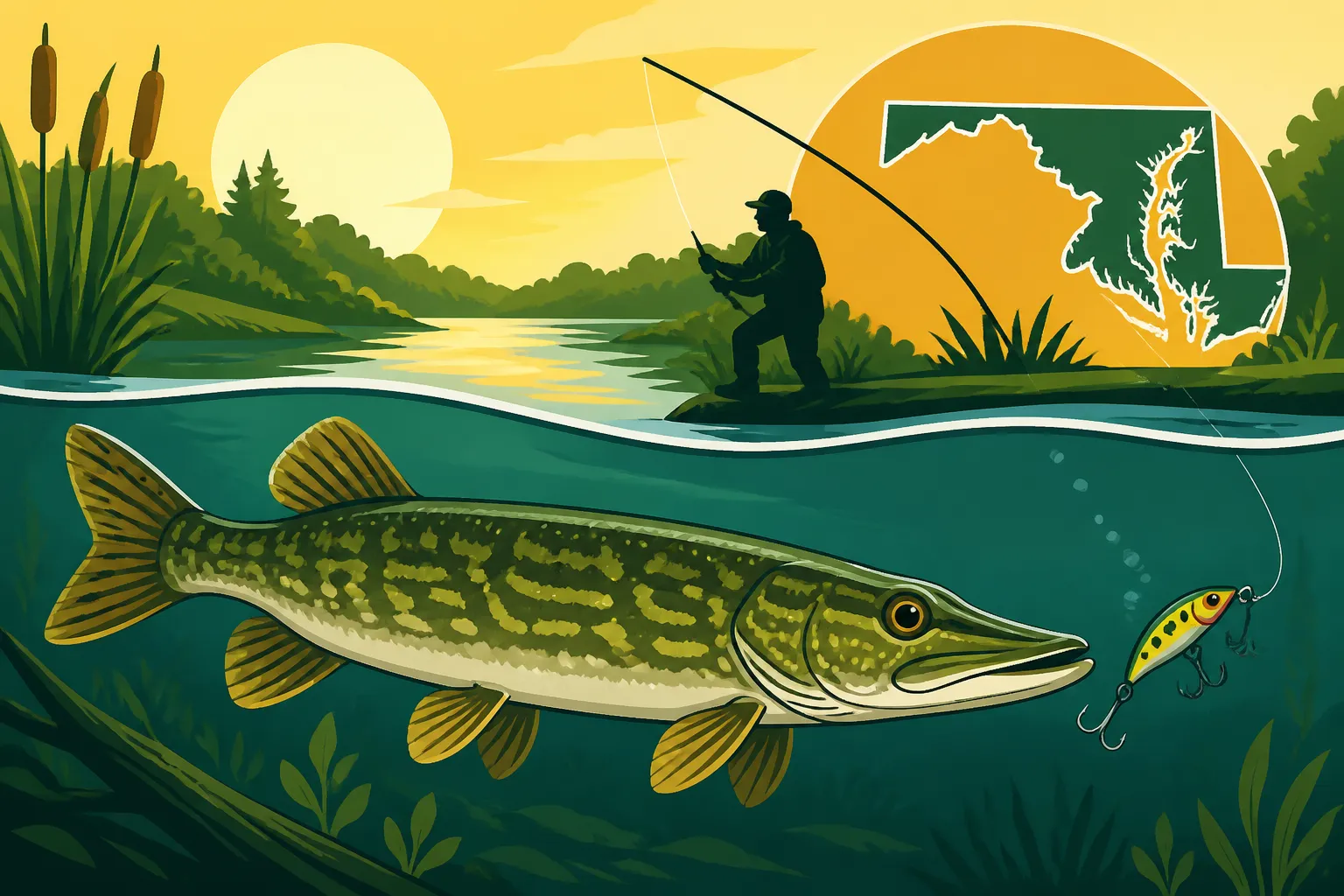
When you first land a chain pickerel, its appearance is quite striking. The most obvious identifying feature, and the one that gives it its name, is the intricate, dark, chain-like or reticulated pattern covering its olive-green to yellowish-brown flanks. This pattern provides excellent camouflage in the weedy, shallow waters they prefer. Unlike the northern pike, which has spots, or the muskellunge, which has bars or spots, the pickerel’s scales truly look like a chain-link fence.
Another key identifier is their snout. It's long and duck-bill shaped, lined with numerous sharp, needle-like teeth. These teeth are designed to grasp and hold onto slippery prey, so always exercise caution when handling a pickerel! Their cheeks and gill covers are fully scaled, a feature that distinguishes them from northern pike, which have scales only on the upper half of their gill covers. Look closely, and you'll notice a distinct, dark, tear-drop shaped bar that extends downward from their eye, which is another telltale sign you've caught a chain pickerel in Maryland.
Size, Growth, and Lifespan in Maryland
In Maryland, chain pickerel don't typically grow to the immense sizes of their northern pike or muskellunge relatives, but they can still be quite impressive. A common catch might range from 12 to 20 inches, offering a respectable fight on light tackle. However, they can definitely get larger. It's not uncommon to hear tales of pickerel pushing towards the 2-foot mark, and fish in the 3 to 5-pound range are considered excellent catches. The state record for chain pickerel in Maryland is a testament to this, showing they can indeed grow to a substantial size, though individual figures change over time. If you're wondering How Big Do Chain Pickerel Get in Maryland Ponds?, the answer is often "bigger than you'd expect!"
These fish are relatively long-lived for freshwater predators of their size. In ideal conditions with plenty of food and suitable habitat, they can live for 8 to 10 years, sometimes even longer. Their growth rate is influenced heavily by the availability of prey and water conditions. Cooler waters with abundant forage tend to produce faster-growing, healthier pickerel. This extended lifespan means a robust population can develop in a well-managed pond or river system, offering consistent angling opportunities year after year.
Where Do Chain Pickerel Live in Maryland?
Chain pickerel are quite adaptable, but they certainly have their favorite haunts. They aren't generally found in the open, deep waters of the Chesapeake Bay, but rather in the more sheltered freshwater and brackish environments that dot our state. If you know what to look for, finding their preferred habitat is half the battle to hooking one of these toothy critters.
Preferred Habitats: Ponds, Rivers, and Tidal Creeks
Chain pickerel absolutely love aquatic vegetation. Think lily pads, submerged grass beds, cattails, and brush piles – basically any place where they can blend in and ambush unsuspecting prey. They are masters of camouflage, waiting patiently within these structures before bursting out with incredible speed to snatch a meal. You'll find them in slow-moving rivers, quiet creeks, and the shallow, weedy areas of ponds and lakes.
In Maryland, this means they thrive in a wide variety of locations. Many of our smaller public and private ponds, especially those with good weed growth, hold healthy populations. Slow-moving sections of rivers, particularly those with muddy or vegetated bottoms, are also prime pickerel territory. Don't forget the brackish tidal creeks and shallow coves of the upper Chesapeake Bay tributaries. While they are a freshwater species, they can tolerate some salinity, making them a unique resident of these transition zones. When considering Maryland Nontidal vs Tidal Fishing License, Explained, it's important to remember that pickerel can cross these boundaries in certain areas.
Notable Maryland Pickerel Hotspots
While chain pickerel are widespread throughout the state, some areas are particularly renowned for their populations. Many of the smaller lakes and reservoirs managed by the Maryland Department of Natural Resources (DNR) are excellent choices. For instance, ponds on the Eastern Shore, often overlooked by anglers focused on bigger game, can hold surprisingly large pickerel. Think about quiet backwaters off rivers like the Choptank or Nanticoke, which are also fantastic places for them. If you're exploring Fishing Maryland's Eastern Shore Rivers, keep an eye out for these ambush predators.
In central Maryland, many of the county and state park ponds, often stocked with other species, will also have a resident population of pickerel. They might not be the primary target for most anglers, but they are certainly there. In Western Maryland, while trout often take center stage, the warmer, shallower sections of certain impoundments or slow stretches of rivers can also harbor good numbers. Really, if you find calm, vegetated freshwater, you're likely in pickerel country. These fish can be found in many of the Best Maryland Lakes for Freshwater Fishing.
The Role of Chain Pickerel in Maryland's Ecosystem
Every species plays a vital role in an ecosystem, and the chain pickerel is no exception. While some anglers might view them as a "nuisance fish" because of their tendency to cut lines or eat bait intended for other species, they are an important part of the aquatic food web. Understanding their ecological role can give you a deeper appreciation for these unique fish.
Predator or Prey? Their Place in the Food Web
Chain pickerel are primarily predators. From the moment they hatch, they begin feeding on zooplankton and insect larvae, quickly transitioning to small fish, frogs, and crayfish as they grow. Their diet is diverse and opportunistic; they'll eat just about anything that fits in their mouth and looks like an easy meal. This includes juvenile sunfish, perch, shiners, and even smaller members of their own species. Their aggressive feeding habits help control populations of forage fish and can prevent overpopulation in certain areas.
While they are formidable predators, pickerel also serve as prey for larger species, especially when they are young. Bigger bass, osprey, and even river otters will prey on smaller pickerel. As they grow larger, their primary threats come from larger fish-eating birds like eagles, or the occasional really big northern pike if found in the same waters, and of course, human anglers. Their camouflage is a crucial adaptation for both hunting and avoiding being hunted in their weedy environments.
Interaction with Other Maryland Fish Species
Chain pickerel often share their habitat with popular game fish like largemouth bass, crappie, and various panfish. Their presence can sometimes be seen as a mixed blessing. On one hand, they compete with bass for forage, and on the other, they can help keep panfish populations in check, potentially leading to larger, healthier individual panfish in a balanced ecosystem. If you're fishing for Largemouth Bass Fishing in Maryland, you might inadvertently hook into a pickerel as they often prefer similar ambush points.
They generally coexist with Maryland Panfish: Crappie, Perch and Sunfish, preying on the smaller individuals, which can be a natural form of population management. However, in smaller, closed systems like some ponds, an overabundance of pickerel could potentially suppress populations of other desired species if their natural food sources become scarce. It's a delicate balance, and their role is one of an active, top-tier predator in many of Maryland's freshwater systems.
Best Techniques for Catching Maryland Chain Pickerel
Targeting chain pickerel can be incredibly fun, and they often provide a welcome surprise when fishing for other species. Their aggressive nature means they're usually willing to strike, and their feisty fight on light tackle can be a real thrill. The key is to present lures or baits that mimic their natural prey in the weedy, shallow environments they inhabit.
Top Lures and Baits for Pickerel
When it comes to lures, chain pickerel are not usually picky. Anything flashy, noisy, or that mimics a fleeing baitfish can trigger a strike. Here are some proven favorites:
- Spinnerbaits: These are fantastic for pickerel. The flash of the blade combined with the vibration often draws them out of cover. Chartreuse, white, and firetiger patterns are usually very effective.
- Spoons: Classic metal spoons, especially those with a wobbling action, are deadly. They cast a lot of flash and can be retrieved quickly over weed beds. Silver, gold, or red and white are great color choices.
- Inline Spinners: Simple yet effective. These small, easy-to-cast lures are perfect for covering water, especially around the edges of lily pads or submerged grass. Again, bright colors or those with a bit of flash work well.
- Jerkbaits/Minnow Plugs: When twitched and paused, these lures imitate injured baitfish, which pickerel find irresistible. Choose models that suspend or float, allowing you to work them slowly over submerged vegetation without snagging too often.
- Soft Plastics: Flukes or swimbaits rigged weedless are excellent for working through heavy cover where pickerel love to hide. A slow, steady retrieve or a stop-and-go presentation can be very effective.
For bait, live minnows are king. Rigged under a bobber or slowly retrieved, a lively minnow is hard for a pickerel to resist. Just be sure to check local regulations regarding the use of live bait. For those interested in a wider range of options, some of the techniques described in Best Bait for Catfish in Maryland Rivers can be adapted, but live or artificial minnows are definitely the go-to for pickerel.
Essential Gear for Pickerel Fishing
You don't need highly specialized gear to catch pickerel, which is part of their appeal. A medium-light to medium action spinning rod, typically 6 to 7 feet long, paired with a matching spinning reel spooled with 6-10 pound test monofilament or braided line, is a great all-around setup. The key consideration, however, is your leader material. Those needle-sharp teeth will make short work of regular monofilament.
You absolutely need a steel or heavy fluorocarbon leader (20-30 pound test, at least 12-18 inches long) to prevent bite-offs. Without it, you'll be losing lures and likely leaving hooks in fish, which isn't good for them. You can find pre-made steel leaders at most tackle shops, or you can tie your own with heavier fluorocarbon. If you're looking to stock up, a quick browse on Amazon will show you a huge variety of leader materials, swivels, and snaps that are perfect for pickerel fishing. It's always a good idea to have a pair of long-nosed pliers or a de-hooking tool to safely remove hooks from their toothy mouths. A dedicated pair of fishing gloves can also save your hands from unexpected nips or gill plate scrapes. Make sure your tackle box, easily found on Amazon, is stocked with these essentials!
Maryland Regulations for Chain Pickerel
Like all game fish in Maryland, chain pickerel are subject to specific regulations designed to ensure healthy populations for future generations of anglers. It’s absolutely crucial to familiarize yourself with these rules before heading out, as they can change seasonally or by specific water body. Always consult the latest Maryland DNR Fishing Guide.
Size and Creel Limits
While specific regulations can fluctuate, generally, chain pickerel in Maryland have a minimum size limit and a daily creel limit. For instance, there might be a minimum length fish must meet to be legally harvested, perhaps around 14 inches, and a daily creel limit of up to 10 fish per angler. These limits are put in place to protect smaller fish and allow them to grow and reproduce, contributing to the overall health of the pickerel population.
It's vital to remember that these numbers are examples, and current regulations must be verified annually through the Maryland DNR. Ignoring these rules can lead to fines and penalties. For comprehensive information on what you can keep, always refer to Maryland Fishing Size and Catch Limits by Species in the current year's fishing guide. Sometimes, during certain periods or in specific waters, regulations can be even more restrictive, so always stay informed.
Catch and Release Practices for Pickerel
Many anglers choose to practice catch and release for pickerel, either because they prefer not to eat them (more on that later!) or to help maintain healthy populations. If you plan to release pickerel, responsible handling is key to their survival.
Given their sharp teeth, handling pickerel requires extra care. Avoid putting your fingers in their mouths. Instead, use a firm grip behind their head and around their body, or better yet, use a fish gripper tool. Remove hooks gently and quickly with pliers or a de-hooker. If the fish is deeply hooked, especially in the gills, it might be best to cut the line as close to the hook as possible to minimize trauma. Wet your hands before handling the fish to protect its slime coat, which is vital for its health and disease resistance. The quicker you can unhook and release them, the better their chances of survival.
Why Chain Pickerel are a Fun Target for Anglers (And Sometimes a Nuisance)
Chain pickerel often evoke mixed feelings from anglers. Some appreciate their aggressive nature and willingness to bite, while others see them as an impediment to catching other species. However, there's no denying that they add an exciting element to freshwater fishing in Maryland.
The Thrill of the Fight and Accessibility
One thing you can almost always count on with a chain pickerel is an aggressive strike. They hit lures and baits with a ferocity that can startle you, even if you're expecting it. Once hooked, they put up a surprisingly strong fight for their size, often making short, powerful runs and even jumping. This makes them a fantastic target for beginners or anyone looking for consistent action.
Their accessibility is another huge plus. You don't need a fancy boat or expensive electronics to find them. They are often found close to shore, in areas easily reached by bank anglers, waders, or kayakers. This makes them a perfect species for a casual afternoon outing at a local pond or a productive target for exploring new Best Kayak Fishing Spots in Maryland. Their willingness to bite, combined with their spirited fight, ensures that even on slower days for other species, pickerel can save the trip from being a bust.
Culinary Qualities and Preparation
This is where opinions really diverge. Are Chain Pickerel Good to Eat? The short answer is yes, they can be, but with a significant caveat: their bones. Pickerel are notoriously bony, filled with small, Y-shaped bones throughout their fillets. This makes them challenging to clean and eat for many people.
However, if you're willing to put in the effort, or learn specific filleting techniques (often called "five-fillet" or "boneless filleting" methods, which essentially remove the main Y-bones), the meat itself is quite palatable. It's white, flaky, and has a mild, sweet flavor, especially from fish caught in cold, clean water. Some anglers prefer to grind the meat for fish patties or fritters, effectively dealing with the bone issue. Others swear by pickling them, as the pickling process softens the small bones to make them edible. Ultimately, whether you decide to keep and eat a pickerel is a personal choice, but don't let the bones entirely deter you if you're curious to try. Just know what you're getting into!
| Lure Type | Best Use Case | Retrieve Style | Preferred Colors / Finish | Notes |
|---|---|---|---|---|
| Spinnerbaits | Heavy cover, weed lines, shallow water | Steady retrieve, stop-and-go | Chartreuse, white, firetiger | Flash and vibration are key, great for murky water. |
| Spoons (casting) | Open water over weeds, long casts | Fast retrieve, erratic retrieve | Silver, gold, red/white | High flash, good for aggressive fish. |
| Inline Spinners | Smaller ponds, creek mouths, general searching | Steady retrieve, varied speeds | Silver, gold, black, chartreuse | Simple, effective, good for beginners. |
| Jerkbaits | Weed edges, clear water, imitating injured baitfish | Twitch-pause-twitch, erratic | Natural baitfish, bright patterns | Can be slow-worked effectively when fish are hesitant. |
| Soft Plastics | Heavy weed mats, thick cover, targeted presentations | Weedless rigging, slow retrieve, jigging | Green pumpkin, white, natural baitfish | Versatile, allows for precise placement in dense cover. |
| Live Minnows | All conditions, especially cold water or slow bite | Under bobber, slow retrieve, still-fishing | N/A | Highly effective, but check local bait regulations. |
Disclaimer
This article is for general informational purposes only and does not constitute professional advice. Laws, prices and regulations vary by location and change over time. Consult a qualified professional for guidance on your specific situation.