Best Bait for Catfish in Maryland Rivers
There’s nothing quite like the thrill of feeling that powerful tug on your line, the unmistakable sign that a hefty catfish has found your offering. But let's be honest, figuring out the absolute best bait for catfish in Maryland rivers can feel like a never-ending quest. With so many options out there, from classic worms to wild concoctions, it’s easy to get overwhelmed and wonder if you're truly putting out the most appealing snack for those whiskered bottom-dwellers. This comprehensive guide is here to cut through the confusion and arm you with the knowledge of what baits truly make Maryland’s catfish bite, helping you fill your cooler with more consistency.
Understanding Maryland's Catfish Species and Their Appetites
Before we even dive into specific baits, it's really helpful to understand who you're trying to attract. Maryland's rivers are home to several species of catfish, and while there's certainly overlap in what they'll eat, each has its own subtle preferences. Knowing this can dramatically increase your success rate, ensuring your bait choice is perfectly tailored to the particular whisker fish you're targeting.
The Voracious Blue Catfish
The blue catfish is a true powerhouse, and perhaps the most talked-about catfish in Maryland, especially in the larger tidal rivers like the Potomac, Choptank, and Nanticoke. They are incredibly opportunistic feeders and have a massive appetite, growing to impressive sizes. If you've been reading up on Maryland fishing, you've likely come across discussions about Maryland Blue Catfish, an Invasive Giant, and for good reason—they're prolific. Their diet primarily consists of other fish, often small schooling baitfish, but they won't pass up crustaceans, insects, or even detritus. This means they are often drawn to baits that mimic their natural prey or offer a strong scent trail.
These magnificent fish are actively sought by many anglers, and because they are an invasive species, the Maryland DNR actually encourages anglers to keep as many as they want, as there's typically Maryland Blue Catfish Limit, or Lack of One. Their sheer size and aggressive feeding habits mean that bigger, smellier baits are often the ticket. They are true scavengers but also formidable predators, so a bait that looks like food and smells like food is a winning combination.
The Widespread Channel Catfish
Channel catfish are arguably the most common catfish species across both tidal and nontidal waters in Maryland, from the smallest ponds and creeks to the expansive Chesapeake Bay tributaries. They are recognizable by their forked tails and speckled bodies, especially when younger. Unlike their blue catfish cousins, channel cats rely heavily on their sense of smell, possessing an incredible olfactory system that can detect even minute traces of food in the water.
They are less predatory than flatheads and blue cats, preferring a more diverse diet that often includes insects, crayfish, mollusks, and even plant matter. This makes them highly susceptible to baits that release a strong, often pungent, aroma. When you're fishing for channel cats, think "stinky" and "potent." You'll find them in a variety of habitats, from slow-moving muddy rivers to clearer, rocky streams, and they are generally a bit more forgiving when it comes to bait presentation.
The Elusive Flathead Catfish
Flathead catfish are the true ambush predators of the Maryland catfish family. Primarily found in the larger river systems, particularly the lower Susquehanna and parts of the Potomac, these fish are distinctive with their flattened heads and mottled brown bodies. They prefer live bait and are much less likely to hit "stink baits" or cut bait compared to blue or channel catfish. If you're trying to target these solitary giants, understanding their predatory nature is key.
When you're after flatheads, it's about presentation and patience, giving your live bait ample time to attract attention. While not as widespread as blue or channel catfish, they offer a unique challenge for anglers looking for a truly powerful fight. Learning more about their habits can be found in resources discussing Flathead Catfish in Maryland Rivers. Due to their preference for live prey, your bait strategy will need to shift considerably when these are your primary targets.
Natural Baits: The Tried and True Options for Maryland Catfish
When it comes to catfish fishing, sometimes the simplest, most natural baits are the most effective. These are the classic choices that generations of anglers have relied on, and for good reason—they work! The key is often freshness and understanding how these baits mimic what catfish naturally forage for in Maryland's diverse waterways.
Fresh Cut Bait: A Catfish Magnet
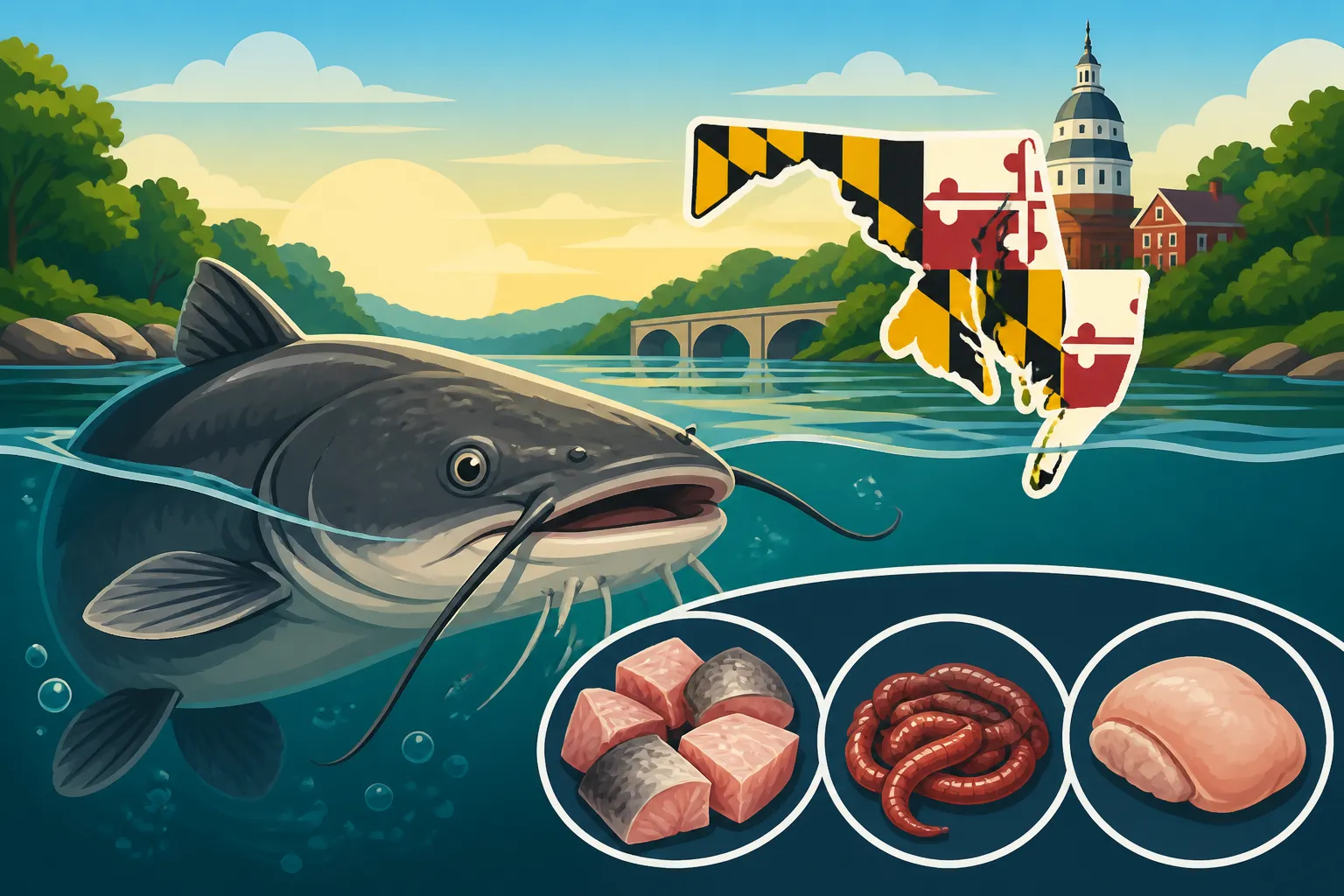
There's hardly a more effective bait for Maryland's larger blue and channel catfish than fresh cut bait. The fresh blood and scent oils released into the water create an irresistible chum line that catfish find impossible to ignore. The fresher, the better, as the scent is strongest right after the bait is cut.
- Gizzard Shad and Alewife: These schooling baitfish are natural prey for blue catfish in particular. Catching your own fresh shad or alewife (where legal) and cutting them into chunks, or even using a whole small one, is an absolute game-changer. The oily flesh and strong scent disperse wonderfully in the current, drawing catfish from a distance. For big blue cats, consider using larger chunks or even whole small shad.
- Blueback Herring and Other Herring Species: Similar to shad, fresh herring are incredibly oily and a prime food source for larger catfish. If you can get your hands on fresh herring, either by cast netting or purchasing, they make exceptional cut bait. The high oil content makes them particularly potent in stained or murky water, where visibility is low and scent is paramount.
- Perch and Panfish: If shad or herring are hard to come by, local white perch or yellow perch, cut into strips or chunks, can also be very effective. Ensure you're following Maryland Daily Bag Limits by Species for any gamefish you use as bait. Smaller sunfish like bluegill also work well, especially for channel catfish. The key is to use fish that are common in the waters you're fishing, as catfish are accustomed to preying on them.
When preparing cut bait, experiment with different sizes. For channel cats, a thumb-sized chunk is often perfect. For trophy blue cats, don't be afraid to use pieces that are several inches long, or even a whole small fish. The smellier the better, and allowing it to "ripen" slightly (but not spoil) can sometimes enhance its appeal, though fresh is usually king.
Worms, Minnows, and Nightcrawlers: Universal Appeal
These are the bread and butter of many anglers, and for good reason. They're readily available, relatively inexpensive, and nearly every fish species, including catfish, will at least give them a sniff.
- Nightcrawlers: Big, juicy nightcrawlers are excellent for channel catfish of all sizes, and even smaller blue catfish. They offer a natural wiggling action and a subtle earthy scent that catfish find attractive. You can thread a single nightcrawler onto a hook or use a wad of several for a bigger presentation. They are particularly effective when fished on the bottom with a simple slip sinker rig.
- Live Minnows: While cut bait is king for scent, live minnows are often the preferred choice for flathead catfish due to their predatory nature. They also work well for larger channel cats and even blue catfish looking for a live meal. Hook minnows through the lips or dorsal fin (being careful not to injure their spine) to keep them lively. Present them near structure or drop-offs where flatheads might be ambushing prey. For river fishing, a small bullhead or sunfish, legally caught and used, can also be excellent live bait for trophy flatheads.
- Red Wigglers and Smaller Worms: For smaller channel catfish, especially in creeks or ponds, smaller worms like red wigglers can be incredibly effective. Their constant wriggling and subtle scent are perfect for enticing actively feeding fish. They're also a great option for introducing kids to catfishing, as they're easy to handle and usually get bites quickly.
You can often find these baits at local tackle shops or even purchase a variety of bait worms from Amazon for convenience, especially if you're planning multiple trips.
Chicken Liver and Other Meats: The Stink Factor
If you want to talk about "stinky," chicken liver takes the crown. It's a legendary catfish bait, especially for channel catfish, thanks to its soft texture and incredibly potent scent that disperses quickly in the water.
- Chicken Liver: The main challenge with chicken liver is keeping it on the hook. Many anglers will "toughen" it up by letting it sit in the sun for a bit, soaking it in garlic salt, or even wrapping it with a small piece of nylon stocking or a bait holder spring. Its strong, metallic scent is practically irresistible to channel cats, and it can also attract blue catfish. It's a cheap and effective option, widely available at grocery stores.
- Shrimp: Raw shrimp, especially if it's slightly aged or "ripe," can be a fantastic catfish bait. It's easy to get and has a strong scent profile that catfish love. Peeled or unpeeled, cut into chunks or used whole for larger fish, shrimp is a versatile and often overlooked option.
- Hot Dogs and Other Processed Meats: Believe it or not, hot dogs, particularly those soaked in garlic or other pungent additives, can catch a surprising number of channel catfish. While not as universally effective as natural cut bait or liver, they're incredibly convenient and clean to handle, making them a good choice for casual outings, especially if you're fishing with kids. Similarly, some anglers have success with chunks of bologna or other cured meats, especially when "doctored up" with extra scent.
The trick with these softer baits is often using a small bait holder hook or a treble hook to keep them secured during casting and while submerged.
Prepared Baits: Convenience and Effectiveness for Catfish Anglers
Sometimes, you just don't have the time or ability to source fresh cut bait or dig up a bucket of worms. That's where prepared baits come into their own. The market is flooded with commercially produced catfish baits designed for convenience and, crucially, to attract fish with their potent scents and unique textures.
Stink Baits, Punch Baits, and Dip Baits
These are the quintessential "catfish baits" in many anglers' minds, and for good reason—they are explicitly formulated to appeal to the catfish's incredible sense of smell.
- Stink Baits: These come in various forms, from dough-like balls to soft, malleable chunks. Brands like Catfish Charlie, Secret 7, or Sonny's Super Sticky are popular. They are designed to be extremely odorous, releasing a powerful scent plume that draws catfish from a distance. The consistency varies, with some being quite soft and requiring a special bait holder or treble hook to stay on. They are especially effective for channel catfish.
- Punch Baits: A type of stink bait, punch baits like CJ's Catfish Punch Bait or Sure Shot are typically thick, sticky concoctions that you "punch" your bare hook into, allowing the bait to adhere to the hook. They're famous for their potent smell and ability to stay on the hook reasonably well. They create a consistent scent trail and are excellent for targeting channel catfish in a variety of conditions.
- Dip Baits: These are usually liquid or semi-liquid formulas that you "dip" a special bait worm (often ribbed or spongy to hold more scent) or a plain piece of sponge into. The bait worm then slowly releases the powerful scent into the water. Brands like Danny King's Catfish Bait or Junnie's Catfish Dip Bait are well-known. They can be incredibly effective, especially in moving water where the scent can travel far. Many of these specialized bait holders or dip worms can be found on Amazon or at your local tackle shop.
When using these strong-smelling baits, it’s a good idea to bring a dedicated bait towel and maybe even some gloves to avoid getting the pungent odor on everything you touch!
Dough Balls and Commercial Pellets
While less common for the larger, more predatory blue or flathead catfish, dough balls and commercial pellets can be surprisingly effective for channel catfish, especially in stocked ponds or slower-moving rivers.
- Dough Balls: You can make your own dough balls using flour, cornmeal, cheese, garlic, and other flavorful ingredients, often adding water until a thick, pliable consistency is achieved. The "secret recipe" for dough balls is often a closely guarded family secret among experienced catfish anglers. They work by slowly dissolving and releasing scent and fine particles into the water, creating a mini-chum slick. Store-bought versions are also available and can be convenient for a quick trip.
- Commercial Catfish Pellets/Chow: These are essentially concentrated fish food, often used in aquaculture. While usually fed to farmed catfish, they can be highly attractive to wild channel catfish. You can buy them in bulk and soak them to soften, then mold them around a hook or use a bait spring. They offer a strong, consistent scent profile and are very economical, especially if you plan on doing a lot of catfishing.
These baits tend to be a bit cleaner to handle than the super-stinky varieties and can be a good option if you're fishing with family or just prefer less mess.
Using Scent Attractants and Enhancements
No matter what bait you choose, you can almost always enhance its appeal with an added scent. These liquids or gels can be applied directly to your bait, lure, or even your soft plastics to give it an extra edge.
- Liquid Scents and Gels: Products like Berkley Gulp! Alive! spray, Dr. Juice, or various brands of garlic oil are readily available. You can spray them on cut bait, worms, or even dip your prepared baits in them for an extra boost. Garlic, anise, and various "fish formulas" are popular scents for catfish. A little goes a long way, but it can make a difference, particularly when the bite is slow or in murky waters. You'll find a wide selection of these scent enhancers available for purchase online through retailers like Amazon, making it easy to stock up before your next trip.
- PowerBait and Similar Products: While often associated with trout, some PowerBait formulas, particularly those designed for catfish, can be quite effective. They are doughy and infused with strong scents, designed to slowly release their attractants into the water. They're easy to use and stay on the hook well.
Adding a scent attractant is a simple way to increase the effectiveness of almost any bait, playing directly into the catfish's strong sense of smell.
Techniques and Tips for Maximizing Your Catfish Bait's Appeal
Choosing the right bait is a huge part of the equation, but how you present that bait and where you cast it can be just as crucial. Even the "best" bait won't work if the catfish can't find it or aren't willing to bite. Mastering a few simple techniques can significantly improve your catfishing success in Maryland's diverse river systems.
Rigging Your Bait for Optimal Presentation
The way you rig your bait directly impacts how it behaves in the water, how well it stays on the hook, and ultimately, how easily a catfish can take it. For river fishing, where currents can be a factor, certain rigs consistently outperform others.
- The Carolina Rig: This is perhaps the most popular and versatile rig for catfishing, especially in rivers. It consists of a barrel swivel, a leader (usually 18-36 inches), and your hook. Above the swivel, you slide an egg sinker or a no-roll sinker directly onto your main line, followed by a bead (to protect the knot). This rig allows the catfish to pick up the bait and move off with it without immediately feeling the weight of the sinker, leading to more confident bites. It's excellent for fishing cut bait, worms, or even prepared baits on the bottom.
- The Three-Way Swivel Rig: Also known as a "dropper rig," this setup is fantastic for fishing in stronger currents. It involves a three-way swivel: one eye for your main line, one for a short leader (6-12 inches) to a sinker, and the third for a longer leader (1-3 feet) to your hook and bait. This keeps your bait elevated off the bottom, preventing it from getting buried in muck or debris, and allows it to drift enticingly in the current, which can be very effective when Fishing the Potomac River in Maryland or other larger systems.
- Slip Sinker Rig: A simpler variation of the Carolina rig, where the sinker slides directly on the main line down to a stopper (often a split shot or small swivel) just above the hook. This is particularly good for lighter baits and situations where you want a more direct connection to the fish. It's effective for channel cats in calmer waters or ponds.
Always ensure your hooks are sharp and appropriately sized for the bait and the fish you're targeting. For most river catfishing, a circle hook (sizes 3/0 to 8/0) is highly recommended. Circle hooks significantly reduce gut-hooking, making catch-and-release healthier for the fish, and they often result in a more secure hookset in the corner of the fish's mouth.
Locating Catfish Hotspots in Maryland Rivers
Even with the best bait, you need to put it where the fish are. Catfish aren't usually cruising aimlessly; they hang out in specific areas where food is abundant, and they feel secure.
- Deep Holes and Channels: Catfish, especially larger blue cats, often relate to the deepest parts of a river or channel, particularly during the day or in colder weather. Look for these depressions on your sonar or by observing river bends where deeper sections are common. Fan casting across these areas can help you find where they are holding.
- Structure and Cover: Submerged timber, rock piles, bridge pilings, and even sudden changes in bottom contour (like a hump or a ledge) are prime catfish real estate. These structures provide cover, current breaks, and ambush points for predatory flatheads, and food sources for all catfish. When fishing the larger rivers like the Potomac, targeting these features can be extremely productive. You might find more specific guidance on these spots in an article like Best Spots to Catch Blue Catfish on the Potomac.
- Current Seams and Eddies: In rivers, current is everything. Catfish will often position themselves in "current seams" – where fast-moving water meets slower water – or in eddies behind obstructions. These areas allow them to conserve energy while waiting for food to drift by. Presenting your bait right on the edge of these seams or letting it tumble naturally into an eddy can be incredibly effective.
Consider the time of year and water temperature when looking for catfish. During warmer months, they might be shallower and more active, while in colder periods, they'll often retreat to deeper, more stable temperatures. Knowing the Best Time of Year to Catch Blue Catfish in Maryland can also influence where you focus your efforts.
Patience, Presentation, and Persistence
Catfishing isn't always a fast-paced game. Sometimes it requires a good deal of patience. Once your bait is in the water, resist the urge to constantly check it. Give the scent time to disperse and the fish time to find it.
| Bait Type | Primary Target Species | Key Attraction | Pros | Cons |
|---|---|---|---|---|
| Fresh Cut Bait | Blue Catfish, Channel Catfish | Scent, Blood, Oil | Highly effective for big fish, natural | Can be messy, requires fresh sourcing |
| Chicken Liver | Channel Catfish, Blue Catfish | Potent Scent | Very attractive, inexpensive | Difficult to keep on hook, very messy |
| Live Minnows/Baitfish | Flathead Catfish, Large Blue Catfish | Live Action, Predator Instinct | Excellent for trophy flatheads | Requires live bait tank, limited availability |
| Nightcrawlers | Channel Catfish, Smaller Blue Cats | Wiggle, Earthy Scent | Universal appeal, easy to use | Less effective for large blues/flatheads |
| Stink/Punch Baits | Channel Catfish, Smaller Blue Cats | Concentrated Scent | Convenient, strong attractant | Can be extremely messy, less natural |
| Hot Dogs (Garlic) | Channel Catfish | Convenience, Scent | Easy to handle, readily available | Less effective than natural/specialized baits |
- Vary Your Presentation: If you're not getting bites, try moving your bait to different depths, closer to or further from structure, or adjusting the length of your leader. Sometimes a subtle change can make all the difference. In areas with current, let your bait drift naturally, allowing the current to carry the scent downstream to waiting fish.
- Keep Your Lines Clean: Check your line frequently for nicks or abrasions, especially after fighting a fish or getting snagged. Catfish have powerful jaws, and a weakened line is an invitation for a break-off.
- Consider Fishing at Night: Catfish are often more active feeders during low light conditions or at night, especially in warmer months. The cover of darkness gives them confidence to move into shallower areas to forage. If you're struggling during the day, a night fishing session might yield fantastic results.
- Don't Forget Your License: Before heading out, always ensure you have the proper Maryland fishing license. Whether you need a Maryland Nontidal vs Tidal Fishing License, Explained or just the basic Maryland Fishing License Guide for 2026, having it in order is key.
Ultimately, the "best" bait for catfish in Maryland rivers can vary based on the specific species you're after, the time of year, and even the particular river you're fishing. However, by understanding their preferences and employing these tried-and-true baits and techniques, you'll be well on your way to more successful and enjoyable catfishing adventures.
Disclaimer
The information provided in this guide is for general informational purposes only and is not intended as legal or professional advice. Fishing regulations, license requirements, and catch limits in Maryland can change frequently. Always consult the latest official Maryland Department of Natural Resources (DNR) publications or website before engaging in any fishing activities to ensure compliance with all current rules and laws.