How Big Do Chain Pickerel Get in Maryland Ponds?
It’s a common scenario: you’re standing at the edge of a quiet Maryland pond, rod in hand, wondering what kind of fish might be lurking beneath the surface. You've heard tales of impressive chain pickerel, but what's realistic for a typical pond? It can be frustrating to not know what to expect, leaving you guessing whether that subtle tug on your line is a panfish or something truly substantial. This guide aims to clear up the mystery, giving you a realistic picture of the sizes you can expect from chain pickerel in Maryland's abundant pond ecosystems.
Understanding Chain Pickerel in Maryland's Waters
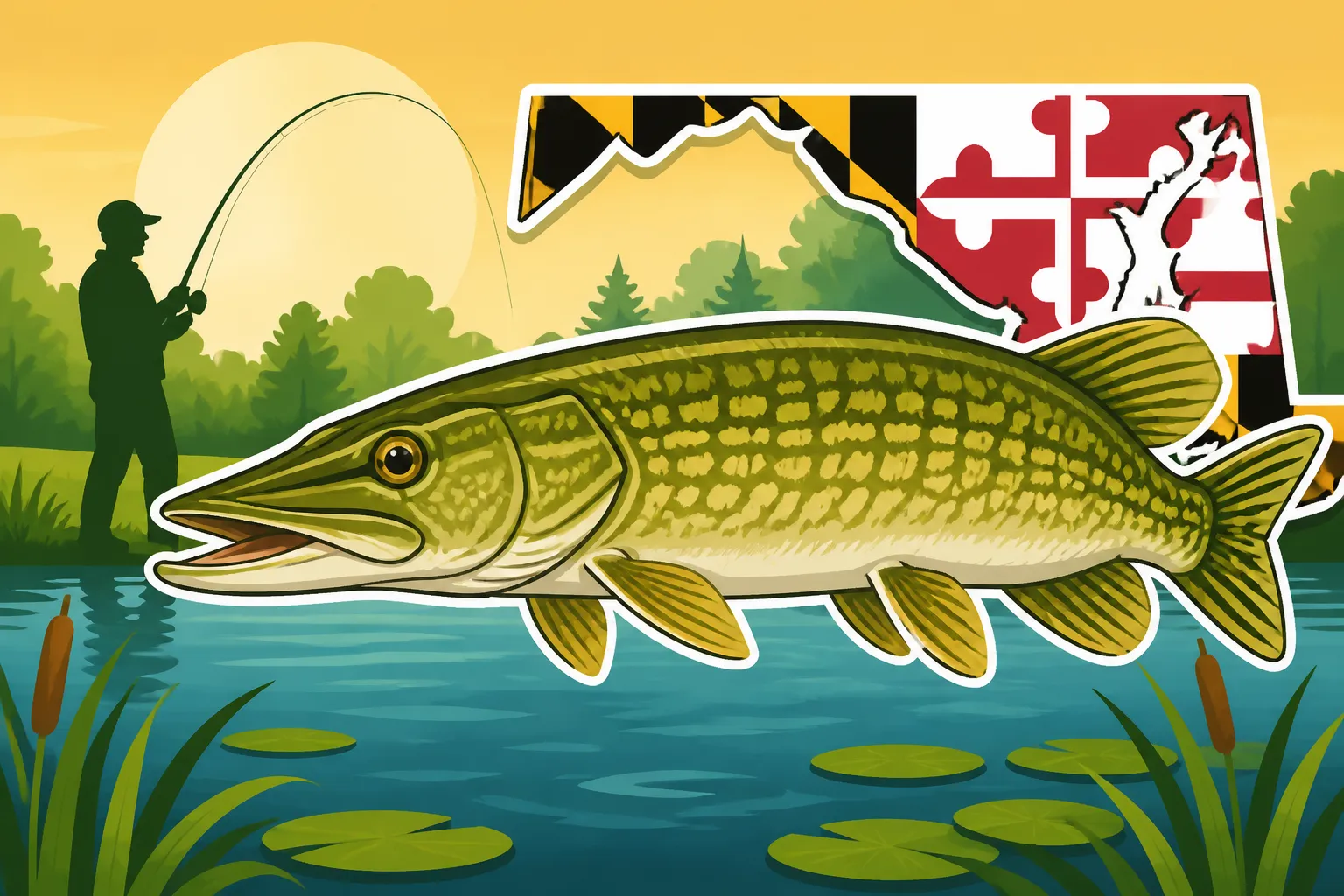
Chain pickerel are one of Maryland's most distinctive freshwater predators, easily recognized by their unique chain-like markings on their flanks. They're often found in slow-moving or still waters, making them a prime target for pond anglers. Unlike their larger northern pike cousins, pickerel rarely reach monstrous sizes, but they still offer a fantastic fight, especially on lighter tackle. Knowing their typical dimensions in different environments can really help manage your expectations and even inform your fishing strategy.
Natural Habitat and Growth Factors
In Maryland, chain pickerel thrive in a variety of freshwater environments, but ponds are a truly classic spot to find them. They love clear, vegetated waters where they can ambush prey. Think of those ponds with lily pads, submerged grass beds, and fallen timber – that’s prime pickerel territory. These habitats offer both camouflage for hunting and protection from larger predators, if any are present. The growth rate of a chain pickerel is heavily influenced by how much food is available and the overall health of its environment. A pond teeming with baitfish like minnows, smaller sunfish, or even juvenile perch will generally produce larger, healthier pickerel than a pond with a sparse food supply.
Water temperature also plays a role in their metabolism and feeding activity, impacting how quickly they grow. Cooler waters might slow down their growth during certain seasons, while warmer, nutrient-rich periods can spur significant gains. Pond size, depth, and connectivity to other water bodies can also influence the genetic diversity and overall health of the pickerel population, indirectly affecting how large individual fish can grow.
The Average Size You Can Expect
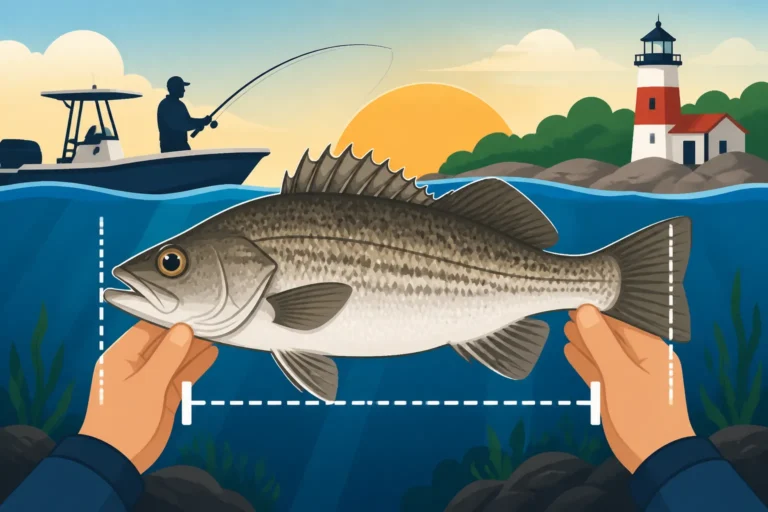
So, what's a "normal" chain pickerel in a Maryland pond? For most anglers, a typical pond-dwelling chain pickerel will range anywhere from 12 to 20 inches in length. These are healthy, respectable fish that put a nice bend in a light-action rod. A 15-inch pickerel from a local farm pond is a very common and satisfying catch. While you might occasionally hear whispers of bigger ones, anything over 20 inches is starting to get into the "above average" category for a pond.
You might catch many smaller ones too, especially in ponds with high populations and limited food sources, where 8 to 10-inch fish are abundant. These smaller fish are still a blast to catch and are great practice for young anglers or those just getting into freshwater fishing. They're feisty and aggressive, making them a fun target. While they might not be trophy-sized, they’re a testament to the thriving freshwater fishing opportunities across the state. If you’re interested in exploring different waters, check out our guide on the Best Places to Fish in Maryland.
| Factor | Typical Pond Pickerel | Larger Pond Pickerel | State Record Potential |
|---|---|---|---|
| Length (Inches) | 12-20 | 20-26 | 30+ |
| Weight (Pounds) | 0.5 – 2 | 2 – 4 | 5+ |
| Commonality | Very Common | Occasional | Extremely Rare |
| Habitat Preference | Vegetated shallows | Deeper weed lines, structure | Larger, food-rich systems |
| Feeding Aggression | High | High | Very High |
What Influences a Chain Pickerel's Size in Ponds?
It's not just random chance that dictates a pickerel's size. Several environmental and biological factors play a huge role in how big these toothy predators get in Maryland's ponds. Understanding these elements can give you an edge when you're looking to find those larger specimens.
Diet and Food Availability
The old adage "you are what you eat" holds true for chain pickerel. Their growth potential is intrinsically linked to the abundance and quality of their food source. Ponds that are teeming with smaller forage fish, like golden shiners, fathead minnows, bluegill, or even small yellow perch, provide a buffet for growing pickerel. If a pond has a strong population of these baitfish, the pickerel residing there will typically grow larger and faster. Conversely, in ponds where food is scarce or competition is high, pickerel may remain stunted or grow much slower, rarely reaching impressive lengths.
A pickerel's diet isn't just about quantity, though; variety and nutrient content matter. A diverse forage base ensures they get all the necessary nutrients for robust growth. This also means that as pickerel grow, their prey preference can shift. Larger pickerel often target larger baitfish, requiring more substantial meals to sustain their growth and energy needs. Knowing what pickerel eat in different habitats can significantly inform your bait and lure choices.
Waterbody Size and Structure
While we're talking about ponds, there's a big difference between a half-acre farm pond and a 20-acre community lake, both of which might be referred to as "ponds" by local anglers. Generally, larger waterbodies with more diverse structures—like deeper sections, extensive weed beds, submerged timber, and varying bottom contours—tend to support bigger pickerel. These larger, more complex environments offer more territory, diverse foraging grounds, and a wider range of hiding spots for both predator and prey.
A small, shallow pond might only sustain smaller pickerel due to limited space and food. In contrast, a pond with deeper pockets and extensive weed lines along its edges provides ample opportunity for pickerel to grow and thrive. Such structures allow them to ambush prey effectively and find comfortable water temperatures throughout the year. For more insights into diverse fishing environments, check out Maryland's Deep Creek Lake Fishing Guide.
Genetics and Age
Just like any other species, genetics play a part in a chain pickerel’s ultimate size. Some individuals simply have the genetic predisposition to grow larger than others, given the right conditions. However, age is perhaps the most straightforward factor. A pickerel needs time to grow. While they mature relatively quickly, reaching a respectable 12-15 inches in a few years, it takes several more years to reach that 20+ inch mark. A truly large pickerel in Maryland waters has likely seen several seasons come and go.
Maryland pickerel typically have a lifespan of about 5 to 7 years in the wild, though some might live longer in ideal conditions. The oldest and largest fish are often the most cunning, having learned to evade predators and anglers alike. So, when you catch a truly big one, you're not just catching a fish; you're catching a survivor that has navigated countless challenges in its aquatic life. This connection between age, size, and wisdom adds a special thrill to landing a trophy.
Maryland's State Record and How It Compares
Every angler dreams of catching a state record, and while it's a monumental achievement, it gives us a great benchmark for what's truly possible. The state record chain pickerel in Maryland is an impressive specimen, far exceeding what most of us will ever encounter in a typical pond.
The Elusive State Record Pickerel
Maryland's state record chain pickerel is a fish of legend, weighing in at an impressive 8 pounds, 2 ounces. This colossal pickerel was caught back in 1961 in a Dorchester County pond. Think about that for a moment – an 8-pound pickerel! That's a massive fish, likely well over 30 inches long, a true leviathan for the species. This catch highlights the potential for exceptional fish even in pond environments, though such giants are incredibly rare.
The state record isn't just about bragging rights; it illustrates the pinnacle of what a chain pickerel can achieve under optimal conditions. It means that somewhere, in one of Maryland's many water bodies, the perfect combination of genetics, abundant food, and prime habitat came together to produce such a beast. While you might not land a new state record on your next outing, it's a testament to the thrill of the chase and the possibility that you never know what might bite next.
Chasing a Trophy Pickerel in Maryland
If you're an angler who truly enjoys the challenge of targeting larger fish, then aiming for a trophy pickerel is a rewarding pursuit. While the state record was caught in a pond, focusing your efforts on larger ponds, reservoirs, or slow-moving rivers with robust forage bases might increase your odds. Waters known for their healthy populations of larger baitfish are usually a good bet. Consider locations where there's less fishing pressure or where habitat offers extensive cover, allowing older, larger fish to thrive relatively undisturbed.
When targeting trophy pickerel, it’s not just about luck; it’s about strategy. Using larger baits and lures that mimic the bigger prey items these fish prefer is key. Think about larger spinnerbaits, swimbaits, or even substantial live bait like a 6-inch shiner or a big bluegill. You'll also want to beef up your tackle a bit compared to panfishing. A medium-heavy rod with a good quality reel spooled with 10-15 pound test line will give you the power and control you need. Always have a pair of long-nosed pliers handy, as their teeth are no joke! For some species-specific information, you might find our article on Maryland Panfish: Crappie, Perch and Sunfish helpful for understanding what pickerel might be preying on.
Tips for Catching Larger Chain Pickerel in Ponds
Catching pickerel, especially larger ones, requires a bit more thought than simply casting and hoping for the best. These are ambush predators, and understanding their habits can significantly improve your success rate.
Lure and Bait Selection
When it comes to pickerel, they are rarely picky eaters, but for larger specimens, size can matter. Forget the tiny panfish jigs if you're targeting big ones. Instead, think about lures that create a good profile and flash in the water. Silver or gold spoons, like a Johnson Silver Minnow, are classic pickerel catchers, especially when retrieved erratically over weed beds. Spinnerbaits with larger blades and skirts are also incredibly effective. Chartreuse, white, and fire tiger patterns are often excellent choices, mimicking the smaller fish they feed on.
Soft plastic swimbaits, rigged weedless, can be worked through heavy cover where bigger pickerel often hide. For those who prefer live bait, a substantial shiner or a small bluegill, fished under a bobber or slowly retrieved, can be irresistible to a hungry pickerel. You can find a fantastic selection of these lures and baits on Amazon, often with reviews that can help you pick the right size and color for local conditions. Don't forget to check out our piece on Chain Pickerel in Maryland Ponds for more specific techniques.
Strategic Pond Fishing
Pickerel are ambush predators, meaning they love to hide and dart out at unsuspecting prey. This tells you exactly where to find them: near cover. Focus your efforts on areas with heavy submerged vegetation, lily pad fields, fallen trees, brush piles, and around docks or other structures. These spots provide perfect camouflage and a staging area for their attacks. In ponds with varying depths, the edge of a deep drop-off that borders a shallow weed bed can be a particularly productive zone, as pickerel can move between depths to feed.
Early mornings and late evenings are often the most productive times, especially during warmer months, as pickerel tend to be more active when the sun isn't directly overhead. However, on overcast days, they might be active throughout the day. Don't be afraid to cast right into the thickest cover you can find – that's often where the biggest fish are lurking. Just be prepared to get snagged occasionally! For a broader understanding of regulations that might affect your fishing, including size limits for different species, it's always wise to consult Maryland Fishing Size and Catch Limits by Species.
Essential Gear for Pickerel Fishing
While pickerel don't demand overly specialized gear, having the right setup will make your experience more enjoyable and successful. A medium to medium-heavy spinning or baitcasting rod, about 6.5 to 7 feet long, is ideal. Pair this with a reliable reel spooled with 10 to 15-pound monofilament or braided line. Braided line is particularly good because of its sensitivity and strength, which helps when fishing in heavy cover and setting hooks through tough mouths.
A critical piece of gear that many anglers overlook is a pair of long-nosed pliers or forceps. Pickerel have sharp teeth, and reaching in with your fingers to remove a hook is a recipe for a painful bite. A small, lightweight landing net can also be a lifesaver, especially if you're targeting those larger fish and want to ensure a clean, safe landing. Finally, always carry a small tackle box with a variety of spoons, spinnerbaits, and soft plastics. You can easily stock up on all this essential gear, from rods to pliers, by browsing fishing supplies on Amazon. Remember, responsible fishing also means understanding local regulations, so keep an eye on resources like the Maryland Fishing License Guide for 2026.
Disclaimer
This article is for general informational purposes only and does not constitute professional advice. Laws, prices and regulations vary by location and change over time. Consult a qualified professional for guidance on your specific situation.