Spot and Croaker in Maryland Waters
It's a familiar scene: you’re fishing a pier or a quiet creek in Maryland, and suddenly, your rod tip starts dancing. You reel in, and there it is – a shimmering, silver-sided fish, perhaps with a distinct spot or making a curious croaking sound. You might even catch a few, wondering if these smaller, abundant fish are worth the effort. This guide is here to shed light on two of Maryland's most common and often underrated bottom-dwellers: spot and croaker, helping you identify them, find them, and appreciate them for the excellent sport and table fare they offer.
Understanding Spot: The "Panfish of the Bay"
When you talk about easy, consistent action on the Chesapeake Bay, especially during the warmer months, spot are almost certainly part of the conversation. These feisty little fish might not be the giants of the Bay, but they offer endless entertainment and make for some truly delicious eating. They’re a favorite target for families and beginners because they’re usually pretty eager to bite, and when they do, they put up a surprisingly strong fight for their size.
Identifying Maryland Spot
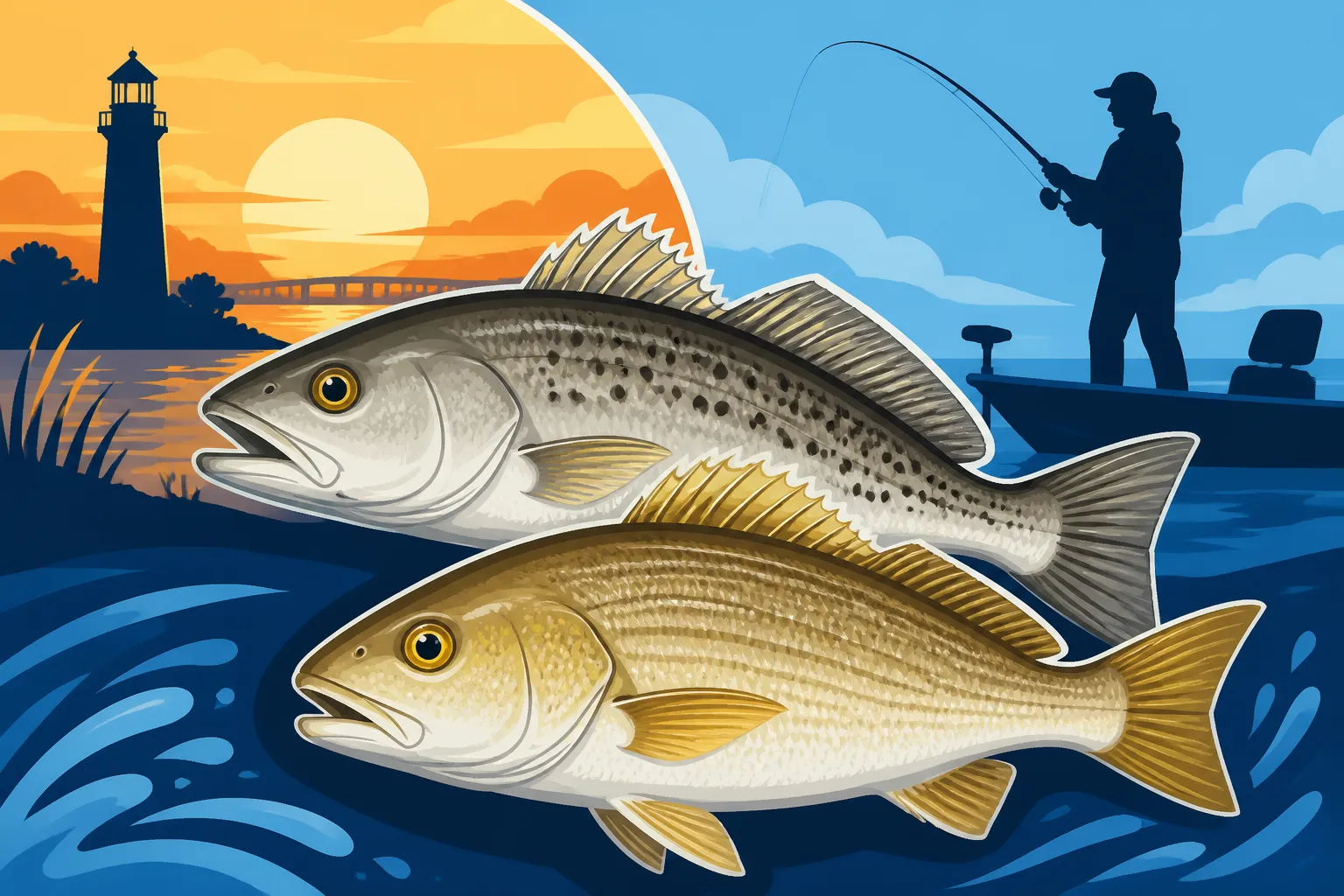
Spot are one of those fish that once you see a few, you'll recognize them instantly. They typically sport a silvery body with an iridescent sheen, often showing hints of gold or bronze. Their most distinguishing feature, and the one that gives them their name, is a prominent dark spot located just behind the gill plate. This spot is usually quite visible and makes them fairly easy to identify among other similar-looking panfish.
Beyond the spot, they have a somewhat elongated body, a deeply forked tail, and a small mouth. You might notice some faint, wavy, yellowish lines running horizontally along their sides, especially on fresher catches. While they don't grow to enormous sizes, a good-sized Maryland spot can be anywhere from 8 to 12 inches, with larger ones being a real treat. They're built for scavenging the bottom, and their general shape reflects that lifestyle, allowing them to root around for small invertebrates.
Where and When to Find Spot in Maryland
Spot are primarily a tidal water species, meaning you'll find them in the brackish and saltwater areas of the Chesapeake Bay and its many tributaries. They absolutely love those shallow, sandy, or muddy bottom areas where they can root around for their next meal. Think about the calmer waters of creeks, rivers, and the shallower flats within the Bay itself. They are also incredibly popular targets from piers and docks, making them super accessible for anglers of all ages and experience levels.
You'll typically find spot congregating in Maryland waters when the water temperatures start to consistently warm up. This usually means late spring through early fall is prime time. As the summer progresses, their numbers often swell, and they become a staple catch throughout July, August, and September. During these months, you can cast from a shore spot at Sandy Point State Park, drift over a shallow oyster bar in the mid-Bay, or anchor up in one of the Eastern Shore rivers. They truly are ubiquitous once the water is to their liking, and you'll often find them mixed in with other species like croaker and white perch. Looking for general information on when fish are most active? You might want to check out Best Time of Year to Fish in Maryland.
Favorite Baits and Rigs for Spot
Spot aren't particularly picky eaters, which is another reason they're so great for beginners. They're bottom feeders, so anything small and natural presented near the bottom is usually fair game. The undisputed champion bait for spot, hands down, is the classic bloodworm. There's just something about that scent and wriggly action that spot can't resist. If bloodworms are hard to come by or you prefer something less squirmy, artificial options like FishBites in bloodworm or crab flavor are excellent alternatives and are incredibly convenient to keep on hand. Small pieces of fresh squid or shrimp can also be very effective.
When it comes to rigging, simplicity is key. A standard top-and-bottom rig, sometimes called a "two-hook bottom rig," is usually all you need. This setup typically has a sinker at the very bottom and two small snelled hooks tied above it, spaced a foot or so apart. Use small hooks, usually size 4 or 6, as spot have relatively small mouths. Light spinning tackle with a sensitive rod tip will allow you to feel even the most subtle bites. You can find pre-tied bottom rigs and small hooks easily online or at your local tackle shop. Many anglers find great deals on these essentials through retailers like Amazon. For more in-depth bait strategies, consider reading Best Bait for Spot and Croaker in Maryland.
Discovering Croaker: The "Hardhead" of Maryland Waters
If you've spent any time fishing in Maryland's tidal waters, you've almost certainly encountered the Atlantic croaker. Known affectionately by many as "hardheads" due to their somewhat bony heads and tough reputation, these fish are another cornerstone of the Chesapeake Bay's panfish scene. They're exciting to catch, put up a good fight, and, like their smaller cousins, the spot, are excellent table fare.
Identifying Maryland Croaker
Atlantic croaker are quite distinct, though they do share some general body shape similarities with spot, leading to occasional confusion for new anglers. Croaker typically have a more elongated, somewhat compressed body, often with a bronze or brassy iridescent sheen over a silvery base. One key identifier is their overall darker, often golden-brownish coloration on their backs, fading to silver on their bellies. They lack the prominent dark spot behind the gill plate that defines the spot. Instead, croaker often display faint, dusky diagonal streaks or spots along their upper sides, which can sometimes look like bands.
Their most unique characteristic, however, is their sound. When you catch a croaker, especially a larger one, you'll often hear a distinct drumming or "croaking" sound produced by muscles vibrating against their swim bladder. It's a truly memorable experience and instantly tells you what you've landed! Their mouths are relatively small and underslung, perfectly designed for feeding on the bottom. Croaker in Maryland can range from small "pan-sized" fish of 8-10 inches up to much larger "spike" croaker reaching 15-18 inches, providing a substantial meal.
Where and When to Find Croaker in Maryland
Croaker, while sharing some habitats with spot, tend to prefer slightly different environments. They are also tidal water specialists, thriving in the Chesapeake Bay and its larger tributaries. However, they often gravitate towards deeper channels, oyster beds, and areas with more substantial bottom structure compared to the shallower, softer bottoms preferred by spot. You might find them schooling near bridge pilings, channel edges, or around submerged oyster reefs.
Like spot, croaker are warm-water fish, making their presence known in Maryland from late spring through early fall. The peak croaker fishing season typically runs from early summer into September. As the summer heat intensifies, croaker often move into deeper, cooler waters during the day, making early mornings, evenings, or night fishing particularly productive. You’ll find them throughout the mid and lower Chesapeake Bay, including areas around Solomons Island and the Patuxent Mouth and in the deeper sections of rivers like the Choptank or Nanticoke. They can be found in abundance across many of Maryland's prime fishing locations.
Favorite Baits and Rigs for Croaker
Croaker are opportunistic bottom feeders, and they have a few favorite meals that almost guarantee a bite. Fresh squid, cut into small, manageable strips, is a perennial favorite and a very affordable, readily available option. Peeler crab, though sometimes harder to come by and a bit messier, is absolute candy to a croaker and will often tempt the larger ones. Fresh shrimp, whether peeled or unpeeled, is another highly effective bait. Some anglers also have success with pieces of clam or even bloodworms, especially when targeting smaller croaker or fishing areas where spot are also prevalent.
For rigging, a classic bottom rig, similar to what you'd use for spot, is the way to go. However, because croaker can grow larger and have a slightly more aggressive bite, you might opt for slightly larger hooks—say, size 2 or 1—to ensure a better hookset, especially for those bigger "hardheads." A sinker at the bottom, with two snelled hooks above, is the standard setup. You want to make sure your bait is presented right on the bottom where they feed. Your rod and reel setup can be a bit heavier than what you’d use for spot, perhaps a medium-light spinning rod, to handle the larger fish and stronger currents found in deeper channels. Again, Amazon is a great resource for finding a wide variety of bottom rigs and different sized hooks to suit your specific needs.
Key Differences and Similarities: Spot vs. Croaker
While spot and croaker are often caught together and share many general characteristics as bottom-dwelling panfish, understanding their subtle differences can significantly improve your fishing success. Knowing what to look for, listen for, and where each species prefers to hang out will help you target them more effectively or simply appreciate the diversity of your catch.
Physical Appearance and Identification Cues
The most straightforward way to differentiate between a spot and a croaker is, as their names suggest, by their unique features. Spot have that distinctive, round, dark spot right behind their gill plate. Croaker, on the other hand, do not have this spot. Instead, they often have faint, broken diagonal lines or small spots running along their upper sides. Their overall coloration can also be a clue; spot are generally more uniformly silvery-gold, while croaker often have a brassier or golden-brown tint on their backs.
Another significant difference, as mentioned, is the sound. Croaker are famous for their "croaking" or drumming sound, which they produce by vibrating their swim bladder. Spot, while they might make some subtle noises, do not have this pronounced vocalization. If you hear it, you’ve got a croaker!
Let's break down the key visual differences in a table:
| Feature | Spot | Croaker |
|---|---|---|
| Key Markings | Prominent dark spot behind gill plate | Faint, dusky diagonal streaks/spots on upper side |
| Overall Color | Silvery with iridescent gold/bronze sheen | Brassy/golden-brown back, silver belly |
| Sound | Generally silent or subtle | Distinct "croaking" or drumming sound |
| Body Shape | Slightly more compressed | More elongated, somewhat slender |
| Mouth | Small, slightly inferior | Small, underslung |
Habitat and Behavioral Distinctions
While both species are found in Maryland's tidal waters, their preferred micro-habitats and behaviors differ. Spot tend to prefer shallower, softer bottoms—sandy flats, muddy creek mouths, and grass beds—where they can easily root around for small invertebrates. They often school in these areas and are a common sight from piers and shorelines. You might find them in depths of just a few feet.
Croaker, while also bottom feeders, generally gravitate towards deeper water, especially during the brighter parts of the day. They prefer areas with more structure: oyster reefs, channel edges, bridge pilings, and deeper holes where they can find protection and ample food. They also form schools, but these schools are often found suspended slightly off the bottom or concentrated around specific structures. If you're fishing a deep channel edge in the mainstem of the Bay, you're more likely to encounter croaker.
Fishing Techniques and Gear Adaptations
Because of these habitat and behavioral differences, you might adapt your techniques slightly. For spot, fishing shallower areas with small hooks and light line is usually sufficient. A delicate touch is often all you need, as their bites can be subtle. If you're getting consistent bites but missing fish, try even smaller hooks.
For croaker, especially larger ones, fishing deeper water often requires slightly heavier sinkers to hold bottom in stronger currents. Your hooks can be a bit larger (size 2 or 1), and a slightly sturdier rod and reel might be helpful for fighting those "hardheads." While both respond well to bottom rigs, if you're targeting croaker in deeper channels, you might find that allowing your bait to sit patiently on the bottom for longer periods yields better results, as they can sometimes be less aggressive than a hungry school of spot. Consider some of the Bottom Fishing Techniques for Maryland Catfish which can also be adapted for croaker, given their similar bottom-dwelling nature.
Why These Fish Matter to Maryland Anglers
Spot and croaker might not have the same "trophy fish" allure as a big striped bass, but their importance to Maryland's fishing culture and ecosystem is undeniable. From providing delicious meals to offering accessible fishing fun for everyone, these humble bottom-dwellers play a significant role.
Culinary Delights: Eating Spot and Croaker
One of the biggest reasons anglers specifically target spot and croaker is their reputation as fantastic table fare. Both species have delicate, flaky white meat that is incredibly versatile in the kitchen. They are especially delicious when pan-fried, grilled, or baked. Many Maryland families have fond memories of summer evenings centered around a fresh catch of spot and croaker, seasoned simply and cooked to perfection.
For spot, their smaller size means they’re often cooked whole after being scaled and gutted. The crispy skin and tender meat are a true delight. Croaker, especially the larger ones, yield beautiful fillets that are easy to prepare. They both have a mild, sweet flavor that isn't overly "fishy," making them appealing even to those who aren't usually big seafood eaters. Plus, for beginners, cleaning a spot or croaker is a relatively straightforward process, making the entire farm-to-table experience very satisfying.
Importance as Baitfish and for the Ecosystem
Beyond their culinary value, spot and croaker play a crucial role in the Chesapeake Bay ecosystem. Both species serve as vital forage for larger predatory fish. Juvenile spot and croaker are a food source for a wide array of creatures, from larger fish to various birds. Adult spot and croaker themselves are often prey for larger gamefish like striped bass (rockfish), bluefish, and even flounder. In fact, live spot are considered one of the most effective baits for catching trophy-sized striped bass during certain seasons in Maryland, a technique known as "live-lining."
Their abundance also helps to distribute fishing pressure. When the bite for more glamorous species is slow, or during seasons when other species are protected, spot and croaker often provide reliable action, keeping anglers engaged and happy. This helps maintain a healthy balance in recreational fishing opportunities. They are truly an integral part of Maryland's Most Popular Saltwater Gamefish ecosystem.
Family-Friendly Fishing Fun
Perhaps one of the most cherished aspects of fishing for spot and croaker is the sheer accessibility and enjoyment they provide, especially for families and new anglers. These fish are generally abundant, eager to bite, and found in easily accessible locations like piers, docks, and shallow creek areas. This means less frustration for kids (and adults!), more bending rods, and more fish in the cooler.
Introducing a child to fishing with a species that provides consistent action is a fantastic way to spark a lifelong love for the outdoors. There's nothing quite like seeing a child's face light up as they reel in their first spot or feel the distinctive thump of a croaker bite. The relative ease of catching them, combined with their delicious taste, makes them perfect candidates for memorable family fishing trips. You can find many accessible spots, including Best Piers and Shore Fishing Spots in Maryland, that are perfect for a family outing to catch these species.
Essential Gear for Targeting Spot and Croaker
One of the beauties of fishing for spot and croaker is that you don't need a boatload of specialized, expensive gear. Simple, effective tackle will get the job done, making it an ideal entry point for beginners or a relaxing day for seasoned anglers. Having the right basic setup, however, will enhance your experience and increase your chances of success.
Rods, Reels, and Line Choices
For both spot and croaker, light to medium-light spinning tackle is generally preferred. You're looking for a rod that offers a good balance of sensitivity and backbone.
- Rods: A 6 to 7-foot spinning rod with a fast or moderate-fast action will allow you to feel those often subtle bites while having enough power to cast light rigs and handle a decent-sized croaker. Ultra-light rods can be fun for smaller spot, but a medium-light is more versatile for both species.
- Reels: A spinning reel in the 1000-series (for lighter rods) or 2500-series (for more versatile medium-light setups) is perfect. Look for something smooth with a reliable drag, as even these smaller fish can pull surprisingly hard. You don't need a high-end model; a dependable, entry-level spinning reel will serve you well for years.
- Line: For line, 6 to 10-pound test monofilament (mono) or braided line is ideal. Mono is forgiving, easy to tie, and offers good stretch, which can prevent hooks from pulling out of a soft-mouthed fish. Braid, on the other hand, offers superior sensitivity, allowing you to feel every bump and bite, and casts further with lighter tackle. If using braid, a fluorocarbon leader of similar test strength (12-18 inches long) is a good idea, as it's less visible to fish and offers better abrasion resistance.
Terminal Tackle and Accessories
This is where the magic happens – putting your bait in front of the fish.
- Hooks: As discussed, small hooks are key. For spot, sizes #4 or #6 are perfect. For croaker, especially if you're targeting larger ones, step up slightly to #2 or #1. Aberdeens, Kahles, or even small Octopus hooks work well. Pre-snelled hooks, which are hooks already tied to a short length of leader, are incredibly convenient.
- Sinkers: You'll need a variety of sinker weights depending on current and depth. Pyramid or bank sinkers ranging from 1/2 ounce to 2 ounces are good to have on hand. The goal is to use just enough weight to hold your bait on the bottom without it rolling excessively with the current.
- Swivels: Small barrel swivels or three-way swivels are useful for connecting your main line to your leader or for building your own rigs to prevent line twist.
- Bottom Rigs: The most common and effective rig is a simple top-and-bottom rig. You can buy these pre-tied at any tackle shop or make your own using the hooks, swivels, and leader material. They typically feature a sinker at the bottom and two hooks above it.
- Measuring Device: Always carry a measuring tape or a fish ruler to ensure your catch meets current Maryland Fishing Size and Catch Limits by Species.
- Cooler and Ice: Essential for keeping your catch fresh if you plan to take it home for dinner.
- Pliers/Forceps: For easy and safe hook removal, especially if you plan to catch and release.
- Bait Knife and Cutting Board: If you're using fresh bait like squid or peeler crab, these will be invaluable.
- Sun Protection: Hat, sunglasses, sunscreen are always recommended for a comfortable day on the water.
You can gather all these bits and pieces at your local bait and tackle shop, but if you're looking to stock up on essentials like hooks, sinkers, or even pre-tied rigs, I've had great luck finding a wide selection and good prices on Amazon. It's super convenient to have a variety of terminal tackle delivered right to your door before your next trip.
Fishing Strategies for Consistent Success
Catching spot and croaker isn't rocket science, but a few strategic approaches can turn a decent day into a fantastic one. It's all about understanding their environment, presenting your bait correctly, and paying attention to the subtle cues nature provides.
Reading the Water and Tides
Understanding how tides affect fishing is paramount when targeting tidal species like spot and croaker. Both species are often most active during moving water – either incoming or outgoing tides. The current helps to stir up the bottom, dislodging their natural food sources, and also brings baitfish and nutrients to them. A slack tide, when the water is still, can often lead to a slower bite. You can learn more about this by reading How Tides Affect Fishing in Maryland's Chesapeake Bay.
- Look for Current Breaks: These fish often position themselves just out of the main current, in an eddy or behind a piece of structure, waiting for food to drift by. Look for areas where the current slows down, such as the down-current side of a pier piling, a channel edge, or a submerged hump.
- Bottom Structure: As mentioned, croaker love structure. If you have a fish finder, look for humps, bumps, oyster reefs, or sudden changes in depth. Even without electronics, you can often feel these changes with your sinker as you retrieve. Spot, while preferring softer bottoms, will also congregate around subtle depressions or edges in shallower water.
- Water Depth: Remember that spot generally prefer shallower areas, while croaker often hold in deeper channels, especially during the brighter hours of the day. Adjust your location based on which species you're primarily targeting. If you're fishing from shore or a pier, try casting to different depths to find where the schools are holding.
Common Rig Setups
While the top-and-bottom rig is king, understanding its variations can be helpful.
- Two-Hook Bottom Rig (Dropper Loop or Premade): This is your bread and butter. It consists of a leader with two snelled hooks tied a foot or so apart, with a loop at the top for your main line and a swivel or loop at the bottom for your sinker. Many anglers simply buy these pre-tied for convenience.
- Fish Finder Rig (for larger croaker): While less common for spot or general croaker fishing, if you're specifically targeting larger croaker that might be more cautious, a fish finder rig can be effective. This uses a sliding sinker on your main line above a swivel, with a leader and hook below the swivel. It allows the fish to pick up the bait and run without feeling the resistance of the sinker.
The key with any rig is to make sure it's presented neatly and isn't tangled. Use fresh knots, and inspect your line regularly for abrasions, especially after catching a few fish.
Best Baiting and Presentation Techniques
The freshest bait is almost always the best. Cut your bloodworms, squid, or shrimp into small, bite-sized pieces that fit the small mouths of these fish. Don't overload the hook; a small, neatly presented piece of bait is more enticing than a large, messy glob.
- Subtle Jigging: Once your rig is on the bottom, it's often effective to give it a very subtle, gentle lift and drop every 15-30 seconds. This can stir up a puff of sand or mud, attracting attention, and gives the bait a little extra movement that can trigger a bite. Just make sure you're not lifting it too far off the bottom.
- Fan Casting: If you're fishing from a stationary position (like a pier or anchored boat), try "fan casting." This means casting your rig to different points around your position, like spokes on a wheel, to cover more area and locate schools of fish.
- Patience is a Virtue: Sometimes, the fish just need a moment to find your bait. Don't be too quick to reel in and recast if you're not getting bites. Give it a few minutes, especially if you're in a known productive area during a good tide.
- Catch and Release Considerations: If you're practicing catch and release, especially for smaller fish, use barbless hooks or flatten the barb with pliers. This makes hook removal quicker and causes less damage to the fish, increasing its chances of survival.
Remember, both spot and croaker are often schooling fish. If you catch one, there are likely many more in the vicinity, so keep your bait in the water! For more specific bait recommendations, refer to Best Bait for Spot and Croaker in Maryland.
Regulations and Conservation Efforts
Fishing is a privilege, and with it comes the responsibility to understand and abide by the regulations designed to protect our natural resources. Spot and croaker, while abundant, are still a part of a delicate ecosystem, and sustainable practices ensure their populations thrive for future generations.
Understanding Size and Creel Limits
Maryland's Department of Natural Resources (DNR) sets specific regulations for various fish species, including spot and croaker. These regulations can include:
- Minimum Size Limits: A fish must be a certain length to be legally kept. This allows younger fish to grow and spawn at least once before being harvested, contributing to future generations.
- Creel Limits (or Daily Bag Limits): This is the maximum number of fish of a particular species an individual angler can keep in a single day.
- Seasons: While spot and croaker generally have open seasons during their presence in Maryland waters, it's always wise to check for any specific restrictions.
These regulations are subject to change, sometimes even within a fishing season, based on scientific assessments of fish populations. It is absolutely crucial for every angler to consult the most current Maryland DNR fishing regulations guide before heading out. This guide, often updated annually, is available online on the DNR website and usually in print at tackle shops. Ignorance of the law is never an excuse, and violating regulations can result in fines and other penalties. Always measure your fish carefully and release anything that doesn't meet the legal requirements. A comprehensive overview can be found in Maryland Fishing Size and Catch Limits by Species.
Promoting Sustainable Fishing Practices
Beyond simply following the rules, thoughtful anglers embrace sustainable practices that go a step further in protecting fish populations and their habitats.
- Responsible Catch and Release: If you're not planning to keep a fish, or if it's undersized, release it quickly and gently. Minimize its time out of water, handle it with wet hands (to protect its slime coat), and use a de-hooking tool or pliers to remove hooks cleanly. Avoid excessive squeezing or rough handling.
- Protecting Habitat: Be mindful of the environment you're fishing in. Avoid leaving trash, discarded fishing line, or plastic bait containers behind. These pollutants can harm fish and wildlife. Consider using lead-free sinkers to reduce environmental contamination.
- Education and Awareness: Share your knowledge of regulations and best practices with fellow anglers, especially newer ones. A community of informed and responsible anglers is the best defense for our fisheries.
- Reporting Violations: If you witness blatant poaching or environmental destruction, report it to the Maryland Natural Resources Police. They are on the front lines protecting our resources.
- Support Conservation: Consider supporting organizations dedicated to Chesapeake Bay conservation and sustainable fisheries management. These groups often work to improve water quality, restore habitats, and advocate for sound fishery policies.
By understanding the regulations and adopting a conservation-minded approach, we can all contribute to healthy, thriving populations of spot, croaker, and all the incredible fish that call Maryland waters home. It ensures that the joy of catching these delightful species will continue for generations to come.
Disclaimer
This article is for general informational purposes only and does not constitute professional advice. Laws, prices and regulations vary by location and change over time. Consult a qualified professional for guidance on your specific situation.