How Big Do Common Carp Get in Maryland Lakes?
Many anglers in Maryland have heard tales of massive common carp lurking in our lakes and rivers, but the actual size these fish can reach often remains a mystery, leading to frustration for those who want to know what to expect when they hook into one. This guide will dive deep into the world of common carp in Maryland, exploring their typical sizes, the factors that contribute to their impressive growth, and where you might encounter these freshwater giants.
Understanding Common Carp Size in Maryland Waters
When we talk about common carp in Maryland, it's easy to picture the smaller, muddy-bottom dwellers, but the reality is these fish can grow to truly astonishing sizes. Unlike some species that are heavily targeted by traditional sport fishermen, common carp often get a chance to grow old and large in our abundant waters, which means they can far exceed what many people consider "average."
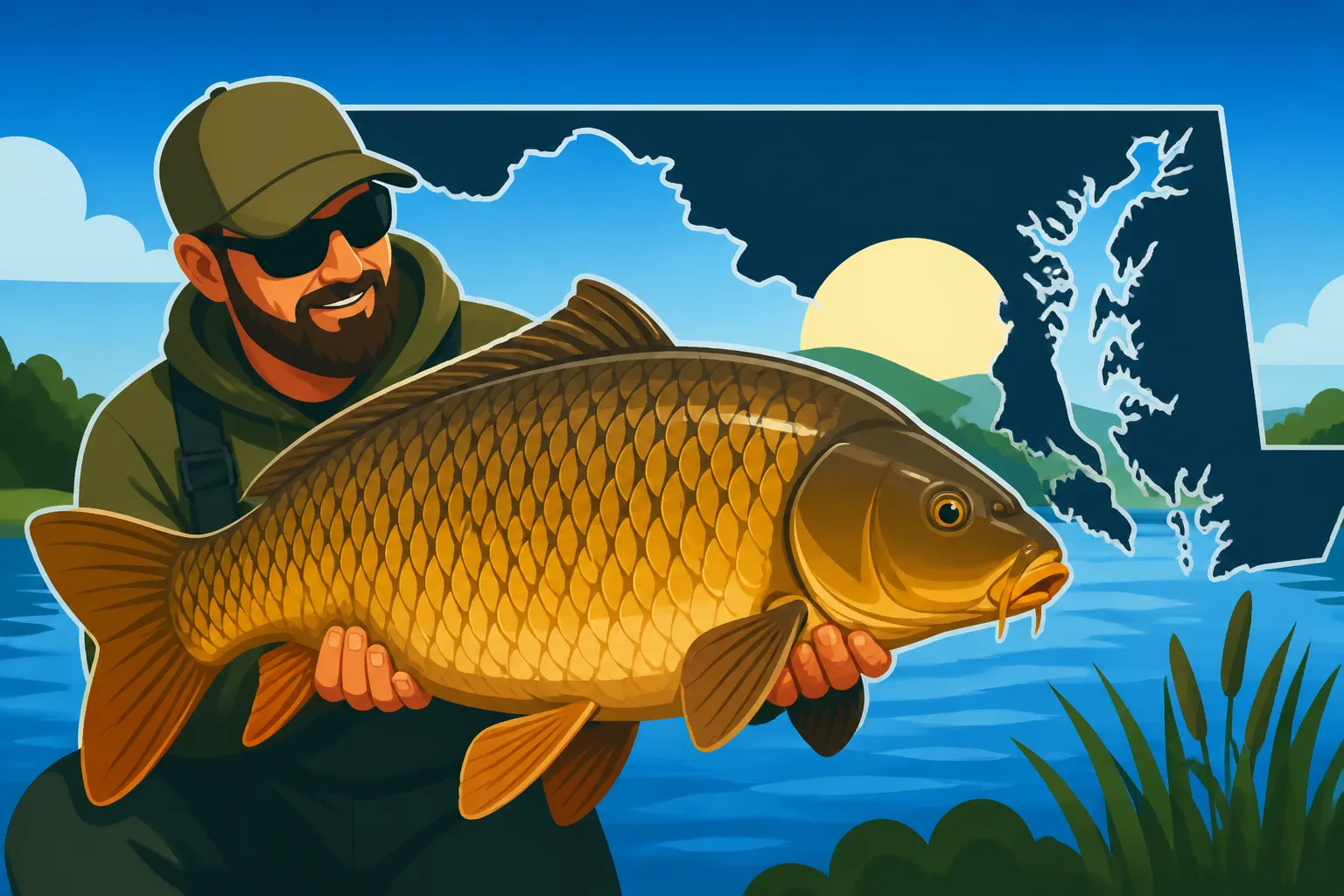
On average, most common carp caught in Maryland lakes and slower-moving rivers will fall into the 5 to 15-pound range. These are robust, strong fish that put up a fantastic fight on appropriate tackle. They're widespread and can be found almost anywhere there's suitable freshwater habitat. However, these averages only tell part of the story. Maryland is home to some truly enormous carp, fish that can bend rods, spool reels, and leave even experienced anglers breathless. It's not uncommon for dedicated carp anglers to regularly pull fish in the 20 to 30-pound class from our larger impoundments and tidal rivers.
The truly legendary common carp in Maryland can push the scales past 40 pounds, with some exceptional catches rumored to approach or even exceed 50 pounds. These are truly trophy-sized fish, the result of years, sometimes decades, of growth in prime feeding grounds. Imagine hooking into a fish that's the size of a small dog, with the strength to match! These giants are out there, swimming in our local waters, waiting for the patient angler.
What Influences a Common Carp's Size and Growth?
Several key factors contribute to how large a common carp can grow in Maryland's diverse aquatic environments. It's not just about luck; the habitat, food availability, and even the carp's own genetic makeup play crucial roles in their development into true freshwater titans.
Habitat and Water Body Characteristics
The sheer size and depth of a water body are enormous influences on carp growth. Smaller ponds, while often teeming with carp, typically produce fish in the lower average range. They simply don't have the vast resources or stable environment to support the growth of true monsters. However, when you move to larger lakes, expansive reservoirs like Loch Raven Reservoir for Largemouth Bass or Liberty Reservoir, or major river systems like Fishing the Potomac River in Maryland and the Susquehanna River, the potential skyrockets.
These larger waters offer several advantages for carp:
- Space to roam: More territory means less competition for prime feeding spots.
- Stable temperatures: Deeper water helps maintain more consistent temperatures, which is crucial for metabolic processes and growth throughout the year.
- Diverse ecosystems: Larger water bodies often have more complex ecosystems, providing a broader and more consistent food supply.
- Lower fishing pressure: In vast waters, carp can avoid anglers for longer periods, allowing them to mature and reach impressive sizes without being caught and removed.
The Chesapeake Bay tributaries, such as the Choptank and Nanticoke rivers, are also prime carp territory. Their fertile, often brackish waters are incredibly rich in the detritus and invertebrates that make up a large portion of a carp's diet. This constant buffet allows them to pack on the pounds.
Abundant Food Sources
Common carp are omnivorous bottom feeders, and Maryland's fertile waters are a paradise for them. They'll root around in the substrate, using their sensitive barbels to find a smorgasbord of food. Their diet is incredibly varied and opportunistic, consisting of:
- Aquatic invertebrates: Worms, insect larvae, mollusks, and crustaceans.
- Plant matter: Algae, roots, and decaying vegetation.
- Detritus: Decomposing organic material on the bottom.
- Small fish or eggs: While not their primary diet, they won't pass up an easy meal.
In nutrient-rich lakes and rivers, this constant availability of food means carp can spend less energy foraging and more energy growing. Areas with agricultural runoff or significant natural vegetation provide a particularly rich environment, essentially acting as a constant feeding trough that allows carp to reach their full genetic potential.
Age and Longevity
Simply put, older carp are larger carp. Common carp are known for their longevity, with some specimens living for 20 years or more in ideal conditions. In Maryland, where they face fewer natural predators once they reach a certain size and aren't always a primary target for anglers, they have a real chance to become true veterans of the waterways.
Consider a carp born in a large reservoir like Loch Raven. If it survives its vulnerable juvenile stage, it then benefits from years of abundant food and minimal pressure. Each year, it adds a little more size and weight, slowly but surely accumulating the mass that makes it a formidable catch. The fish in the 30 to 50-pound range aren't just big; they're old, wise, and have survived countless seasons, making them truly special catches.
Where to Find Maryland's Potential Trophy Carp
If you're looking to target those monster common carp in Maryland, you'll need to know where to focus your efforts. While carp are ubiquitous, certain locations consistently produce bigger fish due to the factors we just discussed.
Major Reservoirs and Lakes
Maryland's large reservoirs are fantastic places to hunt for trophy carp. These man-made lakes are deep, expansive, and incredibly fertile, offering carp everything they need to thrive.
- Loch Raven Reservoir (Baltimore County): Known for its excellent fishing, Loch Raven holds a healthy population of sizable common carp. The deeper sections and coves offer plenty of structure and food.
- Liberty Reservoir (Carroll/Baltimore Counties): Similar to Loch Raven, Liberty offers vast expanses of water where carp can grow unmolested.
- Prettyboy Reservoir (Baltimore County): This reservoir also boasts good carp populations, particularly in its shallower arms and creek mouths.
- Piney Run Reservoir (Carroll County): A bit smaller, but still capable of producing decent carp, especially for shore anglers.
When fishing these reservoirs, focus on areas with gradual slopes, muddy bottoms, and access to deeper water. Points, submerged humps, and creek channels can be hotspots.
Large Tidal Rivers and Tributaries
The tidal rivers feeding the Chesapeake Bay are arguably some of the best spots in Maryland for truly enormous common carp. The confluence of freshwater and brackish conditions, combined with vast estuarine habitats, creates a super-rich environment.
- Potomac River: From Washington D.C. downstream through Charles County, the Potomac is a renowned carp factory. Its muddy bottom, extensive weed beds, and slow currents are ideal. Sections near Fletcher's Cove or along the C&O Canal can be very productive. Remember to check regulations regarding Do You Need Both a Maryland and DC License to Fish the Potomac?.
- Susquehanna River: Especially the lower sections and the Fishing the Susquehanna Flats in Maryland, the Susquehanna boasts massive carp. The rich, nutrient-filled waters provide an endless buffet.
- Choptank River (Eastern Shore): This Eastern Shore gem is incredibly fertile and holds huge carp, particularly in its upper tidal reaches and various creeks and coves near Cambridge.
- Nanticoke River (Eastern Shore): Another prime Eastern Shore river, the Nanticoke is known for its incredible catfish population, but it's also home to some very large common carp, especially in its muddy sections.
- Patuxent River: Moving south from its upper reaches, the tidal Patuxent River provides excellent opportunities for big carp.
These river systems are often less pressured for carp by recreational anglers compared to other species, allowing the fish to reach impressive sizes.
Navigating Fishing Regulations
Before you head out, always make sure you're up to date on Maryland's fishing regulations. While common carp typically have very liberal limits (often no limits at all, especially for invasive species), it's good practice to understand the general rules. You'll need a Maryland fishing license, and the type will depend on whether you're fishing tidal or nontidal waters. You can find comprehensive information on various licenses, such as the Maryland Fishing License Guide for 2026 or Maryland Nontidal vs Tidal Fishing License, Explained.
Targeting Maryland's Monster Carp: Tips and Techniques
Catching a truly giant common carp isn't usually a quick affair. It requires patience, the right gear, and a solid understanding of their habits. But the reward of battling one of these powerful fish is absolutely worth the effort.
Gear for the Fight
Forget your ultralight panfish setup; big carp demand heavy-duty gear.
- Rods: Look for medium-heavy to heavy action rods, typically 7 to 10 feet long. These provide the leverage needed to cast heavier baits and control a powerful fish.
- Reels: A robust spinning reel (size 4000-6000) or a baitcasting reel with a smooth, strong drag system is essential. Carp will make strong runs.
- Line: Spool up with 15-20 lb monofilament or 30-50 lb braided line. Fluorocarbon leaders (20-30 lb) can add abrasion resistance against submerged structures.
- Hooks: Strong, sharp hooks in sizes 2 to 6 are appropriate. Circle hooks are a great option for carp, promoting lip hooks and easy releases.
- Sinkers: You'll need enough weight to hold your bait on the bottom, especially in current. Pyramid or flat-sided sinkers in 1-4 oz are common.
You can find a wide range of specialized carp fishing tackle, including heavy-duty rod and reel combos or specific carp rigs, on platforms like Amazon. Don't skimp on quality here; a big carp will exploit any weakness in your gear.
Baits That Call to Carp
Common carp are not particularly picky eaters, but some baits are undeniably more effective than others, especially for attracting larger specimens.
- Corn: Canned sweet corn, either plain or flavored, is a classic and highly effective carp bait. You can fish it on a hair rig or directly on the hook.
- Dough Balls: A simple mixture of flour, water, and flavorings (like vanilla extract or Kool-Aid powder) can be deadly.
- Boilies: These are specialized, hardened baits, usually round, made from various ingredients (fishmeals, bird seeds, milk proteins). They are very popular with dedicated carp anglers and are often fished on hair rigs. You can often find a great selection of different boilie flavors and sizes on Amazon.
- Bread: Simple bread crusts or balls can be effective, especially when free-lined or lightly weighted.
- Worms/Nightcrawlers: While carp aren't strictly carnivorous, a juicy worm is hard to resist.
- Catfish Baits: Many baits effective for bottom-dwelling species like blue catfish (which are also abundant in many Maryland rivers) will also attract carp. You might learn a thing or two from techniques described in Best Bait for Blue Catfish in Maryland Rivers.
Pre-baiting an area (chumming) with corn or softened dog food for a day or two before fishing can significantly increase your chances of success by attracting carp and getting them accustomed to feeding in that spot.
Patience is Key
Carp fishing, especially for the larger ones, is often a waiting game. These fish can be wary and might take their time approaching a bait. Find a comfortable spot, cast out multiple rods with different baits, and settle in. Many dedicated carp anglers use bite alarms, which are electronic devices that signal when a fish takes the bait, allowing them to relax and wait without constant vigilance. When a carp hits, be ready for a strong, powerful fight. They are known for their long, sustained runs and deep dives. It's truly an exhilarating experience.
| Water Body Type | Typical Common Carp Size Range (lbs) | Max Potential (lbs) | Notes |
|---|---|---|---|
| Small Ponds/Lakes | 3 – 10 | 15+ | Limited growth due to space/food. |
| Medium Rivers/Lakes | 5 – 20 | 30+ | Good potential, consistent action. |
| Large Reservoirs | 10 – 30 | 40+ | Excellent for trophy fish, stable environment. |
| Major Tidal Rivers | 15 – 35 | 50+ | Best chance for true giants, rich food sources. |
Respecting the Resource and Other Species
While common carp are not native to Maryland and are considered an introduced species, they are an established part of our freshwater ecosystem. Many anglers practice catch and release with carp, especially the larger ones, to ensure these impressive fish continue to provide sport for others. Some anglers also choose to harvest smaller carp for the table, as they can be quite tasty when properly prepared.
Keep in mind that common carp often share habitat with other species. When you're out targeting them, you might also hook into impressive catfish, bass, or even Maryland Panfish: Crappie, Perch and Sunfish. Always be mindful of the regulations for all species in the waters you're fishing. Being prepared with the right net (a large, carp-specific landing net is invaluable for big fish) and unhooking mat will help ensure the health of any fish you catch and intend to release.
Ultimately, Maryland's common carp offer an exciting challenge for anglers willing to embrace a different kind of fishing. The potential for catching a true monster is very real, and the fight they put up is second to none.
Disclaimer
This article is for general informational purposes only and does not constitute professional advice. Laws, prices and regulations vary by location and change over time. Consult a qualified professional for guidance on your specific situation.