What Is a Sunfish Called Locally in Maryland?
If you've spent any time at all talking to fellow anglers around Maryland, especially those who grew up fishing the ponds, creeks, and smaller rivers, you've probably noticed something a little confusing: the same fish can have a dozen different names! This is particularly true when it comes to "sunfish," a broad category that might mean one thing to a biologist and something entirely different to your grandad on the Eastern Shore. This guide will help you decode the local lingo, understand which fish are actually being discussed, and appreciate the rich, sometimes bewildering, tapestry of Maryland's panfish nomenclature.
Understanding the "Sunfish" Umbrella in Maryland
When someone says "sunfish" in Maryland, they're usually referring to a whole family of smaller, disc-shaped freshwater fish. It's a bit like saying "dog" – it could be a chihuahua or a Great Dane, but they're all dogs. In the fishing world, particularly with these smaller species, local names often take precedence over scientific classifications, leading to plenty of head-scratching for newcomers or those visiting different parts of the state.
The Scientific vs. Common Name Confusion
From a scientific standpoint, "sunfish" primarily refers to the family Centrarchidae, which includes popular game fish like largemouth bass, smallmouth bass, and crappie, alongside the smaller, colorful species we typically associate with the name. However, when anglers talk about "sunfish," they're almost always zeroing in on those smaller members of the family that are known for their vibrant colors, feisty fights on light tackle, and readiness to bite. Think of it as a loose collection of species that generally fit a certain look and size, rather than a strict biological grouping in casual conversation. This informal grouping is why you might hear a bluegill called a "bream" in one county and a "perch" in another, while a crappie, also a sunfish family member, retains its distinct name.
Key Characteristics of Maryland Sunfish
Despite the naming chaos, most of the fish commonly referred to as "sunfish" in Maryland share some distinct traits. They tend to be relatively small, often ranging from just a few inches up to a foot in length, making them perfect targets for kids or anglers seeking consistent action. Their bodies are typically deep and laterally compressed, giving them that classic "panfish" shape that fits perfectly in, well, a pan! Many species exhibit stunning colors, especially during spawning season, with iridescent blues, greens, oranges, and reds adorning their fins and opercula (gill covers). You'll find them in a variety of freshwater habitats, from placid farm ponds and slow-moving rivers to the quieter coves of larger lakes. Their diet generally consists of insects, small crustaceans, and other aquatic invertebrates, making them eager biters on a wide array of small baits and lures.
Why Local Names Emerge
The divergence in local names is a fascinating aspect of fishing culture, and Maryland is no exception. Several factors contribute to this phenomenon. Historically, before widespread communication and standardized regulations, communities named fish based on their appearance, perceived behavior, or even how they tasted. For instance, a fish with a reddish belly might be dubbed a "redfin," regardless of its scientific species. The sheer abundance of these fish in almost every freshwater body also meant that they were a staple for many families, leading to deeply ingrained local traditions and terminology. Moreover, when settlers from different regions moved into Maryland, they often brought their own familiar names for similar-looking fish, which then blended, or sometimes clashed, with existing local terms. The result is a rich, often confusing, lexicon that varies from the mountainous west to the flat Eastern Shore. It's not uncommon to hear a bluegill referred to as a "bream," "sunny," or "pond perch" all within a relatively short drive, depending on who you're talking to.
Common Sunfish Species and Their Local Monikers
Maryland is home to several species of sunfish, each with its own unique characteristics and, often, a collection of local nicknames that vary by region and even by individual angler. While many anglers lump them all under the generic "sunfish" or "panfish" umbrella, recognizing the individual species can actually improve your fishing success and help you stay compliant with regulations.
Bluegill: The Ubiquitous "Bream"
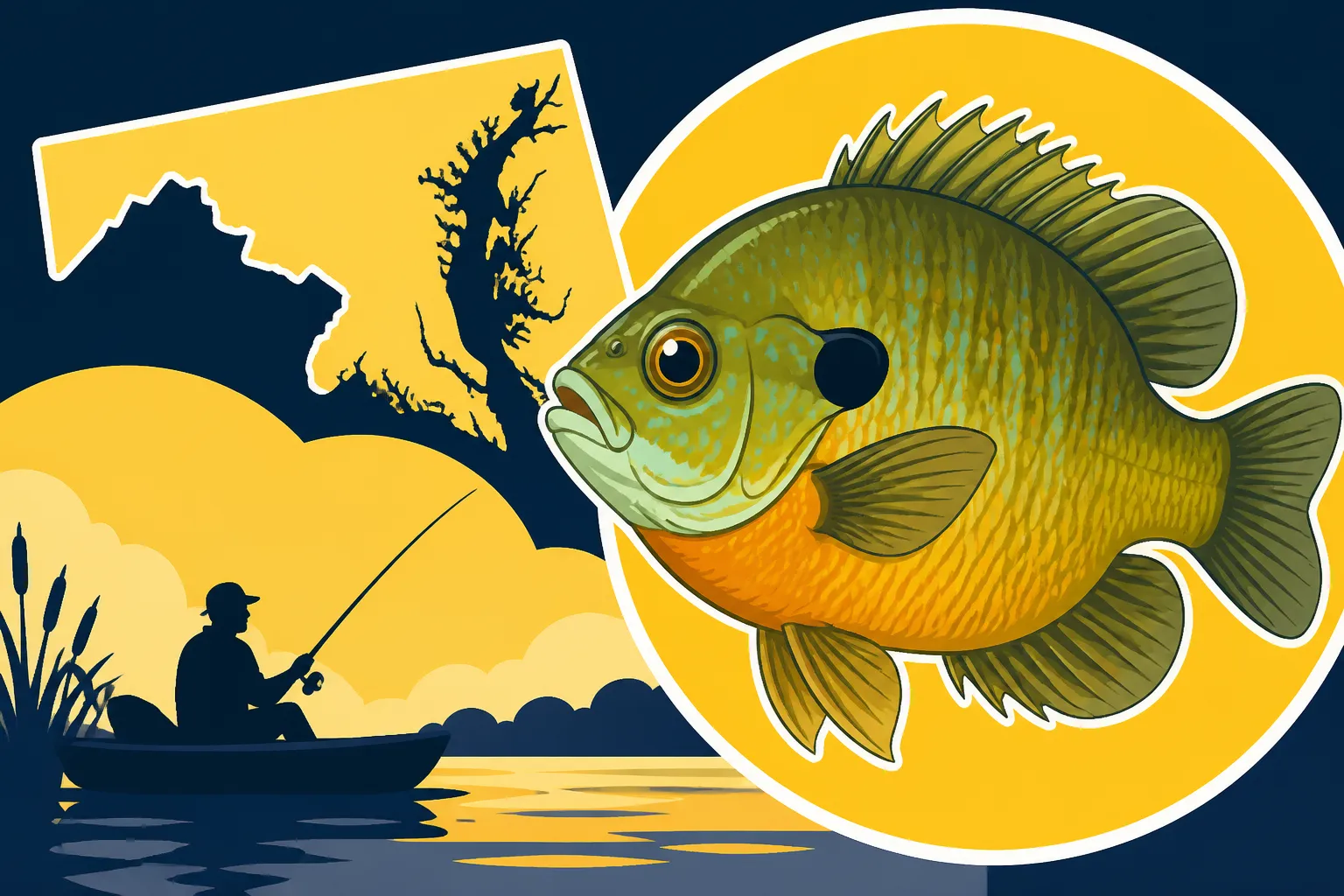
Ah, the bluegill! If there's one fish that epitomizes "sunfish" for most Marylanders, it's this incredibly common and popular species. You'll find bluegill in virtually every pond, lake, and slow-moving river throughout the state. They are easily identified by their small mouth, deep body, and a distinctive dark spot on the posterior edge of their gill cover (often with a lighter margin). During spawning season, males develop a vibrant orange or reddish belly.
Locally, the bluegill is almost universally known as "bream" (pronounced "brim") throughout much of Maryland, especially on the Eastern Shore and in Southern Maryland. You might also hear them called "pond perch" in some areas, or simply "sunny." Regardless of the name, these feisty fighters are a blast to catch and make excellent table fare. If you're looking for a good time with the kids or just want some consistent action, targeting what the locals call "bream" is always a solid bet. They are definitely a core part of Maryland Panfish: Crappie, Perch and Sunfish.
Pumpkinseed: The Colorful "Sunny"
The pumpkinseed is another widely distributed and incredibly beautiful sunfish found in Maryland. While similar in shape to the bluegill, they are often even more brilliantly colored. Look for iridescent blue-green stripes radiating from their eyes, a speckled body, and a distinct bright orange or red spot on the posterior edge of their gill cover. They have a smaller, more upturned mouth than a bluegill.
In many parts of Maryland, the pumpkinseed is frequently referred to as a "sunny" or "sunfish," which makes perfect sense given their vibrant hues. Sometimes, anglers affectionately call them "punkie" or "punkinseed." They tend to prefer clearer waters with plenty of aquatic vegetation, making them a common catch in many of Maryland's smaller lakes and ponds. Catching a pumpkinseed is always a treat, as their colors truly pop, especially when freshly pulled from the water.
Redbreast Sunfish: The "River Bream" or "Long-eared Sunfish"
Moving into slightly different habitats, the redbreast sunfish is a favorite among anglers who frequent Maryland's rivers and larger creeks. As its name suggests, this species often boasts a striking reddish-orange breast and belly, particularly the males during breeding season. A key identifier is its elongated opercular (gill) flap, which is typically solid black and much longer than that of a bluegill or pumpkinseed. They also tend to have a more streamlined body shape, adapted for life in moving water.
Locally, you'll often hear the redbreast referred to as "river bream" or "long-eared sunfish," a direct nod to that prominent gill flap. In some circles, they might simply be called "redbreast." They thrive in clear, rocky, or sandy bottomed streams and river sections, often hiding around submerged logs, rocks, and undercut banks. These fish offer a strong fight for their size, and their preference for moving water makes them a distinct target compared to their pond-dwelling cousins.
Green Sunfish: The Aggressive "Goggle-eye"
The green sunfish is a somewhat less common, but equally feisty, member of Maryland's sunfish contingent. They have a stouter, chunkier body than bluegill or pumpkinseeds, with a noticeably larger mouth that extends back past the front of their eye. Their coloration is usually a drabber greenish-brown, often with iridescent blue spots on their body and fins. Look for a black spot at the base of their dorsal and anal fins, and sometimes a faint orange margin on their opercular flap.
Due to their larger eyes and somewhat aggressive nature, green sunfish are often locally called "goggle-eye" or "black perch." They are incredibly hardy and adaptable, often found in smaller, sometimes muddier, ponds and slow-moving streams where other sunfish might struggle. Their aggressive feeding habits mean they'll often hit lures and baits intended for larger fish, providing an unexpected surprise on the end of your line. Don't let their less vibrant colors fool you; they pull hard!
Other Notable Sunfish in Maryland: Warmouth, Longear, and Hybrids
While bluegill, pumpkinseed, redbreast, and green sunfish are the most commonly encountered, Maryland's waters are also home to a few other intriguing sunfish species and their fascinating hybrids.
The Warmouth is another robust, bass-like sunfish with a large mouth and reddish-brown, mottled coloration. They often have three to five dark lines radiating back from their eyes, giving them a distinct "mean" look. Warmouth prefer murky, vegetated waters and are sometimes caught when targeting bass in such environments. Locally, they might be called "goggle-eye" as well, further adding to the confusion with green sunfish.
The Longear Sunfish is a truly beautiful species, though less widespread than some others in Maryland. They are characterized by an exceptionally long, flexible opercular flap (hence the name) and vivid, wavy blue lines on their head. Their bodies are typically orange to red, making them a stunning catch. They prefer clear, rocky streams and rivers. You might hear them called "long-ear" or simply "river sunfish." For a deeper dive into the variety, check out How Many Sunfish Species Live in Maryland Waters?.
Then there are the Hybrids. It's incredibly common for different sunfish species to cross-breed, creating hybrid offspring. The most common is the "hybrid sunfish," often a cross between a bluegill and a green sunfish. These hybrids often grow faster and larger than their parent species, making them popular in stocked ponds. They can exhibit a mix of characteristics, making identification a fun challenge and adding to the diversity of local names. Many anglers simply call them "hybrid sunfish" or just "big sunnies."
Beyond the Basics: Why Local Names Matter to Anglers
Understanding the diverse local names for sunfish in Maryland isn't just a quirky exercise; it's genuinely helpful for a more enjoyable and successful fishing experience. It's all about communication, compliance, and connection.
Communication on the Water
Imagine you're at a popular fishing spot, chatting with a seasoned local angler. They might tell you, "The bream are really hitting over by that downed tree," or "We pulled some nice goggle-eyes out of that lily pad patch this morning." If you don't know that "bream" likely refers to bluegill and "goggle-eye" to green sunfish (or warmouth), you'll miss out on valuable real-time advice. Knowing the local lexicon helps you interpret their insights accurately and share your own experiences effectively. It fosters a sense of camaraderie, too; speaking the same "fish language" immediately makes you part of the local fishing community. This is especially true if you're exploring new areas and relying on advice from fellow fishermen, whether at a boat ramp or a local bait shop.
Bait and Tackle Shop Talk
When you walk into a local bait and tackle shop, say one of the friendly spots listed in Where to Buy a Maryland Fishing License in Person, you'll quickly realize that the staff often speak in local terms. Asking for "bait for sunfish" might get you a generic recommendation, but if you ask, "What are the bream hitting on today?" or "Do you have any small worms for punkies?", you're likely to get more specific and effective advice, perhaps even about a hot new lure you might find on Amazon. The shop owners and employees are often lifelong local anglers, and their knowledge is steeped in these regional terms. They can point you to the right small hooks, tiny bobbers, or specialized baits that are currently working for what they call the local panfish, whether it's an inline spinner or a classic cricket.
Fishing Regulations and Species Identification
Here's where local names can get a little tricky, and it's super important to remember the distinction: Maryland's fishing regulations are based on scientific species identification, not local nicknames. While it's fun to use local terms, you must know the actual species of fish you've caught to ensure you're complying with size and creel limits. For instance, there might be different Maryland Fishing Size and Catch Limits by Species for bluegill versus crappie, even though both are technically "sunfish" and might be lumped into casual conversation.
Fishing without a proper understanding of the regulations can lead to fines, even if you genuinely thought you were in the clear. Always refer to the official Maryland Department of Natural Resources (DNR) fishing guide for specific rules. If you're ever in doubt, identifying the species by its physical characteristics is paramount. Don't rely solely on a local name when it comes to keeping fish; always confirm the actual species to match it against the current regulations.
Gear and Techniques for Maryland Sunfish
Regardless of what you call them, sunfish are incredibly accessible and fun to catch, making them perfect targets for anglers of all skill levels, from beginners to seasoned pros looking for light tackle action. The beauty of sunfish fishing is its simplicity.
Simple Setups for Panfish
You really don't need fancy gear to get into sunfish. A basic ultralight spinning rod and reel combo is ideal. An ultralight setup, typically a rod around 5 to 6 feet long with a sensitive tip, paired with a small spinning reel spooled with 2 to 4-pound test monofilament line, is perfect for feeling those subtle bites and enjoying the fight of even a small sunfish. Lighter line allows your bait or lure to present more naturally and increases your chances of a bite.
You can find excellent, affordable ultralight combos that will last for years on platforms like Amazon, or at any well-stocked local tackle shop. Make sure your hooks are appropriately small, usually size 8 to 12, to fit their smaller mouths. A small bobber, split shot weights, and a handful of hooks are often all you need to get started.
Best Baits and Lures
Sunfish are not picky eaters, which is another reason they're so popular. Natural baits are almost always a winner.
- Worms: Red wigglers, earthworms, or even tiny pieces of nightcrawlers are irresistible. Thread a small piece onto your hook.
- Crabs and Grasshoppers: During warmer months, these terrestrial insects are excellent choices.
- Small Artificials: Tiny jigs (1/32 to 1/16 ounce) tipped with a small piece of plastic, a tiny spinnerbait, or even a fly can be incredibly effective. White, chartreuse, and black are often reliable colors.
- Corn or Bread: Surprisingly, these can sometimes tempt sunfish in pressured areas, mimicking natural food sources.
Presentation is key: keep your bait small and natural-looking. A slow retrieve or letting your bait sit under a bobber is often all it takes.
Prime Spots for Sunfish
One of the best things about sunfish is how widespread they are. You can find them in almost any freshwater body in Maryland.
- Ponds and Small Lakes: These are classic sunfish havens. Look for areas with lily pads, submerged logs, docks, or any kind of structure that offers cover. Many of Maryland's state parks offer great pond fishing; be sure to check Fishing License Requirements at Maryland State Parks.
- Slow-Moving Rivers and Creeks: In rivers like the Monocacy or some of the slower tributaries of the Chesapeake Bay, look for eddies, slack water behind obstructions, or areas with overhanging trees.
- Reservoirs: Places like Loch Raven or Liberty Reservoir often have excellent sunfish populations, especially in shallow coves. Best Maryland Lakes for Freshwater Fishing is a great resource for finding specific spots.
- Farm Ponds: If you have permission, private farm ponds are often teeming with sunfish, as highlighted in Best Farm Pond Fishing Access in Maryland.
Sunfish are generally found in shallower water, especially during warmer months, as they feed on insects and small organisms near the surface or in aquatic vegetation. Mornings and evenings are often the most productive times, but they can be caught throughout the day, particularly on overcast days. Exploring different areas within a given body of water will help you pinpoint where the "sunnies" are biting best. For broader ideas, check out Best Places to Fish in Maryland. Remember, a non-tidal license will cover your freshwater sunfish adventures. If you're curious about the difference, read Maryland Nontidal vs Tidal Fishing License, Explained. You can get information on costs for a non-tidal license in Maryland Resident Nontidal Fishing License Cost.
Maryland Sunfish: Local Names and Identification Guide
To help you keep track of Maryland's diverse sunfish, here's a quick reference table. Remember, these local names can overlap, so always prioritize the physical identification!
| Common Name | Key Local Monikers | Key Identification Features | Preferred Habitat |
|---|---|---|---|
| Bluegill | Bream, Pond Perch, Sunny | Small mouth, deep body, dark spot on gill cover with lighter margin, vertical bars (faint) | Ponds, lakes, slow rivers, abundant vegetation |
| Pumpkinseed | Sunny, Punkie, Punkinseed | Iridescent blue-green stripes on head, red/orange spot on gill cover, small mouth, speckled body | Clearer waters, heavy aquatic vegetation |
| Redbreast Sunfish | River Bream, Long-eared Sunfish | Elongated, solid black opercular flap, reddish-orange breast, streamlined body | Rivers, creeks, rocky/sandy bottoms |
| Green Sunfish | Goggle-eye, Black Perch | Large mouth extending past eye, stout body, drab green/brown, blue spots, black fin spots | Murky ponds, slow streams, very hardy |
| Warmouth | Goggle-eye, Mud Bass | Large mouth, mottled brown/reddish, three to five dark lines from eye, chunky body | Murky, vegetated waters, stumps |
| Longear Sunfish | Long-ear, River Sunfish | Exceptionally long, flexible opercular flap, wavy blue lines on head, vibrant orange/red body | Clear, rocky streams and rivers |
Navigating the world of Maryland fishing, especially when it comes to the smaller, panfish species, can feel like learning a new language. But embracing the local terminology for "sunfish" – whether it's "bream," "sunny," or "goggle-eye" – is part of the charm and connection to Maryland's rich angling heritage. While the names might vary, the joy of catching these feisty, colorful fish remains universally understood. So grab a light rod, a handful of worms, and head out to your favorite pond or creek. You're sure to find some great action, whatever you choose to call your catch!
Disclaimer
This article is for general informational purposes only and does not constitute professional advice. Laws, prices and regulations vary by location and change over time. Consult a qualified professional for guidance on your specific situation.