Golden Rainbow Trout Stocked in Maryland
Oh, the golden rainbow trout! Just uttering those words brings a little sparkle to an angler's eye, doesn't it? It's a truly special catch that brightens up any fishing trip, and if you're like many Maryland anglers, you might have heard whispers or seen dazzling photos of these vibrant fish. It's frustrating when you hear about these unique opportunities but don't know the first thing about where to find them or how to reel one in. This comprehensive guide is here to shed light on everything you need to know about the golden rainbow trout stocked in Maryland, from what they are to how you can increase your chances of catching one.
What Exactly is a Golden Rainbow Trout?
When you first lay eyes on a golden rainbow trout, it's natural to be taken aback by its stunning, almost iridescent yellow-gold hue. These aren't your typical silver-sided rainbows; they're a splash of sunshine in the water, and they definitely stand out! But what exactly makes them so distinct, and where do they come from?
More Than Just a Yellow Fish: Understanding its Genetics
A common misconception is that golden rainbow trout are a completely different species of fish, perhaps some exotic import. In reality, they are a genetic variant of the familiar rainbow trout (Oncorhynchus mykiss). Think of it like a naturally occurring color mutation, similar to how you might see a black squirrel among a population of gray ones. This unique coloration was first discovered in a wild rainbow trout in West Virginia back in the 1950s, and fishery managers quickly saw its potential.
Through selective breeding programs in hatcheries, these golden traits have been emphasized and propagated. They are bred specifically for that striking golden-yellow pigmentation, which is essentially a lack of the darker melanin that gives typical rainbow trout their silvery appearance. So, while they might look wildly different, biologically, they're still very much a rainbow trout, just with a much more flamboyant wardrobe! This breeding process ensures that enough of these unique fish are available for stocking purposes, adding that extra bit of pizzazz to our local waters.
Key Characteristics and How to Identify Them in Maryland Waters
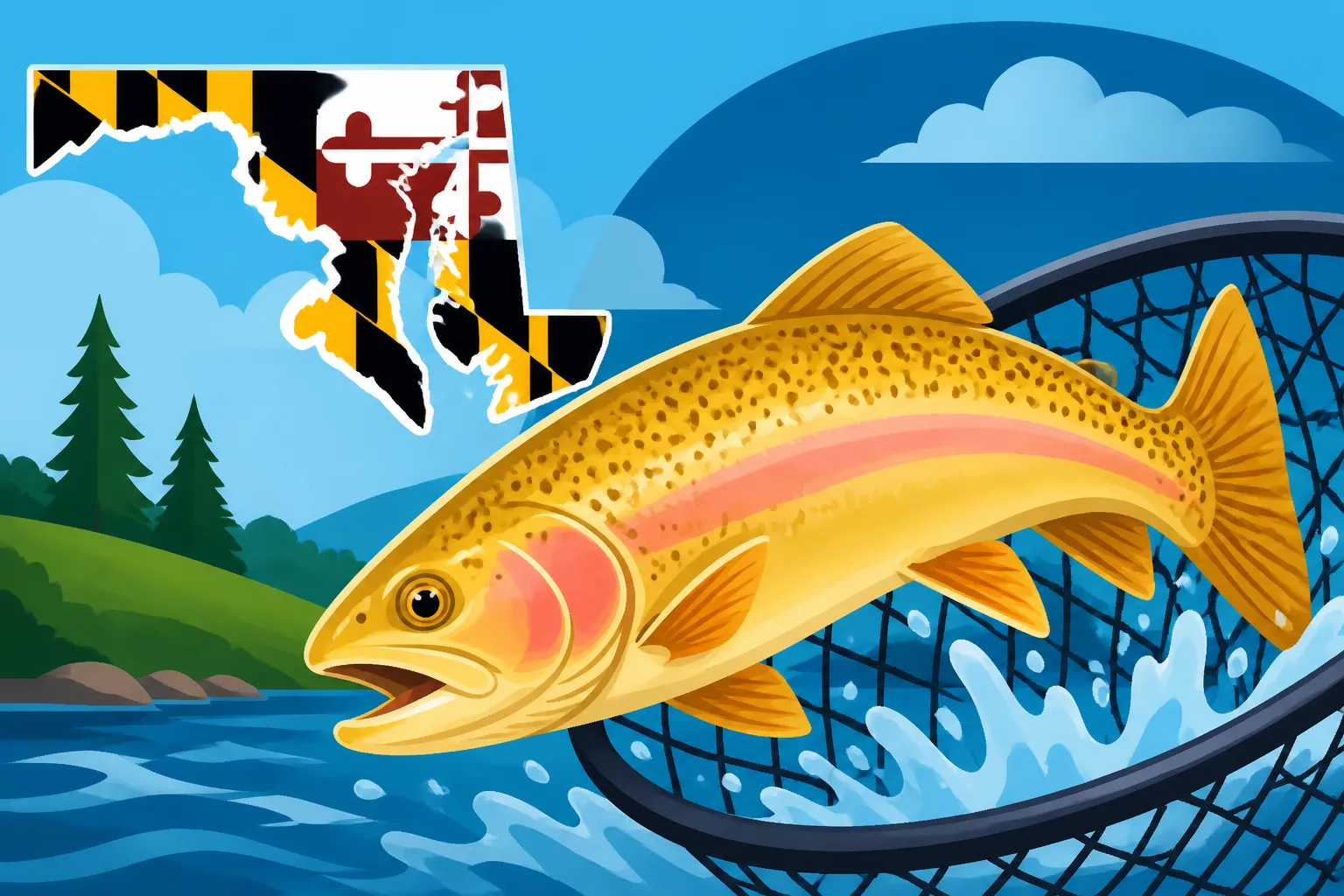
Identifying a golden rainbow trout is usually pretty straightforward because of its unmistakable color. The most prominent feature is their vibrant, uniform golden-yellow or even orange body, which can range in intensity. Unlike some other trout with distinct spots or patterns, the golden rainbow's body is typically solid in color. Often, they'll still display the characteristic pinkish or red lateral stripe that runs along their sides, just like a standard rainbow trout, but it might seem even more pronounced against the golden backdrop.
Don't confuse them with palomino trout, which are another variant that can have a yellowish tint but tend to be a lighter, creamier yellow with more of a "blonde" appearance and often retain some of the darker spotting patterns. Golden rainbows are much more uniformly and deeply colored. In terms of size, the ones stocked in Maryland typically range from 10 to 16 inches, similar to the catchable-size rainbow trout that the state regularly introduces into its waterways. They're stocked at a size that makes them an immediate and satisfying target for anglers.
Why Maryland Stocks Golden Rainbow Trout
You might wonder why Maryland's Department of Natural Resources (DNR) goes through the effort of raising and stocking these special, brightly colored trout. It's not just for show; there are very good reasons behind this practice, primarily focused on enhancing the angling experience for everyone in the state.
Enhancing Angler Experience and Fishing Excitement
Let's be honest: there's something incredibly exciting about catching a fish that looks distinctly different from the norm. Golden rainbow trout provide an undeniable "wow" factor. For many anglers, especially younger ones or those new to the sport, reeling in a fish that's literally gold can turn a good day into an unforgettable one. It creates a sense of rarity and the thrill of the chase for a unique specimen, even if they are hatchery-raised. This novelty factor is a huge draw.
The visual appeal of a golden rainbow trout is also fantastic for photographs. Imagine the vibrant picture of a golden fish against a lush Maryland backdrop—it’s the kind of photo that makes memories and encourages sharing, which in turn inspires more people to get out and fish. This deliberate stocking choice by the DNR is a way to boost participation in fishing, making it more engaging and accessible for families. It’s a bit of a fishing bonus, a special prize that adds a layer of adventure to what might otherwise be a regular trout outing.
Supporting the Put-and-Take Trout Program
Maryland has a robust "put-and-take" trout program, where fish are stocked in easily accessible waters with the primary intention of being caught by anglers. These waters often don't have the cold, clean conditions necessary for trout to reproduce naturally and thrive year-round, so stocking is essential to provide fishing opportunities. The golden rainbow trout fit perfectly into this model. When you're fishing in one of Maryland's Put-and-Take Trout Waters, What That Means, you're often targeting fish that are intended for harvest.
By stocking golden rainbows, the DNR provides a highly visible and exciting target for anglers participating in these programs. They stand out, making them easier to spot in the water (sometimes!) and adding an element of surprise when one takes your bait. This ensures a consistent and rewarding experience for anglers throughout the designated trout season. It also helps manage fishing pressure on wild trout populations, allowing natural streams to remain undisturbed while providing ample opportunities for harvest in stocked areas. It’s a win-win, really, providing fun for anglers and helping conservation efforts elsewhere.
Where to Find Golden Rainbow Trout in Maryland
So, you're convinced you want to try your luck at catching one of these shimmering beauties. The next logical question is: where do you go to find them? Maryland's DNR meticulously plans its stocking efforts to maximize angler success and distribute these unique fish across various locations.
Maryland's Stocking Program: Key Locations and Waterways
Golden rainbow trout are almost exclusively found in waters that are part of Maryland's put-and-take trout stocking program. This means you'll typically find them in publicly accessible streams, rivers, community ponds, and reservoirs that are regularly stocked with trout. While the specific list of locations can change slightly from year to year based on conditions and angler feedback, certain areas are consistently targeted. Western Maryland, with its cooler waters, is often a prime region for trout stocking, but many community ponds and smaller waterways across the state also receive allocations.
To pinpoint the exact spots, your best bet is always to consult the official stocking schedules released by the Maryland DNR. They publish this information online, and you can usually find detailed updates in the Maryland's DNR Fishing and Boating Guide, Explained. This guide is your bible for knowing which streams and ponds will be bursting with trout, including those golden gems. Common examples of waters that have received golden rainbows in the past include portions of the upper Gunpowder River, various Western Maryland streams, and numerous small ponds designated as "community fishing lakes" designed to be family-friendly and easily accessible.
Timing Your Trip: Best Seasons for Encountering Golden Rainbows
Timing is absolutely crucial when you're targeting stocked trout, and golden rainbows are no exception. They are typically stocked during the state's main trout stocking seasons: primarily in the spring and, to a lesser extent, in the fall. The spring stocking season, often kicking off with "preseason" stockings before the traditional opening day, sees the largest influx of fish. This is when the waters are cool and perfect for trout, and angler anticipation is at an all-time high.
Throughout spring, the DNR continues "in-season" stockings, replenishing waters frequently. If you want to increase your odds, aim to fish shortly after a reported stocking. These fish are fresh from the hatchery and often quite willing to bite. You can check the DNR's website or social media for real-time stocking updates. Fall stockings, while smaller in scale, can also offer fantastic opportunities, especially as the weather cools and crowds thin out. Remember that these are put-and-take fisheries, so the fish are there to be caught; they don't linger indefinitely, making recent stocking reports your best friend. For more details on the schedule, check out Maryland Trout Season, Month by Month.
Fishing Techniques for Golden Rainbow Trout
Catching a golden rainbow trout isn't dramatically different from catching a regular rainbow, but there are some nuances that can definitely tip the scales in your favor. These hatchery-raised fish have predictable behaviors and preferences that you can exploit.
Baits and Lures That Attract Their Attention
Golden rainbows, fresh from the hatchery, are often accustomed to a pellet diet, which makes them less wary of traditional baits. Your best bet for natural baits includes classic options like live worms (earthworms or mealworms), which provide both movement and scent. PowerBait, especially in vibrant colors like chartreuse, orange, or rainbow, is incredibly effective. These dough baits are designed to float off the bottom, putting them right in the fish's feeding zone, and they release an attractive scent that stocked trout can't resist. Corn kernels and salmon eggs are also popular choices.
For artificial lures, small inline spinners are fantastic. Think about brands like Rooster Tail, Mepps Aglia, or Panther Martin in sizes #0 to #2. Their spinning blades create flash and vibration that mimic small baitfish, grabbing a trout's attention. Small spoons, like Kastmasters or Little Cleos, in silver, gold, or bright colors, can also be very productive. The key is to present something enticing that either smells like food or looks like an easy meal. Many anglers find a good selection of these items readily available on Amazon, ensuring they're prepared for any trout encounter.
Rigging and Presentation Strategies for Success
When fishing for golden rainbow trout, using light tackle is generally the way to go. A light-action spinning rod (5'6" to 6'6") paired with a small spinning reel spooled with 4-6 lb test monofilament or fluorocarbon line is ideal. This setup allows for sensitive feel and accurate casting of light baits and lures.
Here are a couple of effective rigging strategies:
- Bottom Fishing with PowerBait/Worms: This is a classic for a reason. Use a small hook (size 8-12, often an egg hook), a small split shot or an adjustable slip sinker rig to keep your bait near the bottom, and a swivel to prevent line twist. Mold your PowerBait into a small, tear-drop shape to help it float off the bottom. If using worms, thread them on the hook to leave the ends wiggling. This setup ensures your bait is presented right where the trout are cruising along the streambed or pond bottom.
- Under a Bobber: For more active presentation, especially in ponds or slower-moving sections of streams, a bobber rig works wonders. Attach a small bobber a few feet above your bait (a small worm, PowerBait, or even a mini jig). The bobber helps suspend your bait at a desired depth and gives you a clear visual indicator when a fish bites. This can be especially fun for kids or when the trout are suspended higher in the water column.
Remember that these fish, especially right after stocking, can be less finicky than wild trout. They're often grouped up and looking for an easy meal. Patience is still key, but don't be afraid to experiment with different baits and presentations until you find what they're hitting on that day. For a detailed look at what baits work, check out Best Bait for Put-and-Take Trout in Maryland.
Regulations and Responsible Angling Practices
As exciting as it is to chase after golden rainbow trout, it's vital to remember that we're all guests in Maryland's natural resources. Understanding and adhering to the rules, and practicing responsible angling, ensures these opportunities continue for generations to come.
Understanding Maryland's Trout Fishing Regulations
Before you even cast a line, make sure you're properly licensed. In Maryland, almost all anglers over a certain age need a valid fishing license. This includes specific requirements for trout fishing, such as a Maryland Trout Stamp Requirements if you're fishing designated trout waters. Ignoring these can lead to fines and a less-than-pleasant interaction with DNR officials. You can learn all about what's required in the Maryland Fishing License Guide for 2026.
For stocked golden rainbow trout, the regulations are typically tied to Maryland's general put-and-take trout rules. This usually means a daily creel limit (how many fish you can keep) and sometimes a minimum size limit. However, for most put-and-take trout, the goal is harvest, so size limits are often relaxed or non-existent for the catchable-size fish they stock. Always double-check the latest Maryland Trout Daily Creel Limit and the current DNR guide, as regulations can change. It's also important to note that golden rainbows are rarely stocked in "Delayed Harvest" or "Trophy Trout" areas, which often have different catch-and-release or stricter size rules, precisely because golden rainbows are intended for harvest.
Catch and Release vs. Harvest: Making Ethical Choices
When it comes to golden rainbow trout, the "put-and-take" nature of their stocking means they are primarily intended for harvest. Fishery managers stock them to provide food and fun, acknowledging that these hatchery-raised fish are not typically meant to establish wild populations. Therefore, keeping your limit of golden rainbows is not only acceptable but often encouraged as part of the management strategy.
If you do choose to release a golden rainbow (perhaps you've already filled your limit, or you simply want to let it go), practice extreme care. Handle the fish minimally, keep it in the water as much as possible, and use a wet hand to support its belly. Remove the hook quickly, preferably with forceps or pliers, especially if using barbless hooks, which are a great choice for any trout fishing. However, due to their unique coloration and the way they are bred, they are often less robust than wild trout and may not survive as well after being handled, so be prepared to keep what you catch within the legal limits.
Beyond the Catch: Enjoying Your Golden Rainbow Trout
Congratulations! You've successfully landed one of Maryland's dazzling golden rainbow trout. Now what? The adventure doesn't end when the fish is in your cooler; it continues into the kitchen and beyond, creating lasting memories.
Preparing Your Catch: Taste and Texture
Golden rainbow trout are, at their core, rainbow trout, and that means they're absolutely delicious to eat. Their flesh is typically mild, flaky, and has a delicate flavor that many anglers enjoy. You won't find any significant difference in taste or texture compared to a standard rainbow trout of similar size. This makes them a fantastic option for a fresh, healthy meal.
Preparation is straightforward. After humanely dispatching your catch, make sure to clean it thoroughly. Gutting and scaling are usually all that's needed. From there, your culinary options are wide open. Pan-frying with a simple seasoning of salt, pepper, and lemon is a classic and hard to beat. Baking or grilling wrapped in foil with some herbs and butter also works wonderfully, locking in the moisture and flavor. Some folks even smoke them for a rich, savory treat. Don't be shy about experimenting – a fresh trout, especially one you caught yourself, is a culinary delight!
Creating Lasting Memories and Future Traditions
More than just a meal, catching a golden rainbow trout is about the experience and the memories you create. For families, these vibrant fish are an incredible way to introduce children to fishing. The excitement in a child's eyes when they reel in a "gold fish" is truly priceless and can spark a lifelong love for the outdoors. It makes fishing feel like a treasure hunt, a magical experience that transcends simply catching dinner. You can even find kid-friendly fishing kits on Amazon to get them started!
Think about the photos you'll take – that bright yellow fish gleaming in the sunlight, held proudly. These aren't just fish; they're conversation starters, trophies of a memorable day on the water. Many families make a tradition out of seeking out these special trout during stocking seasons, turning a simple fishing trip into an annual quest for golden glory. It's moments like these that foster connection with nature, teach patience, and create cherished family traditions that will be talked about for years to come. So go out there, chase that golden glimmer, and make some incredible memories!
| Feature | Golden Rainbow Trout | Regular Rainbow Trout |
|---|---|---|
| Coloration | Vibrant golden-yellow to orange | Silvery with iridescent hues |
| Lateral Stripe | Often pink/red, can be very prominent | Pink/red, can be subtle or vibrant |
| Body Markings | Generally solid, very few spots | Numerous small black spots |
| Origin | Genetic mutation, hatchery-bred | Wild populations or hatchery-raised |
| Stocking Purpose | Primarily for angler novelty/harvest | Food source and angling opportunity |
| Survival in Wild | Lower due to visibility and genetics | Better, especially in suitable habitat |
| Primary Appeal | Unique appearance, "trophy" feel | Sport fish, good eating |
Disclaimer
This article is for general informational purposes only and does not constitute professional advice. Laws, prices and regulations vary by location and change over time. Consult a qualified professional for guidance on your specific situation.