What Do Largemouth Bass Eat in Maryland Lakes?
As a Maryland angler, there’s nothing quite like the thrill of a largemouth bass exploding on your lure, but have you ever stopped to think about what exactly drives that aggressive feeding behavior? Understanding what largemouth bass eat in our diverse Maryland lakes is more than just a fun fact; it's the key to unlocking better fishing success, helping you choose the right baits, find the best spots, and anticipate their movements throughout the seasons.
The Opportunistic Hunter: A Broad Diet
Largemouth bass are truly apex predators in many of Maryland's freshwater systems, and a big part of their success comes from being incredibly opportunistic. They're not picky eaters; if it moves, fits in their mouth, and looks like a decent meal, they're probably going to try and swallow it. This broad diet means that their menu changes quite a bit depending on their size, the time of year, and what's readily available in their immediate habitat.
Juvenile Stages and Early Diet
When largemouth bass first hatch, they are tiny and vulnerable. Their world is dictated by what they can catch and consume to grow quickly. In these very early stages, we're talking about a microscopic menu. They start by feeding on plankton, which are tiny aquatic organisms drifting in the water. As they grow just a little bigger, their diet quickly expands to include various small insects and their larvae, like mosquito larvae or chironomids. Think about the small, almost transparent creatures you see darting around in shallow water; these are prime targets for young bass.
It doesn't take long for these juvenile bass to move up the food chain. Within weeks, sometimes even days, they'll start to prey on tiny invertebrates that are slightly larger, and critically, they’ll begin to nip at the fins of other smaller fish, even their own siblings. This rapid shift in diet is essential for their survival and growth, pushing them to constantly seek out bigger, more energy-rich meals. It's a "grow or be eaten" world out there, and these little guys learn to hunt fast.
The Versatility of Adult Largemouth Bass
Once a largemouth bass reaches a respectable size, typically over a pound or so, their diet becomes truly diverse. They are the definition of an ambush predator, perfectly camouflaged and poised to strike from cover. Their diet expands to include a staggering array of prey, making them one of the most exciting fish to target because you never quite know what they're going to hit.
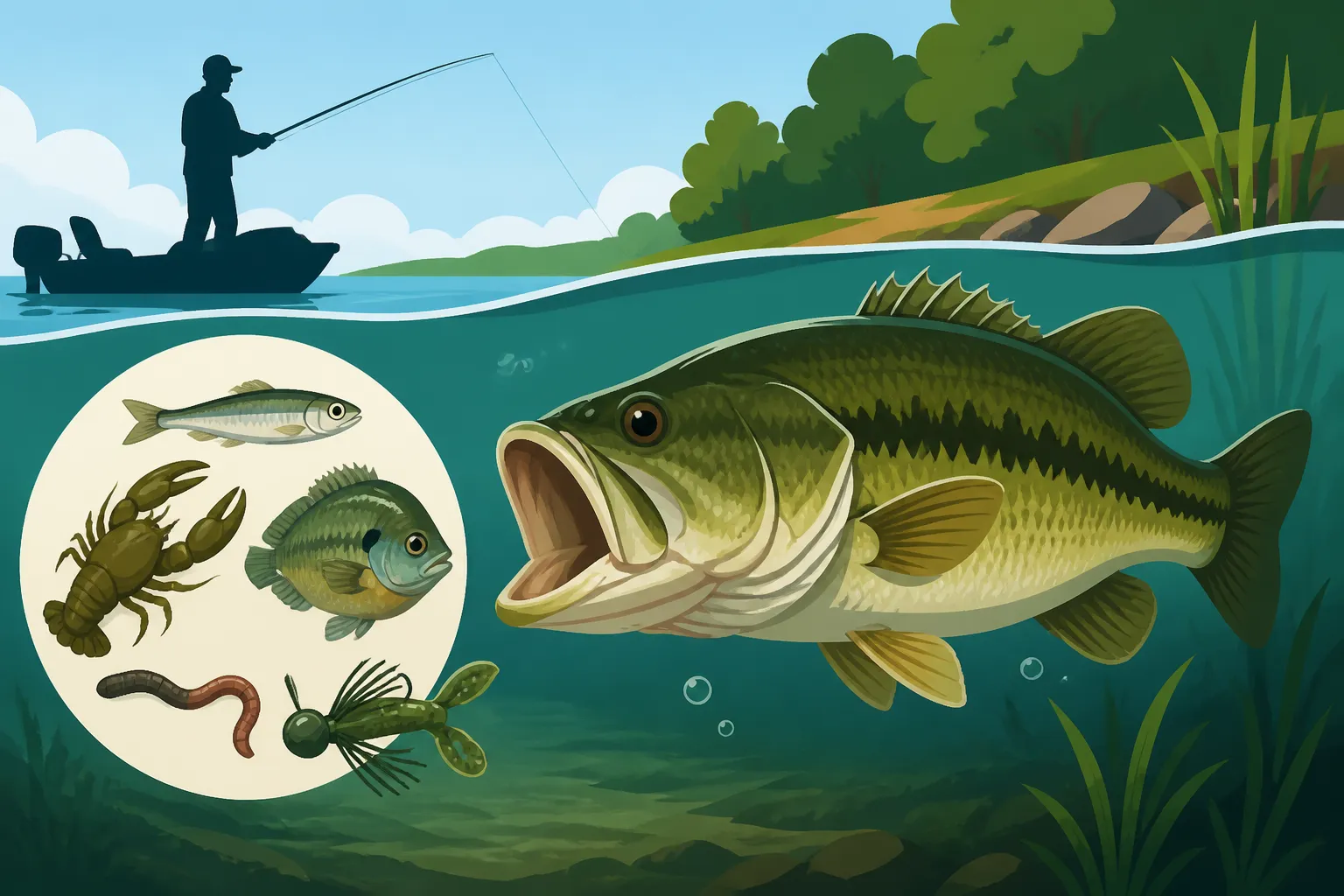
At the core of their diet are smaller fish. This is probably what most anglers think of when they imagine what a bass eats. But beyond fish, they'll readily consume crustaceans like crayfish, which are an absolute delicacy to a hungry bass. Amphibians, particularly frogs, are also high on their list, especially during warmer months. You might even be surprised to learn they'll sometimes snatch small reptiles, like a young water snake swimming across the surface, or even unwary small mammals, such as a mouse or a shrew that happens to fall into the water from overhanging branches. Large insects, too, play a significant role, particularly those that hatch or fall into the water. This incredible adaptability is why they thrive in so many of Maryland's diverse lakes and ponds.
Key Forage Species in Maryland Lakes
Knowing the general categories of food is one thing, but pinpointing the specific species that populate Maryland's lakes can really help refine your fishing strategy. Our waters offer a rich buffet for largemouth bass, and understanding these key forage species will guide your lure selection and presentation.
Primary Finfish Prey
When you're talking about the backbone of a largemouth bass's diet in Maryland, it's almost always other fish. They are piscivores by nature, meaning fish-eaters, and they excel at it.
- Minnows: Various species of minnows are a constant food source, especially for smaller to medium-sized bass. They're abundant and easy targets.
- Shad: Gizzard shad and threadfin shad are like candy to largemouth bass, particularly in larger reservoirs. They often school in open water, and bass will chase them down in aggressive feeding frenzies. Mimicking these baitfish with silver or white lures can be incredibly effective.
- Sunfish: Bluegill and pumpkinseed sunfish are incredibly common in virtually every Maryland lake and pond, making them a staple. Their round, flat profile is easily recognized by bass, and they're often found in the same shallow, weedy cover. Don't be surprised to catch a bass with a sunfish still twitching in its throat! The same goes for crappie, which are also often on the menu, especially smaller ones. If you're fishing areas known for Crappie Fishing in Maryland Reservoirs or Bluegill and Sunfish in Maryland Ponds, you're likely in a good spot for bass.
- Yellow Perch: In some of our larger, cooler lakes, yellow perch can also be a significant food source. Their distinctive patterns and schooling behavior make them attractive targets.
- Juvenile White Perch: While more associated with brackish and tidal waters, juvenile white perch can sometimes be found in the upper reaches of lakes connected to larger river systems, and bass won't hesitate to snack on them. Understanding How Water Temperature Triggers the White Perch Spawn? can give you clues about when these smaller fish might be more available.
- Smaller Bass: Yes, largemouth bass are cannibals! Larger bass will readily eat smaller bass. It's a tough world out there, and any weakness is an opportunity. This is why you might catch a decent bass on a swimbait designed to look like a small bass.
Crustaceans, Amphibians, and Reptiles
Beyond finfish, some of the most exciting and productive food sources for largemouth bass come from the less "fishy" categories. These critters often provide a high-calorie meal and trigger incredibly aggressive strikes.
- Crayfish (Crawfish): If there's one non-fish item that largemouth bass absolutely adore, it's crayfish. These freshwater crustaceans are abundant in many Maryland lakes, scuttling along the bottom or hiding under rocks and logs. Bass will actively root them out. Many popular bass lures, like jigs and soft plastic creature baits, are specifically designed to imitate crayfish. If you see crayfish in the shallows or on boat ramps, you know bass are likely feeding on them nearby.
- Frogs: There's nothing quite like a bass blowing up on a topwater frog lure. Frogs, whether they're bullfrogs, green frogs, or pickerel frogs, are frequently on the menu, especially when they're active around lily pads, heavy cover, or crossing open water. The sight and sound of a struggling frog on the surface is an irresistible invitation for a bass to strike.
- Salamanders and Small Snakes: While perhaps not as common as frogs or crayfish, salamanders are often found in aquatic vegetation and are a viable food source. Small water snakes, though less frequently consumed, are also fair game if they venture too close. These larger, protein-rich meals are opportunistic catches that bass won't pass up.
Beyond the Usual: Unexpected Meals
While baitfish, crayfish, and frogs form the core of a largemouth bass's diet, these fish are incredibly adaptable. They're not above seizing an unusual opportunity, and understanding these "bonus" meals can sometimes lead you to a surprising catch.
Insects and Terrestrial Critters
Maryland's lakes are teeming with insect life, both aquatic and terrestrial, and bass are keenly aware of anything that lands on or falls into the water.
- Dragonflies and Damselflies: These large, meaty insects are common around the shores and overhanging vegetation of our lakes. A dragonfly larva makes a good meal underwater, but an adult that crash-lands on the surface is an easy target for a bass looking up.
- Cicadas and Grasshoppers: During peak cicada broods or in areas with high grasshopper populations, these insects falling into the water can create a feeding frenzy. The loud splash and struggle of a large insect on the surface is a prime attractor. Many anglers use topwater poppers or small walking baits to mimic these struggling bugs, often with great success.
- Mice and Small Birds: This might sound a bit extreme, but it's true! A mouse that slips off a branch or a fledgling bird that falls from its nest near the water's edge becomes an instant, high-protein meal for a lurking bass. While you probably won't be actively targeting bass with mouse imitations every day, it speaks volumes about their opportunistic nature and willingness to strike at anything that presents a substantial meal. You can find some incredibly realistic mouse or bird lures on Amazon if you're curious to try something different, though they're definitely not for every situation!
The Role of Angler-Introduced Baits
Our understanding of what largemouth bass eat directly translates into the design of the lures we use. Every jig, crankbait, and soft plastic worm is crafted to mimic something on their natural menu, making them highly effective tools for anglers.
- Worms and Senkos: These soft plastic lures imitate various aquatic worms, leeches, or even small snakes. Their subtle fall and natural action are incredibly appealing, especially in clear water or when bass are finicky. A good selection of soft plastic worms is a must-have in any bass angler's tackle box, easily found on Amazon.
- Crankbaits: Designed to look and swim like baitfish, crankbaits come in different diving depths to imitate minnows, shad, or even small sunfish at various levels in the water column. The vibration and flash are key attractors.
- Jigs and Creature Baits: These are often used to imitate crayfish or other bottom-dwelling organisms. The jig's fall and the soft plastic trailer's waving appendages perfectly mimic a fleeing or defending crayfish, triggering a strong predatory response.
- Spinnerbaits and Chatterbaits: These lures combine flash, vibration, and profile to mimic a fleeing baitfish. They're excellent for covering water and provoking reaction strikes, especially in stained water or around cover. If you want to know more about How to Fish a Chatterbait for Maryland Largemouth Bass, check out our guide.
- Topwater Lures (Poppers, Frogs, Walking Baits): These are designed to imitate struggling baitfish, frogs, or large insects on the surface. They create commotion and visual appeal that makes bass smash them from below. For specific advice on using them, our Best Season for Topwater Bass Fishing in Maryland article is a great resource.
The wide variety of baits available, many of which you can conveniently browse and purchase on Amazon, directly reflects the diverse diet of the largemouth bass. Matching the hatch, or in this case, matching the prey, is a fundamental principle of successful bass fishing.
Factors Influencing a Bass's Menu
While largemouth bass are generally opportunistic, their diet isn't static. It shifts and evolves based on a few critical environmental factors, primarily the changing seasons and the specific characteristics of their habitat.
Seasonal Changes and Water Temperature
Water temperature is arguably the most significant factor dictating bass behavior and, consequently, their diet. Their metabolism is directly linked to the water's warmth, influencing how often and what they eat.
- Spring (Pre-spawn & Spawn): As water temperatures rise into the 50s and 60s Fahrenheit, bass become incredibly active. This is a crucial feeding period where they gorge themselves to build energy for spawning. They'll actively chase baitfish, crayfish, and anything else they can get their mouths on. Post-spawn, they're still recuperating and will feed aggressively again. Understanding What Water Temperature Do Bass Spawn at in Maryland? is crucial for anticipating this feeding pattern.
- Summer: In the heat of summer, bass often move deeper to find cooler, more oxygenated water during the day, or they'll seek dense cover. Their feeding might slow down during the midday sun, but they'll often feed actively during dawn, dusk, and at night. Their diet will still include fish, but they might also key in on frogs, insects, or even surface-dwelling critters that are more active in low light.
- Fall: As water temperatures drop from the summer highs, bass go into another intense feeding phase, often called the "fall feed." They're trying to pack on calories for the lean winter months. This can be one of the best times to catch them, as they aggressively chase large schools of baitfish, often focusing on shad or perch. Knowing the Best Month to Catch Largemouth Bass in Maryland often points to these transitional seasons.
- Winter: In the cold winter months, a bass's metabolism slows drastically. They become less active, often holding close to deep structure. Their feeding slows down, and they'll expend less energy chasing fast-moving prey. They might pick off slow-moving bottom dwellers like crayfish or lethargic baitfish, but their meals are less frequent and more opportunistic.
Habitat and Prey Availability
The specific characteristics of a Maryland lake or reservoir also play a huge role in what a largemouth bass finds on its dinner plate.
- Submerged Cover (Weed Lines, Hydrilla, Pondweed): Thick vegetation provides both ambush points for bass and hiding places for their prey. Lakes rich in hydrilla or lily pads will have bass that regularly feed on frogs, smaller sunfish, and insects that reside within the weeds.
- Open Water vs. Shorelines: Bass found in open-water situations, often near submerged humps or channel edges, will frequently target schooling baitfish like shad. Those that live closer to shore, particularly in shallow, brushy areas, might focus more on crayfish, small panfish, and terrestrial insects that fall in.
- Docks and Piers: These man-made structures provide shade, cover, and a substrate for algae and insects, attracting baitfish and crayfish. Bass frequently lurk under and around docks, waiting to ambush any unsuspecting prey. If you're Fishing Loch Raven Reservoir for Largemouth Bass, you'll notice how docks and bridge pilings are often prime spots.
- Water Clarity: In clear water, bass rely heavily on sight and can be pickier about their prey. In murky or stained water, they might rely more on their lateral line to detect vibrations, making rattling lures or baits with strong thumping actions more effective, mimicking a fleeing or distressed animal.
By observing your surroundings, understanding the time of year, and recognizing the types of forage that naturally occur in Maryland's diverse fishing environments, you can significantly increase your chances of hooking into that trophy largemouth.
| Prey Type | Common Examples in Maryland Lakes | Mimicking Lures (Found on Amazon) |
|---|---|---|
| Finfish | Minnows, Shad, Bluegill, Crappie, Yellow Perch | Crankbaits, Spinnerbaits, Swimbaits, Jigs |
| Crustaceans | Crayfish | Jigs with plastic trailers, Creature Baits |
| Amphibians | Frogs, Salamanders | Topwater Frogs, Soft Plastic Lizards |
| Insects | Dragonflies, Cicadas, Grasshoppers, Aquatic Larvae | Poppers, Walking Baits, Small Jigs |
| Small Mammals | Mice, Shrews (opportunistic) | Topwater Mouse/Rat Baits (specialty) |
Disclaimer
This article is for general informational purposes only and does not constitute professional advice. Laws, prices and regulations vary by location and change over time. Consult a qualified professional for guidance on your specific situation.