Flounder Size Limit Change in Maryland
Oh, the constant dance with fishing regulations! It feels like just when you get comfortable with the rules, they shift again, leaving you scratching your head at the dock or while planning your next trip. Maryland anglers, especially those who love chasing flounder, know this frustration all too well. The good news is, understanding why these size limits change, and what the current requirements mean for your tackle box and technique, can turn that frustration into a more successful and compliant fishing experience. This comprehensive guide will break down the evolving world of Maryland's flounder size limits, helping you adapt and continue to enjoy targeting these delicious flatfish.
Understanding Why Flounder Regulations Change It's Not Just to Annoy You!
It's easy to feel like regulatory bodies are just trying to make life harder for the average angler. One day you're happily keeping a certain size flounder, the next you're tossing back what would have been a keeper just a month prior. But trust me, these changes aren't arbitrary. There's a whole lot of science and interstate cooperation that goes into every single tweak, all aimed at ensuring we have flounder to catch for generations to come.
The Science Behind the Decisions
At the heart of every regulation change is a robust effort by fisheries biologists to assess the health of the flounder population. Think of it like a doctor monitoring a patient's vital signs. They look at things like how many flounder are out there (the stock assessment), how many young fish are surviving to reproduce (recruitment), and how many fish are being caught by recreational and commercial anglers (fishing pressure). If the numbers start to trend in a concerning direction – maybe fewer young fish are making it, or too many large, spawning-aged flounder are being harvested – then changes become necessary.
These scientific assessments are incredibly complex. They involve analyzing catch data from anglers, conducting independent surveys, and understanding the life cycle of the flounder, which includes things like their spawning grounds, migratory patterns, and how quickly they grow. When a change in size limit or creel limit is proposed, it's often because the data is showing that current harvest levels are unsustainable, or that there aren't enough mature fish in the water to keep the population robust. It's a tricky balance between allowing people to enjoy fishing and protecting the resource, and it often leads to those head-scratching moments for us on the water.
Interstate Management and the Bigger Picture
What many anglers might not realize is that flounder don't carry a Maryland passport. These fish, especially the summer flounder (our primary target), are highly migratory, moving up and down the Atlantic coast. This means that a healthy flounder population isn't just Maryland's responsibility; it's a shared concern among many states. This is where organizations like the Atlantic States Marine Fisheries Commission (ASMFC) come into play.
The ASMFC coordinates fisheries management across all the Atlantic coastal states, developing coast-wide management plans for species like flounder. Maryland, along with states like Virginia, Delaware, and others, participates in this process. So, when you see a flounder size limit change in Maryland, it's often part of a larger, regional effort. If, for instance, a coast-wide stock assessment suggests that the overall flounder population is struggling, the ASMFC might recommend stricter measures across all participating states. Maryland then works to implement regulations that align with those regional goals, sometimes leading to adjustments that can feel sudden or drastic locally. It's a complex puzzle where one state's actions, or lack thereof, can impact the health of the fishery for everyone else. This inter-state cooperation ensures that efforts aren't undermined by differing rules from one state line to the next. You can often find a good overview of these broader decisions in Maryland's DNR Fishing and Boating Guide, Explained.
The Specifics of Maryland's Flounder Size Limits
Once you understand why regulations change, the next step is knowing what the current rules are. This is crucial not only for compliance but also for planning your fishing trips. Misinterpreting a size limit can quickly turn a great day on the water into a costly mistake.
Current Minimum Size and Creel Limits
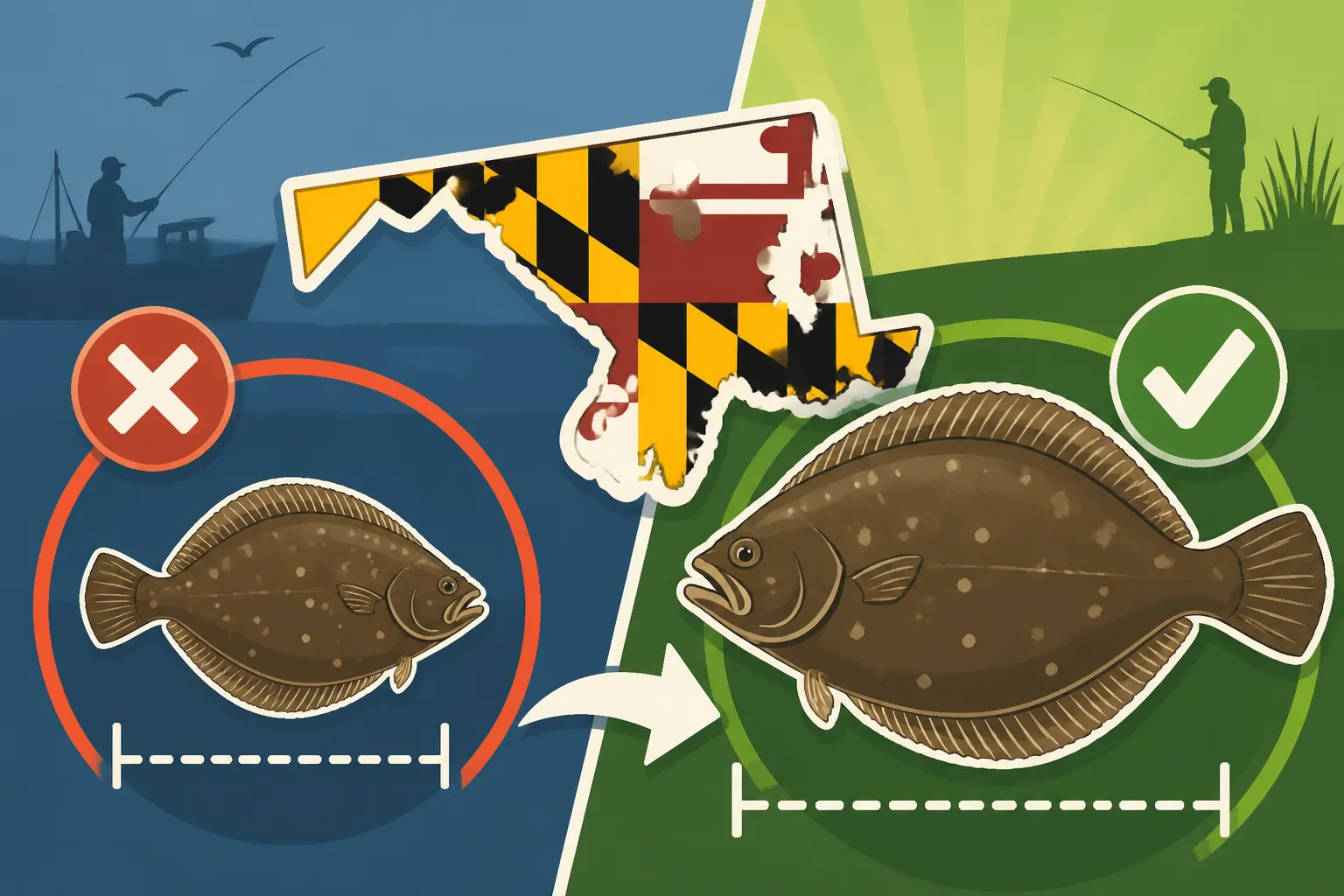
Maryland's flounder regulations are dynamic, meaning they can and do change. While I can't give you a real-time, exact measurement because regulations are subject to updates, the structure generally includes a minimum size limit and a daily creel (or bag) limit per angler. Historically, these limits have fluctuated, sometimes being 17 inches, sometimes slightly more or less, and daily limits often hovering around 4 fish per person.
The minimum size means any flounder you catch that measures less than this length must be immediately returned to the water, unharmed. The creel limit dictates the maximum number of legal-sized flounder you can keep in a single day. For example, if the minimum size is 17 inches and the creel limit is 4 fish, you must release any flounder under 17 inches, and you cannot keep more than four flounder, even if they are all over 17 inches. It’s absolutely vital to check the Maryland Department of Natural Resources (DNR) website or their official guide for the most up-to-date and exact numbers before you head out. This information is usually detailed under Maryland Fishing Size and Catch Limits by Species.
How to Measure Your Catch Correctly
This might sound like a no-brainer, but there's a right way and a wrong way to measure a fish, and getting it wrong can lead to fines. Flounder, with their unique shape, require a specific technique.
Here's the standard, universally accepted method:
- Lay the fish flat: Place the flounder on a flat surface, ideally a measuring board or a ruler that clearly shows inch markers. Make sure it's not curved or bent.
- Pinch the tail: Gently squeeze the tail fin together to get the maximum possible length. Don't stretch the fish, but ensure the tail is fully extended.
- Measure from snout to tail: Measure from the tip of the snout (the closed mouth) straight to the end of the pinched tail. This is the "total length."
It's astonishing how often anglers mismeasure, either by letting the fish curl, not pinching the tail, or measuring to the fork of the tail instead of the furthest point. Even a quarter-inch can make a difference between a legal fish and a violation. Invest in a good, rigid measuring board. You can find excellent, durable options that float, or even adhesive measuring tapes for your cooler or boat, on sites like Amazon. Having a reliable, easy-to-read measuring device is just as important as having the right bait.
Navigating the Flounder Season and Closures
Just like size and creel limits, the calendar itself dictates when and where you can chase flounder. Understanding the seasons and why certain closures exist is paramount for responsible angling and maximizing your chances of success.
Open Seasons for Flounder Fishing
Maryland's flounder fishing season is generally open for a significant portion of the year, particularly during the warmer months when these fish are more active and accessible in our coastal bays and the Chesapeake Bay. Typically, you'll find prime flounder fishing opportunities from spring through fall, with peaks often occurring in early summer and again in late summer/early fall. These periods align with flounder migrations and their feeding patterns as they move into shallower, warmer waters to feed before heading back to deeper, offshore areas for winter.
However, it’s not a static, year-round open door. The exact start and end dates of the season, and any potential mid-season adjustments, are also subject to scientific review and management decisions. These dates are crucial to note, as fishing outside of the open season, even if you’re catching and releasing, can still be a violation. Always consult the official Maryland DNR regulations each year, as they provide the precise window during which flounder fishing is permitted. This information will often clarify nuances between different water bodies, like the coastal bays near Ocean City versus the mainstem Chesapeake Bay.
Why There Are Flounder Season Closures
The concept of a "closed season" can be perplexing, especially when the weather is perfect for fishing. But these closures are implemented for very specific, biological reasons, primarily centered around protecting flounder during critical life stages, especially spawning.
Imagine trying to reproduce when there’s constant disturbance. For flounder, closures are designed to give them a reprieve from fishing pressure during their most vulnerable times. This might include periods when they are aggregating in specific areas to spawn, or when juveniles are particularly fragile. By reducing fishing activity during these sensitive windows, managers aim to:
- Protect Spawning Stocks: Allowing adult flounder to reproduce undisturbed helps ensure a healthy next generation.
- Reduce Bycatch Mortality: Even if you're targeting other species, flounder can be inadvertently caught. Closures help minimize this "incidental" mortality during sensitive periods.
- Allow for Population Rebuilding: If a stock is assessed as being in decline, a closure can provide a much-needed break to allow the population to recover.
These closures, though inconvenient at times, are a testament to the long-term commitment to fisheries health. They are a tool to manage the resource, ensuring that the thrill of hooking a flounder remains a possibility for years to come. During these closure periods, you might pivot your focus to other abundant species, or explore techniques covered in articles like Maryland Blue Catfish Limit, or Lack of One.
Gear and Techniques: Adapting to Smaller Limits (or Fewer Fish)
When regulations tighten, it forces us anglers to get smarter about our gear and techniques. It's not just about catching any fish anymore, but about catching legal fish efficiently, and ensuring the survival of those we release.
Choosing the Right Tackle for Flounder
Flounder fishing isn't typically about brute strength; it's more about finesse and presentation, especially with the potential for more precise size limits. Your tackle setup plays a significant role in both your success and your ability to safely release undersized fish.
- Rods: A medium-light to medium action spinning rod, around 6 to 7 feet long, is usually ideal. This length provides good casting distance for shore or pier fishing and enough backbone to handle a decent flounder, while still being sensitive enough to detect subtle bites.
- Reels: Pair your rod with a reliable spinning reel in the 2500-4000 size range. It should have a smooth drag system, which is crucial for fighting larger fish without breaking your line or tearing the hook out of a flounder’s mouth.
- Line: Many anglers prefer braided line (10-20 lb test) for its sensitivity and low stretch, which helps detect those light flounder bites. A fluorocarbon leader (15-25 lb test) of 18-36 inches is often tied to the braid. The leader provides abrasion resistance against structure and is less visible to the fish.
Using tackle that's too heavy can make it harder to feel the bite, and can overtire smaller fish, reducing their chances of survival upon release. Conversely, gear that's too light can lead to prolonged fights, which also stresses the fish. A balanced setup makes the experience more enjoyable and responsible.
Best Baits and Lures for Maryland Flounder
Flounder are opportunistic bottom feeders, so a variety of baits and lures can be effective. The key is presenting them near the bottom where flounder ambush their prey.
- Live Bait: This is often the undisputed king for flounder. Small minnows, peanut bunker, and even juvenile spot (if legal to use as bait) are incredibly effective. A live bait rig typically involves a sinker on the bottom, with one or two snelled hooks on dropper loops above it, allowing the bait to swim just off the bottom.
- Cut Bait: Squid strips are a classic and readily available option. Their scent and white color are very attractive to flounder. Strips of bluefish, bunker, or even the belly of a previous catch can also be excellent. Thread the strip onto the hook so it has a fluttering action.
- Artificial Lures: Soft plastic baits, particularly those scented like the Berkley Gulp! line (shrimp, grub, or swimming mullet patterns), are highly popular and effective. They can be jigged directly or tipped onto bucktail jigs. Bucktails themselves, often dressed with a soft plastic or a strip of cut bait, are fantastic for enticing aggressive bites. Check out Best Bait for Flounder in Ocean City for more specific recommendations. When you're stocking up, Amazon is a great resource for a wide variety of these baits and lure options, often with different colors and sizes to match conditions.
The presentation often involves a slow retrieve, bouncing your rig or lure along the bottom, or drifting with the current, especially in channels or near structure. Understanding Drifting vs Anchoring for Flounder in Maryland can make a huge difference in your success.
Best Practices for Catch-and-Release
With minimum size limits in place, catch-and-release is an unavoidable part of flounder fishing. Being prepared to release undersized fish effectively is not just about compliance; it's about being a responsible angler and contributing to the health of the fishery.
Minimizing Stress on Undersized Flounder
Catching an undersized fish, especially one that's close to the legal limit, can be disappointing. But how you handle that fish determines its survival. Our goal is to give that released flounder the best possible chance to swim away healthy and grow into a future keeper.
Here are key strategies for minimizing stress:
- Handle with Care: Reduce the amount of time the fish is out of the water. Flounder, being flat, are prone to internal organ damage if held improperly or dropped. Use both hands if possible, supporting their body.
- Wet Hands: Always wet your hands before touching a fish. Dry hands can remove the protective slime coat, leaving the fish vulnerable to infection.
- De-hook Quickly: If the fish is hooked in the lip or corner of the mouth, a pair of pliers or a de-hooking tool can quickly remove the hook. Avoid excessive struggling.
- Cut the Line (Deep Hooks): If a flounder has swallowed the hook deeply, attempting to extract it can cause fatal damage. It’s often better to simply cut the line as close to the hook as possible. Studies show that hooks, especially plain steel ones, can rust out or be encapsulated by the fish's body, giving it a better chance of survival than a forceful extraction.
- Revive If Necessary: For fish that seem lethargic after the fight, gently hold them in the water, facing into the current, until they regain strength and can swim away under their own power.
Responsible catch-and-release practices are a cornerstone of modern fisheries management, and every angler plays a part in its success.
When to Keep and When to Release
Beyond the legal minimum size and creel limits, there’s an ethical dimension to deciding which fish to keep. This personal choice can also contribute to conservation efforts.
Consider these points:
- Are you going to eat it? Don't keep fish just to fill a cooler or for bragging rights if you don't intend to consume them. Fresh flounder is delicious, but wasting fish is poor form.
- Is it a breeder? Sometimes, the largest fish in the population are the most prolific spawners. While they might be legal to keep, releasing an exceptionally large flounder can benefit the gene pool and future generations. This is especially true for female flounder.
- Quality over Quantity: Instead of trying to hit your creel limit every time, consider keeping just one or two nice-sized fish for a meal. This reduces your overall impact on the fishery.
- The "Double Check": If a fish is right on the edge of the legal size, it's often a good practice to err on the side of caution and release it. A fish that measures 16.9 inches on your ruler might be 16.7 inches on a warden's, and that difference could be costly.
Ultimately, balancing the thrill of the catch with the responsibility to the resource is what makes for a truly great angler. The Maryland DNR provides general guidance on Maryland Catch and Release Rules During Closed Seasons which reinforces these principles.
Where Maryland's Flounder Are Found (and How Regulations Affect These Spots)
Understanding flounder biology means knowing where they like to hang out. Changes in regulations can sometimes shift fishing pressure, but the prime flounder real estate generally remains the same.
Popular Flounder Habitats
Maryland offers a diverse range of habitats where flounder thrive, primarily in our saltwater and brackish waters. Knowing these hotspots can greatly increase your chances of success.
- Ocean City Inlet and Coastal Bays: This is arguably Maryland's most famous flounder destination. The swift currents, sandy bottom, and abundance of baitfish in the Ocean City Inlet create ideal ambush points for flounder. The surrounding coastal bays, like the Isle of Wight Bay and Assawoman Bay, with their network of channels, bridge pilings, and grass beds, are also prime flounder territory. Look for areas with current, sharp drop-offs, and structure.
- Lower Chesapeake Bay: While often associated with striped bass and other species, the lower reaches of the Chesapeake Bay, particularly near the mouth of the Potomac River and around Point Lookout, hold good numbers of flounder. They tend to congregate in deeper channels, especially those with sandy or muddy bottoms where they can lie in wait.
- Deeper Channels and Structure: Regardless of the specific location, flounder are typically found near the bottom, often nestled in sand or mud, waiting to ambush prey. They favor areas with structure such as bridge pilings, artificial reefs, submerged debris, and channel edges. These features provide cover and concentrate baitfish.
Understanding these preferred habitats is key to locating flounder. You can explore more specifics in our Ocean City Maryland Fishing Guide or Fishing Maryland's Chesapeake Bay, A Complete Guide.
Impact on Local Fishing Hotspots
Regulations, while conservation-focused, can definitely have a ripple effect on local fishing hotspots. When size limits increase, or seasons shorten, anglers naturally adapt, and this can change how and where people fish.
- Increased Pressure on Deeper Waters: Tighter regulations often encourage anglers to target larger, older fish that are more likely to meet increased size limits. These fish are frequently found in deeper channels or offshore structures, potentially leading to increased fishing pressure in those specific areas.
- Shift to Other Species: If flounder regulations become particularly restrictive, some anglers might temporarily shift their focus to more readily available species with less stringent limits, like croaker, spot, or even invasive blue catfish in certain areas. This diversification can temporarily alleviate pressure on flounder populations while still allowing anglers to enjoy a productive day.
- Emphasis on Patience and Skill: With fewer "easy" keepers, anglers are often forced to become more skilled at identifying prime flounder habitat, presenting baits effectively, and patiently working an area. This can be a positive side effect, honing angling skills across the board.
- Charter Adjustments: Charter boat captains, whose livelihoods depend on successful trips, might adjust their strategies, perhaps spending more time targeting the largest flounder or diversifying their trips to include other species when flounder regulations are tight. Booking an Ocean City Maryland Inshore Flounder Charters is a great way to tap into local expertise during these times.
In essence, changes in flounder regulations are a constant reminder that our fisheries are a living, breathing resource that requires careful stewardship. Adapting our knowledge, gear, and techniques isn't just about catching fish; it's about being a part of that vital conservation effort.
| Flounder Regulation Aspect | Typical Characteristics (Subject to Change) | Impact on Angler | Responsible Action |
|---|---|---|---|
| Minimum Size Limit | Varies (e.g., 17-19 inches) | Must release smaller fish | Carry a rigid measuring device, verify length carefully. |
| Daily Creel Limit | Varies (e.g., 4 fish per angler) | Max number of legal fish kept | Know your limit, count your keepers accurately. |
| Open Season Dates | Generally spring through fall | Restricts fishing to specific calendar windows | Check DNR for precise start/end dates annually. |
| Interstate Management | Coordinated with other Atlantic states | Regulations reflect regional stock health | Understand that local rules are part of a bigger picture. |
| Catch & Release | Essential for undersized fish | Requires careful handling | Use wet hands, de-hook quickly, revive stressed fish. |
Disclaimer
This article is for general informational purposes only and does not constitute professional advice. Laws, prices and regulations vary by location and change over time. Consult a qualified professional for guidance on your specific situation.