Are White Catfish Native to Maryland?
Many anglers hitting the waters of Maryland, from the serene freshwater streams of Western Maryland to the vast brackish expanse of the Chesapeake Bay, often ponder the origins of the fish they reel in. There's a common and very valid question about which species are truly at home here, having evolved with our unique ecosystems, and which are more recent arrivals. If you've ever hooked into a white catfish and wondered if it’s a native Marylander or a newcomer, you're tapping into a very interesting part of our state's aquatic history. This guide aims to clear up that mystery, exploring the white catfish's true status in Maryland's waters.
Understanding Maryland's Catfish Lineup
Before we dive into the white catfish specifically, it’s helpful to understand the broader catfish family that calls Maryland home, or at least, has taken up residence here. Our waters are rich with various species, some undeniably native, and others that have made their way into our rivers and the Bay, sometimes with significant ecological impacts. Knowing the difference is not just for trivia night; it’s crucial for responsible angling and appreciating the natural balance of our waterways.
The Ancestral Waters of Maryland Catfish
Maryland has always been home to certain species of catfish. The Channel Catfish (Ictalurus punctatus) is perhaps the most well-known native catfish across much of North America, including our state. You'll find them widely distributed in tidal and nontidal rivers, the mainstem Chesapeake Bay, and many reservoirs. They are a beloved game fish, known for their strong fight and tasty fillets. Equally native, and often found in muddier, slower-moving waters, are the various species of bullheads, such as the brown bullhead, black bullhead, and yellow bullhead. These smaller, often overlooked catfish are truly indigenous to Maryland, contributing to the health of our freshwater and low-salinity systems for centuries. They play a vital role as scavengers and are an important part of the food chain, both as predators of smaller invertebrates and as prey for larger fish and birds. Their presence is a testament to the long-standing ecological balance of our region.
When you think about the history of fishing in Maryland, these native catfish have always been a part of the tapestry. Generations of anglers, from those using simple cane poles to modern sport fishermen, have sought them out. Their populations have ebbed and flowed with environmental changes, but their inherent place in the ecosystem has never been in doubt.
Key Characteristics of Maryland's Native Catfish
To properly appreciate the white catfish, it's useful to know what distinguishes our other common catfish. Our true native species, like the channel catfish, generally exhibit certain traits. Channel catfish, for instance, are identifiable by their deeply forked tail, smooth skin, and usually a light tan to olive-green body color, often with scattered dark spots, especially when young. They possess eight barbels around their mouth, which are crucial sensory organs for finding food in murky water. Bullheads, on the other hand, have a more rounded or slightly notched tail, a plumper body, and tend to be darker in color, ranging from dark brown to yellowish. Their skin is also smooth, and they too have eight barbels.
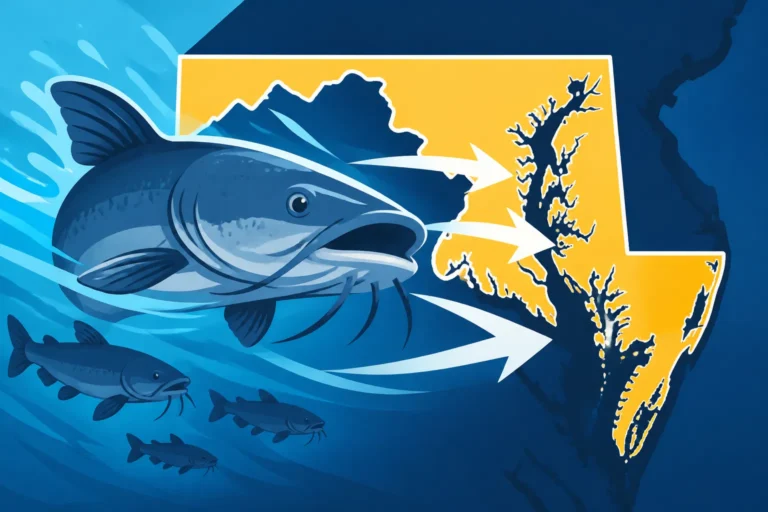
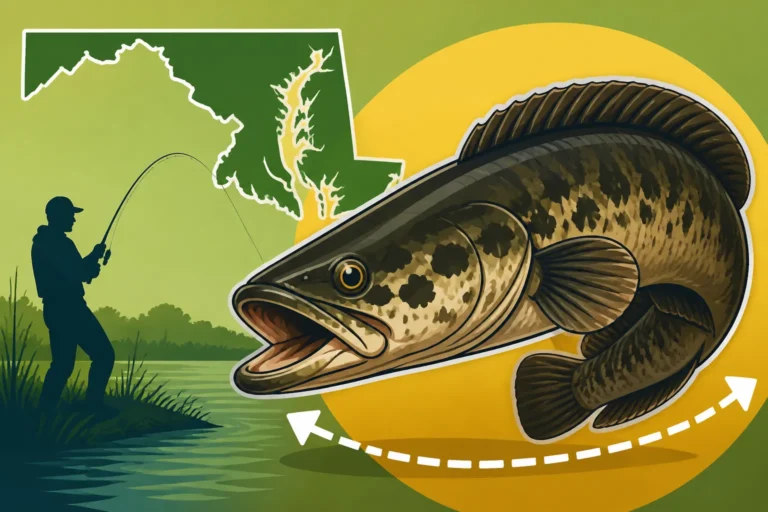
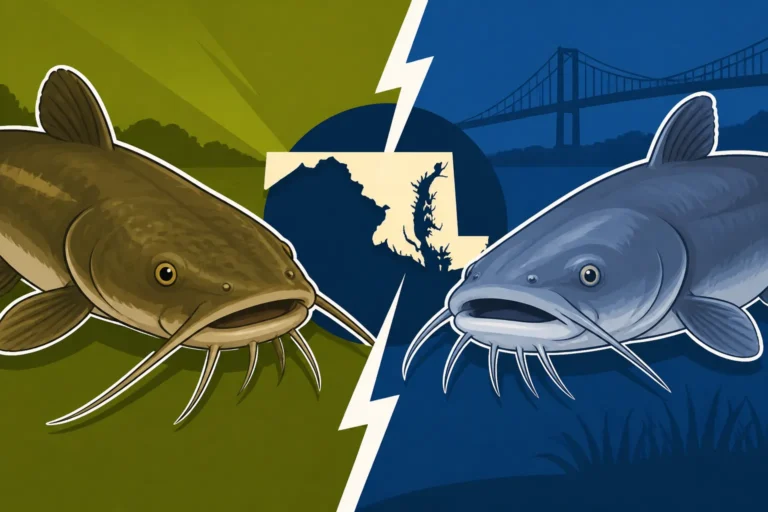
Then we have the non-native, or even invasive, catfish that have become major players in Maryland's ecosystem, particularly the Blue Catfish and the Flathead Catfish. Blue catfish are easily recognized by their deeply forked tail, a somewhat humped back, and a distinct bluish-gray coloration. They can grow to enormous sizes, often exceeding 50 pounds in Maryland rivers. Maryland Blue Catfish, an Invasive Giant explains more about these formidable fish. Flathead catfish are another story entirely, with a distinctly flattened head, small eyes, and a mottled brown and yellow coloration. Their tail is square or only very slightly notched, not forked. Understanding these differences is not just for identification; it informs our fishing practices, especially when it comes to species management. For instance, there are very different rules for keeping native species versus destructive invasives.
White Catfish: A Closer Look at Their Maryland Status
Now, let's address the star of the show: the white catfish. Despite some confusion, and perhaps because of the headlines surrounding other non-native catfish, many anglers incorrectly assume the white catfish is also an introduced species. This couldn't be further from the truth!
The Scientific and Historical Perspective
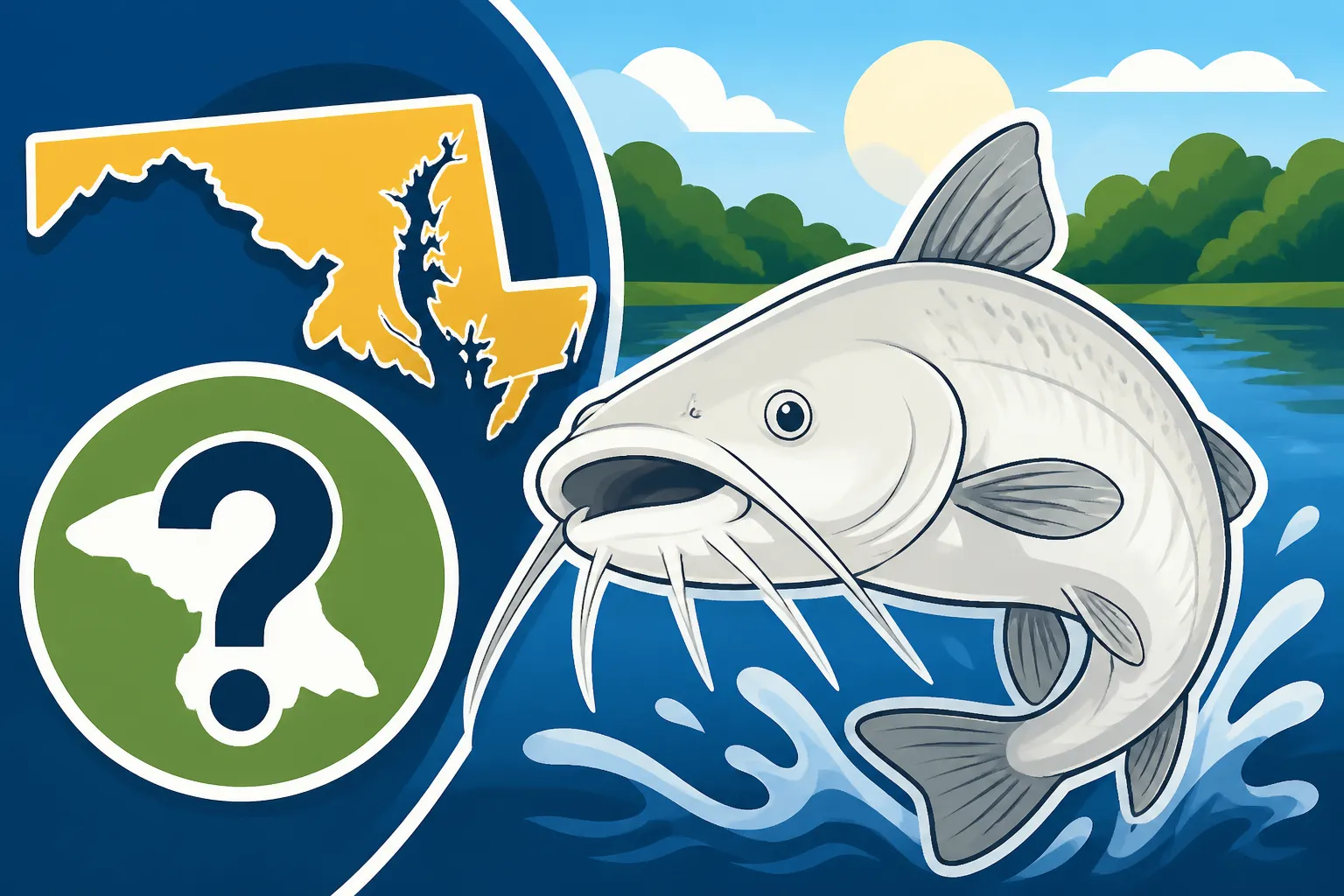
Here's the definitive answer: Yes, white catfish (Ameiurus catus) are indeed native to Maryland. They are an indigenous species to the Atlantic Slope drainages, which includes the entire Chesapeake Bay watershed and its tributaries. Their natural range extends from New York south to Florida, thriving in the warmer, slower-moving waters of tidal rivers, estuaries, and larger lakes and ponds. In Maryland, white catfish have been a consistent presence for countless generations, contributing to the biodiversity and fishing opportunities of our state.
Historically, white catfish have been a staple for anglers in the region, particularly in the brackish waters of the Chesapeake Bay and its tidal tributaries like the Patuxent, Choptank, and Nanticoke Rivers. They're often found alongside species like white perch and striped bass in these estuarine environments. Unlike the true invasives like blue catfish, which were introduced from the Mississippi River basin, white catfish have always been an integral part of the Atlantic ecosystem. They evolved within these waters, developing a natural balance with other native flora and fauna. Their presence is not a cause for ecological concern but rather a sign of a healthy, native aquatic system. If you're looking for more information on fishing in these diverse areas, check out Difference Between a Tidal and Nontidal Maryland Fishing License.
Why the Confusion About White Catfish?
So, if they're native, why the widespread confusion? There are a few likely reasons:
- The Rise of Invasive Catfish: The dramatic proliferation and impact of the non-native blue catfish and flathead catfish in Maryland have understandably raised public awareness about introduced species. With so much focus on the "new" catfish causing problems, it's easy for anglers to lump all less-common catfish into the "invasive" category, even those that have always been here.
- Shared "Catfish" Name: The general term "catfish" can be broad, and without specific knowledge of each species' origin, it's simple to assume a similar story for all of them.
- Appearance: White catfish can sometimes have a lighter, almost silvery sheen compared to the darker channel catfish or bullheads, which might make some perceive them as "different" or even "exotic."
- Less Prominent in "Trophy" Talk: While white catfish are excellent eating and offer a good fight, they typically don't reach the immense sizes of blue catfish, nor do they have the same legendary status as striped bass. This might lead to them being less discussed in certain angling circles, contributing to a lack of specific knowledge about their origins.
It's a testament to the ongoing conversation about ecological balance that anglers are even asking these questions. It shows a genuine interest in the health of our waters, which is a fantastic thing! To understand the bigger picture of aquatic regulations, you might find Maryland Fishing License Guide for 2026 helpful.
Distinguishing White Catfish from Other Maryland Catfish
Knowing that white catfish are native is one thing; being able to identify them definitively on the water is another. Misidentification can lead to confusion, especially when trying to differentiate them from the aggressive blue catfish, which has very different management rules.
Visual Cues for Identification
Let's break down the key features to help you tell white catfish apart from their native and non-native cousins in Maryland's waters.
| Feature | White Catfish (Ameiurus catus) | Channel Catfish (Ictalurus punctatus) | Blue Catfish (Ictalurus furcatus) | Bullhead Catfish (Ameiurus spp.) |
|---|---|---|---|---|
| Tail Shape | Moderately notched or slightly forked | Deeply forked | Deeply forked | Rounded or slightly notched |
| Body Color | Pale grey to bluish-grey, often with a white belly, no spots | Olive-green to light brown, often with dark spots (especially younger) | Bluish-grey to slate grey, no spots | Dark brown to yellowish-brown, often mottled |
| Head Shape | Moderately broad and somewhat flattened | Rounded to slightly flattened | Sloping profile from dorsal fin to head, somewhat humped | Broad, somewhat flattened |
| Jaw Protrusion | Upper jaw slightly protrudes beyond lower jaw | Upper jaw typically longer than lower | Upper jaw typically longer than lower | Jaws usually equal, or upper slightly longer |
| Anal Fin Rays | 18-24 (often longer, more rounded than Channel) | 24-29 (shorter, more straight-edged than White) | 30-35 (very long, straight-edged) | 17-27 (shorter, rounded) |
| Barbels | 8 (4 chin, 2 maxillary, 2 nasal) often whitish or light colored | 8 (4 chin, 2 maxillary, 2 nasal) | 8 (4 chin, 2 maxillary, 2 nasal) | 8 (4 chin, 2 maxillary, 2 nasal) often dark, sometimes mottled |
One of the easiest differentiators for white catfish is their moderately notched tail and their typically lighter, often silvery-grey coloration without the distinct spots found on many channel catfish. Their anal fin also tends to be noticeably longer and more rounded at the trailing edge than a channel catfish's. If you're still uncertain, a good waterproof field guide is invaluable and can be found on platforms like Amazon. Having one handy on your boat or in your tackle box can save a lot of guesswork.
Habitat and Behavioral Differences
Beyond visual identification, understanding where these catfish tend to live and what they prefer to eat can also help. White catfish are true estuarine opportunists. They are exceptionally tolerant of varying salinities, which is why they thrive in the brackish waters of the Chesapeake Bay and its tidal tributaries. They prefer slower-moving water, often found near submerged structure, oyster reefs, dock pilings, and creek mouths. They are less common in the faster, rockier sections of nontidal rivers where smallmouth bass or channel catfish might dominate.
Channel catfish, while also found in the tidal Bay, tend to be more widespread in freshwater rivers and reservoirs, adapting to a broader range of currents and bottom types. Bullheads are often found in very shallow, muddy, or vegetated areas of ponds, lakes, and slow-moving streams. They are incredibly hardy and can tolerate low oxygen levels that would kill other fish.
The invasive blue catfish, meanwhile, shows a remarkable adaptability to both fresh and brackish water, but their explosion in population has largely been concentrated in the larger tidal rivers like the Potomac, James (in Virginia, but gives context for the region), and Nanticoke. They are highly predatory and consume vast quantities of other fish, including native species. Difference Between a Blue Catfish and a White Catfish provides further details on how to tell these two apart. For the northern snakehead, another invasive species with a distinct set of characteristics and rules, you can read How to Identify a Northern Snakehead in Maryland.
The Broader Impact of Native vs. Non-Native Species in Maryland Fishing
The discussion about whether white catfish are native highlights a much larger, incredibly important conversation in Maryland fishing: the impact of native versus non-native species. Our ecosystems are delicate and interconnected, and every species plays a role.
Ecological Importance of Native Fish
Native fish species, like the white catfish, have co-evolved with their environment over thousands of years. This means they have established natural predator-prey relationships, specific habitat needs, and reproductive cycles that are in tune with the rhythm of our local waters. They are an essential part of the natural food web, helping to maintain balance and diversity. For instance, native white catfish might be prey for larger fish-eating birds or mammals, and they, in turn, consume invertebrates and smaller fish, contributing to the overall health of the ecosystem.
When non-native species are introduced, especially invasive ones, they can disrupt this delicate balance. They might outcompete native fish for food and habitat, introduce diseases, or prey directly on native populations. This is why conversations around species like blue catfish and northern snakehead are so critical; they represent a significant challenge to the long-term health of Maryland's native fisheries. Organizations and anglers alike are constantly working to understand and manage these impacts, ensuring that species like the white catfish continue to thrive. You can learn more about general regulations in Maryland Chesapeake Bay Sport Fishing License Explained which touches on the nuances of fishing in our diverse Bay waters.
Managing Our Waters for a Healthy Future
For anglers, understanding whether a fish is native or non-native isn't just academic; it has practical implications for how we fish and what we do with our catch. Maryland DNR often has different regulations for native species versus invasive ones. For true invasives like blue catfish and snakehead, the guidance is generally to "kill on sight" and not return them to the water, to help curb their spread. This is a stark contrast to native species, where conservation, catch limits, and size restrictions are in place to ensure sustainable populations. For example, understanding Maryland Invasive Fish Rules: Blue Catfish and Snakehead is vital for any angler.
Being an informed angler means being a responsible steward of our aquatic resources. This includes:
- Proper Identification: Knowing what you've caught. If you're unsure, consult a reliable guide (there are many great ones available through retailers like Amazon) or the Maryland Department of Natural Resources (DNR) website.
- Adhering to Regulations: Following all size, creel, and possession limits for each species. These rules are in place for a reason – to protect fish populations and ensure healthy fishing for future generations.
- Preventing Further Introductions: Never release baitfish from one body of water into another, and never introduce non-native aquarium species into local waterways.
- Reporting Concerns: If you see something unusual or suspect an illegal introduction, report it to the authorities.
By understanding that white catfish are indeed a native and valuable part of Maryland's aquatic landscape, we can appreciate them more, fish for them responsibly, and contribute to the ongoing health of our state’s incredible fishing heritage. Many different fish make up our state's diverse aquatic ecosystems, and learning about them, from Maryland Panfish: Crappie, Perch and Sunfish to the unique What Is a Chesapeake Bay White Catfish?, deepens our appreciation for the waters we cherish.
Disclaimer
This article is for general informational purposes only and does not constitute professional advice. Laws, prices and regulations vary by location and change over time. Consult a qualified professional for guidance on your specific situation.