Where Do Speckled Trout Show Up in Maryland Waters?
It can be incredibly frustrating for anglers in Maryland when they hear whispers of a beautiful, feisty fish like the speckled trout gracing our waters, but then struggle to pinpoint exactly where to find them. Unlike some of our more abundant species, speckled trout aren't everywhere, and locating their preferred haunts requires a bit of local knowledge and understanding of their unique needs. This guide will take you through the specific corners of Maryland where these gorgeous fish tend to make their appearance, helping you narrow down your search and increase your chances of a memorable catch.
The Elusive Charm of Maryland's Speckled Trout
Maryland's fishing scene is incredibly diverse, offering everything from trophy striped bass in the Chesapeake Bay to wild brook trout in mountain streams. But among the myriad species, the speckled trout, or "specks" as they're often affectionately called, holds a special, almost mythical status for many anglers. They aren't as widespread as white perch or bluefish, which means finding one feels like discovering a hidden gem.
Why Speckled Trout Are a Special Find Here
For those unfamiliar, speckled trout (often just "speckled trout" or "specks" here, though sometimes called spotted seatrout further south) are truly beautiful fish. They boast iridescent silver flanks adorned with distinct black spots, often shimmering with hints of gold and blue. Beyond their striking appearance, they are known for their aggressive strikes and spirited fights, making them a fantastic target on light tackle. Imagine the thrill of a hard hit from a quality speckled trout in shallow water – it's a moment that quickly hooks an angler for life. Their relative rarity in Maryland, compared to states further south, only adds to their allure. Landing a nice speck here is a testament to an angler's persistence and understanding of their specific habitat.
Understanding Their Habitat Preferences
To even begin finding speckled trout in Maryland, you need to think like a speck. These fish aren't fans of deep, cold, or overly turbid waters. Instead, they crave shallow, somewhat brackish estuaries and tidal creeks, particularly those with abundant submerged aquatic vegetation – think lush grass beds, oyster reefs, and sandy or muddy bottoms. They thrive in environments where the salinity is just right, a mix of fresh and saltwater that keeps them comfortable but also brings in a steady supply of their favorite meals. Water temperature is also a critical factor; they are decidedly a warm-water species, which heavily influences their presence and movements within our diverse Maryland waterways.
Primary Speckled Trout Strongholds in Maryland
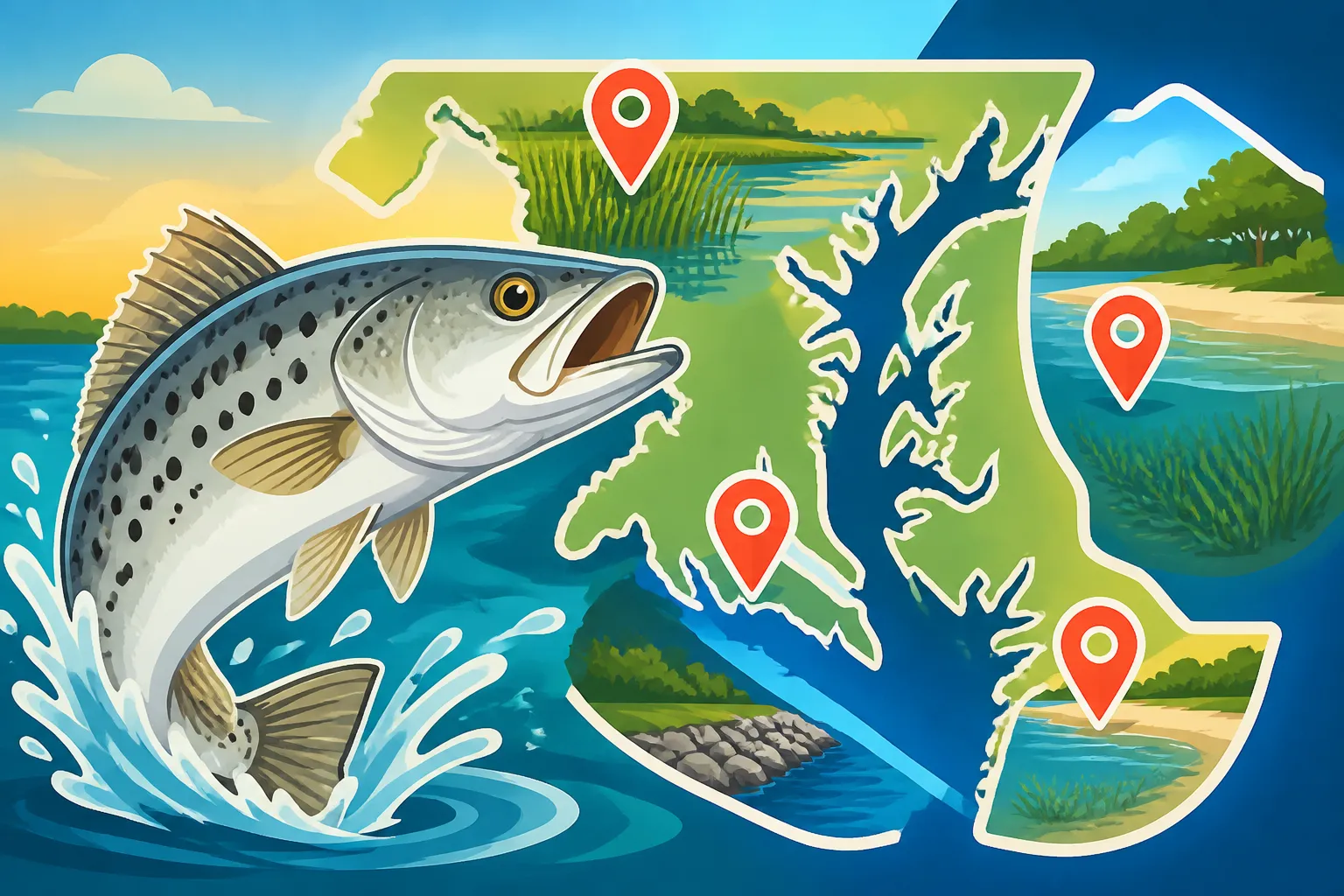
When you're trying to figure out Where Do Speckled Trout Show Up in Maryland Waters?, there's one region that stands head and shoulders above the rest: the lower Eastern Shore. While the Chesapeake Bay offers countless fishing opportunities, the unique characteristics of its southern tributaries provide the ideal conditions for these elusive beauties.
Tangier Sound: The Unofficial Speckled Trout Capital
If you talk to any seasoned Maryland angler about speckled trout, the conversation will almost inevitably turn to the Tangier Sound. This vast expanse of water, located on the lower Eastern Shore, is widely considered the best — and most consistent — area to target specks in the state. What makes it so special? It's a combination of factors, including its lower salinity compared to the ocean, its warmer water temperatures in the summer and fall, and most importantly, its extensive networks of shallow grass beds.
These grass beds, often stretching for miles, provide perfect ambush points for speckled trout to hide and hunt. They're also teeming with baitfish and crustaceans, offering a constant buffet. Places like Crisfield, Deal Island, and the myriad creeks and guts feeding into the sound are prime territories. Anglers often explore the edges of these grass beds, oyster reefs, and channels with smaller boats or Kayak Fishing Techniques for Maryland Waters to get into those skinny waters where specks love to lurk. The protection offered by the islands, like Smith Island, also helps create calmer, clearer waters, which specks prefer. It's a fantastic spot if you're looking to catch some of Maryland's Most Popular Saltwater Gamefish like bluefish or red drum, but for specks, Tangier Sound is in a league of its own.
Other Eastern Shore Estuaries and Creeks
While Tangier Sound reigns supreme, it's not the only place speckled trout might show up. Other tidal estuaries and creeks on the lower and mid-Eastern Shore can occasionally host transient populations, especially during periods of warm water and favorable salinity. Rivers like the Pocomoke, Manokin, and even the lower sections of the Nanticoke River and Wicomico River have been known to produce specks. These areas share some of the same characteristics as the Tangier Sound – grass beds, marsh edges, and good baitfish populations – but their consistency for speckled trout isn't quite the same.
Anglers might find them schooling around points or in the mouths of smaller creeks within these larger rivers. For example, Fishing the Chester River on the upper Eastern Shore, while known more for rockfish and white perch, might occasionally see a stray speck, especially during a particularly warm year. The same goes for the Fishing the Patuxent River on the Western Shore, although it's generally less reliable. The key here is to understand that these are more opportunistic catches, whereas Tangier Sound offers a more dedicated fishery. It's always worth checking the fishing reports and local bait shops if you're exploring these areas, as their presence can fluctuate significantly based on environmental conditions.
The Environmental Factors Driving Speckled Trout Distribution
Understanding where speckled trout show up in Maryland isn't just about naming locations; it's about understanding why they choose those places. These fish are creatures of habit and specific environmental needs, and knowing these factors can help you predict their movements and find them more consistently.
Salinity, Temperature, and Water Clarity
Speckled trout have a Goldilocks zone when it comes to their environment. First, salinity is crucial. They thrive in brackish waters, which are a mix of fresh and saltwater. This means you won't typically find them far up freshwater rivers, nor are they usually in the full oceanic salinity of the Atlantic coast. The sweet spot tends to be estuaries where freshwater runoff mixes with the bay's saltwater, creating that perfect blend. After heavy rains, when rivers dump a lot of fresh water into the Bay, the salinity can drop too low in certain areas, pushing the specks further down-estuary or into the main Bay to find more suitable conditions.
Water temperature is perhaps the most significant limiting factor for speckled trout in Maryland. They are a warm-water species, preferring temperatures in the 65-75 degree Fahrenheit range. This is why their presence is most reliable from late spring through late fall, particularly in the southern Bay, where waters warm up sooner and stay warm longer. A harsh winter with prolonged cold snaps can severely impact their populations, as they are not adapted to freezing conditions. Mild winters, on the other hand, can lead to better overwintering survival and a stronger fishery the following year. This also influences Best Time of Year to Fish in Maryland for these specific fish.
Finally, water clarity plays a role. While they can tolerate some turbidity, speckled trout are primarily sight feeders. They prefer clearer water where they can easily spot baitfish and other prey. Areas with heavy boat traffic or significant runoff can churn up sediments, reducing visibility and making these areas less attractive to specks. How Water Clarity Affects Fishing in the Chesapeake Bay is a huge factor for many sight-feeding fish, and specks are no exception. Knowing How Tides Affect Fishing in Maryland's Chesapeake Bay can also help, as incoming tides often bring in clearer, saltier water, while outgoing tides can bring murkier, fresher water from inland creeks.
The Role of Forage and Structure
Like all predators, speckled trout follow their food, and they need places to ambush that food. Their diet primarily consists of smaller baitfish like spot, croaker, mullet, silversides, and menhaden, as well as shrimp and small crabs. Any area rich in these forage species is a potential speckled trout hotspot. For instance, understanding What Is a Menhaden and Why Does It Matter to Maryland Fishing? can give you insight into what these fish are likely eating.
The preferred structure for specks includes expansive submerged aquatic vegetation (SAV) beds, often referred to as "grass beds." These lush underwater meadows, whether eelgrass, widgeon grass, or other species, offer perfect camouflage and a buffet of smaller organisms that attract the baitfish. Oyster reefs and shell bottoms also provide excellent structure, creating current breaks and habitat for both prey and predator. Shallow points, creek mouths, and marshy shorelines that drop off into slightly deeper channels are also prime areas. These types of habitats are prevalent in the Tangier Sound region, explaining its status as a top speck fishery. If you're looking for lures to mimic these baitfish or shrimp in such environments, you'll find a huge array of options on platforms like Amazon, from paddle-tails to shrimp imitations, perfect for enticing a bite.
| Key Speckled Trout Habitat Characteristics in Maryland | Description | Why It Matters for Specks |
|---|---|---|
| Salinity | Brackish water (mix of fresh and salt), typically found in estuaries and lower river sections. | Essential for their physiological comfort and access to a diverse food chain. Too fresh or too salty can push them out. |
| Water Temperature | Warm water preference (ideal 65-75°F). Most active in late spring, summer, and fall. | They are sensitive to cold and will seek deeper, more stable temperatures or migrate away during winter. Their metabolic rate is tied to warmth. |
| Water Clarity | Generally prefer clearer water for sight feeding, though can tolerate some turbidity. | As visual predators, clear water allows them to effectively hunt baitfish. Murky water makes hunting difficult. |
| Submerged Aquatic Vegetation (SAV) | Extensive grass beds (eelgrass, widgeon grass) are critical. | Provides camouflage for ambushing prey, offers habitat for baitfish, and oxygenates the water. A primary indicator of good speck territory. |
| Forage Abundance | Rich populations of baitfish (spot, croaker, mullet, silversides), shrimp, and small crabs. | Specks are opportunistic predators; they go where the food is. High bait density means a healthy ecosystem for specks. |
| Bottom Structure | Sandy or muddy bottoms, often interspersed with oyster reefs or shell beds. | These provide diverse microhabitats, warmth absorption, and additional food sources for their prey. |
Tactics for Targeting Speckled Trout in Maryland
Once you've zeroed in on the right locations and understood the environmental factors, it's time to put a plan into action. Catching speckled trout in Maryland, while challenging, is incredibly rewarding. A few key tactics can significantly improve your chances.
Best Seasons and Conditions for Success
Timing is everything when it comes to speckled trout in Maryland. Since they are a warm-water species, your best bet is during the warmer months, roughly from late spring through late fall. The prime windows are typically late May/June as waters warm up, and then again during the fall run in September and October, when they often become more aggressive as they feed heavily before the onset of winter. During these times, the water temperatures are within their ideal range, and baitfish are abundant in the shallow estuaries.
Look for calm days, especially during periods of incoming or outgoing tides. Slack tide can sometimes be productive, but moving water often triggers a bite. Overcast days can also be surprisingly good, as the reduced sunlight can make specks less wary and more willing to venture out from cover. Early morning and late evening, or even night fishing around well-lit docks, can be exceptionally productive, particularly in summer when the midday sun can push them into deeper, cooler water.
Go-To Lures and Tackle
Speckled trout have relatively soft mouths, so using appropriate tackle is key to both hooking and landing them. Light to medium-light spinning gear is often preferred, allowing for accurate casts of lighter lures and providing a thrilling fight. You can browse excellent, sensitive rod and reel combos on Amazon, ensuring you have the right feel for subtle bites.
When it comes to lures, soft plastics are often the top choice. Think about jigs rigged with:
- Paddle-tail grubs: These mimic small baitfish and create a lot of vibration in the water. Colors like chartreuse, white, and clear with glitter are popular.
- Shrimp imitations: Speckled trout love shrimp, so a realistic soft plastic shrimp, often fished under a popping cork, can be incredibly effective.
- Jig heads: Pair your soft plastics with jig heads ranging from 1/8 to 1/2 ounce, depending on depth and current.
Topwater lures are another fantastic option, especially during calm mornings or evenings. Nothing beats the excitement of a speck exploding on a topwater plug! Walk-the-dog style baits or poppers in natural or bright colors can be deadly. If you've enjoyed Fishing Topwater Lures for Maryland Snakehead, you'll appreciate the similar thrill with specks. Always check current conditions and what local bait shops recommend, as forage can change seasonally. Many anglers stock up on a variety of colors and styles of soft plastics and topwater lures, often finding great deals and diverse selections on Amazon.
Boat, Kayak, or Shore Access
Reaching those prime speckled trout locations often requires mobility, but there are options for different types of anglers.
- Small Boats: By far the most effective way to target specks in their preferred grass flats and shallow creeks is from a small skiff, jon boat, or bay boat. These vessels allow you to navigate the shallowest waters and cover significant ground, quietly approaching potential hotspots. Trolling motors are invaluable for stealthily working the edges of grass beds.
- Kayaks: Kayak Fishing Techniques for Maryland Waters are exceptionally well-suited for speckled trout. Kayaks allow you to access incredibly shallow areas where larger boats can't go, and their quiet approach is less likely to spook fish. Paddle or pedal kayaks are ideal for stealthily working grass lines and creek mouths. If you're heading out in a kayak, consider essentials like a good PFD or waterproof dry bags, many of which are readily available through retailers like Amazon.
- Shore Access: This is the most challenging option for specks, as their prime habitats are often away from accessible shorelines or piers. While you might occasionally hook one from a dock or pier in a known speck area, it's not a consistent method. However, focusing your efforts on public areas that offer access to marshy points or creek mouths, especially on the lower Eastern Shore, can yield results. For general bay access, exploring Best Piers and Shore Fishing Spots in Maryland might lead you to other species, but for specks, shore access is limited. Patience and local knowledge become even more crucial when fishing from shore.
Remember, responsible angling is important for protecting this special fishery. Always adhere to Maryland Fishing Size and Catch Limits by Species and consider practicing catch and release, especially for larger breeding fish, to ensure future generations can enjoy the thrill of catching Maryland's beautiful speckled trout.
Disclaimer
This article is for general informational purposes only and does not constitute professional advice. Laws, prices and regulations vary by location and change over time. Consult a qualified professional for guidance on your specific situation.