Guided Trips on the Nanticoke River for Catfish
One of the most satisfying experiences for an angler in Maryland is tackling the powerful catfish, and if you're looking for an unforgettable fight and a chance to truly fill your cooler, the Nanticoke River is an absolute gem. For many, navigating a new waterway, understanding the local fish patterns, and having the right gear can feel overwhelming, leading to frustrating trips and empty nets. This guide is dedicated to helping you understand why a guided trip for catfish on the Nanticoke River is not just a great idea, but often the best way to tap into this fantastic fishery, ensuring you have a productive and enjoyable adventure.
Why the Nanticoke River is a Catfish Angler's Dream
The Nanticoke River, stretching from the interior farmlands of Maryland's Eastern Shore down to the Chesapeake Bay, offers a truly remarkable environment for catfish. Unlike some of the more well-known rivers that get a lot of attention, the Nanticoke often flies a bit under the radar, making it a fantastic, less crowded destination for targeting these whiskered giants. Its unique blend of freshwater tributaries transitioning into brackish tidal waters provides a diverse habitat that catfish absolutely thrive in, supporting robust populations of several species.
The Nanticoke's Unique Ecosystem for Catfish
What makes the Nanticoke River so special for catfish is its intricate network of deep holes, submerged logs, brush piles, and gradual river bends. These features create perfect ambush points and resting areas for all types of catfish. The river's bottom composition, often a mix of mud, sand, and even some scattered shell beds, holds an abundance of forage that catfish feast on. Think about it – a slow, meandering river with plenty of structure, a constant flow of nutrient-rich water from its upper reaches, and access to the bounty of the Chesapeake Bay. It's a catfish buffet! This fertile environment ensures that not only are there a lot of catfish, but they grow to impressive sizes, offering anglers a genuine challenge.
Prime Catfish Hotspots and Structures
When you're out on the Nanticoke, a seasoned guide will know exactly where to look. They'll pinpoint those classic catfish haunts like deep channel bends where current eddies form, allowing fish to conserve energy while waiting for food. Submerged logs and fallen trees, often found along the banks, are absolute magnets for flathead and blue catfish looking for cover. Bridges and culverts also create fantastic structure, generating current breaks and offering shade, which are irresistible to catfish during warmer months. During the spring, as fish move upstream to spawn, shallower flats adjacent to deep channels become productive, while in the colder months, fish tend to stack up in the deepest holes and slowest-moving waters. A good guide doesn't just guess; they interpret the river's contours and conditions to put you right on top of the fish.
Seasonal Catfish Behavior in the Nanticoke
Catfish behavior on the Nanticoke changes with the seasons, and understanding these shifts is key to consistent success. In spring, as water temperatures rise, catfish become incredibly active, often moving into shallower areas of the river and its feeder creeks to feed aggressively and eventually spawn. This can be a fantastic time for sheer numbers. Summer sees them retreat to deeper, cooler waters during the day, becoming more active during dawn, dusk, and even into the night when water temperatures are more comfortable. Fall brings another surge of activity as they gorge themselves in preparation for winter, often schooling up in deeper sections of the main river. Even in winter, dedicated anglers can find success by targeting the deepest holes where sluggish catfish congregate. A guided trip means your captain has been tracking these movements for years, putting you in the right place at the right time, regardless of the calendar.
Understanding Your Nanticoke River Catfish Targets
The Nanticoke River is home to a fantastic array of catfish species, each offering a unique fight and culinary experience. While they all share that distinctive whiskered look, knowing the differences between them can help you appreciate your catch even more and understand why your guide might be targeting one over another based on conditions or your preference.
The Mighty Blue Catfish: Invasive, Abundant, and Big
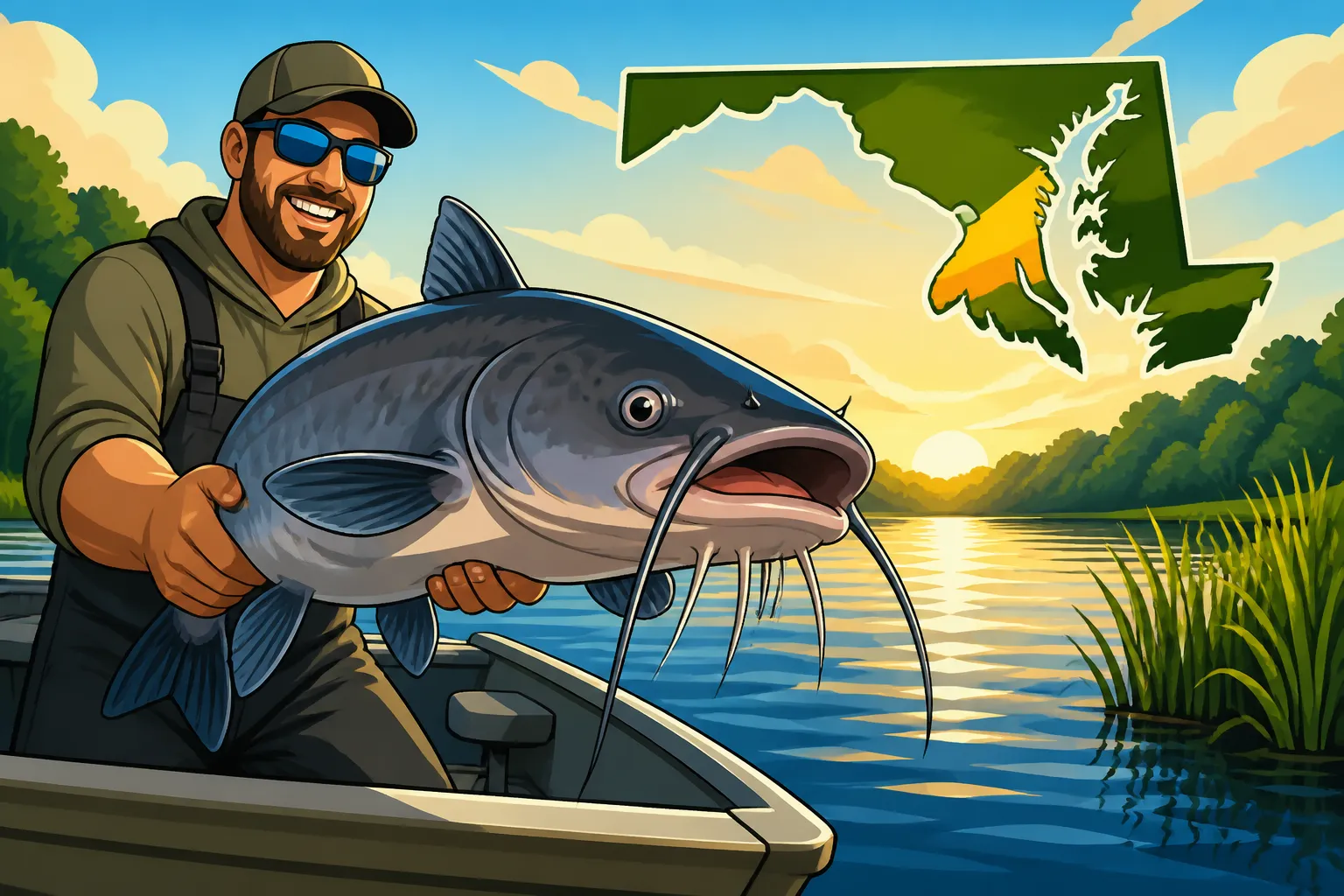
The Blue Catfish is arguably the star of the show on the Nanticoke, much like on the Potomac and other Maryland rivers. These fish are an invasive species, and because of this, Maryland actively encourages anglers to harvest them with Maryland Blue Catfish Limit, or Lack of One. There's truly no possession limit, and you can keep as many as you can catch, which is great for filling the cooler and helping the ecosystem. They are powerful fighters, especially the larger specimens that can easily push into the 30, 40, and even 50-pound range. Blues have a deeply forked tail, a noticeable hump on their back, and typically a bluish-gray color. They're opportunistic feeders, thriving on a diet of other fish, mussels, and crabs. Anglers find them in deep channels, current breaks, and near significant submerged structure. Your guide will likely focus on these given their abundance and the state's encouragement to remove them. You might be interested to read more about Why Maryland Wants Anglers to Kill Invasive Fish.
Channel Catfish: The Widespread Delicacy
Channel Catfish are another common resident of the Nanticoke River and are often caught alongside blue catfish. While they don't typically reach the gargantuan sizes of their blue counterparts, channel cats are still respectable fighters and are highly prized for their delicious, mild-flavored meat. They are identifiable by their scattered dark spots on their sides (though these can fade in larger, older fish), a moderately forked tail, and a more slender body profile compared to a blue cat. Channel catfish are incredibly adaptable, inhabiting both tidal and non-tidal sections of the river, often preferring areas with moderate current and plenty of cover. They respond well to classic stink baits, cut bait, and even some artificial lures, making them a fun target for anglers of all skill levels. If you're looking for a good meal, the channel cats from the Nanticoke are hard to beat!
Flathead Catfish: The Ambush Predator
While less common than blue or channel catfish, the Nanticoke River does hold a population of Flathead Catfish, particularly in its upper, less brackish stretches. These are a truly unique species, characterized by their distinctively flat head, lower jaw that protrudes past the upper jaw, and small, beady eyes. Unlike blue and channel cats, which are scavengers, flatheads are ambush predators that prefer live bait. They typically lurk in heavy cover – think dense log jams, rock piles, and undercut banks – waiting for unsuspecting prey to swim by. They can also grow to very impressive sizes, often rivaling blue catfish in weight. Catching a flathead is a special treat, as their predatory nature makes them a formidable opponent on the line. Your guide might target these specifically if you express interest, often using different tactics like live minnows, sunfish, or even eels.
| Catfish Species | Appearance Key | Average Size (Nanticoke) | Preferred Bait | Nanticoke Abundance |
|---|---|---|---|---|
| Blue Catfish | Forked tail, humped back, bluish-gray, no spots | 10-40 lbs (can exceed 50 lbs) | Cut bait (bunker, gizzard shad, carp), live eels | Very High (Invasive) |
| Channel Catfish | Moderately forked tail, slender body, dark spots | 2-15 lbs (can exceed 20 lbs) | Cut bait, nightcrawlers, stink baits, chicken livers | High |
| Flathead Catfish | Flat head, protruding lower jaw, mottled brown/yellow, rounded tail | 10-30 lbs (can exceed 40 lbs) | Live bait (sunfish, large minnows, eels) | Moderate (Less common than Blues/Channels) |
What to Expect on a Guided Catfish Trip on the Nanticoke
Booking a guided trip on the Nanticoke River, especially for catfish, takes a lot of the guesswork and preparation out of your day, allowing you to focus entirely on the fishing. From the moment you step on the boat, you'll feel the difference of having a knowledgeable local at the helm.
Equipment and Techniques Your Guide Will Employ
A professional Nanticoke River catfish guide will come fully equipped, and I mean fully. You won't need to worry about bringing your own rods, reels, or tackle unless you specifically want to. They'll have heavy-duty rods capable of handling powerful runs, stout reels spooled with strong braided or monofilament line, and an assortment of terminal tackle perfectly suited for the Nanticoke's conditions and the catfish species you're targeting. This includes a variety of heavy sinkers to hold bait in the current, strong hooks, and sturdy swivels.
Beyond the gear, the real value lies in their techniques. Many Nanticoke catfish guides employ a combination of techniques, depending on the time of year and specific conditions. This often includes anchoring on productive holes and setting out multiple lines with cut bait (like fresh bunker or gizzard shad), allowing the scent to spread and attract fish. Drifting is another common method, particularly for covering more ground and locating active schools of fish. Your guide will know the nuances, like how to prepare the freshest cut bait, the best Best Bait for Blue Catfish in Maryland Rivers, and how to present it effectively. They'll also be masters of boat positioning, using their electronics to identify structure and fish on the bottom. If you're wondering What to Bring on a Maryland Fishing Charter, usually it's just your personal items, snacks, drinks, and appropriate clothing.
The Benefits of Hiring a Local Nanticoke Catfish Guide
Hiring a local guide isn't just about having the right gear; it's about gaining access to years of accumulated local knowledge. These captains spend countless hours on the Nanticoke, tracking fish movements, understanding river currents, and knowing exactly where the catfish are holding at any given time. They've seen it all, from the best tides for catfish to how recent rain affects water clarity and fish activity.
Imagine trying to navigate a new river, find the hidden structure, and decipher complex regulations like Maryland Fishing Size and Catch Limits by Species or Maryland Invasive Fish Rules: Blue Catfish and Snakehead all on your own. A guide removes all that stress. They handle the boat, understand the ever-changing bite, and ensure you're compliant with all Maryland fishing rules. Plus, they can offer invaluable tips on fighting big fish, proper handling, and even the best ways to fillet your catch if you decide to keep it. This expertise significantly increases your chances of a successful and memorable trip. It’s like having a cheat sheet for the river!
Typical Trip Logistics and What to Bring
Most guided catfish trips on the Nanticoke River will be either half-day (4-5 hours) or full-day (7-8 hours) excursions. Your guide will typically provide all necessary fishing equipment, bait, and often even ice and bottled water. However, it’s always a good idea to confirm these details when booking.
What should you bring?
- Maryland Fishing License: While a charter boat often covers its passengers under a blanket license, individual guides (especially for smaller boats or kayak trips) might require you to have your own. It's crucial to clarify this beforehand. You can read more about it here: Does the Charter Captain's License Cover Passengers in Maryland?. Make sure you understand How Long a Maryland Fishing License Lasts.
- Food and Drinks: Beyond the provided water, bring any snacks or meals you'll want.
- Sun Protection: Sunscreen, a wide-brimmed hat, and polarized sunglasses are essential, even on cloudy days.
- Appropriate Clothing: Dress in layers, as temperatures can change throughout the day. Consider rain gear if there's any chance of precipitation.
- Cooler: If you plan on keeping fish, bring a separate cooler in your car to transport your fillets home.
- Camera: To capture those trophy shots!
- Gratuity: It’s customary to tip your guide for a job well done.
Your guide will usually communicate a meeting point, often a public boat ramp or marina along the Nanticoke River, such as those near Vienna or Seaford. Be sure to arrive a few minutes early to get settled and receive a safety briefing.
Choosing the Right Guide for Your Nanticoke Catfish Adventure
With the popularity of catfish fishing growing on the Nanticoke, you'll find a number of guides available. Picking the right one can make all the difference between a good trip and a truly fantastic one. It's about finding someone whose style, experience, and offering align with your expectations.
Key Questions to Ask Prospective Guides
Before you book, don't be shy about asking questions. A reputable guide will welcome your inquiries and provide clear, honest answers. Here are some things you should absolutely ask:
- Experience: "How long have you been guiding on the Nanticoke River specifically for catfish?" Look for guides with years of experience on this particular river and this specific type of fishing. Catfishing is a specialized skill.
- Licensing and Insurance: "Are you a U.S. Coast Guard licensed captain, and are you fully insured?" This is non-negotiable for your safety and peace of mind.
- What's Included: "What exactly is included in the trip price – bait, tackle, ice, water, fish cleaning?" Confirm everything so there are no surprises.
- Target Species: "Do you primarily target blue cats, or do we have a chance at flatheads and channels too?" Ensure their focus matches your interests.
- Boat and Safety: "What kind of boat do you operate, and what safety equipment do you have on board?" A stable, well-maintained boat is important, and all necessary safety gear should be present.
- Catch and Release vs. Keep: "What is your policy on keeping fish?" While blue catfish are encouraged for harvest, discuss your preference for catch-and-release or keeping fish for the table.
- Cancellation Policy: "What happens if weather forces a cancellation?" Understand their rescheduling or refund policy.
Finding and Booking Reputable Guides
The best way to find a great Nanticoke River catfish guide is often through word-of-mouth or online reviews. Check out fishing forums specific to Maryland or the Eastern Shore, and ask fellow anglers for recommendations. Many reputable guides have websites or social media pages where you can see photos of their catches, testimonials, and contact information. Online booking platforms can also be a fantastic resource. For example, sites like FishingBooker often list Nanticoke River guides, allowing you to compare prices, read reviews, and see available dates all in one place. When you're ready to book, reach out to a few different guides to compare their offerings and personalities. Remember, you'll be spending several hours with this person, so rapport is important! FishingBooker can help streamline this process by centralizing many of your options.
Understanding Costs and Inclusions
The cost of a guided catfish trip on the Nanticoke River can vary based on the guide's experience, the length of the trip (half-day vs. full-day), the size of the boat, and what's included. Generally, you can expect rates to be competitive with other guided fishing trips in Maryland. While specific figures aren't something I can provide, always check the guide's website or contact them directly for current pricing.
Typically, the price will cover the boat, fuel, the guide's expertise, all fishing tackle, and bait. Some guides might also include fish cleaning, but it's always good to verify. Remember, the value of a guided trip isn't just in catching fish, but in the experience, the knowledge shared, and the safety and convenience provided. Comparing options on platforms like FishingBooker can give you a good idea of what's considered standard for the area and help you make an informed decision based on your budget and desired experience. Don't forget to factor in a customary tip for your guide at the end of a successful trip!
Disclaimer
This article is for general informational purposes only and does not constitute professional advice. Laws, prices and regulations vary by location and change over time. Consult a qualified professional for guidance on your specific situation.