What License Do Charter Captains Need in Maryland?
It’s a truly exhilarating feeling, isn't it? Waking up before dawn, the promise of the Chesapeake Bay or a Western Maryland lake on the horizon, ready for a day of fishing with a seasoned captain at the helm. But in all that excitement, a common worry might niggle in the back of your mind: "Is this captain legitimate? Are they really qualified?" It's a valid concern, and knowing what licenses and certifications your Maryland fishing charter captain needs is absolutely crucial for your safety, peace of mind, and a truly worry-free outing. This guide is here to shed light on those requirements, so you can book your next trip with confidence.
The Core Federal Requirement: US Coast Guard Licensure
When you step aboard a fishing charter, you’re not just going out on someone’s personal boat. You're becoming a passenger on a commercial vessel, and that comes with a very specific set of federal regulations designed to keep you safe. This isn't just a suggestion; it's the law, enforced by the United States Coast Guard (USCG).
Why the Coast Guard is Involved in Maryland Waters
You might think, "I'm just fishing the Bay, that's state water, right?" And while much of the Chesapeake Bay and Maryland's inland waterways fall under state jurisdiction for fishing regulations, the actual operation of a vessel carrying paying passengers is a federal matter. The US Coast Guard ensures that anyone charging money to take people out on the water meets stringent safety, navigation, and professional standards. This oversight exists for a critical reason: passenger safety. Imagine being miles offshore or in a busy shipping channel, and your captain isn't properly trained for emergencies or navigation. It's a terrifying thought, and the Coast Guard's requirements are designed to prevent such scenarios.
A licensed captain isn't just someone who knows how to drive a boat. They've undergone extensive training that covers everything from navigation rules, emergency procedures, fire fighting, first aid, and even basic maritime law. They understand weather patterns, how to respond to distress calls, and how to operate their vessel safely in various conditions. This federal oversight provides a foundational layer of competence and accountability that is paramount when you're trusting someone with your life on the water. It’s about more than just finding fish; it’s about getting you out there and back safely.
OUPV or "Six-Pack" License Explained
The most common license you'll encounter for smaller Maryland fishing charters, especially those operating on lakes, rivers, or inshore areas of the Chesapeake Bay, is the Operator of Uninspected Passenger Vessels (OUPV) license, often affectionately called the "Six-Pack" license. This designation is key because it allows a captain to carry up to six paying passengers on an "uninspected" vessel. "Uninspected" doesn't mean unsafe; it means the vessel itself doesn't require a rigorous annual inspection by the Coast Guard, although it must still meet specific safety equipment requirements.
To earn an OUPV license, a prospective captain has to jump through quite a few hoops. They must accumulate a significant amount of "sea time" – actual documented hours spent operating a vessel. This isn't just puttering around; it's about practical experience. Then comes the rigorous examination process, which covers subjects like navigation, charting, rules of the road, safety regulations, and proper vessel handling. Beyond the tests, there are physical exams, drug tests, and a criminal background check. So, when your captain flashes that OUPV license, it signifies a proven level of seamanship and a commitment to operating a safe and professional charter business. This is the bedrock of legitimacy for many of the excellent smaller charter services around places like Annapolis or on the Potomac River.
Master's License for Larger Operations
While the OUPV license is standard for many charters, some larger operations, especially those venturing further offshore from Ocean City or running bigger party boats on the Chesapeake Bay, require a higher-level credential: a Master's license. A Master's license allows a captain to carry more than six passengers, or to operate larger, "inspected" vessels. These inspected vessels undergo yearly safety inspections by the Coast Guard, ensuring they meet even more stringent structural and safety equipment standards.
Obtaining a Master's license is an even more involved process than the OUPV. It typically requires more sea time, often involving command experience on larger vessels, and the examinations are more comprehensive, delving deeper into subjects like vessel stability, engineering, and advanced navigation. A Master's license is also rated by tonnage (e.g., 25-ton Master, 50-ton Master), which dictates the size of the vessel they are qualified to command. If you're looking at booking a spot on a large head boat for an offshore tuna trip or a big bay bottom fishing excursion, you can rest assured that your captain holds a Master's license, demonstrating an even higher level of expertise and responsibility. These captains are the backbone of the major fishing fleets you'll find in ports like Ocean City, Chesapeake Beach Charter Fishing Fleet, or Deale.
Maryland State Requirements for Charter Captains
Beyond the federal umbrella of the US Coast Guard, the state of Maryland also has its own set of requirements for fishing charter captains, largely focused on the commercial aspects of the operation and the management of natural resources. These state-specific licenses are crucial for ensuring that the business side of the charter is legitimate and contributes to the health of Maryland's fisheries.
The Maryland DNR Commercial License
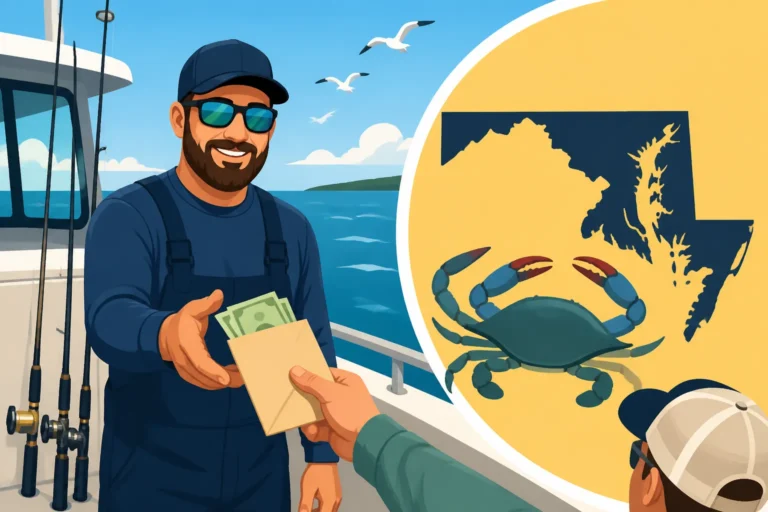
Even with a shiny USCG captain's license in hand, a Maryland charter captain isn't fully ready to operate until they secure the necessary commercial license from the Maryland Department of Natural Resources (DNR). This isn't a personal fishing license for the captain; it's essentially a permit for the vessel or the business to conduct commercial passenger fishing trips within Maryland's tidal and/or nontidal waters. The specific type of commercial license might vary slightly, but the intent is the same: to regulate the commercial use of Maryland's aquatic resources.
This state-level licensing serves several vital purposes. First, it allows the DNR to track the number of commercial fishing operations on the water, which is important for resource management and planning. Second, it generates revenue that helps fund the various programs aimed at conserving and enhancing Maryland's fish populations. And third, it ensures accountability. A captain operating a legitimate charter will have both their federal USCG credential and their Maryland DNR commercial permit. It’s also important to note that while the charter boat itself holds a commercial license, this license typically covers the passengers on board, meaning individual anglers usually do not need their own personal Maryland fishing license when fishing on a licensed charter. This is a huge convenience for visitors or those who only fish occasionally, making it a truly hassle-free experience to get out on the water. Maryland Charter Boat License Coverage for Passengers
Specific Endorsements for Targeted Species
While a charter captain's core federal and state licenses cover their ability to transport passengers for hire, there can be additional layers, especially when it comes to specific types of fishing or certain species. For most recreational fishing charters, the captain operates under the recreational catch limits and seasons that apply to their passengers. However, some commercial permits for the vessel or business might include endorsements or tags for specific fisheries if they were, for instance, also engaged in commercial harvesting, which is distinct from a recreational charter.
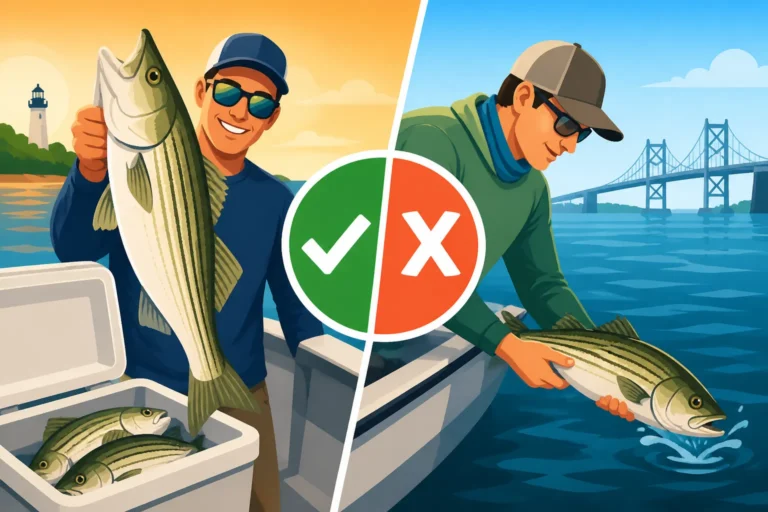
It's crucial to understand that for a standard recreational charter, the limits on what you catch and keep — like the size and creel limits for striped bass, flounder, or tautog — are dictated by recreational fishing regulations, not by a commercial endorsement for the captain. The state's commercial license simply validates the business aspect of taking people fishing. If a charter boat were also engaged in commercial harvesting, it would require highly specialized permits for those activities, which are generally not the licenses you'd inquire about for a recreational fishing trip. The key takeaway for anglers is that your captain's main state permit allows them to run the charter business legally, and their USCG license certifies their competence to command the vessel safely. You can be confident that legitimate operations will adhere to all state and federal recreational fishing regulations, ensuring the sustainability of species like Striped Bass: Maryland's State Fish and Maryland Flounder Size Limit.
What This Means for Anglers Booking a Charter
Understanding the licensing requirements isn't just about trivia; it's about making informed decisions for your next fishing adventure. Knowing what to look for empowers you as an angler and contributes to a safer, more enjoyable, and ultimately more successful day on the water.
Your Safety and Peace of Mind
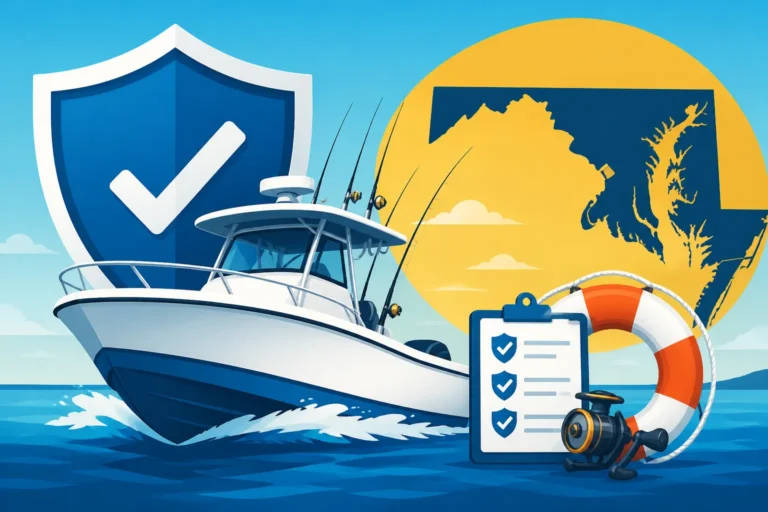
Let's be honest, stepping onto a boat, especially one heading out into the open Chesapeake Bay or the Atlantic, requires a leap of faith. You're entrusting your safety to the captain. This is precisely why the rigorous licensing process exists. A USCG-licensed captain has not only proven their navigational prowess but also their ability to handle emergencies. They are trained in first aid and CPR, understand fire suppression, and know how to operate essential safety equipment like life rafts, EPIRBs (Emergency Position Indicating Radio Beacons), and VHF radios.
Imagine a sudden squall, an unexpected mechanical issue, or even a medical emergency onboard. A properly licensed captain has been drilled on these scenarios. They know the protocols, they have the training, and they're required to have specific safety gear onboard and ensure it's in working order. This isn't just bureaucratic red tape; it's the foundation of your peace of mind. When you book a trip, you want to focus on the thrill of the catch, not whether your captain knows what to do if things go wrong. Knowing they hold the correct credentials means you can relax and truly enjoy the experience, whether you're targeting Maryland Blue Catfish, an Invasive Giant on the Potomac or Maryland's Most Popular Saltwater Gamefish offshore.
Ensuring Legal Compliance and Ethical Practices
Beyond safety, a licensed captain ensures that your fishing trip operates within the bounds of the law. This isn't just about avoiding fines; it's about ethical angling and contributing to the conservation efforts that keep Maryland's fisheries vibrant. Unlicensed operators might cut corners, disregard catch limits, or fish in closed areas, which not only puts the resource at risk but also reflects poorly on the entire fishing community.
Legitimate charter captains are integral partners in fisheries management. They typically report their catch data, adhere to all size and creel limits, and respect seasonal closures. This compliance helps state and federal agencies make informed decisions about fish populations and future regulations. By choosing a licensed charter, you're supporting sustainable fishing practices and ensuring that those incredible angling experiences will be available for generations to come. Platforms like FishingBooker often work to verify licenses, making it easier for you to find a captain who adheres to these important standards. It's a small but significant way you can vote with your wallet for responsible recreation.
How to Verify a Captain's Credentials
So, how can you be sure your chosen captain is properly licensed? It’s simpler than you might think, and most reputable captains are proud to share their credentials.
First and foremost, don't hesitate to ask. When you call to book a trip or communicate via email, simply inquire about their USCG license number and their Maryland DNR commercial license. A professional captain will have this information readily available and will be happy to provide it. Many will even display their licenses prominently on their website or on the boat itself.
Second, if you're booking through an online platform, those services often have verification processes in place. For instance, FishingBooker frequently highlights that their listed captains are licensed and insured, providing an extra layer of confidence. Look for these assurances when browsing. You might also find reviews that speak to the captain's professionalism and adherence to regulations.
Finally, upon boarding the vessel, take a moment to look around. Many captains will have their licenses framed or clearly visible in the cabin. If you don't see it, a polite request to view their credentials is perfectly acceptable. After all, you're a paying customer, and your safety and peace of mind are paramount. Choosing a legitimate charter means a better experience for everyone, supporting responsible tourism and ensuring the continued health of Maryland's fantastic fishing opportunities. Choosing a Licensed Captain in Maryland is a key part of planning your trip.
Here’s a quick overview of what to expect:
| License Type | Issuing Authority | Purpose | Passenger Limit | Vessel Type | Key Takeaway for Anglers |
|---|---|---|---|---|---|
| OUPV ("Six-Pack") | US Coast Guard | Operate uninspected vessels carrying passengers for hire | Up to 6 paying passengers | Uninspected (smaller boats) | Most common for recreational charters |
| Master's License | US Coast Guard | Command larger vessels or carry more passengers | More than 6 paying passengers | Inspected (larger boats) | Required for head boats, larger charters |
| Maryland DNR Commercial License | MD Department of Natural Resources | Permit for the commercial business of chartering | N/A (vessel permit) | All charter vessels operating in MD waters | Covers the charter vessel, often waives individual license for passengers |
This article is for general informational purposes only and does not constitute professional advice. Laws, prices and regulations vary by location and change over time. Consult a qualified professional for guidance on your specific situation.