What’s the Difference Between a Bullhead and a Channel Catfish?
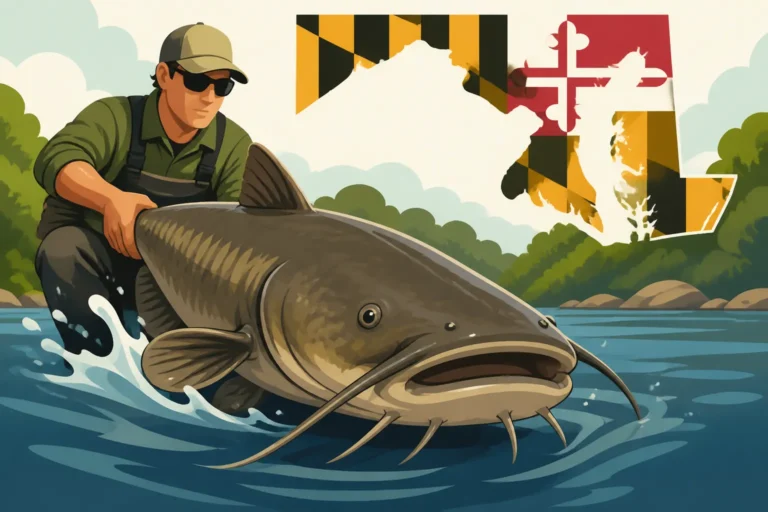
It’s a common scenario in Maryland: you’re out on the water, you feel that tell-tale tug, reel in a feisty catfish, and then you pause. Is it a bullhead? A channel cat? Or perhaps even something else? The world of catfish in our local waters can be a bit confusing, and correctly identifying your catch isn't just about curiosity; it can actually be important for understanding regulations, knowing what to expect from your table fare, and simply becoming a more knowledgeable angler. This guide is here to clear up that confusion, offering a deep dive into the specific differences between bullhead and channel catfish, so you can confidently tell them apart the next time one lands in your net.
Understanding Maryland's Catfish Landscape
Maryland is truly a fantastic place for catfish enthusiasts. From the vast expanse of the Chesapeake Bay and its tributaries to our tranquil freshwater lakes and ponds, these whiskered wonders thrive in a variety of environments. They're resilient, often plentiful, and always put up a good fight, making them a favorite target for anglers of all skill levels.
The Popularity of Catfish in Maryland
Catfish hold a special place in the hearts of many Maryland anglers. They're accessible, often found close to shore or in easy-to-reach river bends, and they aren't particularly picky eaters. This makes them a perfect target for a relaxed afternoon outing with the family, or for those seeking a dependable catch. The sheer variety, from the massive blue catfish making headlines in the Potomac to the more modest bullheads, ensures there's always a different challenge to pursue. Plus, many catfish species are excellent table fare, offering sweet, flaky meat that's a staple in Southern Maryland kitchens. Their abundance also means that finding good spots for Bottom Fishing Techniques for Maryland Catfish isn't too difficult throughout the state.
Why Identification Matters for Anglers
You might think, "A catfish is a catfish, right?" But for a seasoned angler, knowing precisely which species you've caught can be surprisingly important. First, while many species are abundant, some might have specific size or creel limits. You wouldn't want to accidentally keep an undersized fish or go over a limit because you misidentified it. You can always check the Maryland Fishing Size and Catch Limits by Species for detailed information.
Secondly, different catfish species have distinct tastes and textures. While all are generally good to eat, a channel catfish might have a slightly milder flavor compared to a bullhead, which some find a bit "muddy" depending on the water it came from. Knowing what you've got helps you prepare it appropriately. Finally, correctly identifying a fish helps you learn its habits, which in turn makes you a better angler. You'll start to understand why you caught a certain fish in a particular spot, under specific conditions, which is invaluable knowledge for future trips. It’s all part of becoming a true steward of our Maryland waters, understanding the ecosystem and your place within it.
Bullhead Catfish: The Hardy Bottom Dwellers
Bullheads are, in many ways, the quintessential "pond catfish." They're tough, adaptable, and can thrive in conditions that many other fish would find challenging. If you’ve ever caught a small, dark catfish in a murky pond, chances are it was a bullhead.
Key Identifying Features of Bullhead Catfish
When you pull a bullhead from the water, several characteristics usually jump out.
- Tail Shape: This is often the biggest giveaway. Bullheads have a square or slightly rounded tail fin. It won't have the deep fork that many other catfish species exhibit. Think of it as a flat, almost paddle-like tail.
- Body Coloration: Their color can vary quite a bit depending on the water they live in, but they're typically dark. You'll often see them in shades of dark brown, olive green, or even black on their backs, fading to a lighter, yellowish or white belly. They generally lack distinct spots.
- Head Shape: Bullheads tend to have a broader, somewhat flattened head relative to their body size, giving them a stout, "bull-headed" appearance – hence the name!
- Barbels: Like all catfish, they have prominent barbels (whiskers) around their mouth. On bullheads, these are usually dark, often matching their body color.
- Size: Most bullheads you catch in Maryland will be on the smaller side, usually ranging from 6 to 15 inches. While they can get larger, catching a bullhead over a couple of pounds is a solid trophy.
Common Bullhead Species in Maryland Waters
Maryland is home to a few different species of bullheads, each with subtle variations:
- Brown Bullhead ( Ameiurus nebulosus ): This is arguably the most common bullhead you'll encounter. They have mottled brown or black bodies, often with dark barbels. Their bellies are yellowish or whitish.
- Black Bullhead ( Ameiurus melas ): These are generally darker, sometimes nearly black, with a paler belly. A key distinction, if you look closely, is that the chin barbels of the black bullhead are often dark, while the brown bullhead’s chin barbels sometimes have a slightly lighter base. However, this can be tough to discern in the field.
- Yellow Bullhead ( Ameiurus natalis ): These are less common than their brown and black cousins, but you might find them. As the name suggests, they tend to have a yellowish to olive-brown body. Their most distinctive feature is often their white or yellow chin barbels, which contrast with their darker body. This is a very reliable identifier if you can see it clearly.
Regardless of the specific bullhead species, their robust nature and preference for still or slow-moving water makes them a fun and frequent catch for many anglers.
Where to Find Bullheads and How to Catch Them
Bullheads are incredibly adaptable and can be found across Maryland in a wide array of freshwater environments. Think small farm ponds, slow-moving creeks, shallow areas of larger reservoirs like Fishing Loch Raven Reservoir, and even some slightly brackish tidal rivers. They prefer soft, muddy bottoms and areas with plenty of submerged vegetation, logs, or other cover where they can hide and forage. You'll often find them tucked into quiet coves, beneath lily pads, or near fallen trees.
Catching bullheads doesn't require sophisticated gear. A simple spinning rod, a small hook (sizes 4 to 8 are usually perfect), and a piece of bait fished on the bottom is all it takes. They're not picky! Worms are always a winner, but cut bait, corn, or even dough balls can be effective. I remember one time, as a kid, I was fishing a local pond with my grandfather, and we were catching brown bullheads left and right using hot dogs we’d brought for lunch! They're active feeders, especially during low light conditions like dawn, dusk, or even at night. For specific bait recommendations, you might want to check out Best Bait for Catfish in Maryland Rivers. If you're looking for an easy, fun fishing experience, especially with kids, targeting bullheads is a fantastic option. Just be mindful of their pectoral and dorsal fins, as they have sharp spines that can deliver a painful poke if you're not careful when handling them! A good pair of fish-handling gloves, readily available on platforms like Amazon, can save your hands.
Channel Catfish: The Sleek, Spotted Swimmers
In contrast to the stocky bullhead, the channel catfish is a more streamlined, often larger, and highly prized game fish in Maryland. They are known for their strong fight and excellent table quality.
Key Identifying Features of Channel Catfish
Channel catfish present a different profile, making them relatively easy to distinguish from bullheads once you know what to look for:
- Tail Shape: The most defining characteristic is their deeply forked tail fin. This is a stark contrast to the bullhead's rounded or square tail and is usually the first thing anglers notice.
- Body Coloration: Channel cats typically have a silvery-gray or olive-green back, fading to a white or creamy belly. Younger and medium-sized channel catfish often have distinct dark spots along their sides, especially when they are fresh from the water. As they grow older and larger, these spots can fade or even disappear entirely, which can sometimes lead to misidentification with blue catfish, but we're not getting into that particular rabbit hole today! (Though if you're curious, What's the Difference Between a Blue Catfish and a White Catfish can help!)
- Head Shape: Their heads are more tapered and rounded than a bullhead's, blending smoothly into their body. They have a sleek, almost elegant appearance compared to the bullhead's robust build.
- Barbels: Their barbels are generally darker, similar to their body color.
- Size: Channel catfish grow significantly larger than bullheads. While you'll catch plenty in the 1 to 5-pound range, they can easily exceed 10 or 20 pounds in prime habitats. Catching a channel catfish in the upper teens is a truly exciting experience!
Channel Catfish Habitat and Angling Tips
Channel catfish prefer larger, deeper bodies of water with moderate to strong currents, though they are also highly adaptable. You'll find them in large rivers like Fishing the Potomac River in Maryland, the main stem of the Chesapeake Bay and its major tributaries, and many of our larger reservoirs and lakes. They favor areas with structure: submerged logs, rock piles, drop-offs, and channel edges. They use these areas for cover and to ambush prey as the current sweeps it by.
Angling for channel catfish can be incredibly rewarding. They are aggressive feeders and will readily strike a variety of baits. Cut bait (like fresh bunker or chicken liver), nightcrawlers, shrimp, and even stink baits are highly effective. A classic bottom-fishing rig, often with a slip sinker, works wonders. Look for areas where current breaks against structure, or where a channel runs alongside a flat. These are prime feeding zones. Unlike bullheads that are often content to lurk in thick muck, channel cats are more active predators, patrolling open waters and hunting. Having a sturdy rod and reel is a good idea, as these fish can put a serious bend in your rod. If you're gearing up, you might find a wide selection of robust rods and reels perfect for channel catfishing on Amazon.
Are Channel Catfish Common in Maryland Rivers?
Absolutely! Channel catfish are incredibly common and widespread throughout Maryland's freshwater and tidal systems. In fact, if you're targeting catfish in many of Maryland's larger rivers, like the Potomac, Susquehanna, or the tidal sections of the Patuxent and Choptank, you're more likely to encounter channel catfish than bullheads, especially as you move into deeper, more open waters. They thrive in these environments, often reaching impressive sizes. How Big Do Channel Catfish Get in the Potomac? is a popular question for a reason – they grow large there! Their adaptability has allowed them to colonize a vast range of habitats, making them one of the most reliable and exciting catches for anglers across the state. They are truly one of Maryland's angling treasures, providing countless hours of fun and delicious meals for local families.
Side-by-Side Comparison: Bullhead vs. Channel Catfish
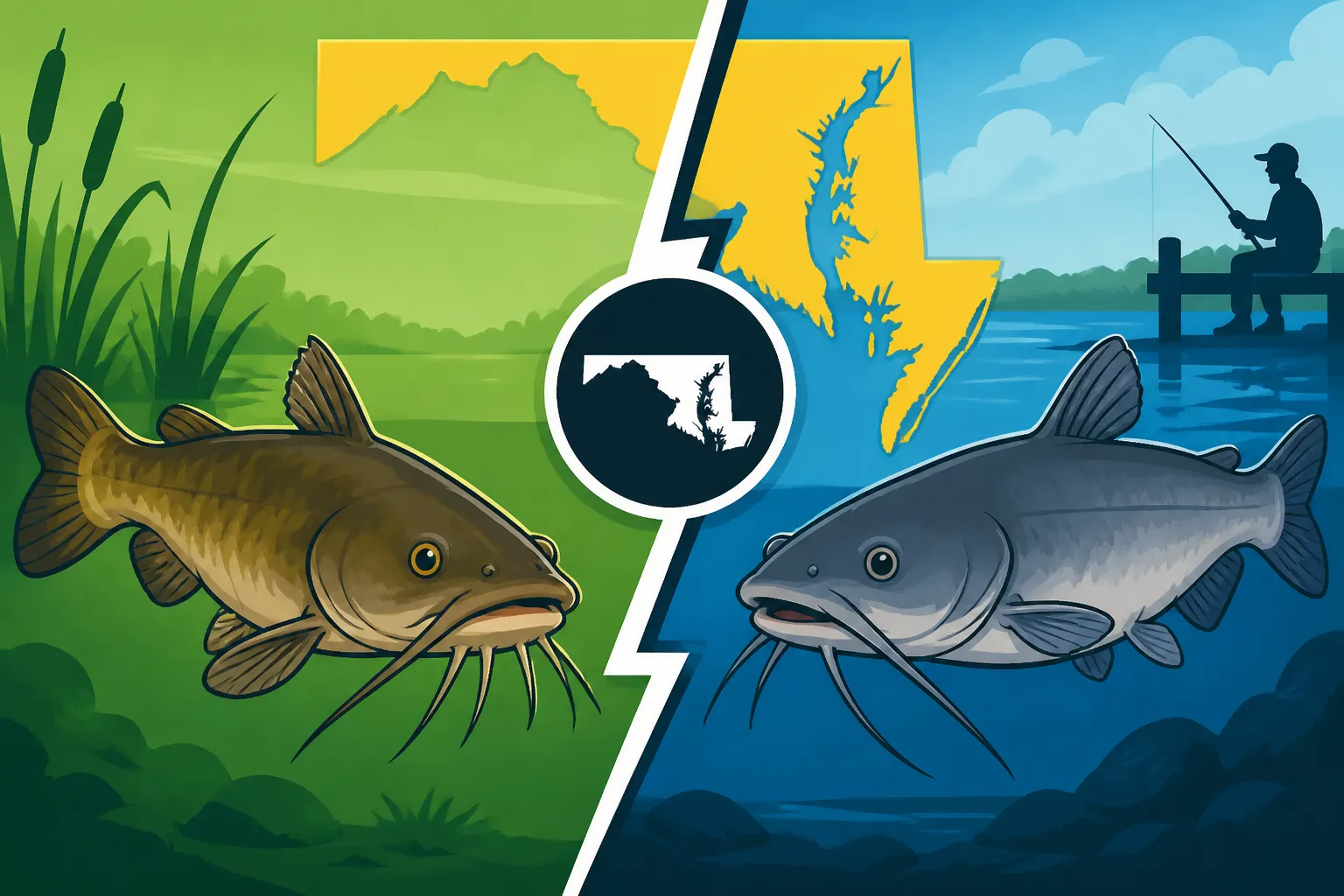
Let's get right to the heart of the matter and lay out the clearest distinctions between these two popular Maryland catfish. Once you know what to look for, telling them apart becomes second nature.
Visual Distinctions: Tail, Spots, and Head
The most obvious and reliable differences lie in their physical appearance, particularly their tails, the presence of spots, and their head shape.
- Tail Fin: This is your number one identifier.
- Bullhead: Possesses a square or slightly rounded tail fin. It's almost blunt at the end.
- Channel Catfish: Sports a distinctively deeply forked tail fin. This V-shape is unmistakable.
- Body Spots:
- Bullhead: Generally lack distinct spots. Their coloration is usually uniform, though it can be mottled.
- Channel Catfish: Younger and medium-sized fish typically have dark, irregular spots on their sides. These spots can fade significantly or disappear entirely as the fish ages, especially in very large specimens.
- Head Shape:
- Bullhead: Has a broader, somewhat flatter, and wider head that often seems disproportionately large for its body, giving it that "bull-headed" look.
- Channel Catfish: Features a more tapered, streamlined, and rounded head that flows smoothly into its body.
Habitat and Behavior Differences
Beyond their looks, bullheads and channel catfish also tend to inhabit different niches and exhibit somewhat different behaviors.
- Preferred Habitat:
- Bullhead: These are the ultimate survivors, thriving in smaller, often shallower, and sometimes murkier waters. Think farm ponds, slow-moving backwaters, ditches, and heavily vegetated areas. They're very tolerant of low oxygen levels and can handle warmer, less pristine conditions.
- Channel Catfish: While also adaptable, they generally prefer larger bodies of water with a good current, such as major rivers and large lakes. They seek out deeper channels, drop-offs, and structured areas where they can ambush prey. You'll find them in places like the Chesapeake Bay's main stem and its larger tributaries. Knowing the Difference Between a Tidal and Nontidal Maryland Fishing License might be relevant depending on where you plan to target them.
- Feeding Habits:
- Bullhead: Primarily scavengers and bottom feeders, they'll root around in the mud and vegetation for anything edible – insects, worms, small fish, decaying matter. They are less active predators.
- Channel Catfish: More opportunistic feeders. While they will scavenge, they are also active predators, hunting baitfish, crayfish, and larger invertebrates. They are generally more aggressive in their feeding.
- Size Potential:
- Bullhead: Typically remain smaller, rarely exceeding 1-2 pounds, though larger ones are caught.
- Channel Catfish: Grow much larger, commonly caught in the 3-10 pound range, with trophy fish exceeding 20 pounds.
Culinary Considerations and Fishing Strategies
The differences in species can also influence how you approach them from a culinary perspective and how you might adjust your fishing tactics.
- Table Fare:
- Bullhead: The meat is generally tasty, though some anglers report a "muddier" flavor, especially from fish caught in stagnant or poor-quality water. They have a good meat-to-bone ratio for their size, but cleaning many small bullheads can be tedious.
- Channel Catfish: Widely regarded as excellent eating, with white, flaky, mild-tasting meat. They are a popular choice for frying. The larger size of channel cats means more fillets per fish, making them a favored target for anglers looking to fill the cooler.
- Fishing Strategies:
- Bullhead: Best targeted with simple bottom rigs in shallow, structured, or weedy areas. Light tackle is usually sufficient, and a patient approach in low-light conditions often pays off. Worms and corn are often highly effective.
- Channel Catfish: Requires slightly heavier tackle due to their size and fighting power. Targeting channel edges, river bends, and deep holes with cut bait, chicken liver, or shrimp on a sturdy bottom rig is a common strategy. Fishing at night can be particularly productive for larger channel cats. Don't forget a strong headlamp from Amazon for those night excursions!
Here's a quick comparison table to help you remember the key differences:
| Feature | Bullhead Catfish | Channel Catfish |
|---|---|---|
| Tail Fin | Square or slightly rounded | Deeply forked (V-shaped) |
| Body Spots | Generally absent or very faint | Distinct dark spots (especially when young) |
| Head Shape | Broad, flatter, wider, "bull-headed" | Tapered, more rounded, streamlined |
| Typical Size | 6-15 inches, rarely over 2 lbs | 1-20+ lbs, commonly 1-5 lbs |
| Primary Habitat | Small ponds, shallow creeks, murky waters, dense cover | Larger rivers, deep channels, reservoirs, moderate current |
| Barbels | Dark (Brown/Black Bullhead), Yellow/White (Yellow Bullhead) | Dark |
| Edibility | Good, sometimes "muddy" flavor depending on water | Excellent, mild, flaky white meat |
Conclusion
Understanding the differences between a bullhead and a channel catfish doesn't just make you a more informed angler; it empowers you to better understand the diverse aquatic ecosystems here in Maryland. Whether you're pulling a small, feisty bullhead from a quiet farm pond or battling a hard-fighting channel cat in the currents of the Potomac, each fish offers a unique experience.
Now, with a clearer picture of their distinct features – that tell-tale tail fin, the presence or absence of spots, and their overall body shape – you'll be able to identify your catch with confidence. This knowledge not only helps you adhere to regulations, which you can always look up in the Maryland Fishing License Guide for 2026, but also enhances your appreciation for the rich variety of Maryland's aquatic life. So grab your rod, pack your favorite bait (maybe some chicken livers you can pick up on Amazon), and hit the water, ready to identify your next whiskered trophy!
Disclaimer
This article is for general informational purposes only and does not constitute professional advice. Laws, prices and regulations vary by location and change over time. Consult a qualified professional for guidance on your specific situation.