Summer Fishing Patterns on Maryland’s Chesapeake Bay
Ah, summer fishing on the Chesapeake Bay. It sounds idyllic, doesn't it? Warm sun, gentle breezes, the promise of a big rockfish on the line. But for us seasoned (and sometimes frustrated) anglers, we know the reality: summer fishing in Maryland can be a real head-scratcher. The scorching heat, dwindling oxygen levels, and a bay suddenly crowded with pleasure craft can make finding fish feel like searching for a needle in a haystack. This guide is here to unravel those tricky summer patterns, helping you adapt your techniques to keep those rods bending even when the mercury soars.
Understanding the Chesapeake Bay's Summer Challenges
Let's be honest, summer isn't always the easiest time to fish the Chesapeake Bay. While the longer days are a blessing for early birds and late owls, the conditions themselves can be pretty tough on our finned friends, and thus, on us! You're not imagining it if you find your usual spring spots empty; the Bay transforms quite a bit with the heat.
The Impact of Warm Water Temperatures
As the summer sun beats down day after day, the Bay's water temperatures steadily climb. What's comfortable for us swimmers and boaters becomes a real stressor for many fish species, especially our beloved striped bass. Cooler water holds more oxygen, and as the water warms up, oxygen levels naturally decrease. This forces fish to seek out cooler, deeper pockets or areas with strong current that keeps the water moving and oxygenated. They become lethargic and less active in the heat, making them less likely to chase down a fast-moving lure or commit to a bite. It’s a common frustration to see fish on the sonar but get no takers; often, they’re just too warm to bother. This shift means we, as anglers, have to be more strategic, focusing on specific times of day and targeting areas where fish can escape the heat.
Navigating Oxygen Depletion (Hypoxia)
Beyond just warm water, the Chesapeake Bay faces a unique challenge in summer: hypoxia, or low oxygen zones. Especially in the deeper channels of the main stem of the Bay, a phenomenon called stratification occurs. Warmer, less dense freshwater sits on top of cooler, saltier, denser water. This layering prevents oxygen from the surface from mixing down into the deeper layers. Organic matter decomposes in the deeper water, consuming what little oxygen is present. The result? Vast areas of the Bay, sometimes called "dead zones," where oxygen levels are too low to support most fish. This isn't just a minor inconvenience; it literally pushes fish out of huge sections of their usual habitat. When you’re out on the water, seeing a temperature and oxygen readout can be incredibly helpful for finding fishable water. These hypoxic zones are one of the main reasons why Maryland Striped Bass Season and Rockfish Rules often include strict conservation measures, especially during the warmer months, to protect the population.
Dealing with Increased Boat Traffic and Crowds
Another undeniable reality of summer on the Bay is the sheer volume of people. Weekends, holidays, and even pleasant weekdays see the Bay transform into a bustling highway of pleasure boats, jet skis, and kayakers. All this activity creates noise, wakes, and pressure that can scatter fish and make them even more wary. Trying to fish a prime spot only to have a speedboat zoom by 20 yards away with a massive wake can quickly ruin a peaceful morning. This increased traffic also makes it harder to maintain stealth, which is often key to success when fish are already stressed. It means that finding those quieter, less pressured areas or hitting the water at the crack of dawn before the masses emerge becomes even more critical for a productive outing.
Targeting Striped Bass in Summer
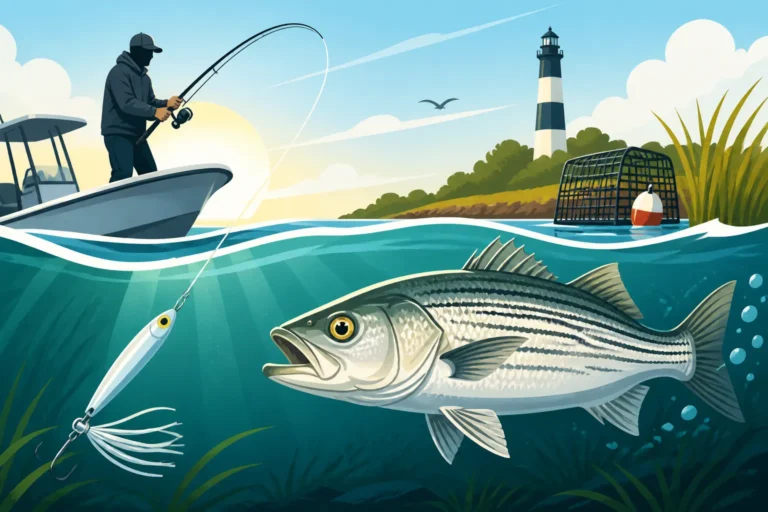
Ah, striped bass, or rockfish as we affectionately call them here in Maryland. Even with the summer challenges, they're still the main draw for many anglers. You just have to change your game plan significantly from the spring trophy season. Forget about those easy topwater blowups in the middle of the afternoon; summer rockfish demand dedication and a different approach.
The Early Morning and Late Evening Bite
This is probably the golden rule for summer striped bass fishing: get out there when it’s cool! As mentioned, warm water stresses these fish, making them lethargic during the brightest, hottest parts of the day. They become much more active and willing to feed during the cooler periods of dawn and dusk. The first hour or two after sunrise and the last hour or two before sunset are prime times. The surface water temperature is at its lowest, and baitfish are often more active near the surface as well. This makes it an ideal window for targeting stripers, even if it means setting your alarm for an ungodly hour. For deeper insights into this, check out our guide on the Best Time of Day to Fish Maryland's Chesapeake Bay. Anglers who rely on technology might find that a good fishfinder or even an underwater camera, easily found on platforms like Amazon, can help spot schools during these prime low-light hours.
Fishing Deep Water Structure and Drop-offs
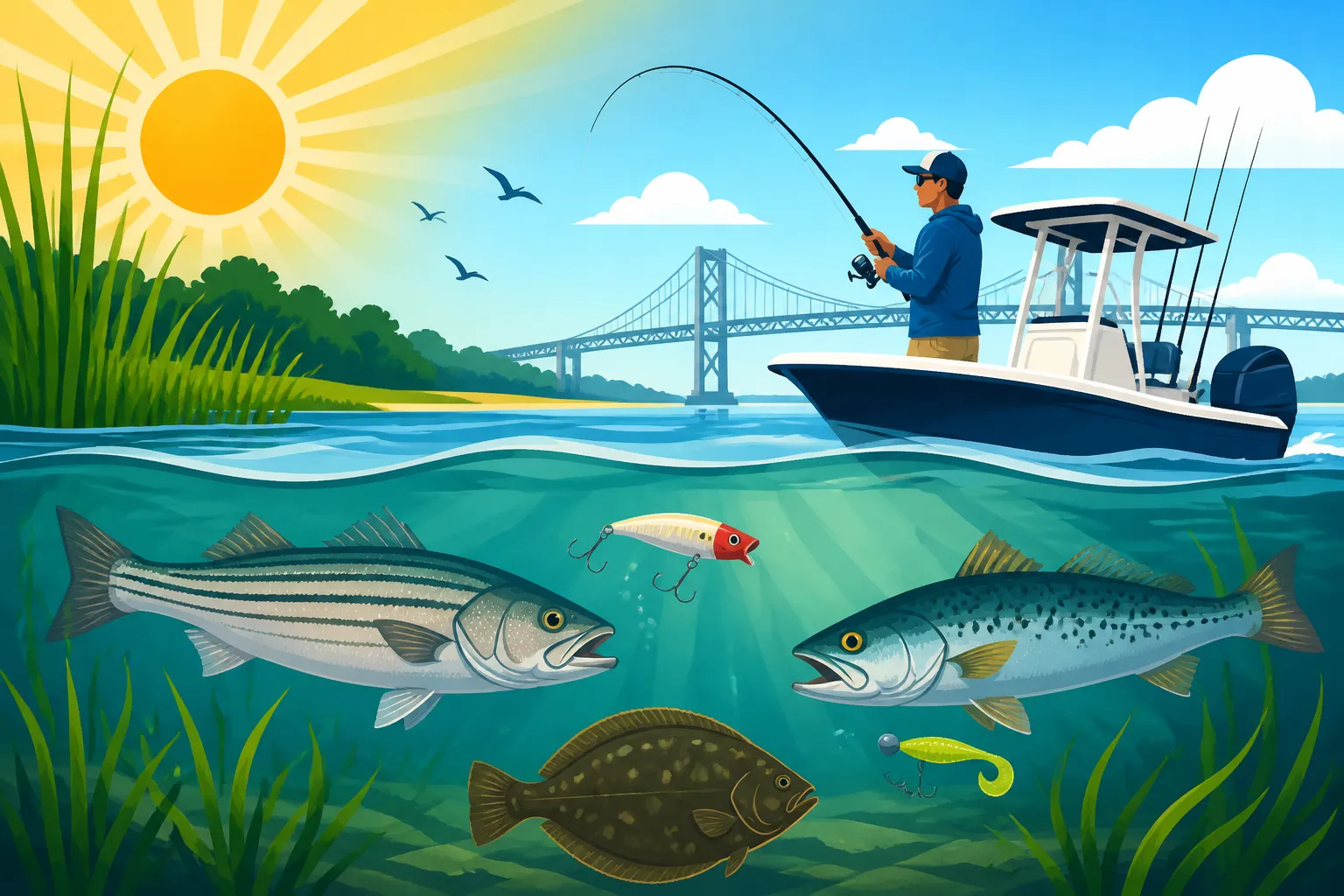
When the sun is high and the surface water is baking, striped bass don't just disappear; they move to seek refuge in deeper, cooler, and hopefully more oxygenated water. This means focusing your efforts on prominent underwater structures like channel edges, humps, ledges, and bridge pilings. The Chesapeake Bay Bridge pilings, for instance, are classic summer haunts. Look for areas where the bottom drops off sharply, creating a thermal refuge. These deeper spots also tend to concentrate baitfish, providing an attractive ambush point for stripers. Using your sonar to identify these contours and look for schools of bait and larger fish holding tight to the bottom is essential. Trolling deep with umbrella rigs or large spoons, or jigging heavy metal jigs directly over structure, can be very effective here. Remember, when you're fishing deep, a precise presentation is often more important than a frantic retrieve.
Live-Lining and Chumming Strategies
For many serious summer striper anglers, live-lining or chumming becomes the most effective strategy, especially in the Mid and Lower Bay. Live-lining involves using live baitfish, typically spot or white perch, hooked through the nose or back and allowed to swim naturally near schools of stripers. The natural movement and scent of the live bait are often irresistible to even sluggish summer rockfish. You'll often find anglers practicing Live-Lining Spot for Maryland's Chesapeake Bay Rockfish around channel edges or structure.
Chumming takes it a step further by creating a scent trail in the water to draw fish to your boat. This usually involves deploying a chum pot filled with ground menhaden or other oily bait. The scent drifts down-current, attracting fish to your general area, where you can then present live baits or chunks of cut bait. Both live-lining and Chumming and Chunking for Maryland's Chesapeake Bay Striped Bass are highly effective but require specific gear and a good understanding of current and tides. This method is often employed from an anchored boat over a known piece of structure or near a productive channel edge, offering a consistent presentation in often challenging conditions.
Finding Other Productive Species
While striped bass get a lot of the glory, summer on the Chesapeake Bay is a fantastic time to diversify your catch! In fact, sometimes the best way to beat the striper slump is to simply target other species that thrive in warmer waters. There are plenty of feisty fish out there to keep your lines tight and your cooler full.
Chasing White Perch and Yellow Perch
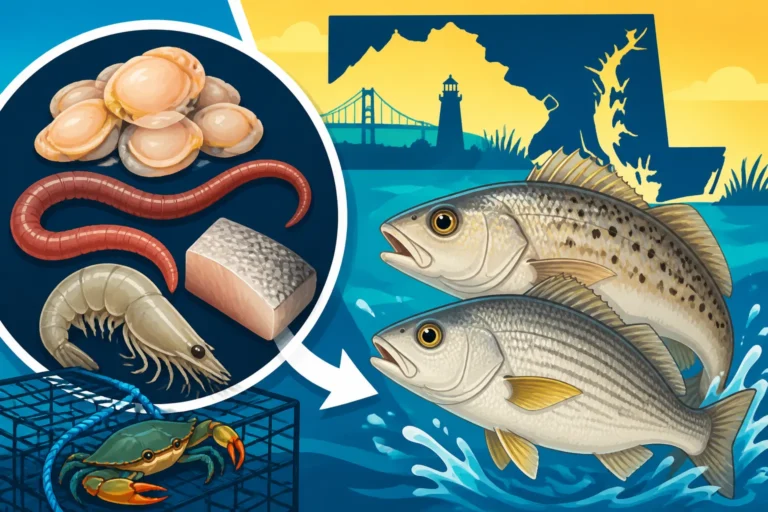
If you’re looking for consistent action and delicious table fare, white perch are your summer salvation. These aggressive little fighters are abundant throughout the Bay and its tributaries, and they love warm water. You can find them almost anywhere: around docks, piers, oyster beds, fallen trees, and channel edges. Light tackle fishing for white perch is incredibly fun and often provides non-stop entertainment. Small bottom rigs baited with bloodworms, grass shrimp, or pieces of peeler crab are deadly. You can also catch them on tiny jigs or spinnerbaits.
Yellow perch, while less common in the main Bay during summer, can still be found in the upper reaches of some tidal rivers and brackier tributaries. They tend to prefer slightly cooler, less saline waters than white perch. Targeting them often means heading further up rivers like the Nanticoke or the Choptank. They respond well to similar baits as white perch, though they might prefer slightly smaller presentations. If you're looking for an alternative, chasing White Perch in Maryland's Chesapeake Bay is a fantastic way to enjoy a summer day on the water, often without the need for specialized deep-water gear.
Hooking Up with Spot and Croaker
These delightful panfish are a quintessential part of summer Bay fishing. Spot, named for the dark spot behind their gills, are small, silvery, and put up a surprisingly good fight on light tackle. Croaker are a bit larger, with a distinctive "croaking" sound they make when caught. Both are incredibly delicious and provide fantastic action for anglers of all ages. You'll find them primarily in the Mid and Lower Bay, often over sandy or muddy bottoms. They love bloodworms, squid, or bits of peeler crab presented on a simple bottom rig. These fish are often found in large schools, so once you find them, the action can be fast and furious. They are particularly active during the day, making them an excellent target when the stripers are playing hard to get. Many families enjoy targeting these species from piers or smaller boats, as they are plentiful and relatively easy to catch.
Dealing with Invasive Blue Catfish and Snakeheads
While we celebrate native species, summer also brings prime opportunities to target two invasive powerhouses that thrive in warm water: blue catfish and northern snakeheads. Maryland encourages anglers to harvest these fish due to their detrimental impact on native ecosystems, and the good news is, they're excellent to eat!
Blue catfish are rampant in many of the Bay's tidal rivers, especially the Potomac, Patuxent, and Nanticoke. These whiskered giants grow to enormous sizes and are strong fighters. They'll readily take cut bait (like pieces of gizzard shad, menhaden, or even chicken liver) on a bottom rig. Fishing for them can be incredibly rewarding, both for the fight and for knowing you're doing your part to help the Bay. Learn more about Maryland Blue Catfish, an Invasive Giant.
Northern snakeheads are another invasive species that flourish in the warmer, shallower, vegetated waters of tidal rivers and creeks. They are incredibly aggressive ambush predators that will strike at a variety of lures, especially topwater frogs, chatterbaits, and swimbaits. Kayak anglers and those with smaller boats often have the most success targeting snakeheads by carefully navigating through lily pads and grass beds. It's crucial to understand Northern Snakehead in Maryland Waters rules, as it is illegal to release a live snakehead back into the water. These fish offer a truly unique and exciting summer fishing experience.
Summer Fishing Gear and Bait Considerations
Successfully tackling summer fishing on the Chesapeake Bay isn't just about knowing where the fish are; it's also about having the right tools for the job. The conditions demand a bit of a shift in your tackle box and bait bucket compared to the cooler months.
Light Tackle for Summer Fun
When you're targeting species like white perch, spot, and croaker, or even smaller summer stripers, opting for lighter tackle significantly enhances the experience. A medium-light spinning rod paired with a 2000-3000 series reel spooled with 10-15 lb braided line is perfect. This setup allows for accurate casting of smaller baits and lures, and it makes even a modest white perch feel like a heavyweight contender. Plus, lighter gear is less fatiguing to cast repeatedly in the summer heat. Even when targeting larger species like blue catfish, a medium-heavy setup is usually sufficient, allowing you to feel the bite better than with a heavy broomstick. For those long days out, having a comfortable, lightweight rod in hand, perhaps one you ordered from Amazon, can make all the difference.
Best Baits and Lures for Warm Water
Your bait selection is paramount in summer. Live bait often reigns supreme for many species. Live spot, peeler crab, and bloodworms are top choices for striped bass and many panfish. If live bait is hard to come by, fresh cut bait (like strips of menhaden or squid) works wonders for bottom feeders like catfish, spot, and croaker. For artificials, think about scent and action. Soft plastic lures infused with scent, small jigs tipped with Gulp! or similar artificial baits, and smaller crankbaits can be highly effective. For snakeheads, surface frog imitations or weedless soft plastics are king in the vegetation. Remember, warm water can make fish picky, so having a variety of offerings is often the best approach. Don't be afraid to experiment with different sizes and colors until you find what they're hitting on that day.
Essential Summer Fishing Accessories
Beyond just rods and reels, summer fishing demands a few key accessories for comfort and success. Hydration is critical; bring plenty of water and maybe even a cooler dedicated to drinks and snacks. Sun protection is a must: wide-brimmed hats, polarized sunglasses (essential for spotting shallow structure or cruising fish), and long-sleeved, breathable fishing shirts that offer UV protection. A good pair of pliers and a hook remover are indispensable for handling fish quickly and safely. For those long days on the water, a comfortable, quality seat cushion can also save your back, especially if you're often standing or sitting on hard boat surfaces. And of course, a reliable cooler to keep your catch fresh is non-negotiable! Brands like Yeti or Igloo offer excellent options for keeping ice frozen for extended periods, invaluable during hot summer trips.
Seasonal Hotspots and Strategies
The vastness of the Chesapeake Bay means that "summer fishing patterns" aren't uniform across the entire estuary. What works wonders in the Upper Bay might be completely ineffective further south. Understanding these regional nuances is key to maximizing your summer success.
Upper Bay Opportunities
The Upper Bay, from the Susquehanna Flats down to around the Bay Bridge, presents unique challenges and opportunities in summer. This area often sees significant freshwater input, which can create strong salinity gradients. Striped bass here will often retreat to deeper channels or congregate around cooler thermal refuges, such as the pilings of the Fishing Near the Chesapeake Bay Bridge or the deep water near the mouth of the Patapsco River. Early morning jigging or trolling deep with heavy spoons can produce results. However, this region truly shines for white perch and blue catfish in summer. The tributaries, like the Bush, Gunpowder, and Northeast rivers, are absolutely teeming with white perch, often providing non-stop action around docks, submerged structure, and channel bends. For blue catfish, the Susquehanna and Elk Rivers are prime real estate, offering opportunities for truly massive fish. Focusing on these alternative species often yields a more consistent bite here.
Mid-Bay Productive Zones
The Mid-Bay, stretching from the Bay Bridge down to the Patuxent River, is where the Bay's complexity really comes into play. Deep channels, oyster reefs, and numerous tributaries offer a diverse range of habitats. In summer, this region becomes a prime area for live-lining spot for striped bass, particularly around popular spots like Thomas Point, Hacketts Bar, and the various channel edges leading into the major rivers. The cooler, deeper water pockets here become crucial. Anglers often employ chumming techniques in this area to draw fish in. Beyond stripers, the Mid-Bay is a fantastic zone for spot and croaker, especially in the shallower, sandy areas near the mouths of rivers like the Choptank and the Eastern Bay. These panfish congregate in large schools, providing excellent light-tackle fun. During this time, it's particularly important to stay up-to-date on Maryland's 2026 Striped Bass Season Dates as rules can change.
Lower Bay and Coastal Strategies
As you move further south into the Lower Bay, the water becomes saltier and often clearer, with larger expanses of open water and fewer major tributaries compared to the Mid and Upper Bay. Striped bass here can be found patrolling deeper structure or congregating around bait schools offshore. Trolling larger baits or umbrella rigs in the main channel is a common strategy. This area also sees a stronger presence of other saltwater species that thrive in the higher salinity. Flounder become a more viable target, often found drifting over sandy or muddy bottoms near inlets and bay mouths, eager to ambush a jig tipped with a minnow or squid. Black sea bass can be caught around wrecks and reefs further offshore, while bluefish make their seasonal appearances, often found chasing bait schools on the surface. For a different experience, consider heading out towards the ocean, where offshore charters out of Ocean City target species like tuna and mahi-mahi in the warmer Atlantic waters.
Navigating Regulations and Safety in Summer
Summer isn't just about fish patterns; it's also a time when regulations are often at their most stringent, and safety on the water becomes paramount due to increased activity and heat. Staying informed and prepared is crucial for a smooth and legal fishing trip.
Key Regulatory Changes for Summer Species
Maryland fishing regulations are dynamic, and summer often brings specific adjustments, particularly for popular species like striped bass. For instance, there might be specific slot limits, reduced creel limits, or even complete closures in certain areas or during specific weeks, such as Fishing Maryland During the August Rockfish Closure. These measures are put in place to protect fish when they are most vulnerable to stress from warm water and spawning activities. It's imperative that every angler, before heading out, consults the current Maryland Department of Natural Resources (DNR) fishing guide or website. Ignorance of the law is no excuse, and violating regulations can lead to significant Maryland Fishing License Penalties for Violations. Always double-check size limits, daily bag limits, and any special restrictions for the waters you plan to fish. Don't forget, you'll need a Maryland Fishing License Guide for 2026 to get started!
Essential Summer Boating and Angler Safety
Safety on the water is non-negotiable, especially in summer. The combination of heat, sun, and increased boat traffic elevates the risks. Always wear a personal flotation device (PFD), or at least have one readily accessible for everyone on board. Overheating and dehydration are serious concerns; drink plenty of water, wear appropriate sun protection (hats, sunglasses, long-sleeved UV shirts), and seek shade when possible. If you're on a boat, ensure all your safety equipment is up-to-date and functional, including flares, whistles, and a first-aid kit. File a float plan with someone on shore, letting them know where you're going and when you expect to return. Be extra vigilant for other boats, especially jet skis and inexperienced operators, and understand How Tides Affect Fishing in Maryland's Chesapeake Bay and currents can impact your boat's position, especially around popular fishing spots.
Respecting the Environment
As stewards of the Bay, anglers have a responsibility to protect its fragile ecosystem, especially during the busy summer months. Practice catch-and-release responsibly, minimizing stress on fish. Handle fish gently, keep them in the water as much as possible, and use appropriate tools for hook removal. For species you intend to keep, dispatch them quickly and humanely, and get them on ice immediately. Never, ever litter; pack out everything you pack in, and perhaps even a little more if you find trash left by others. Be mindful of prop scars in shallow grass beds, which can take years to heal. By following these practices, we ensure that the Bay remains a vibrant and healthy fishery for generations to come, allowing future anglers to enjoy the thrill of catching fish during what can be some of the most challenging, yet rewarding, times of the year.
Disclaimer
Fishing regulations and conditions in Maryland can change frequently. Always consult the latest Maryland Department of Natural Resources (DNR) official publications and advisories before heading out on the water. This guide is for informational purposes only and does not constitute legal advice or an exhaustive list of all regulations.