Where Do Northern Pike Live in Maryland?
Many Maryland anglers dream of reeling in a formidable northern pike, picturing these aggressive, toothy predators lurking in local waters. But if you’ve spent hours casting in various lakes and rivers across the state with no pike to show for it, you’re not alone – it can be incredibly frustrating when you hear whispers of these powerful fish, only to find nothing. The truth is, northern pike in Maryland are quite specific about where they make their home. This comprehensive guide will cut through the rumors and point you directly to the pike's prime real estate in the Old Line State, helping you understand their habitat and significantly increase your chances of a successful encounter.
The Primary Home of Maryland's Northern Pike: Deep Creek Lake
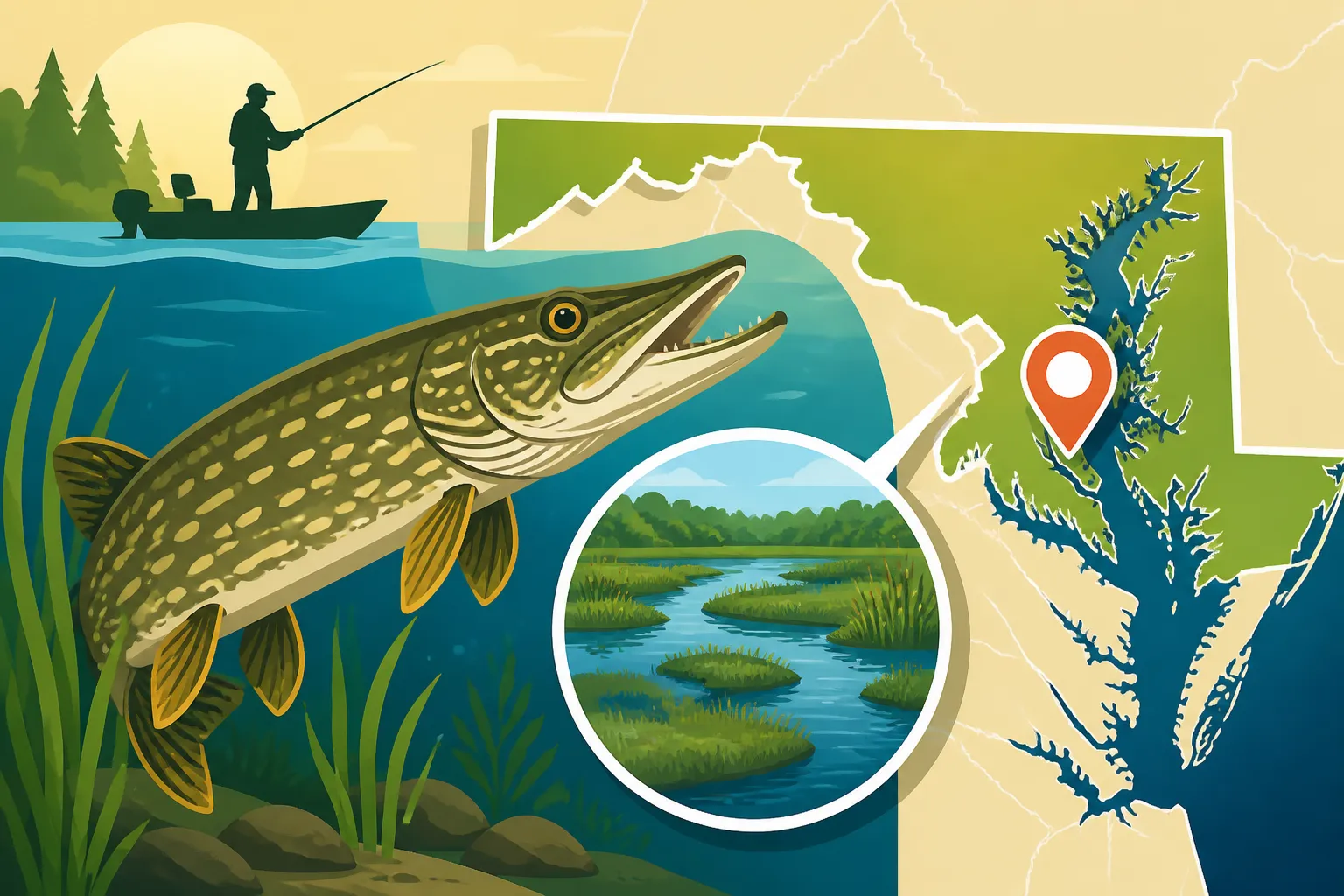
Let's not beat around the bush: if you're serious about finding northern pike in Maryland, your GPS needs to be set for Deep Creek Lake in Garrett County. This large, pristine lake nestled in the mountains of Western Maryland is the undisputed stronghold for these impressive freshwater predators. While the idea of pike in other parts of the state might spark excitement, the reality is that Deep Creek Lake offers the only truly established, self-sustaining population where you can consistently target them.
Why Deep Creek Lake is a Pike Paradise
Deep Creek Lake isn't just a random spot; its unique environmental conditions are perfectly suited for northern pike to not only survive but thrive. Pike are cold-water fish, and Deep Creek Lake, with its high elevation and considerable depth (over 70 feet in some areas), provides ample cold, oxygen-rich water even during the warmest summer months. This is crucial for their survival and growth.
The lake's structure is another key factor. It boasts a diverse underwater landscape, including expansive weed beds, submerged timber, rocky points, and dramatic drop-offs. These features create ideal ambush points and hiding places for pike, allowing them to stalk their prey with deadly efficiency. Furthermore, Deep Creek Lake supports a robust forage base, with abundant populations of yellow perch, shiners, sunfish, and other smaller fish, providing a steady diet for growing pike. This rich ecosystem means the pike here can grow to impressive sizes, offering a real challenge for anglers. It's a truly special fishery, providing an experience that mirrors pike fishing further north, which is rare for Maryland. You can learn more about this incredible fishery in our Deep Creek Lake Fishing Guide.
Prime Pike Hunting Grounds Within Deep Creek
Knowing where pike live is one thing, but knowing where within the lake to find them is another. Northern pike are ambush predators, so they're almost always found relating to some form of cover or structure.
- Weed Lines and Edges: These are classic pike haunts. Look for areas with dense aquatic vegetation, especially where the weeds meet open water or drop-offs. Pike will hide in the weeds, perfectly camouflaged, waiting for an unsuspecting baitfish to swim by. The transition zones are particularly productive.
- Submerged Timber and Fallen Trees: Like many predators, pike love to hang out around submerged wood. These areas provide shade, cover, and a perfect spot from which to launch an attack. Target logs, stumps, and brush piles, especially those near deeper water.
- Coves and Points: Shallow coves, especially those with weed growth, can be excellent in spring and fall when pike move shallower. Points that extend into deeper water, creating current breaks or funneling baitfish, are also prime locations.
- Deep Water Drop-offs: During the summer, when surface temperatures rise, pike will often retreat to deeper, cooler waters. Focus on areas where the lake bottom drops off sharply, using sonar to locate submerged structure or baitfish schools along these edges.
- The Upper Lake Sections: The shallower, often weedier sections of the lake towards the north end can be very productive, particularly in cooler months or during periods when pike are actively feeding on smaller prey in less profound water.
Understanding these areas is key to unlocking the lake's pike potential. Keep an eye out for these visual cues as you navigate the lake, and you'll be on your way to a more successful trip.
Seasonal Patterns for Deep Creek Lake Pike
Pike behavior, like that of most fish, changes with the seasons. Understanding these patterns is critical for targeting them effectively.
- Spring (Ice-out to early May): After the ice melts, pike become very active. They move into shallower bays and coves to spawn. This is an excellent time to target them, as they're often found in accessible areas and are aggressively feeding to recover from spawning. Look for them in less than 10 feet of water.
- Summer (June to August): As water temperatures rise, pike will generally move to deeper, cooler sections of the lake. They'll still relate to structure like weed lines and drop-offs, but these features will likely be in deeper water. Early morning and late evening can be productive in shallower areas as they temporarily move up to feed.
- Fall (September to November): This is often considered one of the best times to target pike. As water temperatures cool, pike become incredibly active and aggressive, feeding heavily in preparation for winter. They'll move back into shallower weed beds, coves, and along prominent points.
- Winter (December to March): Deep Creek Lake offers fantastic Ice Fishing at Deep Creek Lake, Maryland opportunities, and pike are a prime target. They remain active under the ice, often cruising along weed edges or near drop-offs. Jigging with large spoons or setting tip-ups with live bait can be very effective during this season.
By adapting your approach to the season, you can significantly improve your chances of encountering one of Deep Creek's powerful pike.
Debunking Pike Myths and Misconceptions in Maryland
It's common for anglers, especially those new to the state or specific fisheries, to get excited about a fish that looks like a pike, only to find out it's something else entirely. Maryland has a few species that often get mistaken for northern pike, leading to confusion about their distribution.
Northern Pike vs. Chain Pickerel: A Common Case of Mistaken Identity
One of the biggest sources of confusion is the chain pickerel. These fish are much more widespread in Maryland, found in many nontidal rivers, ponds, and reservoirs, as well as the upper, less saline reaches of tidal rivers. Pickerel share some visual similarities with pike – they're elongated, predatory, and have a similar "duckbill" mouth full of sharp teeth. However, there are distinct differences:
| Feature | Northern Pike (Esox lucius) | Chain Pickerel (Esox niger) |
|---|---|---|
| Size | Can grow very large, commonly 24-40+ inches | Smaller, typically 15-24 inches, rarely over 30 |
| Coloration | Dark green to olive with light, bean-shaped spots | Green to bronze with distinctive chain-like pattern |
| Snout | Slightly flatter, wider | Longer, more pointed |
| Cheeks & Gill Covers | Cheeks fully scaled, lower half of gill cover unscaled | Both cheeks and gill covers fully scaled |
| Habitat | Cold, clear, deeper lakes (Deep Creek) | Warmer, weedier ponds, rivers, reservoirs, tidal creeks |
As you can see, while they look similar at a glance, key features differentiate them. Many reports of "pike" outside of Deep Creek Lake are, in fact, encounters with large chain pickerel. You can often find pickerel in Eastern Shore millponds or even slow-moving creeks that feed into the Chesapeake Bay, places where you would absolutely not find a true northern pike.
The Unlikely Tale of Pike in Other Maryland Waters
Occasionally, you might hear a story about someone catching a "pike" in a reservoir or river far from Deep Creek. While it's not impossible for a few individual pike to have been accidentally stocked or released (illegally) into other water bodies, these instances are extremely rare and generally do not lead to established, self-sustaining populations. The vast majority of Maryland's freshwater systems simply lack the year-round cold water, depth, and specific habitat structure that pike require. So, while a stray might turn up, it's not something you can reliably target elsewhere. Many of these reports, again, often turn out to be chain pickerel or even our other notorious invasive species, the Northern Snakehead in Maryland Waters, which also has a long, predatory body and can be found in many tidal rivers and reservoirs. It's important to know the difference! Check out Maryland Invasive Fish Rules: Blue Catfish and Snakehead for more details on those.
Why the Chesapeake Bay is Not Pike Territory
To put it plainly, the Chesapeake Bay and its brackish waters are simply not suitable for northern pike. Pike are strictly freshwater fish, intolerant of salinity. The Bay's environment, characterized by varying degrees of salt content and generally warmer water temperatures, particularly in the sprawling main stem, means pike cannot survive or reproduce there. If you're fishing the Bay and catch a long, toothy fish, it's highly likely to be a large snakehead in the tidal freshwater tributaries, a striped bass, or even a very robust chain pickerel in the freshest sections of the rivers that feed the Bay. Don't waste your time casting for pike in the Bay itself – you'll be much better off targeting species that truly thrive in that unique ecosystem.
The Ideal Habitat: What Northern Pike Really Need to Thrive
Understanding the specific biological and environmental needs of northern pike helps clarify why their presence in Maryland is so limited. These are not adaptable generalists; they are creatures of specific environments.
Key Environmental Factors for Pike Survival
Northern pike have distinct requirements for their environment. Foremost among these is water temperature. They prefer cooler waters, typically thriving in temperatures between 50 and 70 degrees Fahrenheit. While they can tolerate warmer periods, prolonged exposure to high temperatures (above 75-80°F) can be stressful or even lethal. This is why Deep Creek Lake, with its deeper, colder zones, is so crucial. Most other Maryland lakes and rivers experience much warmer summer temperatures that are simply too hot for pike to sustain themselves over the long term.
Oxygen levels are also important. Pike need well-oxygenated water, which is often a feature of colder, moving water or deep lakes. Water clarity is another factor; while they can hunt in murky water, they generally prefer clear to moderately clear conditions, allowing them to utilize their sight-hunting abilities. The bottom composition also matters, with preferences for soft, silty bottoms near vegetation for spawning and harder bottoms for lurking. These combined factors are rarely met across broad sections of Maryland, which is why Deep Creek Lake truly stands out.
Structure and Cover: Pike's Ambush Points
Beyond the environmental factors, pike are highly dependent on structure and cover for their predatory lifestyle. They are not open-water cruisers like some pelagic species. Instead, they prefer to lie in wait, concealed, ready to launch a sudden, explosive attack on unsuspecting prey.
Think about areas with:
- Dense Weed Beds: Especially large, healthy beds of submerged vegetation like milfoil or coontail. Pike will position themselves just inside the weed line or in pockets within the weeds.
- Lily Pads and Cattails: These provide overhead cover and ambush points in shallower areas, particularly in spring and fall.
- Fallen Trees and Log Jams: Any kind of woody debris in the water offers excellent cover. Pike will hide among the branches, using the shadows and complexity to their advantage.
- Docks and Piers: Man-made structures can also attract baitfish and provide shade, drawing in pike.
- Rocky Points and Drop-offs: These areas create current breaks and funnel points for baitfish, making them ideal ambush locations.
When you're out on Deep Creek Lake, always be thinking like a pike: "Where would I hide to surprise my dinner?" That's usually where you'll find them.
Preparing to Pursue Pike in Maryland: Gear and Tactics
So, you're ready to head to Deep Creek Lake and try your luck at catching one of these impressive fish. Pursuing northern pike isn't like casually fishing for panfish; you need to be prepared for their aggressive nature and sharp teeth.
Essential Gear for Northern Pike Anglers
Pike fishing requires gear that can stand up to a powerful fight and sharp teeth. Don't skimp on this, or you'll regret it!
- Rods and Reels: You'll want a medium-heavy to heavy action spinning or baitcasting rod, typically 6'6" to 7'6" long. Pair this with a sturdy reel spooled with at least 15-20 lb monofilament or 30-50 lb braided line. Braided line is often preferred for its strength and sensitivity.
- Leaders: This is non-negotiable. Pike have razor-sharp teeth that can easily slice through regular monofilament or fluorocarbon line. You must use a steel, titanium, or heavy fluorocarbon leader (60-80 lb test) that is at least 12-18 inches long. You can find excellent quality leaders and other terminal tackle on platforms like Amazon, ensuring you're well-equipped for those sharp chompers.
- Pliers and Hook Removers: Pike often swallow lures deeply, and their teeth make reaching in with bare hands dangerous. Long-nosed pliers, hook-out tools, or even jaw spreaders are essential for safe de-hooking.
- Landing Net: A large, sturdy landing net with rubberized mesh is highly recommended. It protects both the fish (if you plan to release it) and your hands from those teeth.
Investing in the right gear will not only protect you but also ensure a better chance of landing a big pike once it strikes.
Top Lure Choices for Maryland Pike
Pike are opportunistic predators, and a variety of lures can entice them. The key is often using larger baits that mimic the forage fish they're accustomed to eating.
- Spinnerbaits: Large spinnerbaits with tandem blades are excellent, particularly when worked along weed edges or through sparse cover. The flash and vibration are highly attractive.
- Spoons: Classic metal spoons, especially those with a wobbling action, are perennial pike favorites. Silver, gold, or brass colors often work well, especially on sunny days.
- Jerkbaits/Stickbaits: Larger suspending or floating jerkbaits can be incredibly effective, especially when twitched and paused, mimicking a wounded baitfish. Look for models in the 5-8 inch range.
- Large Soft Plastics: Swimbaits, grub tails, or soft plastic jerkbaits rigged on heavy jig heads can be deadly, particularly when worked near the bottom or along drop-offs.
- Bucktail Jigs: For a more traditional approach, heavy bucktail jigs can be very effective, especially when casting or jigging in deeper water.
Don't be afraid to experiment with sizes and colors. Sometimes a brightly colored lure can trigger a strike, while other times a more natural pattern is preferred. Platforms like Amazon offer a vast selection of these lures, allowing you to stock up before your trip and compare different brands and styles.
Best Times and Techniques for Catching Deep Creek Pike
While knowing where they live is crucial, knowing how and when to present your bait is what seals the deal. We've already touched on seasonal patterns, but let's refine the techniques.
- Casting to Cover: This is a fundamental technique. Fan-cast around weed lines, submerged timber, and along drop-offs. Vary your retrieve speed and add pauses to entice strikes. Pay close attention to any sudden changes in the retrieve or a subtle tap, as pike sometimes just "mouth" the lure before fully committing.
- Trolling: Especially effective in summer when pike are deeper or when you're covering large areas of the lake. Use large crankbaits, spoons, or even live bait rigs trolled at a slow to moderate speed. Vary your depth until you find the fish. You can find specialized trolling gear and planer boards on Amazon if you really want to expand your capabilities.
- Jigging: During winter ice fishing, vertical jigging with heavy spoons or large jigging raps is a popular and effective method. In open water, jigging near structure or bait schools in deeper water can also yield results.
- Live Bait: If legal, live minnows or large shiners fished under a bobber near weed edges or on a bottom rig can be incredibly effective, especially for larger, more wary pike. Just be sure to check local regulations on bait fish use.
Remember, pike are aggressive, but they can also be finicky. Be persistent, change up your lures and retrieve, and cover plenty of water. Your patience will eventually be rewarded with a memorable fight from one of Maryland's true freshwater titans. To maximize your chances, consider reading up on How Big Do Northern Pike Get in Maryland? and Northern Pike in Maryland's Western Waters, as well as specific tactics like Techniques for Catching Northern Pike at Deep Creek Lake and Best Lures for Pike at Deep Creek Lake.
Disclaimer
This article is for general informational purposes only and does not constitute professional advice. Laws, prices and regulations vary by location and change over time. Consult a qualified professional for guidance on your specific situation.