Best Time of Day for Walleye at Deep Creek Lake
Trying to pin down the elusive walleye at Deep Creek Lake can sometimes feel like chasing a ghost. You hear tales of massive catches, but when you hit the water, it's often crickets, leaving you wondering if you're just not there at the right moment. This guide is all about demystifying the walleye bite and revealing the best times of day to target these finicky but rewarding fish in Maryland's largest freshwater lake.
Understanding Walleye Behavior at Deep Creek Lake
Walleye are fascinating fish, highly adapted predators whose behavior is largely dictated by their unique physiology and the environment they inhabit. Cracking the code to consistently catching them starts with understanding these fundamental aspects, especially in a diverse body of water like Deep Creek Lake.
Walleye's Light Sensitivity
One of the most crucial factors influencing when and where walleye feed is their keen light sensitivity. Unlike many other gamefish, walleye have eyes that are particularly well-suited for low-light conditions. Their large eyes possess a reflective layer called the tapetum lucidum, which acts like a built-in night vision enhancer, allowing them to see exceptionally well in dim light. This is why you'll often hear anglers talk about them being "crepuscular," meaning they're most active during twilight hours.
This specialized vision is a double-edged sword for the walleye. While it gives them a distinct advantage over their prey during dawn, dusk, and even nighttime, it also means they actively shy away from bright sunlight. On a sunny, cloudless day, walleye will retreat to deeper, darker waters or seek out heavy cover like submerged timber, weed beds, or rocky ledges where the light penetration is reduced. They essentially become more sedentary during these bright periods, conserving energy and waiting for more favorable conditions to hunt. Trying to catch them under a high sun without understanding this is a common frustration for many anglers.
When the light levels drop, their world changes. As the sun dips below the horizon in the evening, or just as it's beginning to paint the sky with color in the morning, walleye suddenly gain the upper hand. Their prey species, often possessing less light-sensitive eyes, become more vulnerable. This is their prime hunting window, and they'll often move from their deep-water sanctuaries or hidden covers into shallower feeding grounds, actively chasing baitfish. Understanding this transition is the foundation for successful walleye fishing at Deep Creek Lake.
Deep Creek Lake's Unique Characteristics
Deep Creek Lake isn't just any lake; it's a high-altitude, relatively clear-water reservoir in Western Maryland, and its specific characteristics significantly influence where and when walleye are found. Its average depth is considerable, reaching over 70 feet in some areas, and it has a rocky bottom composition with abundant submerged structure, ledges, and channels.
The lake's water clarity, particularly outside of heavy runoff events, means that sunlight can penetrate quite deeply. This reinforces the walleye's preference for low light, pushing them even deeper during bright midday periods than they might be in a more stained or turbid body of water. Clear water also means walleye rely heavily on their eyesight for hunting, making presentation and lure color even more critical when light levels are changing. You can learn more about general fishing at the lake in our guide on Deep Creek Lake Fishing Guide for Maryland Anglers.
Furthermore, Deep Creek Lake is known for its relatively cool water temperatures, especially in its deeper sections. While walleye tolerate a wide range of temperatures, they generally prefer cooler water. During the heat of summer, the cooler, oxygenated water found deeper in the lake provides crucial thermal refuge. This means that even during prime low-light hours, walleye might not come as shallow as they would in a warmer, shallower lake. They might still be found around deeper points, humps, or channel edges, simply moving up in the water column or closer to structure rather than pushing right to the shoreline. Understanding the lake's topography and how these fish relate to it is key to maximizing your chances.
Prime Times for Walleye Action: Dawn and Dusk
If you talk to any seasoned walleye angler, especially one who spends time on lakes like Deep Creek, they'll almost universally agree on two "magic hours": dawn and dusk. These are the periods when walleye activity peaks, offering the best chances for a consistent bite.
The Magic of Early Morning Bites
There’s something truly special about being on the water as the first hints of light appear over the Appalachian hills surrounding Deep Creek Lake. The air is often still, the lake surface calm, and the world is just waking up. This serene environment is precisely when walleye become most active. As the sky transitions from dark to dim gray, their superior low-light vision gives them a significant advantage over sleepy baitfish like perch, shiners, and alewives, which might still be a bit sluggish or less aware in the dim light. The cooler morning temperatures are also a big draw for walleye, signaling a comfortable feeding window.
During this time, walleye often move from their deeper resting areas up onto shallower flats, points, and humps that are adjacent to deeper water. They might be cruising weed lines, rocky outcrops, or along channel edges, actively looking for an easy meal. This is when lures that mimic natural baitfish, such as jerkbaits, crankbaits, or swimbaits, can be incredibly effective. Consider casting these lures into areas where you know there’s structure or baitfish activity. A slower retrieve is often more productive, giving the walleye a chance to home in on the subtle vibrations and silhouettes. Many anglers find success by targeting structure points that extend into deeper water, as these act as natural highways for walleye moving between their day and night haunts.
The window of opportunity can be surprisingly short once the sun fully clears the horizon and really starts to brighten the water, so being on the water well before sunrise and having your lines ready is paramount. It means setting the alarm clock extra early, but the reward of a solid walleye hook-up as the lake awakens is absolutely worth it. You can explore more techniques tailored for these conditions in our detailed guide on Techniques for Catching Walleye at Deep Creek Lake.
Evening Feeding Frenzies
Just as the sun's first rays ignite the morning bite, its slow descent towards the western horizon triggers another equally potent feeding window for walleye: dusk. This transition from daylight to darkness is, for many anglers, the most reliable time to catch these sought-after fish at Deep Creek Lake. The process is a mirror image of the morning: light levels drop, water temperatures begin to cool slightly, and walleye once again capitalize on their visual advantage.
As evening approaches, walleye that have spent the brighter parts of the day hunkered down in deeper sections or dense cover will start to move. They'll migrate towards shallower feeding areas, often following the same submerged structures, drop-offs, and points they used in the morning. This is the time to really focus on those humps, ledges, and shoreline breaks where baitfish congregate. Lure choices are similar to the morning, with crankbaits, soft plastic paddle tails on jig heads, and even spoons being highly effective. Work these lures slowly and deliberately, allowing them to bump bottom or tick off structure. The key is to present a natural-looking profile that a walleye can easily ambush in the fading light.
Many anglers find that trolling at slow speeds with shallow-running stickbaits or deeper diving crankbaits can cover more water during this prime evening period, increasing the chances of encountering an active fish. As the light fades completely into night, the walleye may venture even shallower, offering exciting opportunities for those who choose to continue fishing into the darkness. There's a particular satisfaction in watching the sunset over Deep Creek Lake, knowing that as the colors fade, your chances of a trophy walleye are only getting better. For tips on when to fish throughout the year, check out Best Time of Year to Fish in Maryland.
Midday and Night Fishing Strategies for Walleye
While dawn and dusk are undeniably prime times, that doesn't mean you have to pack up your gear once the sun is high or stay home after the evening bite wanes. Walleye can absolutely be caught during midday and throughout the night, but it requires a different set of strategies and a more nuanced understanding of their behavior.
Finding Walleye During Bright Midday Hours
Catching walleye during the bright, sunny hours of midday at Deep Creek Lake is certainly more challenging, but it's far from impossible. The key is to change your approach dramatically. Instead of looking for active, cruising fish in shallower waters, you need to think deep, dark, and structured. Walleye retreat to their comfort zones to escape the intense light, which means they'll be found in deeper water, typically congregating around significant submerged structures.
This is where understanding the lake's contours becomes paramount. Focus your efforts on deep-water humps, underwater points, steep drop-offs into old creek channels, and dense brush piles or timber that provide ample shade and cover. Modern electronics, like a good fish finder, are your best friend here. Use them to locate schools of baitfish and any prominent structure in depths of 20 feet or more. Once you've marked fish or promising structure, vertical jigging is often the most effective tactic. Use heavy jigs tipped with soft plastics, live bait like shiners (if allowed and available), or even spoons that can be presented directly to the fish you see on your sonar. The goal is to keep your lure in the strike zone for as long as possible.
Another viable midday strategy, especially during warmer months, is to target the thermocline. This is the layer in the water column where the temperature changes rapidly, often concentrating baitfish and, consequently, predatory species like walleye. Pay attention to your electronics to find this thermal break, and then present your lures at that specific depth. Patience is crucial for midday walleye; you might not get constant action, but when a fish bites, it's often a solid one. Always check the current regulations for live bait use and any specific slot limits for walleye at Deep Creek Lake before heading out. Knowing How Deep Is Deep Creek Lake? can really help here.
Embracing the Dark: Night Fishing for Walleye
Night fishing for walleye at Deep Creek Lake can be an incredibly productive, and frankly, exhilarating experience. Once the sun has completely set and darkness has fallen, the walleye's natural advantage in low light is fully realized. They become much bolder and will often move into much shallower water than they would ever dare during the day, actively hunting near shorelines, docks, and rocky areas.
Trolling is a popular and effective method for night fishing. Slow-troll with shallow-running stickbaits or minnow-imitating crankbaits, especially those with rattles or reflective finishes that catch what little ambient light there might be. Focus on depths of 5 to 15 feet, covering areas like long points, flats adjacent to deep water, and even along the edges of weed beds. The vibration and profile of these lures are irresistible to actively hunting walleye. Consider bringing an assortment of lures; I've found some fantastic options on platforms like Amazon that glow in the dark or have UV properties, which can make a big difference after sundown.
Casting from shore or anchored boats can also be productive. Cast out suspending jerkbaits, soft plastic swimbaits, or even spinnerbaits towards areas with light penetration, such as docks with underwater lights (if accessible and legal to fish near). The light often attracts baitfish, which in turn attracts walleye. However, safety is paramount when night fishing. Always have proper navigation lights on your boat, wear a headlamp (many excellent hands-free options are available on Amazon), and inform someone of your fishing plans. While it might seem intimidating at first, the thrill of a powerful walleye strike in the quiet darkness of Deep Creek Lake is an experience every angler should try. If you're considering a guide for the night, know that Deep Creek Lake Guide Services for Walleye in Maryland can provide invaluable local knowledge.
Factors Influencing Walleye Activity Beyond Time of Day
While the time of day is a huge piece of the walleye puzzle at Deep Creek Lake, it's not the only factor. Walleye are creatures of habit, but those habits are deeply intertwined with the broader environmental conditions. Ignoring these can leave you scratching your head, even if you’re fishing at "the right time."
Weather and Water Conditions
Weather patterns and water conditions act as major modifiers to the walleye's daily activity schedule. On a heavily overcast day, for instance, the low light conditions that walleye prefer can extend for much of the day. This means that a traditionally "midday" period could fish more like dawn or dusk, allowing walleye to remain active and shallower for longer. Similarly, a gentle, consistent chop on the water surface can break up light penetration, offering walleye more comfort and willingness to feed at higher sun angles. A little ripple can be your best friend.
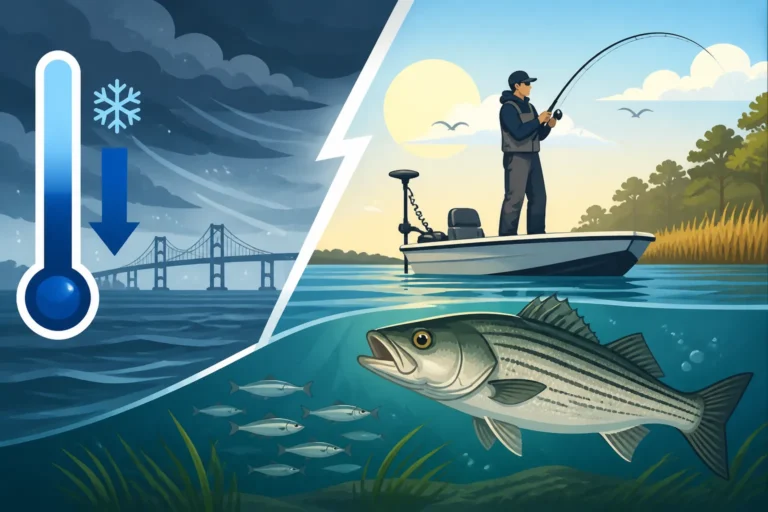
Conversely, a sudden cold front accompanied by bluebird skies and high barometric pressure can shut down the bite almost completely, even during prime hours. Walleye often become lethargic and less willing to chase lures in such conditions. They might hug the bottom or bury themselves in cover, requiring very slow, precise presentations to coax a strike. Water temperature is another critical element. Walleye thrive in specific temperature ranges, and sudden shifts, whether warming or cooling, can impact their metabolism and feeding drive. During a summer heatwave, for example, even the prime dawn bite might be shorter as water temperatures rise quickly, pushing fish back to deeper, cooler refuges. Paying attention to these subtle environmental cues can help you adjust your strategy on the fly.
Seasonal Movements
Walleye behavior at Deep Creek Lake, like most species, is heavily influenced by the changing seasons. What works in spring might not be effective in summer or fall. During the pre-spawn period in early spring, walleye will move to shallower, harder-bottomed areas to stage for spawning, often becoming very aggressive feeders. This could mean a more consistent bite throughout the day, especially if weather conditions are mild and overcast. Post-spawn, they might be recuperating and moving to slightly deeper, but still accessible, areas.
As summer progresses and surface water temperatures rise, walleye typically shift to deeper, cooler parts of the lake, often relating to the thermocline and main lake structure. While dawn and dusk remain key, they may not come as shallow as they would in spring. Fall, with its cooling water temperatures, often brings another strong feeding period as walleye gorge themselves in preparation for winter. They might spread out more and be found on shallower flats and points again as they chase baitfish. Even in winter, when the lake freezes over, walleye can be caught through the ice. Check out our guide on Ice Fishing at Deep Creek Lake, Maryland for specific tactics, but remember that the time of day principles, albeit modified, still apply. These seasonal shifts mean that while dawn and dusk are generally reliable, the exact depths and structures you target will evolve with the calendar. Before you head out, I always suggest reviewing the relevant regulations, including those for Maryland Fishing Size and Catch Limits by Species.
Walleye Activity by Time of Day at Deep Creek Lake
Here's a quick overview of what you can generally expect when targeting walleye at Deep Creek Lake, considering the varying light conditions throughout a typical day. Remember, these are guidelines, and local conditions, weather, and specific seasonal patterns can always influence the bite.
| Time of Day | Light Conditions | Walleye Activity | General Location | Recommended Tactics |
|---|---|---|---|---|
| Pre-Dawn to Dawn | Very Low to Fading Low | Peak Activity | Transition zones, shallow flats, points, humps adjacent to deep water | Casting crankbaits, jerkbaits, swimbaits; slow trolling |
| Morning (Post-Dawn) | Rising Brightness | Good to Moderate | Deeper edges of structure, main lake points, receding from shallow flats | Vertical jigging, trolling deeper crankbaits, slip bobber with live bait |
| Midday | Brightest (High Sun) | Low to Difficult | Deepest water, heavy cover, thermocline | Vertical jigging deep structure, drop-shotting, slow presentations |
| Afternoon (Pre-Dusk) | Fading Brightness | Moderate to Good | Moving towards transition zones, deeper points, humps | Trolling medium-depth crankbaits, casting soft plastics |
| Dusk to Night | Fading Low to Dark | Peak Activity | Shallow flats, points, weed lines, structure near shore; potentially lighted docks | Casting stickbaits, swimbaits; slow trolling shallow crankbaits |
| Overcast Days | Low (All Day) | Elevated Activity | Can be shallower or more active throughout the day than on sunny days | Broader range of tactics, adjust depth based on light penetration |
This table provides a generalized snapshot. The best advice is always to be adaptable, pay attention to current conditions, and be willing to experiment. For specific tackle to consider, look for reliable brands on Amazon that offer good sensitivity and durability. For convenient access points to the lake, take a look at our article on Best Boat Ramps at Deep Creek Lake.
Disclaimer
This article is for general informational purposes only and does not constitute professional advice. Laws, prices and regulations vary by location and change over time. Consult a qualified professional for guidance on your specific situation.