How Deep Is Deep Creek Lake?
It's a question every angler asks when they first set their sights on Deep Creek Lake: just how deep is this place? Maryland's largest freshwater lake offers incredible fishing opportunities, but its depth—and how that depth changes throughout the year and across different sections of the lake—is a critical piece of the puzzle. Without understanding the depths, you're essentially casting blind, missing out on prime fishing spots and the seasonal patterns that dictate where the fish will be. This guide is going to peel back the layers, revealing the secrets of Deep Creek Lake's underwater topography and how you can use this knowledge to become a more successful angler.
Deep Creek Lake's Maximum and Average Depths
Deep Creek Lake isn't just a big puddle; it's a dynamic body of water with varied depths that directly impact everything from water temperature to the types of fish you'll find inhabiting certain areas. Knowing these fundamental depth measurements is the first step to unlocking its angling potential.
The Deepest Spots and Why They Matter
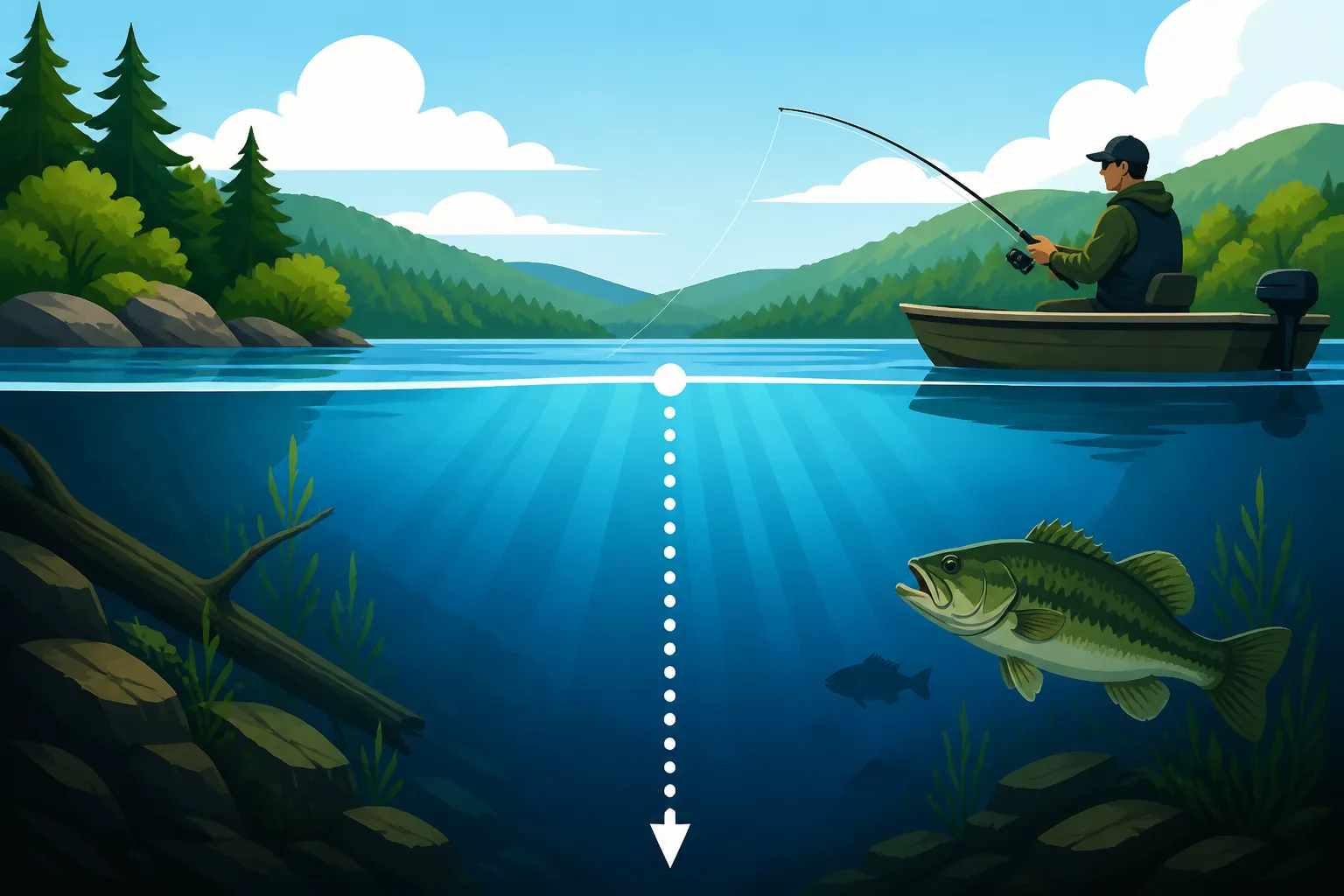
When you talk about the "deepest" part of Deep Creek Lake, you're generally looking at areas near the dam and in the main channel. While exact measurements can vary slightly with water levels, the lake reaches a maximum depth of approximately 65 to 75 feet. This is a significant depth for a freshwater lake in Maryland, and these deeper pockets are absolutely vital for certain species, especially during warmer months.
These abyssal zones serve as crucial thermal refuges. When the surface waters heat up in the summer, species like trout and walleye seek out the cooler, more oxygenated waters found at these greater depths. If you're targeting these coldwater fish in July or August, you'll need to focus your efforts on these deeper sections, often near the dam or in the old river channels that wind through the lake's basin. Understanding the contours of these deepest areas can give you a significant advantage, helping you pinpoint where these fish might be holding.
Understanding the Average Depth and Lake Structure
While the maximum depth is important for specific deep-dwelling species, the average depth of Deep Creek Lake, which hovers around 25 feet, tells a broader story about the lake's overall character. This average depth suggests a largely fertile and diverse environment, deep enough to prevent extreme temperature fluctuations but shallow enough in many areas to support abundant aquatic vegetation and baitfish.
The lake's structure is a fascinating mix of former stream beds, submerged roadbeds, rock piles, humps, and gradual slopes. These structural elements, when combined with varying depths, create a multitude of habitats. For instance, a long, gradually sloping point that extends from shore into 20-30 feet of water can be a fantastic ambush point for smallmouth bass. Conversely, a sharp drop-off from 10 feet to 40 feet might hold schools of yellow perch or crappie. Exploring these structural nuances is key to consistent success, and getting familiar with a good depth map (available through mapping apps like Navionics or even on some online resources) is invaluable for any angler looking to truly understand Deep Creek Lake. For a deeper dive into the lake's offerings, check out our full guide on Deep Creek Lake.
How Depth Influences Fish Behavior and Location
Fish are intrinsically linked to their environment, and depth is arguably one of the most critical factors influencing their behavior, feeding patterns, and where they choose to reside. Ignoring the impact of depth is like trying to navigate a city without a map – you might get lucky, but you'll mostly be lost.
The Role of the Thermocline
In a lake as deep as Deep Creek, especially during the warmer months, a phenomenon called the thermocline forms. This is a distinct layer within the water column where the temperature changes rapidly. Above the thermocline, the water is warmer and less dense; below it, the water is cooler and denser. The thermocline also often marks a boundary where oxygen levels can drop significantly in the deeper, colder water if there's not enough circulation.
For an angler, the thermocline is like a hidden highway for fish. Many species will congregate right above or within this layer, seeking optimal temperatures and oxygen levels. Baitfish will often hold here, and predatory fish follow them. Understanding where the thermocline is located – which can be anywhere from 15 to 30 feet down depending on the time of year and weather – is a game-changer. Your fish finder isn't just showing you fish; it's showing you layers in the water column that indicate temperature and oxygen changes. If you’re fishing suspended baits, knowing the thermocline depth helps you present your lure exactly where the fish are active.
Light Penetration and Forage Availability
Depth also directly dictates how much light penetrates the water. In shallower areas, sunlight reaches the bottom, fueling photosynthesis and encouraging the growth of aquatic vegetation. This vegetation, in turn, provides cover for baitfish and invertebrates, making these shallow zones prime feeding grounds for predatory species like largemouth bass, especially during low-light conditions or cooler weather.
As you move into deeper water, light diminishes rapidly. Below a certain depth, aquatic plants can't grow, and the primary food sources shift to plankton, smaller baitfish, or creatures adapted to low-light environments. This means that fish living in these deeper, darker zones often rely more on their lateral lines to detect vibrations and less on sight to hunt. It also means that bait choices might need to change – perhaps moving from vibrant, visible lures in shallow water to darker, silhouette-producing baits or those with strong vibrations in deeper, darker conditions. The type of forage available at different depths directly influences what fish will be eating, and therefore, what lures or baits will be most effective.
Targeting Fish Species by Depth in Deep Creek Lake
Deep Creek Lake is home to a fantastic array of species, and each one has its preferred depth zones, which can shift dramatically with the seasons and even the time of day. Knowing these preferences is crucial for a successful outing.
Deep-Dwelling Coldwater Species: Trout and Walleye
If your heart is set on catching some of the lake's prized coldwater residents, you'll need to think deep. Deep Creek Lake supports populations of brown trout and rainbow trout, which thrive in cooler temperatures. While some trout are stocked as "put-and-take" and might be found shallower in cooler months, the healthier, larger trout often retreat to the deepest parts of the lake, especially once the water warms up. They'll hug the bottom in 40-70 feet of water, often near the dam or where deep channels offer thermal refuge. Targeting them often involves trolling spoons or diving crankbaits at those depths, or even bottom fishing with bait like powerbait or worms. For a closer look at the trout opportunities, consider our article on Fishing Deep Creek Lake for Trout.
Walleye are another fantastic deep-dwelling species in Deep Creek Lake. These elusive fish are highly sensitive to light and prefer holding in deeper water, often along drop-offs, humps, or submerged timber in the 20-50 foot range during daylight hours. They become more active and might move shallower during low-light conditions (dawn, dusk, or overcast days). When the sun is high, you'll typically find walleye relating to structure in those mid-to-deep depths. Jigging blade baits, soft plastics, or trolling deep-diving crankbaits are effective strategies. Understanding the contours of the lake bottom using your electronics will be your best friend when pursuing walleye. You might also find helpful insights in our guide to Walleye Fishing at Deep Creek Lake, Maryland.
Mid-Depth and Shallow Water Hunters: Bass and Panfish
Deep Creek Lake is renowned for its excellent bass fishing, both largemouth and smallmouth. While they are often grouped together, their depth preferences can differ.
- Smallmouth Bass: These feisty fighters love rocky structure, gravel bottoms, and points that drop into deeper water. While they'll certainly chase bait in shallow water, especially during spawning periods or low-light conditions, smallmouth often relate to depths of 10-30 feet, particularly along breaks, ledges, and submerged humps. They're often found patrolling the edges of the thermocline or suspended over deeper water, ambushing baitfish. Drop-shotting, jigging tubes, or casting crankbaits along these transitional depths are highly effective. To truly master catching these guys, you'll want to read up on Fishing Deep Creek Lake for Smallmouth Bass.
- Largemouth Bass: Largemouth prefer more cover and are often associated with aquatic vegetation, submerged timber, docks, and other shallow-to-mid-depth structure. You'll typically find them in depths ranging from 2-20 feet, often relating directly to cover. They use these areas for ambush points and protection. Flipping jigs into thick weeds, casting spinnerbaits along weed lines, or working topwater lures over shallow flats during dawn and dusk are classic largemouth tactics.
Panfish like crappie, yellow perch, and bluegill also have their preferred depth ranges, often shifting throughout the year.
- Crappie: Crappie are often found suspended around submerged brush piles, standing timber, and dock pilings in 10-25 feet of water, especially during the warmer months. They'll move shallower to spawn in the spring. Vertical jigging small tubes or minnows is often the ticket.
- Yellow Perch: Yellow perch are schooling fish that will follow baitfish. You'll find them at various depths, from shallow flats in the spring to deeper channels and humps in 20-40 feet during summer and winter. They're often caught on small jigs, minnows, or pieces of nightcrawler fished near the bottom.
Here's a quick reference table for general depth preferences:
| Species | Preferred Depth Range (General) | Key Structures/Features | Best Seasons for Targeting |
|---|---|---|---|
| Brown Trout | 40-70 feet | Deep channels, near dam, thermal refuges | Summer, Fall |
| Rainbow Trout | 20-70 feet | Stocked areas, deep channels | Spring, Fall, Winter |
| Walleye | 20-50 feet | Drop-offs, humps, submerged timber, main lake points | Spring, Fall, Low-light Summer |
| Smallmouth Bass | 10-30 feet | Rocky points, ledges, gravel bottom, deep humps | Spring, Summer, Fall |
| Largemouth Bass | 2-20 feet | Aquatic vegetation, docks, timber, shallow coves | Spring, Summer, Fall |
| Crappie | 10-25 feet (suspended) | Brush piles, standing timber, dock pilings | Spring (shallow), Summer, Fall |
| Yellow Perch | 10-40 feet (schooling) | Flats, channels, humps | Year-round |
| Chain Pickerel/Northern Pike | 5-20 feet | Weed lines, lily pads, shallow cover | Spring, Fall |
Navigating Deep Creek Lake with Depth in Mind
Armed with knowledge of Deep Creek Lake's depths, the next step is to practically apply this information to your fishing trips. This involves utilizing modern technology and keeping safety at the forefront, especially in varied conditions.
Using Sonar and Mapping for Success
Modern fishing electronics are an absolute game-changer on a lake like Deep Creek. A good fish finder with sonar and GPS mapping capabilities isn't just a luxury; it's practically a necessity for unlocking the lake's deeper secrets. These units will show you:
- Bottom Contours: You can see the steep drop-offs, gradual slopes, humps, and submerged creek channels that define the lake's bottom. This visual representation allows you to "read" the lake even if you've never been there before.
- Depth Readings: Obvious, but crucial. Knowing the exact depth you're fishing allows you to present your baits effectively.
- Fish Arches/Returns: While an arch doesn't tell you the species, it tells you there's something there. Combine that with depth, structure, and seasonal knowledge, and you can make educated guesses.
- Thermocline Detection: Many advanced units will clearly display the thermocline as a distinct layer, helping you dial in your presentation to where the fish are most active.
Investing in detailed mapping for your GPS unit or using an app like Navionics can give you contour lines and highlight crucial structural elements even before you launch your boat. This pre-trip scouting can save you hours on the water. If you're new to the lake or want to quickly get on the fish, consider hiring a local guide. Services like FishingBooker list numerous experienced guides for Deep Creek Lake who can put you on fish, quickly teach you the best techniques for different depths, and help you understand the lake's structure firsthand.
Safety Considerations in Deep Water
While fishing in deep water offers incredible opportunities, it also comes with important safety considerations that every angler should be mindful of.
- Boating Safety: Deeper parts of the lake can be more exposed to wind, leading to rougher water. Always be aware of weather conditions. If you're anchoring in deep water, ensure your anchor line is sufficient (at least 7:1 scope, meaning seven feet of rope for every foot of depth) and securely cleated. Always have enough life jackets for everyone on board, and ensure they're easily accessible.
- Ice Fishing: Deep Creek Lake is a popular spot for ice fishing during the winter. When the lake freezes over, varying depths can lead to different ice thicknesses. Shallower coves and areas might freeze faster and thicker, while main channels and deeper sections might have thinner or less stable ice, especially near currents or inlets/outlets. Always check ice thickness before venturing out, drill test holes frequently, and never fish alone. Our guide to Ice Fishing at Deep Creek Lake, Maryland provides essential safety tips specifically for this activity.
- Underwater Obstacles: While deeper water might seem clear, submerged structures, old roadbeds, and even logs can pose hazards for boaters. Always pay attention to your depth finder and avoid high speeds in unfamiliar areas, especially when the water level is lower.
Understanding the depth of Deep Creek Lake is far more than just a trivia fact; it's a fundamental aspect of successful angling on this magnificent body of water. By appreciating the maximum and average depths, recognizing the impact of the thermocline and light penetration, and adapting your tactics to target specific species at their preferred depths, you'll not only catch more fish but also gain a deeper, more meaningful connection to the lake itself. And if you're looking for an expert to show you the ropes, remember that platforms like FishingBooker connect you with experienced guides who know Deep Creek Lake's depths like the back of their hand.
Disclaimer
Fishing regulations, seasons, and licensing requirements can change. Always consult the latest Maryland Department of Natural Resources (DNR) guide or website before heading out on the water to ensure compliance. This article provides general information and should not be considered a substitute for official regulations.