How to Fish a Popper for Smallmouth Bass
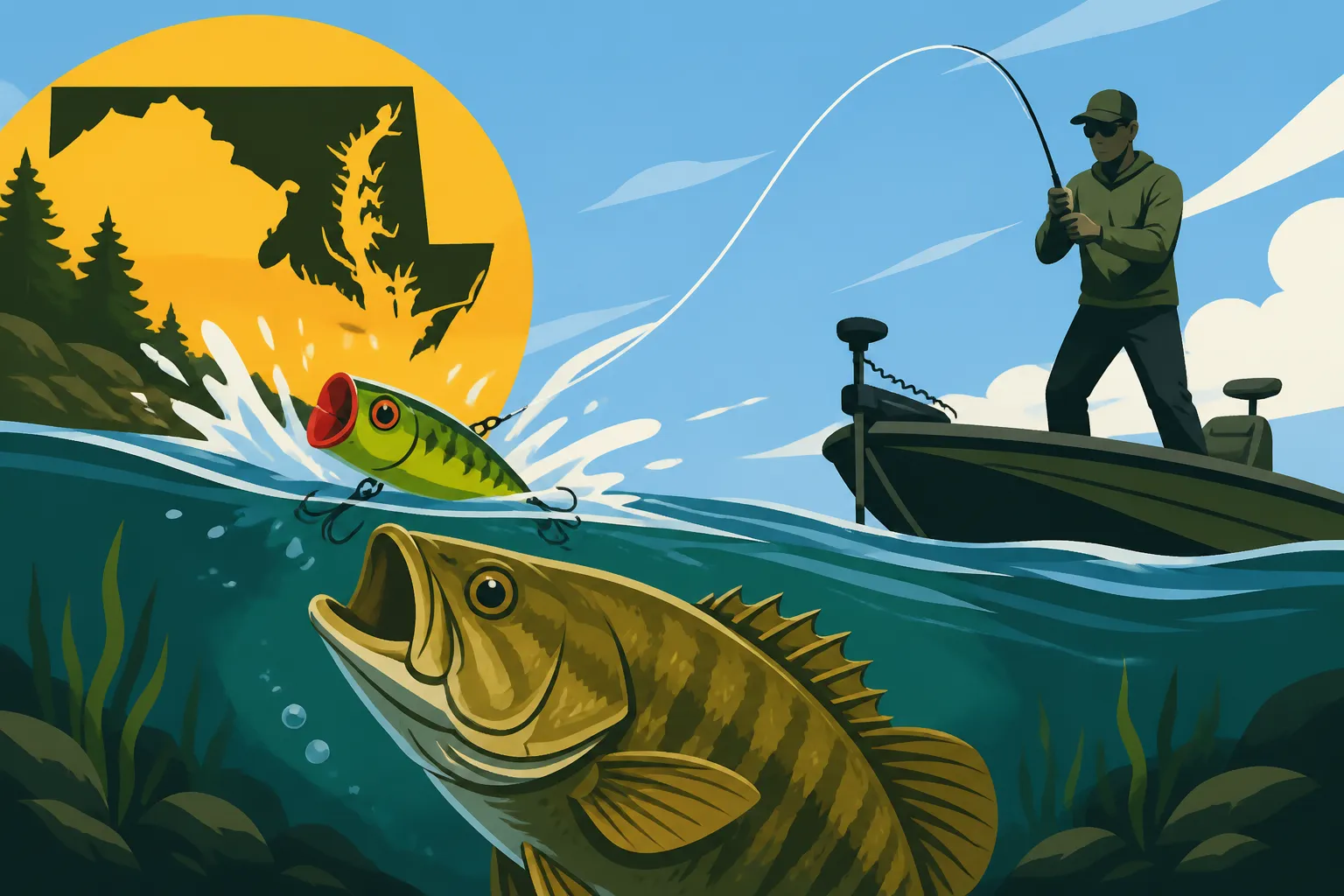
There's nothing quite like the explosive strike of a smallmouth bass breaking the surface to smash a topwater lure. It’s an adrenaline rush that every angler chases, but coaxing these feisty fish to commit to a popper can feel like an art form. If you've been struggling to get consistent topwater action or are new to the thrill of smallmouth on poppers, this guide will walk you through everything you need to know to entice those bronzebacks in Maryland's diverse waters.
Understanding Smallmouth Bass Behavior for Popper Success
Before you even think about casting, it's crucial to get inside the head of a smallmouth bass. These aren't your lazy largemouth that might cruise weed lines; smallmouth are typically found in clearer, cooler water, often associated with current and rocky structures. Their diet often includes crawfish, minnows, and aquatic insects, but they are opportunistic and will readily blast a surface disturbance if they perceive it as vulnerable prey.
Why Smallmouth Attack Topwater Lures
Smallmouth bass are incredibly aggressive predators, especially when conditions are right for surface feeding. They’ll key in on anything that looks like an injured baitfish, a struggling insect, or even a frog that has fallen into the water. A popper, with its distinct "chug" or "pop" and the ripple it creates, perfectly mimics these distressed movements. The noise and commotion serve as a strong visual and auditory trigger, often drawing fish from surprising depths or distances, especially in clear water where they can track a lure from afar. The thrill of the chase is very real for a smallmouth.
Ideal Conditions for Popper Fishing
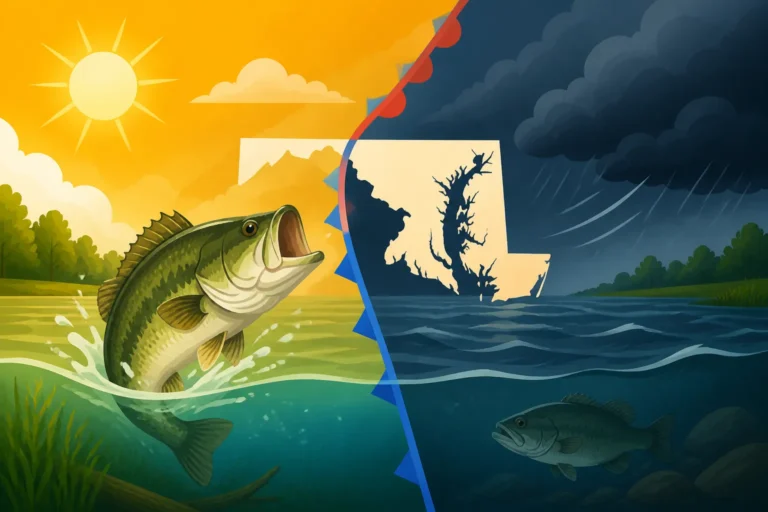
While you can sometimes get a reaction strike at any time, certain conditions stack the odds heavily in your favor for popper fishing. Low light periods, such as dawn and dusk, are prime times when smallmouth feel more secure feeding on the surface. Overcast days, or even light rain, can also extend this topwater window throughout the day. Water temperature plays a role too; generally, when the water warms up in late spring through early fall, smallmouth are more active and willing to chase surface baits. Look for calmer water during these periods, as heavy chop can make it harder for the fish to locate and track your popper effectively.
Essential Gear for Popper Fishing
Getting your setup right is half the battle when it comes to successful popper fishing. The right rod, reel, line, and, of course, the popper itself, will make a huge difference in your casting accuracy, lure presentation, and ability to land those hard-fighting smallmouth.
Rods, Reels, and Line Selection
For popper fishing, you want a setup that offers a good balance of casting accuracy, control, and enough backbone to handle a powerful smallmouth in current.
- Rods: A medium-light to medium power rod, typically between 6'6" and 7'0", is often ideal. Look for a fast action tip, which allows for precise casting and quick hooksets when a fish explodes on your lure. A shorter rod gives you more control for working the popper, while a longer rod can aid in longer casts. For fishing the Nontidal Upper Potomac for Smallmouth Bass, where current can be strong, a slightly more powerful rod might be beneficial.
- Reels: Both spinning and baitcasting reels work well.
- Spinning reels in the 2500-3000 size range are popular for their ease of use and ability to cast lighter poppers. They’re excellent for beginners or when subtle presentations are key.
- Baitcasting reels in the 100-200 size offer greater casting accuracy and power, especially when fishing heavier poppers or in windy conditions. Many experienced anglers prefer baitcasters for the direct feel and control they provide over the lure.
- Line: This is crucial for topwater.
- Main Line: Braided line (10-20 lb test) is a fantastic choice for its zero stretch, which translates to better feel and more powerful hooksets. It also floats, which is a big advantage for topwater.
- Leader: Because braid can be visible in clear water and doesn't offer much abrasion resistance, tying on a 2-3 foot fluorocarbon or monofilament leader (8-12 lb test) is highly recommended. Fluorocarbon is nearly invisible underwater but sinks, so a short leader is best. Monofilament floats, making it a good choice for keeping your popper high in the water, and its stretch can be a small buffer against sudden strikes. You can find quality braided lines and fluorocarbon leaders easily on Amazon, with options from brands like PowerPro and Seaguar.
Choosing the Right Popper Lure
The market is flooded with poppers, and each has its own unique characteristics. Understanding these can help you pick the perfect one for the conditions you're facing.
- Cup-Faced Poppers (Chuggers): These are the most common type, featuring a concave face that "chugs" or "spits" water when twitched. They create a significant commotion and sound, making them excellent for drawing fish from a distance or in slightly choppier water. Examples include the Rebel Pop-R and the Heddon Pop'n Image. They come in various sizes, with smaller 1/4 oz to 3/8 oz models often being excellent for smallmouth.
- Pencil Poppers/Walkers: While often associated with larger walking baits for striped bass, some smaller pencil popper styles can be effective for smallmouth. They typically create a more subtle "slosh" and are best worked in a "walk-the-dog" style, gliding from side to side. This can be deadly when fish are finicky or when you want a quieter presentation.
- Color and Size:
- Colors: Natural colors like frog patterns, shad, or crawfish are always good starting points. Chartreuse and white can be effective in stained water or low light. Don't be afraid to experiment! Often, the silhouette against the sky is more important than intricate patterns underwater.
- Size: Matching the hatch is key. If you see small baitfish or insects, opt for smaller poppers. If larger prey is present, a bigger popper might draw a more aggressive strike. A 1/4 to 3/8 ounce popper is a great all-around size for Maryland smallmouth.
Here’s a quick overview of popper types and their best applications:
| Popper Type | Characteristics | Best Use Case | Retrieve Style |
|---|---|---|---|
| Cup-Faced (Chugger) | Concave face, creates distinct "pop" or "chug" sound. | Aggressive fish, low visibility, drawing fish from afar | Pop-and-pause, consistent pop |
| Pencil Popper | Slender body, minimal cup or flat face. | Subtle presentation, calm water, finicky fish | Walk-the-dog, gentle twitches |
| Popper with Feathers | Often has feathered treble hooks, adds pulsation. | Enticing hesitant fish, mimicking struggling insects | Subtle twitches, long pauses |
When shopping, look for poppers with sharp, strong hooks. Smallmouth can be brutal fighters, and a dull or weak hook can lead to lost fish. You can find a vast selection of these on Amazon, making it easy to compare models and read reviews before you buy.
Mastering Popper Presentation and Retrieves
Once you have the right gear, it's all about how you work that popper. It’s not just about casting it out and reeling it in; a truly effective popper retrieve tells a story to the fish, mimicking something alive and vulnerable.
Casting Accuracy and Approach
Smallmouth bass are highly attuned to their environment. A quiet approach and accurate casts are paramount.
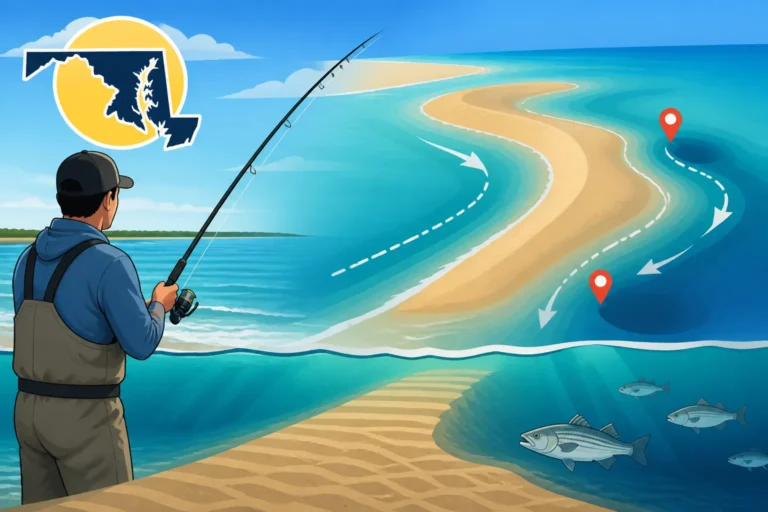
- Targeting Structure: Smallmouth love current breaks, rocky outcrops, eddies, fallen trees, and underwater ledges. Cast your popper as close to these structures as possible without spooking the fish. If you’re fishing the Upper Potomac, for instance, aim for the edges of visible rock piles or the calm water just behind a large boulder.
- Stealth is Key: Smallmouth in clear water can be easily spooked by sudden movements or shadows. Try to stay low and use any available cover to conceal yourself. Make your cast count – multiple splashy casts into one spot can shut down a bite.
- Angle Your Casts: Often, casting upstream and allowing the current to carry your popper downstream into a target zone can be highly effective, mimicking natural drift. You can also cast parallel to a bank or drop-off, working the lure along the edge where fish might be ambushing. When fishing the Susquehanna River, understanding the current and targeting those seams where fast water meets slow water is vital.
Varying Your Retrieve Techniques
This is where the magic happens. Don't fall into the trap of one-speed retrieving. Smallmouth often dictate what they want.
- The "Pop-and-Pause": This is the classic and often most effective popper retrieve. Cast your popper, let the ripples settle, then give a sharp twitch of the rod tip (often pointing it down towards the water) to make the popper "pop" or "chug." Then, pause. This pause is crucial and can range from 2-3 seconds to a full 10-15 seconds, especially in cooler water or when fish are finicky. The fish often strike during this pause, after being attracted by the initial commotion.
- Subtle Twitches: Sometimes, a full-on "pop" is too much. Instead, try gentle twitches that just cause the popper to subtly gurgle or ripple without moving much water. This can be deadly when fish are pressured or when targeting smaller fish.
- Walking the Dog (with certain poppers): While more common with true walking baits like a Heddon Super Spook, some slender poppers can be worked in a side-to-side "walk-the-dog" motion with a rhythmic twitch-twitch-pause retrieve. This creates a fleeing baitfish action that can trigger aggressive strikes.
- The Steady Chug: In very active conditions, or when targeting aggressive fish, a more consistent series of pops or chugs with shorter pauses can keep the fish engaged and provoke a faster strike.
- Experimentation: The best retrieve is the one the fish want that day. Start with a pop-and-pause, vary the length of the pause, and then experiment with more subtle twitches or aggressive chugs. Pay attention to when and how the fish strike.
Hookset and Fighting Smallmouth
The topwater strike is exhilarating, but the hookset can be tricky. Smallmouth often blow up at the lure rather than engulfing it immediately.
- Don't Set Too Early: This is the most common mistake. When a smallmouth explodes, your instinct is to yank the rod. Resist! Instead, wait until you feel the weight of the fish or see your line start to move away before delivering a firm, sweeping hookset. Count "one Mississippi" after the splash before you set.
- Keep Tension: Once hooked, smallmouth are known for their acrobatic jumps and powerful runs, especially in current. Keep steady pressure on the fish and try to keep its head up to prevent it from burying itself in cover or getting to slack line.
- Leverage the Current: If you hook a fish in current, let the river help you fight it by using the current to tire the fish out as you slowly reel it in. Remember, these fish are fighters, so be prepared for a spirited battle. You’ll be grateful for your quality tackle, which you can always supplement from a wide array of options on Amazon.
Top Maryland Waters for Popper Action
Maryland offers some incredible smallmouth bass fishing, particularly in its western rivers. Knowing where to go and what to look for will significantly increase your chances of success with a popper.
Upper Potomac River Hotspots
The Upper Potomac River is arguably Maryland's most famous smallmouth bass fishery, especially the stretch from Great Falls upstream to the Pennsylvania border. This river is a smallmouth paradise, characterized by its rocky bottom, ledges, and ample current breaks.
- Key Areas: Look for areas with a mix of riffles, runs, and deeper pools. The calmer waters on the downstream side of large boulders or ledges are classic ambush points. Tributary mouths, where smaller streams feed into the Potomac, can also be productive. Access points near towns like Point of Rocks, Brunswick, or Williamsport offer excellent opportunities for wading or kayak fishing. Consider checking out the Fishing the Nontidal Upper Potomac for Smallmouth Bass guide for more specific locations and tips.
- Targeting Current Seams: Smallmouth will hold just outside the main current, waiting for baitfish or insects to be swept past. Cast your popper into the faster current and let it drift into the seam, or cast directly into the seam and work it with quick pops. The transition zones from shallow riffles to deeper pools are also prime real estate. The Best Time of Year to Fish the Potomac for Smallmouth is typically late spring through early fall.
Susquehanna River and Western Maryland Lakes
While the lower Susquehanna is renowned for its striped bass (rockfish) and catfish, heading further upstream into the nontidal sections, especially above the Conowingo Dam, can offer fantastic smallmouth opportunities. Western Maryland also boasts some colder lakes and reservoirs that hold healthy populations.
- Upper Susquehanna River: The rocky, flowing sections of the Susquehanna, particularly closer to the Pennsylvania border, are excellent for smallmouth. Here, you'll find similar habitat to the Potomac, with boulders, ledges, and current. Fly Fishing for Smallmouth Bass on the Susquehanna can be particularly effective in these waters, but poppers thrown on conventional gear will also shine. Areas around Port Deposit and Havre de Grace on the Lower Susquehanna are more known for striped bass, but move upstream for smallmouth.
- Deep Creek Lake: This large, cold-water lake in Garrett County is more famous for its trout and walleye, but it also supports a strong smallmouth bass population. Unlike river fishing, here you’ll be targeting rocky points, humps, and submerged timber. Early mornings or late evenings when the lake is calm are ideal for working poppers over these structures. The clarity of the water at Deep Creek Lake makes stealth and precise casting even more important. You can often find a great selection of multi-species lures suitable for Deep Creek at local tackle shops or on Amazon.
- Other Western Maryland Waters: Smaller impoundments and sections of rivers in Western Maryland’s mountains, such as the Youghiogheny River (which has a wild trout section but also smallmouth in other parts), can hold smallmouth. These spots might require more exploration but can offer less crowded fishing and rewarding topwater action. Always verify specific regulations for each body of water, including the Maryland Fishing Size and Catch Limits by Species, as they can vary. If you're wading these rivers, knowing how to wade the Susquehanna River safely applies to other Western Maryland streams as well.
Remember, patience and adaptability are your greatest assets when fishing for smallmouth with poppers. There will be days when they smash every cast, and days when you have to work for every bite. But when that surface explosion happens, all the effort is worth it.
Disclaimer
Fishing conditions and regulations in Maryland can change frequently. Always consult the latest Maryland Department of Natural Resources (DNR) fishing guide or website before heading out to ensure you are aware of current licensing requirements, seasons, size limits, and creel limits for all species. This guide is for informational purposes only and should not be considered a substitute for official regulations.