Best Season for Black Sea Bass Near Ocean City
There’s nothing quite like the anticipation of a fishing trip, especially when you’re targeting a delicious species like Black Sea Bass off the coast of Ocean City, Maryland. But let’s be honest, showing up at the dock without a solid grasp of when these feisty fish are most active can lead to a lot of wasted time and a pretty empty cooler. This guide is here to cut through the guesswork, helping you understand the best times to hit the water for Black Sea Bass near Ocean City, what to expect, and how to maximize your chances of a successful catch.
Understanding Black Sea Bass Migratory Patterns Off Ocean City
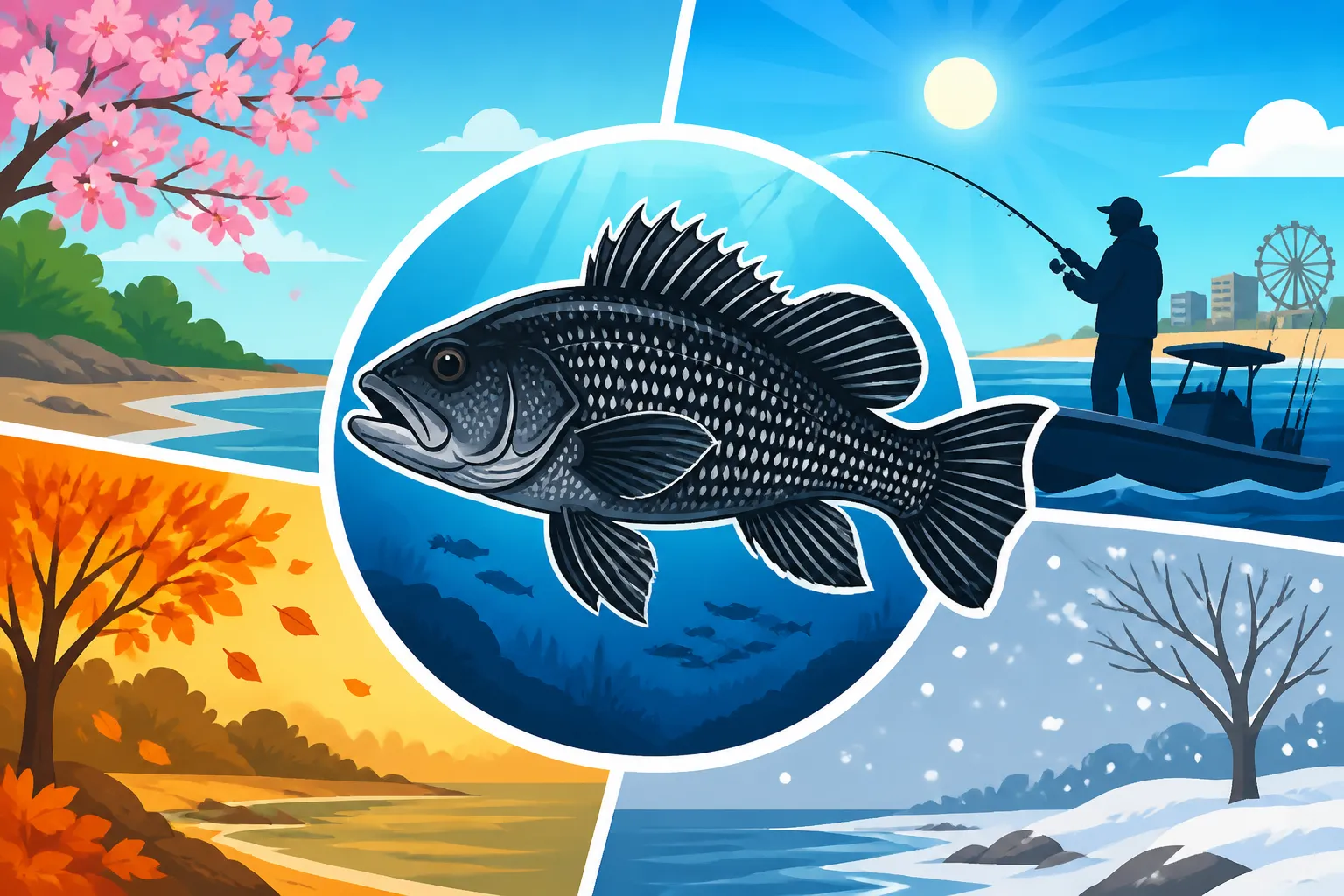
Black Sea Bass are fascinating creatures, and their presence in the waters off Ocean City isn't a year-round constant. They're highly migratory, meaning they move with the seasons, largely dictated by water temperature and their spawning cycles. If you want to consistently find them, you've got to think like a sea bass and understand their annual rhythm. It's not just about throwing a line in; it's about being there when they are.
The Warm Water Draw and Winter Retreat
Imagine the ocean as a vast, shifting landscape, and Black Sea Bass as travelers always seeking their ideal climate. As the waters off the Mid-Atlantic coast begin to warm up in the late spring and early summer, these fish migrate from their deeper, offshore wintering grounds to shallower, inshore areas. This movement is a welcome sign for anglers, as it brings them within easier reach of smaller boats and even some pier or jetty fishing opportunities, though primarily they'll still be a boat trip away.
During the colder months, however, these fish retreat. They head further offshore, sometimes migrating hundreds of miles to deeper, more stable temperature zones on the continental shelf. This makes them much harder to target consistently, if not impossible for many recreational anglers operating out of Ocean City. So, understanding this basic push and pull is the first step to timing your trip right. It’s a common frustration to hear someone say they fished for sea bass in February and caught nothing; well, the fish simply weren't there in numbers, or they were in depths most recreational anglers can't safely or easily reach.
Seasonal Movements and Spawning Cycles
Black Sea Bass have a pretty predictable life cycle that influences their location. They typically spawn in late spring and early summer, often in the shallower, structured areas they inhabit during those warmer months. This spawning activity can make them particularly aggressive and hungry, presenting excellent fishing opportunities. After spawning, they continue to feed actively throughout the summer, but as temperatures peak, some might seek slightly deeper, cooler waters even within the general inshore area.
As fall approaches and the water temperature begins its slow decline, the sea bass start to gather and feed heavily, preparing for their winter migration. This period, often referred to as the "fall run," can be incredibly productive. The fish are often fat, active, and less finicky, making it a favorite time for many seasoned anglers. It's a noticeable shift from the more dispersed summer patterns, consolidating them into larger, more concentrated schools. Knowing these patterns helps you predict not just when to go, but also where to start looking for them.
Impact of Water Temperature on Activity and Location
Water temperature isn't just a guide for migration; it's a direct driver of Black Sea Bass behavior. They are ectothermic, meaning their body temperature, and thus their metabolism, is regulated by the surrounding water. When water temperatures are too cold, they become sluggish, feed less frequently, and are less likely to strike a bait. As temperatures warm, their metabolism speeds up, making them more active and ravenous.
Off Ocean City, the optimal water temperature range for Black Sea Bass activity is generally between 55 and 70 degrees Fahrenheit. Below 50 degrees, they become quite lethargic, and above 75 degrees, they might seek deeper, cooler pockets of water or become less interested in feeding during the hottest parts of the day. Keeping an eye on ocean water temperatures, often reported by fishing forums or marine forecasts, can give you a significant advantage. It's not just about the calendar date, but what the ocean is actually doing.
Peak Seasons for Black Sea Bass in Ocean City Waters
Given their migratory habits and sensitivity to water temperature, certain times of the year stand out as prime opportunities for targeting Black Sea Bass near Ocean City. It's all about aligning your fishing trip with their natural rhythms.
Springtime Surge: Late April to June
The moment that chilly grip of winter finally loosens its hold on the Mid-Atlantic coast, usually around late April, anglers in Ocean City start getting excited. This is when the first significant push of Black Sea Bass begins to arrive from their offshore wintering grounds. They're hungry from their migration and often eager to feed, making them an excellent target.
In the spring, you'll typically find them congregating around rocky structures, artificial reefs, and wrecks that are relatively closer to shore. They're looking for both food and suitable spawning grounds. Techniques like bottom fishing with clam or squid often prove very effective during this period. The fishing can be absolutely phenomenal, with multiple hookups common if you find an active school. However, you'll want to keep a close eye on the regulations as the season opens; there can be specific dates and limits in place that shift year to year. Make sure you check the most current guidelines, perhaps even referencing articles like Maryland Black Sea Bass Season and Limit.
Summer Stability: July to September
Once the water fully warms up and summer is in full swing, Black Sea Bass are well-established in the inshore and nearshore waters off Ocean City. While they might spread out a bit more than during the concentrated spring run, they are still abundant, particularly around deeper wrecks, reefs, and any significant underwater structure.
During these peak summer months, you might find that the fish are slightly less aggressive during the hottest parts of the day, preferring to feed more actively during cooler mornings, evenings, or on overcast days. They'll often be found in depths ranging from 60 to 120 feet, making them a prime target for charter boats or private vessels equipped for offshore bottom fishing. The consistent presence of fish makes summer a reliable time for family trips and those looking for a productive day on the water. Many anglers enjoy the calmer seas of summer, which makes the ride out to the fishing grounds much more comfortable.
Autumn Abundance: October to December
For many seasoned anglers, the fall run for Black Sea Bass is truly the best time of year to target them off Ocean City. As the water temperatures begin to drop, signaling the approaching winter, Black Sea Bass undertake a major feeding frenzy. They're trying to pack on weight for their offshore migration, making them incredibly aggressive and less particular about what they'll bite.
You'll often find larger, fatter fish during this period, and they tend to school up in massive numbers around the same wrecks and reefs they utilized in spring and summer, but often in slightly deeper water as the season progresses. The fall weather can be a bit more unpredictable, with cooler temperatures and potentially choppier seas, but the fishing can be so good that it’s worth bundling up. It’s not uncommon to limit out quickly during a strong fall bite. Anglers looking for a true "meat fish" trip often schedule their excursions for the autumn, knowing the chances of success are incredibly high. For more on what to expect during this time, consider reviewing guides like Techniques for Catching Black Sea Bass Near Ocean City.
Here’s a quick overview of the Black Sea Bass season near Ocean City:
| Season | Approximate Dates | Behavior & Location | Fishing Outlook | Typical Depth (feet) |
|---|---|---|---|---|
| Spring | Late April – June | Migrating inshore, spawning, very active around structure | Excellent, aggressive feeders | 40-80 |
| Summer | July – September | Stable inshore/nearshore, dispersed, feed actively | Good, consistent catches | 60-120 |
| Autumn | October – December | Schooling up, feeding heavily for winter migration | Fantastic, often larger fish | 80-150 |
| Winter | January – Mid-April | Migrating offshore to deeper water, less accessible | Poor for recreational anglers | 150+ (offshore) |
Essential Tactics and Gear for Ocean City Black Sea Bass
Knowing when to go is half the battle; the other half is knowing how to fish for them and what gear will give you the best advantage. Black Sea Bass are opportunistic feeders, but they can also be surprisingly clever, so a well-prepared angler always does better.
Go-To Baits and Rigs That Get Bites
Black Sea Bass aren't particularly finicky, but some baits consistently outperform others. For live bait, small pieces of fresh clam or squid are absolute killers. Spearing, cut fish (like strips of mackerel or herring), and even small crabs can also be very effective. The key is often fresh bait and presenting it naturally.
When it comes to rigs, simplicity is your friend. A basic two-hook bottom rig, also known as a "hi-lo" rig, is incredibly popular and effective. This rig typically features two dropper loops with hooks above a sinker. The hooks are usually a smaller size, like a 1/0 or 2/0, to match the size of the sea bass's mouth. You can find pre-tied rigs like this, or components to make your own, on sites like Amazon. Another effective method, especially when fish are schooled up and aggressive, is jigging. Using metal jigs, often tipped with a piece of clam or squid, can elicit powerful strikes. This active approach can sometimes outfish static bottom rigs.
Where to Find Them: Wrecks, Reefs, and Rocky Bottom Structures
Black Sea Bass are structure-oriented fish. This means they absolutely love to hang out around anything that provides cover, ambush points, and a habitat for their prey. Off Ocean City, this primarily means artificial reefs, sunken wrecks, and natural rocky bottom formations. These areas provide food, shelter from currents, and protection from larger predators.
If you’re on a charter boat, your captain will know exactly where these hotspots are. If you’re heading out on your own boat, having a good chart plotter with detailed bathymetry and saved GPS coordinates for known structures is crucial. Fish finders are also indispensable for locating these underwater features and marking the presence of fish. Don't be afraid to drift over a wreck multiple times, trying different angles and depths until you locate the school. Often, the fish will be concentrated on one side or at a particular depth contour of the structure. For more on where to find them, check out Black Sea Bass in Maryland Coastal Waters.
Choosing the Right Tackle for the Job
You don't need highly specialized gear for Black Sea Bass, but having the right setup makes a big difference.
- Rods: A medium-heavy conventional rod, about 6 to 7 feet long, with a sensitive tip but plenty of backbone, is ideal. This allows you to feel the lighter bites while still having the power to lift fish from deeper water and away from structure.
- Reels: A conventional reel spooled with braided line is generally preferred. A good quality reel in the 20-30 pound class will handle the depths and the fighting power of sea bass. Braided line, typically 20-30 lb test, offers superior sensitivity and less drag in the water, which is crucial when fishing deep. A monofilament leader of 20-40 lb test, a few feet long, should be tied to the braid to provide abrasion resistance against the structure and some stretch.
- Terminal Tackle: As mentioned, hi-lo rigs are popular. Hooks should be stout and sharp. Sinker weight will vary depending on current and depth, but expect to use anywhere from 4 to 12 ounces. Having a good variety of sinkers on hand is always smart, and you can buy a kit of assorted weights on Amazon to be prepared.
Remember, fishing around structure means you will get snagged from time to time, so bring plenty of extra rigs and sinkers. It's just part of the game!
Navigating Regulations and Maximizing Your Catch
Fishing regulations are put in place to protect fish populations and ensure healthy fisheries for years to come. For Black Sea Bass, Maryland has specific rules that anglers absolutely need to follow. Ignoring these rules can lead to significant fines and penalties.
Maryland's Black Sea Bass Regulations: What You Need to Know
The regulations for Black Sea Bass, including minimum size limits and daily creel limits (the number of fish you can keep), can change. It's not just a "set it and forget it" kind of thing; they can be adjusted season by season or even mid-year based on scientific assessments of the stock. For instance, the minimum size limit might be 12.5 inches, and the daily creel limit might be 15 fish per person, but these numbers are illustrative. You absolutely must check the most current regulations from the Maryland Department of Natural Resources (DNR) website or their annual fishing guide before heading out.
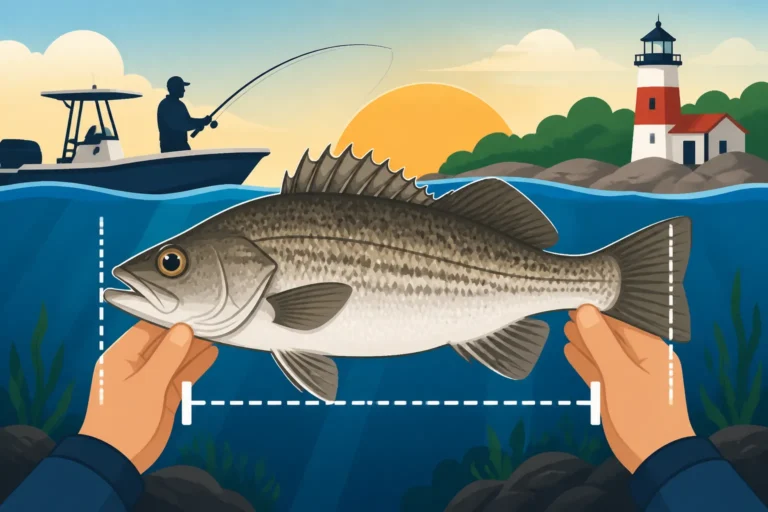
A common mistake is assuming federal waters (beyond three miles offshore) have the same rules as state waters (within three miles). While Maryland generally mirrors federal guidelines for Black Sea Bass, it’s always wise to verify. Be prepared to measure your fish immediately upon catching it, and if it’s undersized, release it gently and quickly. Always aim to minimize handling time to give the fish the best chance of survival. This commitment to responsible angling helps everyone. For current details on statewide rules, you might find Maryland Fishing Size and Catch Limits by Species helpful, but always cross-reference with the official DNR site.
Fishing Strategies for Different Conditions
The ocean environment off Ocean City is dynamic, and successful Black Sea Bass fishing often means adapting your strategy to conditions like current, wind, and depth.
- Current: Strong currents can make it difficult to get your bait to the bottom and keep it there. You'll need to use heavier sinkers to combat this. Alternatively, try to drift with the current, allowing your bait to cover more ground. If the current is too strong, sometimes moving to a different side of the structure or seeking an area with less current can be the best option.
- Wind: Wind can cause your boat to drift too quickly or make precise boat positioning difficult. If drifting, try using a sea anchor (also known as a drift sock) to slow your drift and allow your bait to stay in the strike zone longer. When anchored, positioning your boat upwind or upcurrent of the structure is often beneficial.
- Depth: As previously discussed, Black Sea Bass will be at different depths depending on the season and water temperature. Always start by fishing near the bottom where the structure is, but don't hesitate to reel up a few feet or experiment with different depths if you're not getting bites. Sometimes, the fish are suspended slightly above the main structure.
Tips for a Successful and Enjoyable Trip
Beyond the technical aspects, a few general tips can make your Black Sea Bass trip out of Ocean City more enjoyable and productive:
- Go with a reputable charter: If you're new to the area or fishing for sea bass, booking a trip with one of Ocean City's many excellent charter services is a fantastic idea. They have the local knowledge, specialized gear, and experience to put you on fish. They often cover your license too! You can find more information in articles like Best Ocean City Charters for Sea Bass or even Ocean City Maryland Offshore Charter Fishing.
- Bring plenty of bait: Always err on the side of having too much bait. Sea bass can be ravenous, and running out of bait prematurely is a common frustration.
- Pack appropriately: Even on a warm summer day, it can be significantly cooler on the water. Bring layers, sunscreen, sunglasses, and a hat. Non-skid shoes are also essential.
- Stay hydrated and bring snacks: A full day of fishing requires energy. Keep plenty of water and easy-to-eat snacks on board.
- Have a cooler with ice: Once you catch your keepers, get them on ice quickly to preserve their quality. Black Sea Bass are delicious, and proper handling ensures they taste their best. You can find quality coolers on Amazon that will keep your catch fresh all day.
- Be patient but persistent: Fishing can sometimes be slow, but conditions can change quickly. Keep trying different spots, baits, and presentation methods.
- Fish responsibly: Always respect the regulations, practice catch and release for undersized fish, and leave no trace behind. Keeping our waters clean and healthy benefits everyone.
By understanding the seasonal movements, employing effective tactics, and adhering to regulations, you'll be well on your way to enjoying some fantastic Black Sea Bass fishing adventures off Ocean City, Maryland.
Disclaimer
This article is for general informational purposes only and does not constitute professional advice. Laws, prices and regulations vary by location and change over time. Consult a qualified professional for guidance on your specific situation.