Night Fishing Techniques for Maryland Piers
There’s nothing quite like the heat and hustle of a summer day on a popular Maryland pier. The sun beats down, the lines get tangled with your neighbors, and sometimes, the fish just seem to shut down under the relentless glare. If you’ve ever felt this frustration, you know that daytime angling can be a real challenge. But what if I told you that some of the most rewarding and peaceful fishing moments happen after the sun dips below the horizon? This guide is all about embracing the magic of night fishing from Maryland's many fantastic piers, equipping you with the knowledge and techniques to make those nocturnal outings a resounding success.
Why Embrace Night Fishing From Maryland Piers?
The thought of fishing in the dark might seem a little daunting at first glance, but once you experience it, you’ll understand why so many anglers eagerly await sundown. It’s a completely different world out there, offering unique advantages that can transform your fishing game.
Escaping the Day's Heat and Crowds
Let’s be honest, standing shoulder-to-shoulder on a sweltering pier with the sun baking your skin isn't everyone's idea of a relaxing day. Maryland summers, especially near the water, can be brutal. The humidity alone is enough to send many packing by early afternoon. Night fishing offers a blissful escape from these conditions. The air cools, a gentle breeze often picks up, and the oppressive heat is replaced by a comfortable coolness.
Beyond the temperature, the crowds also thin out dramatically. While popular piers might still have a handful of dedicated night owls, you'll rarely encounter the daytime throng. This means more space to cast, less chance of tangled lines, and a far more tranquil environment to truly unwind and enjoy the sport. It's a chance to reclaim the pier as your own peaceful sanctuary.
Targeting Nocturnal Species
Many of the fish we love to catch in Maryland actually become more active once darkness falls. Just like some people, certain fish prefer the cover of night to hunt, feed, and generally move about more freely. This shift in behavior makes night fishing incredibly productive for specific species.
Think about those bottom dwellers like catfish and eels, or even certain species of perch and croaker. They often become bolder and more willing to bite under the cloak of night. Larger predatory fish, especially striped bass (rockfish), frequently move into shallower pier areas after dark, ambushing baitfish that become disoriented by the limited visibility or attracted by pier lights. Targeting these nocturnal feeders can lead to some truly memorable catches you might miss during the day.
The Serenity and Unique Experience
There’s an undeniable charm and mystique to being out on a pier after dark. The sounds of the day—boats, jet skis, chatter—fade away, replaced by the gentle lapping of water, the distant call of an owl, or the rhythmic hum of a fishing reel. Looking up at a sky full of stars, with the gentle glow of your headlamp illuminating your line, is an experience that transcends just catching fish.
It’s a time for reflection, for quiet contemplation, and for connecting with nature in a profound way. The shared camaraderie among fellow night anglers, often a quiet nod or a whispered piece of advice, adds to the unique atmosphere. It’s not just about the fish you catch; it’s about the memories you make under the moonlit sky.
Essential Gear for Your Night Pier Excursion
Fishing in the dark requires a few specialized pieces of equipment that you might not typically pack for a daytime outing. Being prepared isn't just about comfort; it's about safety and increasing your chances of success.
Lighting Up Your Fishing World
This is perhaps the most crucial category for night fishing. You need light to tie knots, bait hooks, land fish, and navigate the pier safely. However, not all lights are created equal, and knowing when and how to use them is key.
- Headlamps: A good, comfortable headlamp with adjustable brightness and a red-light option is an absolute game-changer. The red light preserves your night vision, is less disruptive to other anglers, and often less alarming to fish. Look for models on Amazon that are waterproof or water-resistant, as you'll be near the water. Brands like Black Diamond or Petzl are popular for their reliability. You'll use your headlamp for tasks like tying on new rigs or unhooking a fish.
- Pier Lights/Submersible Lights: These are designed to attract baitfish, which in turn attracts predatory fish. They come in various forms, from clip-on lanterns to submersible LED lights. Green lights are particularly effective at penetrating water and attracting plankton and baitfish. Positioning a submersible light a few feet under the water near your fishing area can create a vibrant ecosystem right beneath your feet, bringing the food chain to you. Battery-powered options are great for portability, but if the pier has outlets, a powerful AC-powered light can be even more effective.
- Lanterns/Area Lights: A small, battery-powered lantern can provide ambient light for your immediate area, making it easier to see your tackle box, bait cooler, or simply to relax without constantly wearing your headlamp. Again, consider a red-light mode or a diffuser to avoid blinding yourself or others.
Here's a quick comparison of common lighting options:
| Light Type | Primary Use Case | Pros | Cons |
|---|---|---|---|
| Headlamp | Hands-free task lighting | Portable, directional, red-light option | Can be harsh, battery drain if on high |
| Submersible Green Light | Attracting baitfish and predators | Highly effective for concentrating fish | Requires power source, can be pricey, may spook wary fish initially |
| Battery Lantern | Ambient light for work area | Soft, diffuse light, good for general visibility | Less effective for attracting fish, can attract bugs |
| Clip-on Cap Light | Quick, focused light for close tasks | Lightweight, convenient | Limited brightness, narrow beam, short battery life |
Rods, Reels, and Line Choices
While you don't necessarily need specialized night fishing rods, having the right setup for pier fishing is essential, and a few considerations come into play after dark.
- Rods: Medium to medium-heavy action rods, typically 7 to 9 feet in length, are excellent for pier fishing. They provide enough backbone to cast heavier baits and tackle, and sufficient length to clear the railings and other obstacles. For casting jigs or lures to cruising striped bass, a fast-action rod will give you the sensitivity to feel subtle bites. Consider a rod with glow-in-the-dark tips or add a small glow stick to your rod tip to make it easier to see bites.
- Reels: Durable spinning reels in the 4000-6000 size range are perfect for the diverse species you might encounter. Make sure they are well-maintained and have a smooth drag system. The corrosion-resistant features are particularly important if you're fishing saltwater piers, like those along the Chesapeake Bay.
- Line: Braided line (20-40 lb test) is often preferred for its sensitivity and strength, allowing you to feel even the slightest nibble in the dark. Fluorocarbon leaders (20-30 lb test) are a good idea for their invisibility and abrasion resistance, especially when fishing around pier pilings. Some anglers even use "glow-in-the-dark" monofilament lines, though their effectiveness is debatable. The key is to have a strong, reliable line that you can trust when a big fish hits unexpectedly.
Bait and Lure Selection for Darkness
What works during the day might not be your best bet at night. Fish rely less on sight and more on scent and vibration in low-light conditions, so your bait and lure choices should reflect this.
- Scented Baits: Natural baits with a strong scent are phenomenal for night fishing. Think cut bait like bunker, menhaden, or fresh clam for bottom feeders like catfish and eels. Live bait such as bloodworms or peeler crabs are irresistible to white perch and even some striped bass. If you're targeting invasive species like blue catfish, cut bait from their own species or even chicken liver can be incredibly effective. Consider pre-rigging some bait at home under good light, so you're not fumbling with it in the dark.
- Noisy Lures: For predatory fish, lures that create vibration and sound are key. Rattling crankbaits, spinnerbaits, or jigs with soft plastic trailers that have plenty of action can draw strikes. Darker colored lures (black, purple, dark blue) are often more visible as silhouettes against a lighter sky or the glow of pier lights than lighter colors, which might blend in too much.
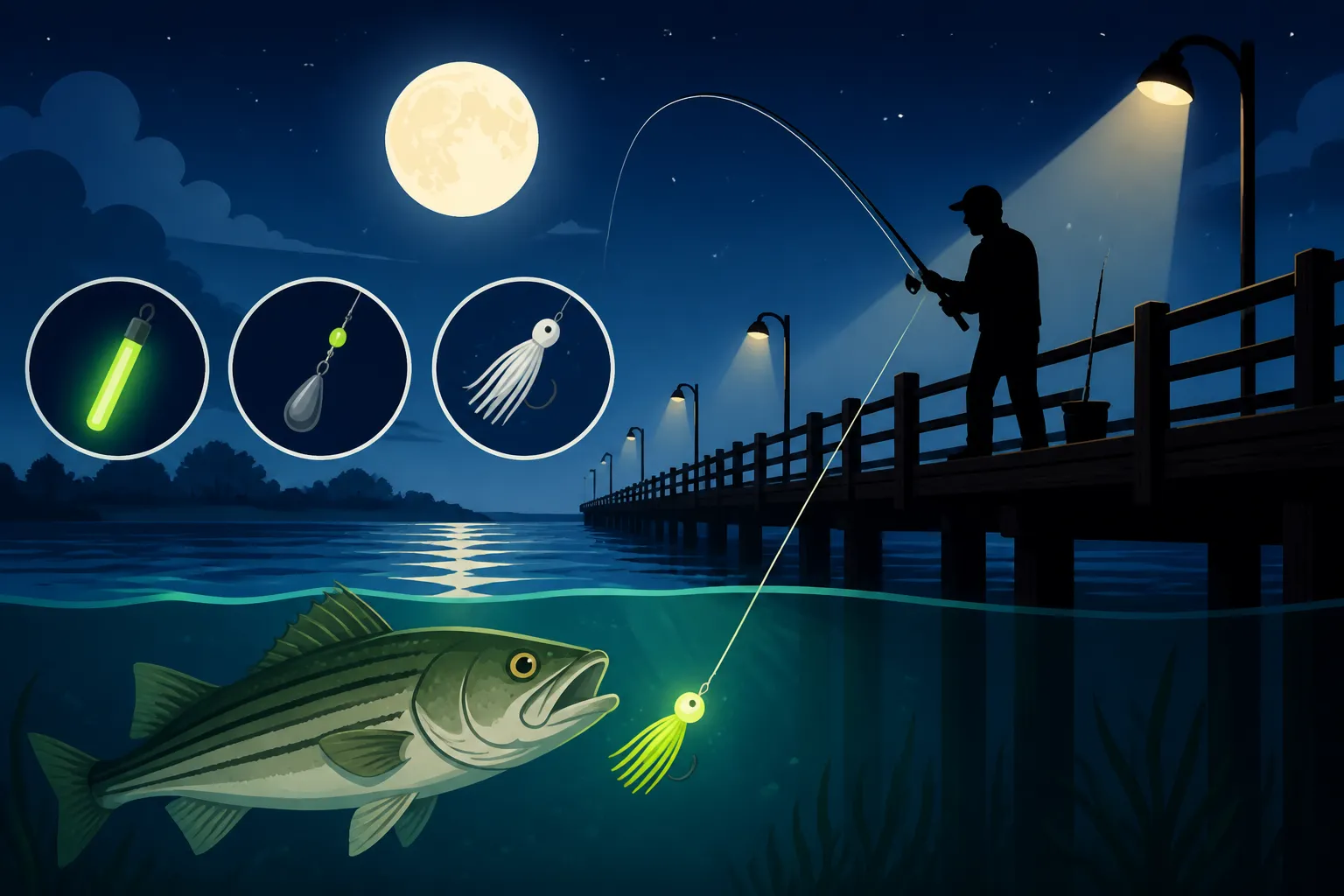
- Glow-in-the-Dark Lures: While not always a magic bullet, glow-in-the-dark lures can certainly attract curiosity. Charging them with a strong light source (like your headlamp) before casting can make them irresistible to some species, particularly when fishing for flounder or bottom fish in deeper, darker waters. Just don't rely on them exclusively; the scent and action of your presentation remain paramount.
Mastering Techniques for Successful Night Pier Fishing
Night fishing isn’t just about putting a light in the water and hoping for the best. It involves a strategic approach to capitalize on the unique conditions and fish behavior after dark.
Using Lights to Attract Fish and Bait
This is where the magic really happens. Strategic use of light can turn a barren stretch of water into a thriving feeding ground. As mentioned, green submersible lights are often preferred because their wavelength penetrates water best, creating a plankton bloom that attracts small baitfish like silversides and minnows.
Once the baitfish arrive, the predators won't be far behind. Position your light so it illuminates the water directly under or just off the side of the pier where you intend to fish. This creates a "fish magnet" effect. When baitfish congregate, cast your line into the edges of the illuminated area, or just outside the main beam, as larger predatory fish often lurk in the shadows, waiting to ambush. Avoid casting directly into the brightest part of the light if you're targeting wary game fish, as they might be spooked by the direct light. Instead, let them cruise into the shadows to grab your offering.
Remember, patience is key. It can take 20-30 minutes, or even longer, for the light to fully establish its attractive qualities and for the food chain to kick into gear. Setting up your light early in the evening, as dusk transitions to night, is a smart play.
Presentation Strategies in Low Light
In the dark, fish rely heavily on their lateral line system to detect vibrations and scent. This means your presentation needs to be deliberate and often slower than during the day.
- Slower Retrieve: Whether you're using lures or bait, a slower, more methodical retrieve allows fish more time to locate your offering. A stop-and-go retrieve with jigs or soft plastics can mimic a wounded baitfish, making it an easy target. When using live bait, let it swim naturally, perhaps giving it a slight twitch every now and then to create some commotion.
- Bottom Fishing with Scent: For species like white perch, croaker, and various catfish (including the ever-present blue catfish), a simple bottom rig with a strong-smelling bait is often the most effective. Use a two-hook bottom rig with a pyramid or bank sinker to hold your bait in place. Fresh cut bait or bloodworms are tough to beat. Cast your rig out, let it settle, and then pay close attention to the feel of your line. In the dark, you'll often feel the bite before you see any rod tip movement, so keep a hand on your rod or watch for subtle taps. For more on specific bottom fishing techniques, check out our guide on Bottom Fishing Techniques for Maryland Catfish.
- Topwater and Shallow Presentations: If you're targeting striped bass that are busting bait near the surface under the pier lights, don't shy away from topwater lures or shallow-running swimbaits. The silhouettes of these lures against the surface can trigger aggressive strikes. Work them with a "walk-the-dog" retrieve or a slow, steady pull to create a noticeable disturbance on the water.
Adapting to Tides and Currents
Just like daytime fishing, understanding the tides and currents is absolutely critical for night pier fishing, especially in tidal waters like the Chesapeake Bay. Fish activity is directly influenced by water movement, which brings in food and stirs up the bottom.
- Incoming and Outgoing Tides: Generally, the period around a changing tide (either incoming or outgoing) tends to be the most productive. As the tide moves, it pushes baitfish, crabs, and other food sources past the pier pilings and into ambush points. Look for the peak of the current flow, which often coincides with increased feeding activity. The two hours leading up to and after a high or low tide are often prime windows. You can use apps or local tide charts to predict these crucial times. Understanding How Tides Affect Fishing in Maryland's Chesapeake Bay will significantly boost your success.
- Reading the Water: Even in the dark, you can often "read" the water. Look for swirls, eddies, or changes in the current around pier pilings. These are often indicators of where fish might be holding. If you're using a submersible light, observe how the baitfish are behaving. If they're actively schooling and feeding, chances are larger fish are nearby. If the current is ripping, you might need to use heavier sinkers to keep your bait in the strike zone, or choose lures that can work effectively in strong flows.
- Wind and Moon Phase: While less critical than tide, wind direction and moon phase can also play a role. A light breeze can create a surface chop that breaks up the moonlight, providing more cover for predatory fish. A full moon can make the water brighter, sometimes making fish warier, but it also provides anglers with better visibility without artificial lights. Experimentation will show you what works best on your chosen pier.
Top Maryland Piers for Night Fishing Adventures
Maryland boasts a fantastic array of piers, from the Chesapeake Bay to the Atlantic coast, offering diverse night fishing opportunities. While local conditions can change, some spots consistently deliver after dark.
Chesapeake Bay Piers with Proven Night Action
The Chesapeake Bay is a treasure trove of fishing opportunities, and many of its piers come alive at night. These locations are often illuminated, making them safer and more accessible for evening anglers.
- North Beach Fishing Pier (North Beach): This pier is a real gem. It extends far out into the Bay, offering access to deeper waters and strong currents. Striped bass are a common target here, especially during their spring and fall runs. Anglers often set up with bottom rigs for white perch and spot, or throw artificials for cruising rockfish. The pier often has decent lighting, adding to the sense of security.
- Annapolis City Dock (Annapolis): While not a traditional long fishing pier, the areas around Annapolis City Dock and other waterfront parks can offer surprising opportunities, especially for white perch and small stripers that hug the lighted docks. It's more of a casual spot, but productive for those seeking a quick evening outing.
- Romancoke Fishing Pier (Stevensville, Kent Island): Located on Kent Island, this pier extends into the Eastern Bay, a productive tributary of the Chesapeake. It's known for striped bass, white perch, and even bluefish during warmer months. It can get busy during the day, but the nights offer a calmer experience. The combination of lights from the nearby bridge and the pier itself can create excellent feeding zones. For more information on great spots, consult a guide to Best Piers and Shore Fishing Spots in Maryland.
- Bill Burton Fishing Pier State Park (Cambridge): What was once part of the Choptank River Bridge, this pier offers extensive access. It's a fantastic spot for striped bass, white perch, blue catfish, and even some flounder in the warmer months. The sheer length of the pier means you can spread out, and many sections are well-lit. Fishing here, especially near the main channel, can be incredibly productive at night as the current brings food past.
Ocean City Piers Under the Stars
Ocean City offers a different kind of night fishing experience, with the vast Atlantic and its back bays providing unique targets.
- Ocean City Fishing Pier (Ocean City Inlet): This iconic pier is synonymous with Ocean City fishing. Extending into the Atlantic at the Inlet, it's open 24 hours a day and is a bustling hub even at night. Anglers target a wide variety of species here, from kingfish, croaker, and flounder closer to shore, to bluefish, tautog, and even small sharks and rays further out. The pier is very well-lit, and there's often an exciting atmosphere. Just be prepared for potential crowds, even after dark, especially during peak summer weekends.
- Northside Park (Ocean City): While not directly on the ocean, Northside Park offers access to the calmer back bays. Its small pier and surrounding bulkheads are excellent spots for night fishing for flounder, white perch, and spot. These areas are usually quieter than the main ocean pier and can be very rewarding, especially for families looking for a more relaxed evening. The lights from the park also attract baitfish to the area.
Smaller Community Piers Worth Exploring
Don't overlook the smaller, lesser-known piers scattered throughout Maryland's waterways. These can often provide incredible solitude and surprisingly good fishing.
- Local Park Piers: Many county and state parks, such as those along the Potomac River or smaller tributaries, have short fishing piers or platforms. While they might lack extensive lighting, the quiet solitude and access to freshwater species like bass, crappie, and catfish can be fantastic. Always check park hours and regulations before planning a late-night trip.
- Residential Community Piers: Some residential areas with water access have small community piers. If you have friends or family living in such a community, ask if you can join them for a night of fishing. These spots are often unpressured and can hold excellent numbers of fish that aren't used to seeing anglers.
- Public Boat Ramps with Docks: Many public boat ramps also feature courtesy docks. While not designed specifically for fishing, these docks can offer convenient access to deeper water, and the lights from the ramp can attract fish. Just be mindful of boaters and ensure you're not obstructing their access. A great resource for all fishing regulations and locations can be found in the Maryland DNR Fishing and Boating Guide.
Safety First: Staying Secure After Dark
Fishing at night carries inherent risks that daytime fishing does not. Being prepared and maintaining a heightened sense of awareness is paramount to a safe and enjoyable experience.
Personal Safety and Awareness
Your personal safety should always be your top priority when fishing after dark. It's not just about avoiding slips and falls; it's also about being aware of your surroundings and protecting your belongings.
- Go with a Buddy: Whenever possible, fish with a friend or family member. There's safety in numbers, and if an accident occurs, you'll have someone to assist you or call for help. Plus, it makes the experience more enjoyable!
- Tell Someone Your Plans: Always inform a trusted person where you're going, when you expect to return, and who you'll be with. This way, if you don't check in, they know where to start looking.
- Secure Valuables: Keep your wallet, phone, and keys in secure, zippered pockets or a waterproof bag that's always with you. Avoid leaving valuable gear unattended, even if the pier seems deserted. It's a sad reality, but opportunistic theft can occur.
- Be Aware of Wildlife: While less common on urban piers, some areas might have nocturnal wildlife. Keep an eye out for snakes, raccoons, or other critters that might be drawn to your bait or catch.
- Know the Rules: Always check if a pier has specific operating hours or restrictions for night fishing. Some piers close at dusk, and violating these rules can lead to fines or even more serious Maryland Fishing License Penalties for Violations.
Navigating Pier Obstacles
Piers are full of potential trip hazards that are exponentially more dangerous in the dark. A moment of inattention can lead to a nasty fall.
- Footwear: Wear sturdy, closed-toe shoes with good grip. Avoid flip-flops or open-toed sandals. The pier surface can be wet, uneven, or littered with discarded hooks and line.
- Mind Your Step: Use your headlamp to illuminate the path directly in front of you. Be mindful of cracks, missing planks, changes in elevation, and anything left on the deck by other anglers. It’s a good idea to scout out your spot in daylight if you plan to fish it at night, so you’re already familiar with its layout.
- Respect Other Anglers' Space: Even with fewer people, give other anglers ample room. Be aware of their casting arcs, and never walk too close to their lines or tackle. A thoughtful approach helps maintain the peaceful atmosphere.
- Children and Pets: If you bring children or pets, keep them under strict supervision. Piers often have low railings or open gaps that can be dangerous. A life vest for children is always a good idea when near water, day or night.
Weathering Unexpected Conditions
Even on a clear evening, weather can change quickly, especially near large bodies of water like the Chesapeake Bay or the ocean.
- Check the Forecast: Always check the weather forecast before heading out. Look for sudden drops in temperature, unexpected rain, or strong winds. A calm evening can turn gusty surprisingly fast.
- Dress in Layers: Temperatures can fluctuate significantly from sunset to the middle of the night. Dressing in layers allows you to adjust to changing conditions, staying comfortable without getting too hot or too cold. Even in summer, a light jacket or sweatshirt can be a lifesaver.
- Rain Gear: Keep a lightweight rain jacket or poncho in your bag. A sudden downpour can quickly dampen your spirits and your gear.
- Emergency Contact/Kit: Have a fully charged phone, and consider carrying a small emergency kit with basic first aid supplies, a whistle, and perhaps a small space blanket. You never know when you might need it.
Common Catches and What to Expect
Maryland’s waters are teeming with diverse fish species, and many of them become more accessible and active on piers after dark. Knowing what you're likely to hook into can help you tailor your gear and techniques for maximum success.
Striped Bass and Their Night Habits
Ah, the striped bass, or rockfish as we affectionately call them here in Maryland! These prized gamefish are a favorite target for night anglers from piers, especially during their migratory periods in spring and fall. After dark, large stripers often move into shallower water and closer to structures like piers, taking advantage of the reduced visibility to ambush baitfish.
You'll typically find them cruising the edges of pier lights, darting into the illuminated zone to snatch a disoriented spot or silverside, then retreating to the shadows. Using lures that mimic these baitfish, such as soft plastic paddle tails on jig heads, swimbaits, or even topwater plugs, can be incredibly effective. Consider casting into the shadows and retrieving into the light. Live lining small spot or eels (where legal) under a float is another deadly technique, especially around pilings where stripers like to lurk. For more in-depth strategies, check out our guide on Maryland Striped Bass Fishing Techniques. Remember to check current regulations on size and creel limits before heading out.
Perch, Catfish, and Eels
These species are truly the bread and butter of night pier fishing in Maryland. They are prolific, often abundant, and generally less finicky after dark.
- White Perch: These feisty panfish are everywhere in the Chesapeake Bay and its tributaries, and they love pier lights. They congregate in large schools, eager to snatch up small baitfish, bloodworms, or bits of fresh clam. A simple bottom rig with small hooks (sizes 4-8) tipped with bloodworms or a small piece of FishBites is usually all it takes. You'll often catch them one after another, making for fast and fun action. They also make for excellent table fare! Our article on White Perch in Maryland's Chesapeake Bay provides more details.
- Catfish: Maryland's rivers and the upper Chesapeake Bay are home to various catfish species, including channel catfish and the invasive blue catfish. Blue catfish, in particular, are incredibly active at night and can grow to enormous sizes. They have an excellent sense of smell, making cut bait like fresh bunker, chicken liver, or even hot dogs irresistible. A sturdy bottom rig with a strong hook (size 2/0 to 5/0, depending on target size) and a heavy sinker is essential. These powerful fish offer a serious fight, and there's no limit on Maryland Blue Catfish Possession Rules due to their invasive status, so fill your cooler! For specific bait advice, read Best Bait for Blue Catfish in Maryland Rivers.
- Eels: While sometimes considered a nuisance, eels are abundant, especially at night, and they can be quite fun to catch if you're prepared for their slimy nature. They'll readily take any cut bait, bloodworms, or squid on a bottom rig. Bring a rag or a pair of pliers to handle them, as they are slippery and can be difficult to unhook. Many anglers target them for bait, but they are also edible.
Other Unexpected Visitors
The beauty of pier fishing, especially at night, is that you never truly know what you might hook into. The mystery is part of the allure.
- Flounder: While often associated with daytime bay fishing, flounder can be caught at night, especially around pier lights in the back bays of Ocean City or deeper Bay piers. They often lie in wait in the shadows, ambushing baitfish drawn to the light. A flounder rig with a jig or a live minnow, shrimp, or a strip of Gulp! scented bait can entice a bite.
- Croaker and Spot: These smaller bottom dwellers are very common on Chesapeake Bay piers, particularly during warmer months. They are fantastic eating and provide consistent action. They readily take bloodworms, squid, or FishBites on a two-hook bottom rig. At night, their bites can be more aggressive as they compete for food.
- Rays and Small Sharks: On ocean piers, especially at the Ocean City Inlet, it's not uncommon to hook into smaller species of sharks (like dogfish or sandbar sharks) or various rays after dark. They're attracted to the same cut bait meant for bigger fish. If you hook into one, be sure to handle them with extreme care, especially rays with venomous barbs. A long-nosed pliers and a dehooker are essential tools.
- Snapping Turtles: In freshwater or brackish areas, large snapping turtles can be an unexpected and challenging catch. They have a powerful bite and can be difficult to release safely. It's best to cut the line if you hook one, rather than trying to bring it up onto the pier, to avoid injury to yourself or the turtle.
Night fishing from Maryland piers offers an unparalleled blend of peace, excitement, and opportunity. With the right gear, a strategic approach, and a focus on safety, you’ll unlock a whole new world of angling possibilities. So, grab your headlamp, pack your scented baits, and get ready for some truly memorable nights under the stars.
Disclaimer
The information provided in this guide is for general informational purposes only. Fishing regulations in Maryland are subject to change by the Maryland Department of Natural Resources (DNR). Always consult the most current Maryland Fishing and Boating Guide or the official MD DNR website before you go fishing to ensure compliance with all licensing requirements, size limits, catch limits, and seasonal closures. Fishing activities inherently carry risks; please exercise caution and prioritize safety at all times.