Maryland’s Minimum Size for Keeping Flounder
One of the most common head-scratchers for Maryland anglers, especially those just getting into saltwater fishing, is keeping up with all the regulations. When you're out on the water, excited about a bite, the last thing you want to do is guess whether that beautiful flounder you just reeled in is a keeper. This guide is here to clear up the confusion, walking you through Maryland's minimum size requirements for flounder so you can fish with confidence and stay on the right side of the rules.
Understanding Flounder Regulations in Maryland
Maryland's Department of Natural Resources (DNR) works hard to manage our fisheries sustainably, and flounder are a big part of that effort. These flatfish are a beloved target for many anglers, known for their delicious fillets and sometimes challenging fight. But with that popularity comes the responsibility to ensure their populations remain healthy for years to come. That's why we have rules, and knowing them inside and out is crucial.
It can feel a bit overwhelming, trying to keep track of length limits, creel limits, and open seasons that sometimes change. You might hear different things from different people at the boat ramp, or see conflicting information online if you're not looking at official sources. My goal here is to give you a clear, comprehensive picture so you can focus on the fun part: catching fish! We'll cover what you need to know about the current minimum size and then dive into why these rules are so important.
The Current Minimum Size Limit
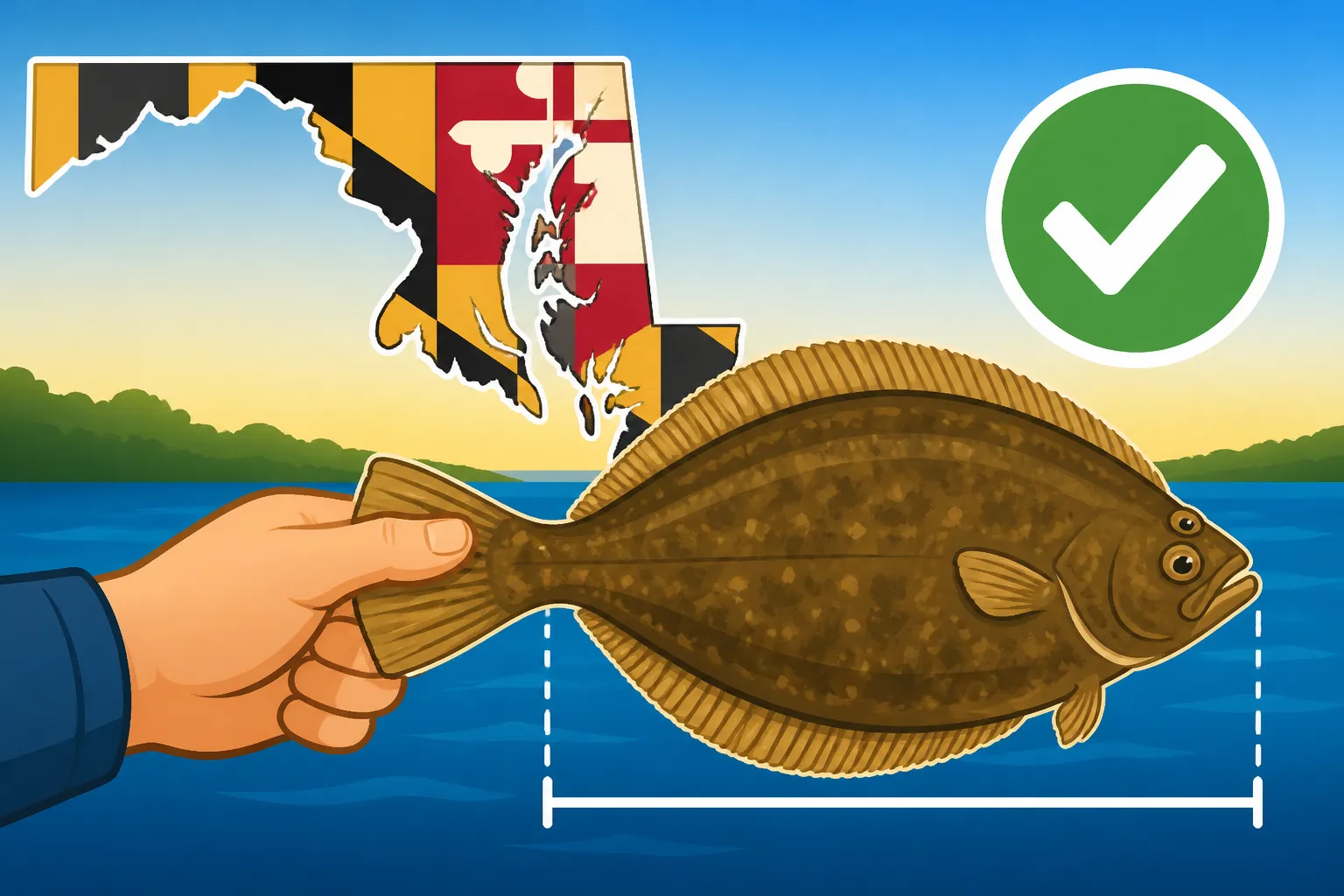
Let's get right to the heart of the matter: what's the magic number for a keeper flounder in Maryland? The minimum size limit for flounder in Maryland waters typically hovers around 16 to 17 inches. This means that any flounder you catch must measure at least that length from the tip of its snout to the tip of its tail, with the tail pinched, to be legally harvested. This "tail pinched" method is vital for an accurate measurement and is how the DNR measures fish in the field. It’s not about how long it looks stretched out; it’s about a firm, straight measure.
This number isn't static forever, mind you. Fisheries management is a dynamic process, and regulations can change based on scientific assessments of fish stocks, environmental factors, and regional agreements. It's always a good practice to double-check the latest regulations before you head out, and we'll talk more about how to do that reliably later on. Imagine landing what you think is a perfectly legal fish, only to find out later the rules changed last week. That's a real bummer, and easily avoidable! Keep an eye on the official DNR publications, as they're the ultimate authority. You can find more specific details by checking out Maryland Flounder Regulations for 2026, which often highlights upcoming or recently implemented changes.
Daily Creel Limits and Season Dates
Beyond just the size, there are also limits on how many flounder you can keep per day, often called the "creel limit," and specific seasons when you're allowed to target and harvest them. These limits work hand-in-hand with the minimum size to manage the fishery. For flounder, you'll often see a daily creel limit of around 4 fish per person. This means that even if you catch ten legal-sized flounder, you can only keep four of them in a single day. This helps spread the harvest among more anglers and reduces the overall pressure on the stock.
Season dates are also critical. While flounder are generally available for a good portion of the year, there might be specific closures or periods with different rules, especially during sensitive times like spawning. For example, some species have closed seasons to protect them when they're most vulnerable. Flounder seasons are usually pretty generous, running through much of the spring, summer, and fall, making them a fantastic target for family outings. Always check the official Maryland Fishing Size and Catch Limits by Species document for the most current information, as these are the details that prevent fines and ensure the fish populations thrive. Misunderstanding these small details can lead to a frustrating experience, or worse, a penalty, so make sure to get it right!
Why Minimum Size Limits Exist for Flounder
It's easy to look at a regulation like a minimum size limit and feel a little frustrated, especially if you've just caught what feels like a perfectly good fish that falls just short. But these rules aren't just arbitrary lines in the sand. They are scientifically determined measures designed to protect fish populations and ensure that future generations of anglers have just as good, if not better, fishing opportunities than we do today. Understanding the "why" behind the rules can help us all appreciate their importance and embrace responsible angling practices.
Think of it this way: every fish you release that's too small has a chance to grow larger, mature, and contribute to the population's ability to reproduce. This long-term thinking is what keeps our favorite fishing spots productive year after year.
Protecting Juvenile Flounder and Spawning Stocks
The primary reason for a minimum size limit is to protect juvenile fish, allowing them to grow large enough to reproduce at least once before being harvested. For flounder, this means ensuring they reach sexual maturity and have the chance to spawn, contributing new fish to the population. If we were to keep every flounder we caught, regardless of size, we'd quickly deplete the breeding stock. This would lead to fewer fish, smaller fish, and ultimately, a collapse of the fishery.
Imagine a scenario where everyone keeps 10-inch flounder. Those fish haven't had a chance to lay eggs or produce offspring. Fast forward a few years, and you'd find a drastic decline in flounder numbers because there simply aren't enough adults reproducing. By setting a minimum size of, say, 16 inches, the DNR is ensuring that most flounder have had at least one or two opportunities to spawn before they become eligible for your dinner plate. This is vital for the long-term health of the species and is a cornerstone of responsible fisheries management. You can learn more about how changes are implemented by looking into Flounder Size Limit Change in Maryland which details past adjustments.
Ensuring Sustainable Fishing for Future Generations
Beyond protecting current spawning stocks, minimum size limits are a critical tool for ensuring overall sustainability. They help maintain a healthy age structure within the fish population, meaning there's a good mix of young, mature, and older fish. This diversity makes the population more resilient to environmental changes, disease, or unexpected declines. Without a healthy age structure, a population can be more vulnerable to crashing.
The goal isn't just to have fish now, but to guarantee that our kids and grandkids can experience the joy of catching flounder in Maryland waters. This forward-thinking approach means sometimes making tough decisions or accepting rules that might feel restrictive in the moment. When you release an undersized flounder, you're not just following a rule; you're actively investing in the future of the fishery. It's a small act with a huge collective impact. For those who enjoy the experience of being on the water as much as the catch, this is a principle we can all get behind. Anglers serious about the future of their sport often invest in quality gear, from the rods to the measuring devices you can find on Amazon, knowing that a little investment in equipment and responsible practices goes a long way.
Practical Tips for Measuring and Handling Flounder
Okay, so you've hooked a flounder! The excitement is real, but now comes the crucial part: measuring it accurately and, if it's too small, releasing it safely. This isn't just about avoiding a fine; it's about respecting the fish and doing your part for conservation. Many anglers, especially those new to flounder fishing, find this step a bit intimidating, worrying they might hurt the fish or get it wrong. But with a few simple techniques and the right tools, it becomes second nature.
Remember, the clock starts ticking once the fish is out of the water. Flounder, like many other fish, are delicate creatures, and rough handling or prolonged exposure to air can significantly reduce their chances of survival after release. Being prepared and efficient is key to both compliance and conservation.
Accurate Measurement Techniques
When it comes to measuring flounder, consistency is everything. The Maryland DNR specifies measuring total length, which means from the tip of the snout to the furthest tip of the tail, with the tail pinched. This isn't always easy when a fish is flopping around, but there are tools and techniques to help.
First, invest in a good, sturdy measuring device. A flexible tape measure can be difficult to use accurately on a squirming fish. A rigid bump board or a straight, stick-style measuring device is ideal. Many tackle shops, or online retailers like Amazon, offer these, some even with a built-in "tail-pinching" end to make it easier. Lay the fish flat on its side on the measuring device, with its snout against the front stop. Gently but firmly pinch the tail lobes together to get the maximum length, then read the measurement.
Here's a quick checklist for accurate measurement:
- Wet your hands or glove: This protects the fish's slime coat.
- Use a flat, stable surface: A bump board or a flat deck with a measuring tape securely affixed is perfect.
- Position the head: Place the snout firmly against the front of the measuring device.
- Pinch the tail: Gently but firmly squeeze the tail fin together to extend it to its maximum length.
- Read quickly and clearly: Make sure you get an undeniable measurement. If there's any doubt, it's always best to err on the side of caution and release the fish.
Having a dedicated fishing ruler or bump board in your tackle box makes a world of difference. It removes guesswork and helps you quickly determine if your catch is a keeper.
| Measurement Tool | Pros | Cons | Best For |
|---|---|---|---|
| Rigid Bump Board | Most accurate, easy tail-pinch, durable | Can be bulky, takes up space | Regular anglers, tournaments |
| Stick Ruler/Tape | Portable, inexpensive | Can be tricky with squirming fish | Occasional anglers, quick checks |
| Soft Tape Measure | Very flexible, compact | Least accurate, hard to keep straight | Emergency backup, non-critical measurement |
| Boat Decal Ruler | Always available, waterproof | Can be hard to see in low light or wet | Permanent fixture on boat |
Safe Release Practices for Undersized Fish
Let's face it, sometimes you'll catch a flounder that's just shy of the legal limit. It happens to everyone! When it does, your responsible angling practices really shine. Releasing an undersized fish safely is just as important as knowing the regulations. A poorly released fish is unlikely to survive, negating the conservation efforts of the size limit.
Here are the golden rules for a successful release:
- Minimize Air Exposure: Flounder gills are designed for water, not air. Keep the fish in the water as much as possible while unhooking it. If you must lift it out, do so briefly.
- Handle With Wet Hands or Gloves: Dry hands can strip away the fish's protective slime coat, making it vulnerable to infection. Wet your hands thoroughly before touching the fish.
- Support the Fish: If you need to hold it for unhooking, support its body horizontally. Avoid holding it vertically by the jaw or tail, as this can damage its internal organs or spine.
- Use a Dehooker: If the hook is deep, a dehooking tool can often remove it quickly and with minimal damage, without needing to put your hands near sharp teeth. This is especially true for flounder, which can sometimes inhale baits. You can find excellent dehookers on Amazon that make this process much safer for both you and the fish.
- Revive if Necessary: If the fish seems sluggish after unhooking, hold it gently in the water, facing into the current, and move it back and forth to help water flow over its gills until it shows signs of vigor and can swim away strongly on its own.
- Avoid Excessive Handling: The less you handle the fish, the better. Get it measured, unhooked, and back in the water as quickly and gently as possible.
Remember, releasing a fish is a goodwill gesture towards the fishery. It ensures that fish gets another shot at growing bigger and contributing to future generations. These practices are especially important when Fishing Maryland's Chesapeake Bay, A Complete Guide because of the diverse ecosystems and pressures on fish populations.
Where to Find the Most Up-to-Date Flounder Regulations
Alright, so you've got the general idea of flounder size limits and the importance of responsible angling. But as I mentioned earlier, regulations can and do change. It would be a disservice if I didn't stress how vital it is for you, the angler, to always verify the most current rules before each trip. Relying on outdated information, even by just a few months, can lead to confusion, disappointment, or even a citation from a Maryland Natural Resources Police officer.
The fishing world is dynamic, with scientific studies, environmental shifts, and interstate agreements constantly influencing how fisheries are managed. This isn't just true for flounder; it applies to virtually all species. So, where should you turn for the definitive word on current Maryland fishing regulations? Let's explore the most reliable sources.
Official DNR Resources
When it comes to Maryland fishing regulations, there is one ultimate authority: the Maryland Department of Natural Resources (DNR). Their website is the official repository for all current rules, including those for flounder. This is your go-to source, and it's something I recommend checking regularly, especially before your first trip of a new season or if you haven't fished for a particular species in a while.
Here's how to best utilize official DNR resources:
- DNR Website: The Maryland DNR website has a dedicated section for fishing regulations. Look for pages specifically addressing "recreational fishing regulations," "tidal fishing," or "saltwater species." They typically publish annual guides, but also issue notices for emergency closures or mid-season changes. This is where you'll find the precise minimum size, creel limits, and season dates for flounder.
- Annual Fishing & Boating Guide: The DNR also publishes an annual print guide. While these are excellent for a general overview, always remember that electronic updates on their website take precedence if a mid-year change occurs. Many local bait and tackle shops distribute these guides, or you can often download a PDF version from the DNR's site. This guide is comprehensively explained in Maryland's DNR Fishing and Boating Guide, Explained.
- Email and Social Media Alerts: Consider signing up for DNR email newsletters or following their official social media channels. They often use these platforms to announce immediate changes, breaking news, or important reminders about seasons and limits. This can be a real lifesaver when an unexpected regulation change comes down the pike, like adjustments to the Maryland Striped Bass Season and Rockfish Rules.
- The DNR Compass Mobile App: Many states now offer mobile apps for anglers, providing instant access to regulations, license purchasing, and even catch reporting. Check if Maryland DNR has a current, reliable app that you can download to your smartphone. This allows you to have the rules right in your pocket, even when out on the water.
Never rely solely on information from a third-party website (unless it explicitly states it's pulling directly from DNR feeds) or an old printout. How Often Maryland Updates Its Fishing Regulations is more frequently than you might think, so staying current is paramount.
Local Knowledge and Bait Shops
While the DNR website is the official source, local bait and tackle shops are invaluable hubs of real-time information and local insights. These are often angler-run businesses, deeply ingrained in the local fishing community. They live and breathe fishing, and they hear about regulation changes, sometimes even before they're widely publicized.
Think of your local bait shop owner or clerk as your frontline information agent. They're often happy to share the latest news, explain specific nuances of regulations, and even offer advice on techniques or hot spots. For instance, if you're targeting flounder in the Ocean City area, popping into a shop near the Ocean City Maryland Fishing Guide area could yield not only the current flounder limits but also tips on what bait is working best.
Here's how to make the most of local resources:
- Visit in Person: A quick chat with the folks at the counter can clarify any doubts you have. They're usually passionate anglers themselves and understand the nuances of the rules. They might even have printed summaries of the current rules for their specific area.
- Check Posted Notices: Many bait shops will have official DNR posters or printouts of the latest regulations displayed prominently. This serves as a quick visual reference.
- Listen to the Grapevine (with caution): While fellow anglers can be a great source of camaraderie and tips, always cross-reference any regulation information you hear with an official source. Misinformation, however well-intentioned, can lead you astray. "Oh, that's what I heard" isn't a valid defense if you're checked by NRP.
- Ask About Local Conditions: Beyond regulations, these shops can tell you about recent catches, water temperatures, and tidal patterns that might affect your flounder outing. They might even recommend specific tackle available on Amazon that's been particularly effective for flounder recently, like certain types of bottom rigs for flounder.
Combining the authoritative information from the DNR with the practical, real-time insights from local bait shops gives you the best possible foundation for a successful and compliant flounder fishing trip in Maryland. By staying informed, you contribute to the sustainability of this wonderful fishery and ensure many more enjoyable days on the water. For more specific local information, check out places like Where to Catch Flounder Near Ocean City.
Disclaimer
This article is for general informational purposes only and does not constitute professional advice. Laws, prices and regulations vary by location and change over time. Consult a qualified professional for guidance on your specific situation.