Can Snakehead Really Move on Land?
That persistent rumor about snakehead fish slithering across your lawn to invade a new pond? It's one of those fish tales that sounds almost too wild to be true, and yet, there's just enough truth to it to keep Maryland anglers on edge. Many folks worry about these invasive fish "walking" right out of one water body and into another, spreading their populations even faster. This guide will dive deep into the reality of how northern snakeheads move on land, what adaptations allow them to do so, and why understanding this behavior is crucial for managing them in Maryland's diverse waterways.
The Legend vs. The Reality: Separating Fact from Fiction
When people hear "snakehead can walk on land," images of a fish with legs marching across dry ground might come to mind, like some creature from a sci-fi movie. It's a sensational idea, and it certainly plays into the fear surrounding this invasive species. But the reality, while still concerning, is a little less dramatic than a true "walk."
What "Walking" Actually Means for a Snakehead
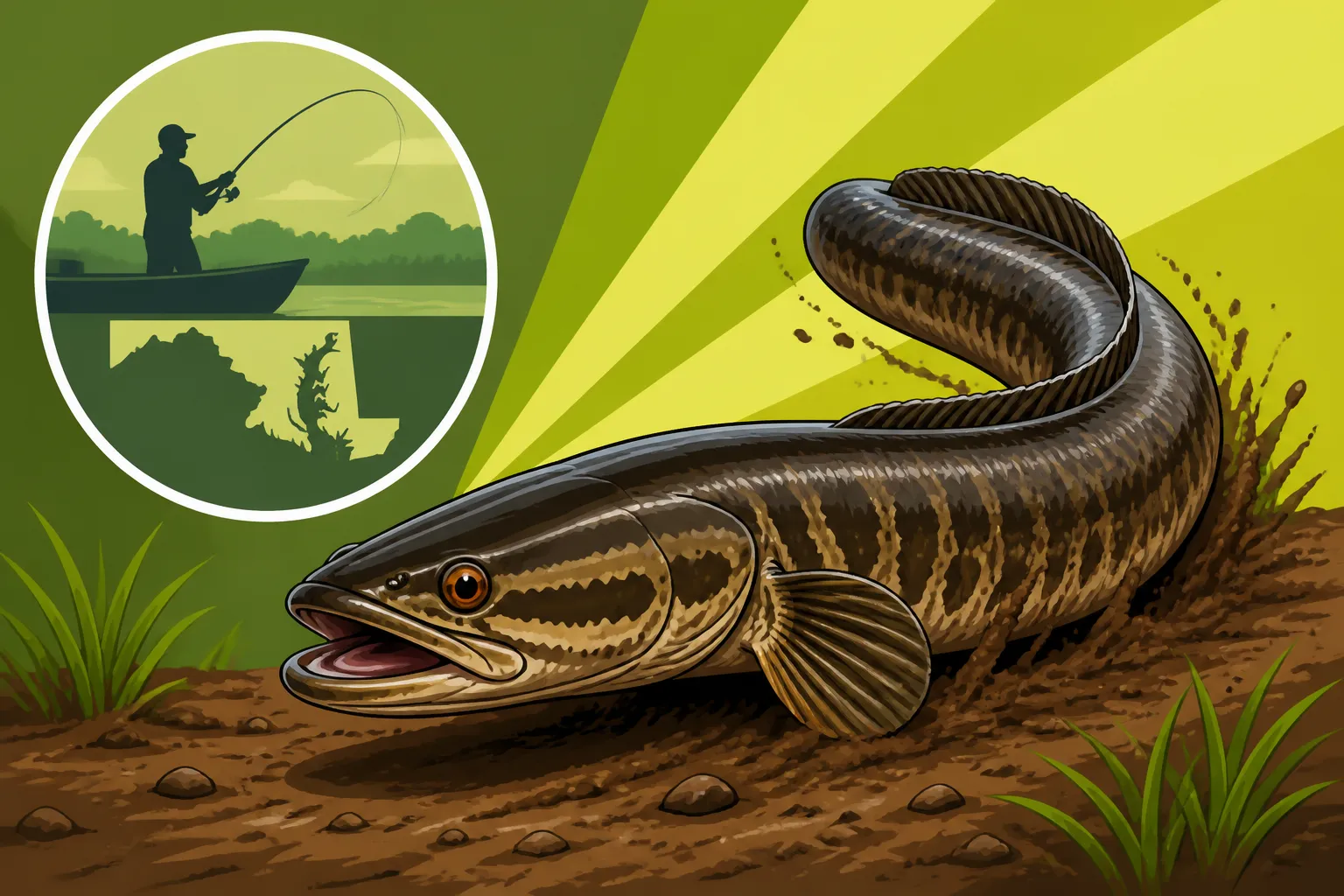
Let's be clear: a snakehead doesn't sprout legs and stroll around. Their "walking" is more of a powerful, undulating wriggle. Imagine a snake moving through grass or over mud – that's closer to what a snakehead does. They use their strong pectoral fins, which are almost like short, stubby arms, and their muscular bodies to propel themselves forward in a serpentine motion. They effectively push against the ground, leveraging their entire body to gain traction and cover short distances.
This isn't a leisurely journey, nor is it particularly fast. It's an energy-intensive movement, usually undertaken out of necessity. If a pond is drying up, or water levels drop drastically, a snakehead might attempt this overland travel to find a new, more suitable environment. They are searching for survival, not exploring new territory for fun. This unique form of locomotion, coupled with their ability to breathe air, is what makes them so remarkably resilient and a formidable invasive species here in Maryland.
Why the Myth Persists: Misunderstandings and Sensationalism
The image of a fish "walking" is certainly memorable, and when combined with the legitimate concerns about an invasive species, it's easy for the myth to take on a life of its own. News stories and angler anecdotes often highlight the more dramatic aspects of snakehead behavior, sometimes blurring the line between their genuine capabilities and exaggerated fears. The truth is, their ability to survive out of water for extended periods and move across moist ground is truly remarkable compared to most native fish, which would quickly suffocate.
For anglers in Maryland, the threat isn't that a snakehead will chase them across a field, but rather that a fish might successfully migrate from a flooded ditch to a nearby stream, or from a drying pond into an adjacent wetland. This capability directly contributes to the challenges of containing their spread, especially in areas like the Potomac River or the upper Chesapeake Bay tributaries where they've become well-established. Understanding what they can do, rather than what they might do in a horror film, is key to effective management and responsible angling. We're talking about a real ecological concern, not a monster movie, and that's why Maryland has strict rules, like Maryland Invasive Fish Rules: Blue Catfish and Snakehead.
How Snakehead Move on Land: A Closer Look at Their Adaptations
The fact that a fish, any fish, can move outside of water for any length of time is astounding to many. It speaks to a fascinating set of biological adaptations that have allowed the northern snakehead to thrive in diverse environments, even far from its native range.
The Role of Their Unique Respiratory System
The secret to the snakehead's terrestrial movement isn't just about strong fins; it's fundamentally tied to their ability to breathe air. Unlike most fish that rely solely on gills to extract oxygen from water, snakeheads possess a unique accessory respiratory organ, often called a suprabranchial organ. This specialized organ allows them to take gulps of atmospheric air directly, much like a lung.
This adaptation is a game-changer. It means that even if they're out of water, as long as their gills remain moist, they can continue to respire. This allows them to survive for hours, and sometimes even days, on damp land, mud, or in shallow, oxygen-depleted puddles. Compare this to a largemouth bass or a sunfish, which would quickly suffocate once removed from water. This incredible resilience is precisely why they can attempt those overland journeys, buying them precious time to find new water when their current habitat becomes unsuitable. It’s also why understanding their biology is so important for those fishing in areas where these invaders are present, such as when learning about Maryland Snakehead Fishing Rules.
The Mechanics of Terrestrial Locomotion
So, how exactly does this air-breathing, torpedo-shaped fish manage to traverse solid ground? It's a combination of power, balance, and a little bit of slime. When a snakehead decides to move overland, it typically adopts a "snaking" or "undulating" motion. They flex their powerful bodies, creating waves of muscle contractions that push against the ground. Their pectoral fins, instead of being used for swimming, act almost like crude levers or crutches, helping them to lift and pivot their bodies forward.
Think of it less as crawling and more as a series of controlled flops and pushes. They need a moist surface to minimize friction and keep their skin and gills from drying out. This is why you're most likely to see them attempting these movements during or after heavy rains, when the ground is wet, or in areas with thick, damp vegetation. They might be escaping a drying pond, navigating through flooded fields, or even moving from one puddle to a slightly larger one. While they won't cover vast distances, a few hundred feet is entirely within their capability under ideal conditions, which is more than enough to colonize a new body of water if the opportunity arises.
| Feature | Snakehead (Terrestrial Movement) | Typical Native Fish (Out of Water) |
|---|---|---|
| Primary Movement | Wriggling, slithering, powerful body undulations | Erratic flopping, little directed movement |
| Fin Use | Pectoral fins used for pushing/pivoting | Fins mostly used for stabilization in water, ineffective on land |
| Breathing | Suprabranchial organ (air-breathing) | Gills only (water-dependent) |
| Survival Time | Hours to days (if moist) | Minutes |
| Motivation | Seek new water, escape poor conditions | Reflexive struggle, panic |
| Distance Covered | Short distances (feet to hundreds of feet) | Very limited, often none |
The True Threat: Why Terrestrial Movement Matters in Maryland
Beyond the fascinating biology, the snakehead's ability to move on land isn't just a party trick; it's a significant ecological concern, especially in a region like Maryland with its intricate network of rivers, streams, and wetlands. This unique trait directly contributes to their success as an invasive species.
Colonizing New Waters: A Real Concern
One of the primary worries surrounding snakeheads is their uncanny ability to colonize new, previously unaffected water bodies. This isn't usually a long, purposeful march across open fields. Instead, it often happens opportunistically. Imagine a heavy rainfall event, common during Maryland's spring and summer. Creeks overflow their banks, low-lying fields become temporarily inundated, and puddles form everywhere. A snakehead, perhaps stuck in a shallow, stagnant pool, can use this network of temporary water to essentially "swim" through the flooded grass or wriggle across short, wet land bridges to reach an entirely new pond, lake, or even a tributary connected to the greater Chesapeake Bay system.
This "leapfrogging" ability makes them incredibly difficult to contain. A population established in one small pond can, over time and with the right weather conditions, spread to adjacent waterways that seem geographically separate on a map. This ability to disperse helps them find new food sources, escape predation, and establish new breeding grounds, significantly impacting local ecosystems. It's why anglers are always encouraged to report sightings and follow regulations like Maryland Striped Bass Season and Rockfish Rules to ensure the health of native fish populations.
Survival Out of Water: The Durability Factor
It's not just about the movement; it's also about their sheer resilience once they are out of the water. As mentioned, their air-breathing organ buys them valuable time. If a snakehead finds itself in a drying puddle or is simply stranded on a muddy bank after a flood recedes, it's not a death sentence for them like it would be for most fish. As long as they can keep their skin and gills moist, perhaps by burying themselves slightly in damp mud or under leaf litter, they can survive for a surprisingly long time.
This durability makes them a persistent threat. An angler might catch one, lay it on the bank, and assume it's dead, only for the fish to revive hours later and find its way back to the water. This is precisely why Maryland's Department of Natural Resources (DNR) emphasizes a strict "kill on sight" policy and why anglers need to know What to Do If You Catch a Snakehead in Maryland. It's not enough to simply remove them from the water; they must be dispatched properly to ensure they cannot re-enter the ecosystem and continue to spread. Their tenacity is truly remarkable, and it’s what makes them such a challenge for conservation efforts.
Angler Responsibility and Management Efforts
As anglers, we have a vital role to play in managing invasive species like the northern snakehead. It's not just about following the rules; it's about being informed and taking proactive steps to protect Maryland's native fish populations and aquatic ecosystems.
Identifying and Handling a Snakehead Safely
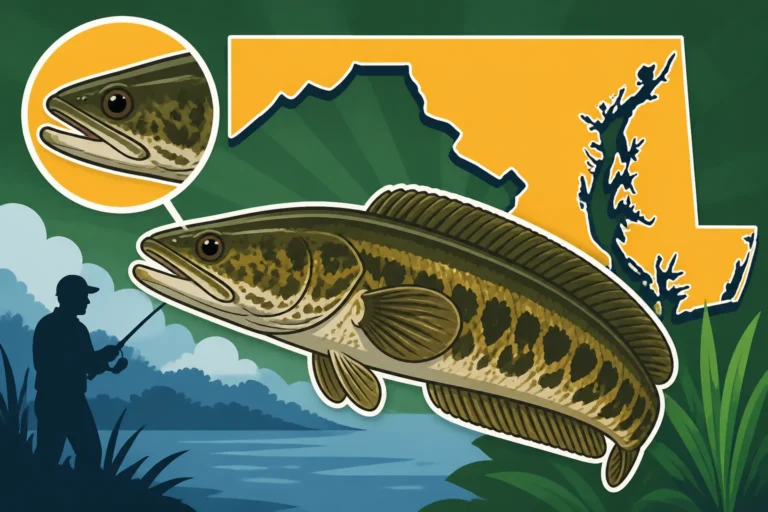
The first step in responsible management is proper identification. Northern snakeheads are often confused with native fish like bowfin or even pickerel. They have a long, cylindrical body, a distinctively flattened head resembling a snake's, and a long dorsal fin that runs almost the entire length of their back. Their color is typically mottled brown with darker blotches, resembling camouflage. If you're unsure, it's always best to err on the side of caution. There's a great resource on How to Identify a Northern Snakehead in Maryland that can help clear up any confusion.
Once identified, the directive in Maryland is clear: do not release a live snakehead. This is a "kill on sight" species. Handling them requires care. They have sharp teeth, so stout pliers or a lip gripper are invaluable for control. The most humane and effective way to dispatch them is usually a sharp blow to the head with a blunt object, or by severing the spinal cord. Make absolutely certain the fish is deceased before disposing of it or taking it home. Transporting a live snakehead, even accidentally, can lead to serious legal consequences, as outlined in the Fine for Transporting a Live Snakehead in Maryland. Having a dedicated cooler or container for your catch, especially if you plan to keep them for consumption, is a good idea. You can find durable options like rotomolded coolers and heavy-duty pliers on popular online retailers like Amazon, ensuring you have the right tools for the job.
Preventing Further Spread
Our individual actions collectively make a huge difference in the fight against invasive species. Beyond dispatching any snakehead you catch, there are other critical steps anglers should take to prevent their spread. Always clean your boats, kayaks, trailers, and fishing gear thoroughly when moving between different bodies of water. Even a small amount of mud or vegetation can harbor eggs or juvenile fish, inadvertently introducing them to a new ecosystem. This "Clean, Drain, Dry" principle is essential for all invasive species, not just snakeheads.
Never use live snakeheads as bait, and certainly never release any into a different body of water. If you happen to catch one and decide you don't want to keep it, make sure it is fully deceased before disposing of it in a trash receptacle, not back into the water. This diligent effort from the angling community is crucial for slowing their advance and protecting our native species like white perch, crappie, and bass. Every angler who understands and acts upon these responsibilities helps safeguard Maryland's precious aquatic environments for future generations.
Disclaimer
This article is for general informational purposes only and does not constitute professional advice. Laws, prices and regulations vary by location and change over time. Consult a qualified professional for guidance on your specific situation.