Where to Catch Flounder Near Ocean City
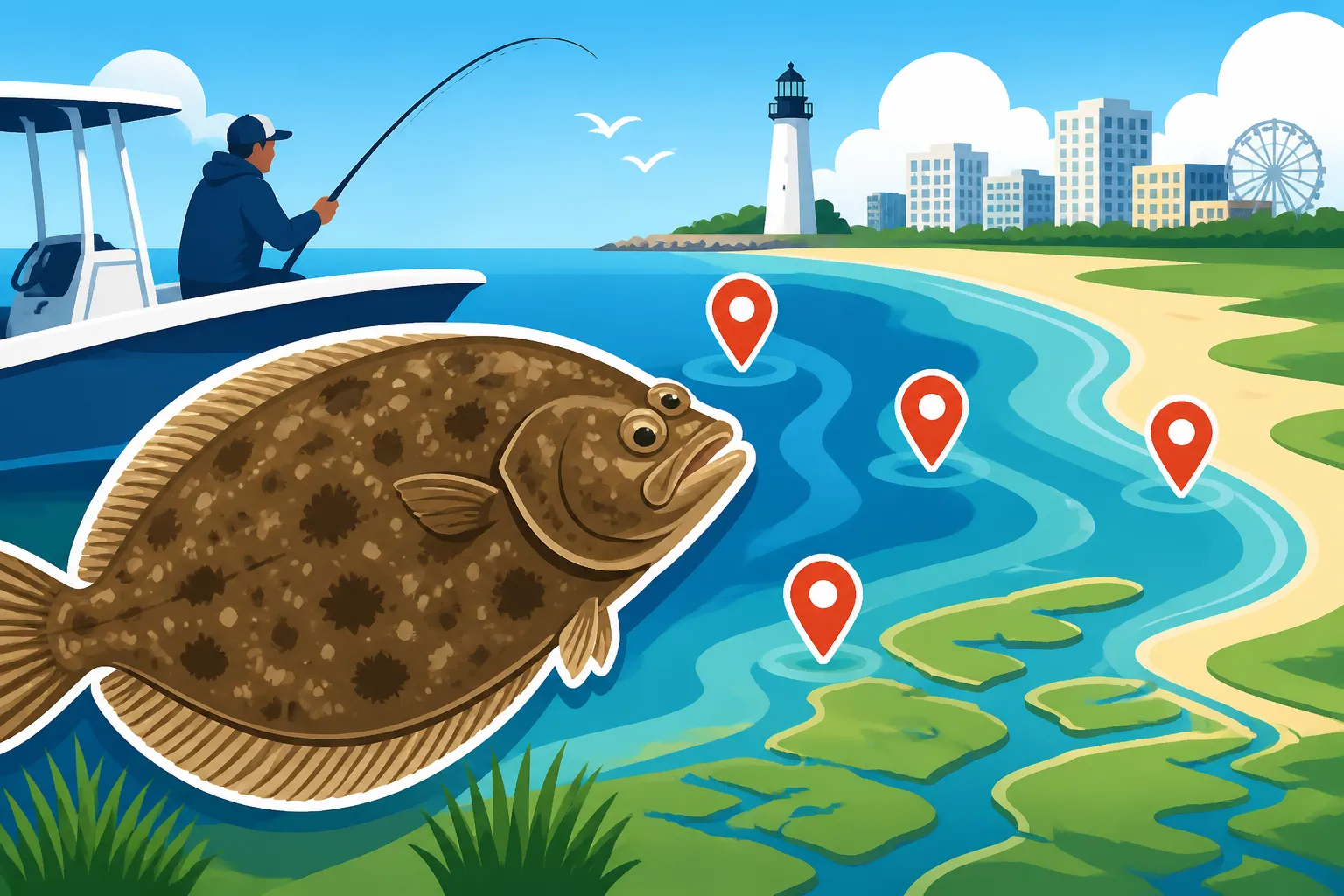
Finding those elusive flounder near Ocean City can feel like chasing a ghost, right? You hear whispers of folks pulling in doormats, but when you hit the water, it's just endless casts and empty hooks. It's frustrating when you know the fish are there, but you just can't seem to locate their hideouts. This comprehensive guide is here to cut through the guesswork, helping you pinpoint the best spots and tactics to finally fill your cooler with delicious Maryland flounder.
Understanding Flounder Behavior in Ocean City Waters
Before we dive into specific locations, it’s incredibly helpful to understand a bit about how flounder operate. These flat, camouflaged predators aren't just swimming around aimlessly; they have preferred conditions and habitats that dictate where you'll find them. Knowing their patterns is half the battle won, turning your fishing trips from a hopeful guess into a strategic hunt.
Seasonal Movements and Water Temperatures
Flounder, specifically summer flounder (or fluke, as they're often called further north), are highly migratory fish. They spend their winters offshore in deeper, warmer ocean waters. As spring progresses and the inshore waters of Maryland's coastal bays and the Atlantic warm up, these fish begin their migration closer to shore. Typically, you'll start seeing a good number of flounder appearing in the Ocean City area by late April or May, with the bite steadily improving through the summer.
The peak flounder season in Ocean City usually runs from June through September. During these months, the water temperatures in the back bays and nearshore ocean are ideal for them to feed and thrive. As fall approaches and the water begins to cool down, they'll make their way back out to the deeper ocean for the winter. So, if you're planning a trip, aiming for the warmer months gives you the best odds. Early summer, when they first arrive, can be fantastic, as can late summer/early fall when they're bulking up for their offshore journey. Knowing the best time of year to fish in Maryland can significantly impact your success, and for flounder, summer is prime time.
Preferred Habitats and Structures
Flounder are ambush predators, and their flat bodies are perfectly designed for lying in wait on the bottom, camouflaged against the sand or mud. This means they're almost always found near some kind of structure or depth change where baitfish might congregate or currents create natural feeding lanes.
In the shallow back bays and channels, they love areas with sand, mud, or shell bottoms. Look for places where there's a drop-off, a channel edge, or submerged grass beds. These features provide concealment and allow them to dart out quickly to snatch unsuspecting baitfish, shrimp, or crabs carried by the current. Near the inlets or ocean, structures like jetties, bridge pilings, wrecks, and artificial reefs become prime real estate. The irregular surfaces and varied depths around these structures create perfect ambush points and offer shelter for both flounder and their prey. Stronger currents often flow around these structures, bringing food directly to the flounder.
Top Flounder Hotspots Near Ocean City Maryland
Ocean City and its surrounding waters offer a fantastic variety of spots to target flounder, whether you're fishing from shore, a pier, or a boat. Each location has its own nuances, but all share the common theme of providing ideal ambush opportunities for these flatfish.
The Thorofare and Back Bays
When it comes to consistent flounder action near Ocean City, the network of back bays is often considered the undisputed champion. The Thorofare, a deep channel running parallel to Ocean City itself, is particularly renowned. This area, along with the other back bays like Assawoman Bay and the Isle of Wight Bay, offers a complex ecosystem of channels, flats, and structures that flounder absolutely love.
These back bays are primarily fished from a boat, kayak, or sometimes a paddleboard. You'll want to focus on drifting. Drifting allows you to cover a lot of ground and present your bait naturally with the current. Target the edges of the main channels, especially where there are noticeable depth changes or underwater humps and bumps. The mouths of smaller creeks that feed into the main bays can also be hotspots, particularly during outgoing tides when baitfish are flushed out. When drifting, use a bottom rig setup for Maryland flounder fishing, or a bucktail jig tipped with bait, and let it bounce along the bottom. The key here is presenting your bait right where the flounder are hunkered down, waiting. Many local anglers find great success fishing the Ocean City back bays for flounder.
Ocean City Inlet and Jetties
The Ocean City Inlet is a powerhouse fishing location, offering access to both bay and ocean species, and flounder are definitely on the menu. The constant flow of water through the inlet, combined with the rocky jetties, creates a smorgasbord of feeding opportunities for flounder. This spot is accessible for both boat anglers and shore-bound fishermen.
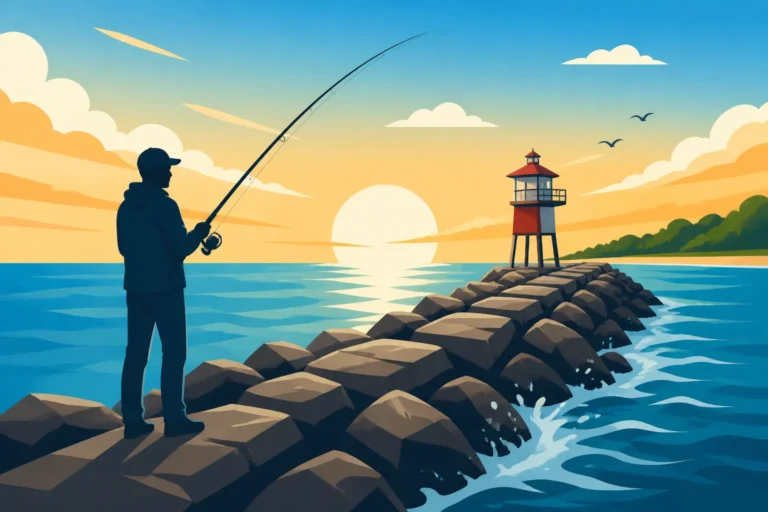
From a boat, you can drift the deeper channels within the inlet, similar to how you'd fish the Thorofare, but with potentially stronger currents. Focus on the areas where the current forms eddies or slows down just enough for flounder to hold. For those fishing from shore, the jetties themselves are prime territory. Fishing Ocean City's Inlet and Jetties can be extremely productive. Anglers will often cast out a bottom rig or a heavy jig and slowly work it back along the rocky bottom. Be prepared for snags, as the rocks can be unforgiving on tackle. The key here is understanding that flounder will often hide right at the base of the rocks, waiting for crabs or baitfish to swim by. Stronger currents can make presentation challenging, but also bring in more food, so it’s a trade-off.
Nearshore Wrecks and Reefs
For anglers with access to a boat capable of heading a bit further out into the ocean, the nearshore wrecks and artificial reefs off Ocean City can be absolute goldmines for larger flounder. While the back bays are great for numbers, these offshore structures often hold trophy-sized fish.
Maryland has an active artificial reef program, and many structures are sunk specifically to create habitat for a variety of species, including flounder. These can be old barges, concrete rubble, or purpose-built reef balls. Flounder will congregate on and around these structures, using them for cover and as a source of food. You'll need good electronics (fishfinder/GPS) to locate these spots accurately. Once on top of a wreck or reef, you can either anchor up-current and cast back, allowing your bait to drift over the structure, or perform controlled drifts over the top. Heavy bucktail jigs tipped with Gulp! or natural bait are incredibly effective here. You're not just looking for flounder; these areas also attract black sea bass and other bottom dwellers, making for a diverse catch. For those looking for a guided trip to these offshore honey holes, platforms like FishingBooker can help you find reputable charters that specialize in wreck fishing.
Assawoman Bay and Isle of Wight Bay
While often considered part of the broader "back bays" system, specifically mentioning Assawoman Bay and Isle of Wight Bay highlights other distinct, productive areas. These bays, bordering Ocean City to the north and west, respectively, offer excellent flounder fishing opportunities, especially for those seeking slightly less crowded waters than the Thorofare itself.
Assawoman Bay, with its extensive shallow flats and numerous marsh islands, can be fantastic for kayak anglers or those in smaller boats. Focus on the deeper channels that snake through these flats, and the edges where the flats drop off into slightly deeper water. The Isle of Wight Bay, similarly, has plenty of structure, including bridge pilings (like those under the Route 90 Bridge) and docks, which provide excellent cover for flounder. When fishing these bays, pay close attention to the tidal flow. Flounder will often position themselves on the down-current side of structure, ambushing anything that drifts by. Drifting with the current, while bouncing your bait on the bottom, is a classic and effective technique. The shallow nature of much of Assawoman Bay also makes it a great place to fish for flounder if you prefer calmer waters.
Essential Techniques and Tackle for Ocean City Flounder
Catching flounder isn't just about finding them; it's also about presenting your bait in a way that makes them want to strike. Flounder are opportunistic feeders, but they can be finicky, especially if your presentation isn't just right. Mastering a few key techniques and having the right tackle can make all the difference.
Best Baits and Lures
Flounder have a varied diet, but certain baits and lures consistently outperform others in Ocean City waters. For natural bait, live or fresh cut bait is almost always king.
- Live Minnows/Spot/Shrimp: Small live baitfish like silversides (often called minnows locally), peanut bunker, or even small live spot are incredibly effective. Flounder can't resist a struggling baitfish. Live shrimp are also a fantastic option in the back bays. The key is to keep them lively on the hook.
- Cut Bait: Strips of fresh squid, flounder belly, or even bluefish can be deadly. The scent trail is a major attractor. Many anglers swear by a strip of squid in combination with a minnow for what's locally known as a "flounder sandwich."
- Gulp! Baits: These artificial baits from Berkley have revolutionized flounder fishing. The Gulp! Swimming Mullet, Shrimp, or Grub in chartreuse, white, or pink are incredibly effective. They release a powerful scent that fish often find irresistible, and they're much more durable than natural bait. Many anglers use them as a standalone lure or tip them onto bucktail jigs or bottom rigs. If you're wondering about the best bait for flounder in Ocean City, Gulp! is definitely on the list.
For lures, bucktail jigs are the classic choice. Varying in weight from 1/2 oz to 2 oz depending on depth and current, bucktails in white, chartreuse, or pink, often tipped with a Gulp! or a strip of natural bait, are excellent for jigging or drifting along the bottom.
Rigging for Success
The way you rig your bait is crucial for tempting flounder. They primarily feed on the bottom, so your presentation needs to be down there with them.
- Flounder Rigs (Bottom Rigs): These are perhaps the most common and effective setups. A typical flounder rig consists of a leader with two dropper loops, each holding a snelled hook (size 1/0 to 3/0). A sinker (pyramid or bank sinker, 1-4 oz depending on current) is attached to the bottom. This allows your bait to be presented just off the bottom, making it easy for flounder to spot and engulf. You can use beads or small spinner blades on the snells to add visual attraction. For deeper dives, check out a detailed bottom rig setup for Maryland flounder fishing guide.
- Jigging: When using bucktail jigs, you'll want to bounce them actively along the bottom. Cast out, let it sink, then lift your rod tip sharply to move the jig, letting it fall back to the bottom on a semi-slack line. Most strikes occur on the fall. Tipping your jig with Gulp! or a piece of cut bait significantly increases its appeal.
- Carolina Rigs: Less common for flounder but still effective, a Carolina rig uses an egg sinker threaded onto your main line, followed by a swivel, and then a leader (18-36 inches) to your hook. This provides a very natural presentation for live bait.
Regardless of the rig, using light to medium-light spinning tackle is recommended. A sensitive rod helps you feel those subtle flounder bites, which often feel like a gentle tap or just added weight. You want enough backbone to set the hook but enough flexibility for a good fight.
Reading the Tides and Currents
Perhaps the single most critical factor in flounder fishing near Ocean City is understanding and utilizing the tides and currents. Flounder are largely ambush predators that rely on currents to bring food to them. They'll position themselves strategically, facing into the current, ready to strike.
- Tidal Flow: Flounder typically feed most actively during moving tides – either incoming or outgoing. Slack tide (the period of little to no current at high or low tide) often sees a significant slowdown in the bite. The strongest currents, usually mid-tide, can be the most productive, but they can also make it harder to keep your bait on the bottom without using excessively heavy sinkers.
- Current Direction: Always try to position your boat or cast your bait so it drifts with the current. This presents your bait naturally, mimicking how a real baitfish or shrimp would move. If you're drifting from a boat, try to drift sideways, covering a wider swath of bottom.
- Structure and Eddies: Look for how the current interacts with structure like bridge pilings, jetties, or channel edges. Flounder will often sit in the calmer water (eddies) on the down-current side of these structures, darting out into the current to grab passing food. This knowledge is crucial for productive fishing, as understanding how tides affect fishing in Maryland's Chesapeake Bay and coastal waters applies here too.
Monitoring a local tide chart for Ocean City is essential. Plan your trip to coincide with a strong moving tide for the best chances of success.
Navigating Regulations and Ethical Practices
Responsible angling isn't just a suggestion; it's a vital part of ensuring that future generations can enjoy the same incredible fishing opportunities we do. When fishing for flounder near Ocean City, understanding and adhering to local regulations and practicing ethical fishing methods are paramount.
Maryland Flounder Size and Creel Limits
Regulations are put in place to manage fish populations and ensure sustainability. These rules can change annually, so it's always critical to consult the most current Maryland Department of Natural Resources (DNR) fishing guide before heading out. Generally, flounder in Maryland have a minimum size limit and a daily creel (bag) limit. For example, in recent years, the Maryland Flounder Size Limit has typically been around 19 inches, with a daily creel limit of 4 fish per angler. However, these numbers can vary, so always double-check.
- Minimum Size Limit: This means any flounder you catch that is shorter than the specified length must be immediately and carefully released. Measuring tapes are essential equipment for any flounder angler.
- Daily Creel Limit: This refers to the maximum number of flounder you are allowed to keep in a 24-hour period. Once you've reached your limit, you must stop targeting and retaining flounder.
- Possession Limits: Be aware of any possession limits, which might apply if you are on a multi-day trip. These typically dictate the maximum amount of fish you can have in your possession, regardless of when they were caught.
These regulations are part of the broader Maryland Daily Bag Limits by Species, which cover a wide range of fish in both tidal and non-tidal waters. Ignorance of the law is not an excuse, and fines for violations can be significant.
Conservation and Responsible Angling
Beyond simply following the rules, practicing good conservation habits ensures the health of the fishery. Flounder are a popular species, and their populations rely on responsible handling and release of undersized fish.
- Handle With Care: When releasing undersized flounder, do so gently. Try to minimize their time out of the water. If possible, use a de-hooking tool to remove the hook while the fish is still in the water or just barely out. Avoid touching their eyes or gills.
- Use Appropriate Tackle: Using tackle that's too heavy can result in fish being deeply hooked, making release more difficult. Conversely, too-light tackle can prolong the fight, stressing the fish unnecessarily. Aim for a balance.
- Reduce Bycatch: While targeting flounder, you might catch other species. Be aware of their regulations too, and release them carefully if you don't intend to keep them or if they're out of season/undersized.
- Respect the Environment: Always pack out what you pack in. Never leave trash, discarded fishing line, or bait containers on the shore or in the water. Keep our waterways clean for everyone to enjoy.
If you decide to go with a charter, remember that the captain and crew are responsible for ensuring all regulations are followed on their vessel. They typically have a Maryland Charter Boat Fishing License, and they know the rules inside and out, which is one of the many benefits of booking a guided trip. Platforms like FishingBooker can connect you with experienced, licensed captains who prioritize ethical fishing and adhere to all local regulations. They'll ensure you have a fun and legal trip, and even help you understand the current Maryland Flounder regulations for 2026.
Here’s a quick overview of prime flounder fishing spots and considerations around Ocean City:
| Location | Best Time to Fish | Key Features & Tips | Recommended Bait/Lure | Accessibility |
|---|---|---|---|---|
| The Thorofare | Summer (June-Sept) | Deep channels, channel edges, current breaks. Drift with the tide. | Live minnows, Gulp! Swimming Mullet, Squid strips, Bucktail jigs | Boat, Kayak |
| OC Inlet | Moving tides | Jetties, deep channels, eddies. Strong currents require heavier tackle. | Live minnows, Squid/Flounder strips, Gulp! Shrimp, Bucktail jigs | Boat, Shore (jetties), Kayak |
| Nearshore Wrecks | Summer | Offshore structures, artificial reefs. Requires boat and electronics. | Heavy Bucktail jigs (2-4 oz) tipped with Gulp! or cut bait | Boat |
| Assawoman Bay | Summer | Shallow flats, marsh edges, secondary channels. Focus on drop-offs. | Live minnows, Gulp! Grubs, Cut bait | Boat, Kayak, Paddleboard |
| Isle of Wight Bay | Summer | Bridge pilings (Rt. 90), dock lines, channel edges. Drift and target structure. | Live minnows, Gulp! Mullet, Squid strips | Boat, Kayak, Shore (near bridges) |
| Ocean City Piers | Moving tides | Pilings, current lines. Cast away from structure to avoid snags, work back. | Live minnows (if allowed), Shrimp, Squid, Bloodworms on bottom rigs | Pier |
This table provides a quick glance, but remember the deeper dives in the sections above offer much more context for these spots and techniques.
Disclaimer
Fishing regulations, including size and creel limits, seasons, and licensing requirements, are subject to change. Always consult the latest Maryland Department of Natural Resources (DNR) guidelines and regulations before you go fishing to ensure compliance. This guide is for informational purposes only and does not constitute legal advice.