Maryland Walleye Size Limit
Navigating the specific rules and regulations for fishing in Maryland can sometimes feel like trying to untangle a snarled fishing line – confusing, frustrating, and prone to knots. One moment you're dreaming of a delicious walleye dinner, the next you're wondering if that fish on your line is even legal to keep. Understanding the precise size limits for species like walleye isn't just about following the law; it's about protecting our fisheries for tomorrow and making sure your hard-earned catch doesn't land you in hot water. This guide will clarify Maryland's walleye size limit, why it matters, and how to fish responsibly.
Understanding Maryland's Walleye Size Limit
When you're out on the water, the last thing you want to do is guess about whether your catch is legal. For walleye in Maryland, there are clear, established rules designed to ensure a healthy population thrives. It’s not just about what you catch, but how big it is.
The Current Minimum Size and How It's Applied
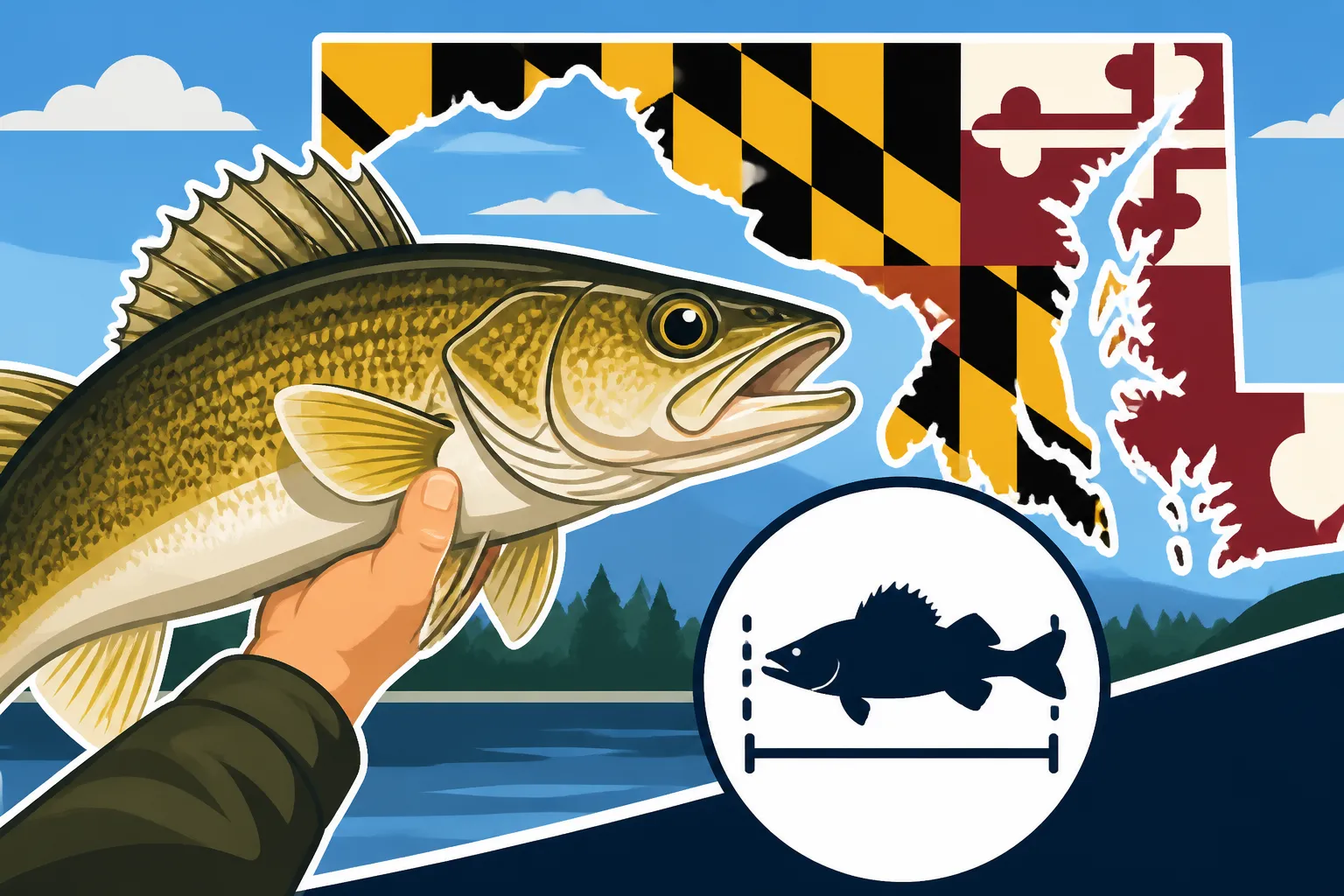
Currently, in Maryland, the minimum size limit for walleye is a firm 15 inches. This means any walleye you catch that measures less than 15 inches from the tip of its nose to the tip of its tail must be immediately and carefully released back into the water. This isn't a suggestion; it's a critical regulation put in place by the Maryland Department of Natural Resources (DNR) to safeguard the species. The 15-inch minimum isn't arbitrary. It’s a scientifically determined length that allows most walleye to reach reproductive maturity at least once, ensuring they have a chance to spawn and contribute to the next generation of fish. Without such limits, anglers could deplete the breeding stock, leading to a decline in walleye populations over time. It’s a small measure that has a huge impact on the long-term health of our fisheries.
It's also important to remember that this rule applies universally to walleye throughout all Maryland waters where they are found, most notably in places like Deep Creek Lake. There aren't special exceptions or different limits for different parts of the state for walleye, simplifying things somewhat, but placing the onus on every angler to know and respect this crucial length. Always double-check the latest regulations if you're ever unsure, as rules can occasionally be updated.
Measuring Your Catch Correctly
Accurately measuring your walleye is paramount to staying within the law and doing your part for conservation. Many anglers make small errors that could lead to inadvertently keeping an undersized fish or releasing a legal one. The proper way to measure a fish in Maryland is from the tip of its snout (mouth closed) to the very tip of its tail, with the tail compressed. This "total length" measurement is standard for most species and leaves little room for ambiguity.
To do this effectively, you need a reliable measuring device. A flat measuring board or a durable, adhesive measuring tape attached to your boat or cooler is ideal. Avoid using flexible cloth tapes, which can be inaccurate, especially when dealing with a flopping fish. Lay the fish flat on the measuring device, gently pinch the tail together to extend it fully, and read the measurement at the furthest point. Quick, precise measurements are key, especially if you're releasing the fish. Having a measuring device readily accessible, perhaps one you picked up from a reputable vendor on Amazon, is part of being a prepared and responsible angler. You can find some excellent, clearly marked measuring boards that make this process much easier.
Daily Creel Limits for Walleye
Beyond the size limit, there's also a daily creel limit for walleye in Maryland, which dictates how many fish of a legal size you can keep in a single day. For walleye, the daily creel limit is 5 fish per person per day. This means that even if you catch ten walleye that are all over 15 inches, you can only legally possess five of them. This regulation works hand-in-hand with the size limit to manage fishing pressure and prevent overharvesting.
Consider a scenario where you're having an incredible day at Deep Creek Lake, and you've landed six beautiful walleye, all well over 15 inches. It's tempting to keep them all, especially if they're destined for the dinner table. However, you must adhere to that five-fish limit. The sixth fish, no matter how perfect, needs to be gently released. These limits are set to ensure that enough fish remain in the population to continue breeding and to provide future angling opportunities for everyone. It’s a delicate balance that helps sustain the fishery for years to come. Remember, these limits apply from midnight to midnight, so you can't go out for another round later in the day to fill a second limit.
| Species | Minimum Size Limit | Daily Creel Limit | Primary Waters |
|---|---|---|---|
| Walleye | 15 inches | 5 fish | Deep Creek Lake |
| Largemouth Bass | 12 inches | 5 fish | Various Nontidal |
| Smallmouth Bass | 12 inches | 5 fish | Upper Potomac, Deep Creek Lake |
| Rainbow Trout | 10 inches (most areas) | 5 fish (most areas) | Stocked Trout Streams |
Why Walleye Regulations Matter for Maryland Anglers
It’s easy to view fishing regulations as just another bureaucratic hurdle, but in reality, they are the cornerstone of sustainable fishing. For a species like walleye, which isn't as widespread in Maryland as, say, striped bass, these rules are particularly vital for their continued presence and health in our waters.
Conservation and Sustainable Fishing Practices
The existence of a minimum size limit and a daily creel limit for walleye is fundamentally about conservation. Walleye are highly sought after for their delicious table fare and challenging fight, which naturally puts pressure on their populations. The 15-inch minimum size is specifically designed to protect juvenile walleye and, critically, to allow most fish to reproduce at least once before they are eligible for harvest. This ensures that the population can replenish itself naturally, preventing a decline due to overfishing.
Imagine a world without these rules. Anglers might keep every walleye they catch, regardless of size. This would quickly remove the smaller, younger fish that haven't had a chance to spawn, leading to fewer new walleye being born. Soon, the population would crash, and future generations of anglers (and even current ones) would find no walleye to catch. These regulations are a proactive measure, a commitment to ensuring that the thrill of catching a walleye in Maryland remains a possibility for decades to come. It’s about being good stewards of our natural resources and understanding that we share these waters with countless other anglers and future generations.
Impact on Fishing Opportunities
When regulations are effectively managed and adhered to, they directly translate into better fishing opportunities for everyone. Healthy walleye populations, supported by appropriate size and creel limits, mean more fish in the water, larger fish to target, and a higher chance of a successful outing. Conversely, neglecting these rules can quickly degrade a fishery, turning once-productive spots into barren waters.
Think about a popular fishery like Deep Creek Lake. The Maryland DNR invests considerable effort in stocking and managing this walleye fishery. If anglers disregard the rules, that investment, and the natural resources, would be squandered. By following the Maryland Fishing License Guide for 2026 and its specific species regulations, we contribute to a system that maintains robust populations, which in turn enhances the fishing experience for every angler. This means more memorable days on the water, more exciting fights with strong walleye, and ultimately, more fish dinners for those who enjoy them. It's a clear give-and-take: abide by the rules today, and enjoy better fishing tomorrow.
Avoiding Penalties and Fines
Let's be realistic: ignoring fishing regulations can lead to some pretty unwelcome consequences. Maryland has specific penalties for violations, and they can range from hefty fines to the suspension of your fishing license. Enforcement officers from the Maryland DNR regularly patrol popular fishing spots, including those known for walleye, to ensure compliance. Ignorance of the law is generally not considered an excuse, so it's critical to be informed before you cast a line.
A citation for keeping an undersized walleye or exceeding the daily creel limit can be costly, not just in terms of money, but also in terms of potential future fishing privileges. A single violation could impact your ability to renew your Maryland Fishing License Renewal or even lead to more severe repercussions. It's simply not worth the risk. Always carry a copy of the current regulations, readily available through the Maryland DNR website or in their annual guide, and don't hesitate to consult it if you're unsure. Taking a few moments to understand the rules will save you a lot of headache and expense in the long run. To understand the potential legal ramifications, you might want to review "Maryland Fishing License Penalties for Violations".
Where Maryland's Walleye Regulations Primarily Apply
While walleye aren't found in every nook and cranny of Maryland's diverse waters, there's one place where they are not only abundant but also specifically managed: Deep Creek Lake. Understanding the primary habitats helps apply the regulations correctly.
Deep Creek Lake: The Walleye Hotspot
When you talk about walleye fishing in Maryland, you're almost certainly talking about Deep Creek Lake. This large, picturesque lake in Western Maryland is the state's premier walleye fishery, boasting a healthy population thanks to consistent stocking efforts by the DNR. The 15-inch minimum size limit and the 5-fish daily creel limit are primarily designed with this specific lake's ecosystem and angler pressure in mind. If you're planning a trip to Deep Creek, knowing these walleye regulations is non-negotiable.
Anglers targeting walleye in Deep Creek Lake often focus on specific depths and structures, especially during different seasons. The lake’s clear, deep waters and ample forage base make it an ideal habitat for these fish. Fishing success for walleye here depends not just on technique, but also on adhering to the limits, which ensure that the population remains robust. Whether you're drift fishing with nightcrawlers or trolling crankbaits, every walleye you bring into the boat needs to be measured against that 15-inch standard. For more detailed insights on where to find them, check out "Fishing Deep Creek Lake for Walleye".
Other Potential Walleye Waters
While Deep Creek Lake is the undisputed champion for walleye in Maryland, there are other waters where walleye might occasionally be found or where they might have been historically present, though typically in much smaller numbers. Some reservoirs and larger rivers might hold incidental catches of walleye, perhaps from past stockings or migrating fish. However, these are generally not considered target fisheries for the species.
Regardless of where you hook into a walleye in Maryland, the statewide minimum size limit of 15 inches and the daily creel limit of 5 fish still apply. There aren't specific "no walleye" zones or different size limits for other bodies of water, which keeps it simple for anglers. If you're fishing in a non-tidal freshwater lake or river anywhere in the state, and you happen to catch a walleye, those core regulations are what you need to abide by. Always assume the standard regulations apply unless explicitly stated otherwise by the Maryland DNR for a particular waterbody.
Tidal vs. Nontidal Considerations
Maryland's fishing regulations often differentiate between tidal and nontidal waters, particularly concerning licensing requirements and certain species. However, for walleye, this distinction is less relevant as they are primarily a freshwater, nontidal species in Maryland. You won't typically find walleye in the brackish waters of the Chesapeake Bay or its tidal tributaries.
This means that the walleye regulations you're reading about are almost exclusively applicable to the nontidal, freshwater fisheries, predominantly Deep Creek Lake. While you might need different licenses for different types of water (e.g., a Maryland Nontidal vs Tidal Fishing License, Explained), the specific rules for walleye size and creel limits remain constant wherever you encounter them in Maryland's freshwaters. This simplifies things for the angler: if it's a walleye in Maryland, it's 15 inches minimum and 5 fish daily, period.
Best Practices for Catching and Releasing Walleye
Given the 15-inch minimum size limit and the daily creel limit of 5 fish, it's highly likely that you'll catch walleye that need to be released. Knowing how to do this properly is just as important as knowing the regulations themselves, contributing to the health and survival of those fish.
Minimizing Harm During Catch and Release
Catch and release is a vital practice for conservation, especially for fish like walleye that are managed with size and creel limits. When you land an undersized walleye, or you've reached your daily limit, the goal is to get that fish back into the water as quickly and unharmed as possible. Minimizing stress and physical damage is key to its survival. Avoid dragging the fish across rough surfaces, and try to keep it in the water as much as possible, especially during warmer months when oxygen levels are lower.
Handling the fish with wet hands is crucial to protect its slime coat, which is its primary defense against infection. Avoid squeezing the fish, particularly around its gills or belly. Use needle-nose pliers or a de-hooking tool to quickly remove hooks. If a fish is deeply hooked, it's often best to cut the line as close to the hook as possible rather than trying to rip the hook out, as this can cause internal damage. A good pair of de-hooking pliers, easily found on Amazon, can make a huge difference in the survival rate of released fish. Practice these techniques even before you catch a fish, so you're prepared when the moment comes.
Gear Considerations for Walleye
The type of gear you use can significantly impact the success of catch and release, particularly with deep-hooking. When targeting walleye, consider using baits and lures that are less likely to be swallowed whole. For example, using single hooks instead of treble hooks on some lures can reduce the amount of damage if the fish does get hooked deeper. If you're using live bait, consider circle hooks. Circle hooks are designed to hook fish in the corner of the mouth, making them much less likely to be swallowed and thus easier to remove without causing injury.
Additionally, having the right rod and reel setup can help you land fish more quickly, reducing their fight time and subsequent stress. A medium-light to medium action rod with a sensitive tip allows you to detect bites quickly, preventing the fish from swallowing the bait too deeply. Pairing this with a smooth-drifting reel and appropriate line strength ensures you have control over the fish without over-stressing it during the retrieve. Investing in quality gear, perhaps with some research on Amazon, is an investment in both your fishing enjoyment and the welfare of the fish you catch.
Adapting Your Approach to Size Limits
The presence of a 15-inch minimum size limit should influence how you approach walleye fishing. If your primary goal is to harvest legal-sized fish, you might adjust your tactics to minimize catching smaller fish, though this isn't always foolproof. Using larger baits or lures can sometimes help deter smaller fish, increasing your chances of hooking into a legal-sized walleye. For instance, if jigging, opting for a slightly larger jig head and plastic body might target larger fish more effectively than smaller presentations.
Conversely, if you're solely focused on the sport and don't care about keeping fish, you can experiment with various techniques, knowing that every fish, regardless of size, will be safely released. However, even then, understanding and practicing proper catch-and-release techniques remains paramount. The size limit isn't just about what you keep; it's also about fostering a mindset of conservation and respect for the resource, guiding how we fish and what we do with every walleye that comes to hand. This conscious approach helps ensure that the beautiful walleye fishery in Maryland remains vibrant for all who wish to enjoy it.
Disclaimer
Please note that fishing regulations, including size and creel limits, can change. While this article provides the most current information available at the time of publication, it is always the angler's responsibility to check the latest Maryland Department of Natural Resources (DNR) regulations before heading out to fish. This guide is for informational purposes only and should not be considered a substitute for official DNR publications.