Fishing the Lower Chesapeake Bay Near Point Lookout
If you've ever stood at the edge of the vast Chesapeake Bay, gazing out at the horizon near Point Lookout, you know that feeling of both awe and slight intimidation. It's a truly magnificent body of water, but knowing where to cast your line, what to target, and how to navigate its immense fishing opportunities can feel like trying to find a needle in a haystack. This comprehensive guide is here to cut through the confusion and equip you with everything you need to successfully fish the lower Chesapeake Bay, specifically around the rich waters near Point Lookout.
Why Point Lookout is a Prime Fishing Destination
Point Lookout, where the Potomac River meets the Chesapeake Bay, isn't just a picturesque historical site; it's an absolute powerhouse for anglers. The sheer volume and diversity of fish species drawn to this area make it a perennial favorite for both seasoned captains and casual shore anglers alike. But what makes this specific stretch of water so incredibly productive? It boils down to a fascinating mix of geography, water dynamics, and the seasonal migration patterns of key fish species.
The Unique Geography and Its Impact on Fish
Imagine a funnel: that's essentially what the lower Chesapeake Bay near Point Lookout becomes for migrating fish. The confluence of the mighty Potomac River, one of the Bay's largest tributaries, with the main stem of the Chesapeake creates a dynamic environment. This area features a complex tapestry of shallow flats, deep channels, oyster reefs, artificial structures, and ever-shifting currents. These varying depths and structures offer diverse habitats for baitfish, which in turn attract larger predatory species. The fresh water from the Potomac mixes with the brackish Bay water, creating a nutrient-rich zone that supports a robust food chain. Think about it: where there's food, there are fish, and this area is a veritable buffet.
The strong tidal currents here also play a significant role, constantly moving baitfish and concentrating them in predictable locations. Experienced anglers know that understanding How Tides Affect Fishing in Maryland's Chesapeake Bay is crucial, and around Point Lookout, these tidal shifts can turn an average day into an epic one. The churning water also helps oxygenate the deeper channels, making them attractive to fish during warmer months when shallower areas might become less hospitable. This natural funnel effect, combined with the rich aquatic ecosystem, sets the stage for incredible fishing opportunities year-round.
Historical Significance and Abundant Species
Beyond its natural attributes, Point Lookout holds a significant place in Maryland's history, from its role in the Civil War to its long-standing connection with the fishing industry. Generations of watermen and anglers have plied these waters, testament to their consistent productivity. The abundant species present here aren't just a recent phenomenon; they've been a staple of the region's ecosystem for centuries.
This area is particularly renowned for its migratory species that pass through or congregate here during different seasons. Crucially, it's also a significant staging area for anadromous fish like Striped Bass (rockfish) as they move in and out of the Potomac and other tributaries for spawning. This means that at certain times of the year, the density of these highly sought-after game fish can be exceptional. The rich history of fishing here is a direct reflection of the incredible biological diversity and the sustained abundance of game fish that call these waters home at various points throughout the year.
Key Fish Species to Target Around Point Lookout
The beauty of fishing the lower Chesapeake Bay near Point Lookout lies in the sheer variety of species you can encounter. Depending on the season and your chosen technique, you could be battling a trophy rockfish, filling a cooler with tasty panfish, or even tackling an invasive species that helps the Bay ecosystem. Knowing what to expect and what's biting can greatly increase your chances of a successful outing.
Rockfish (Striped Bass) – The Local Legend
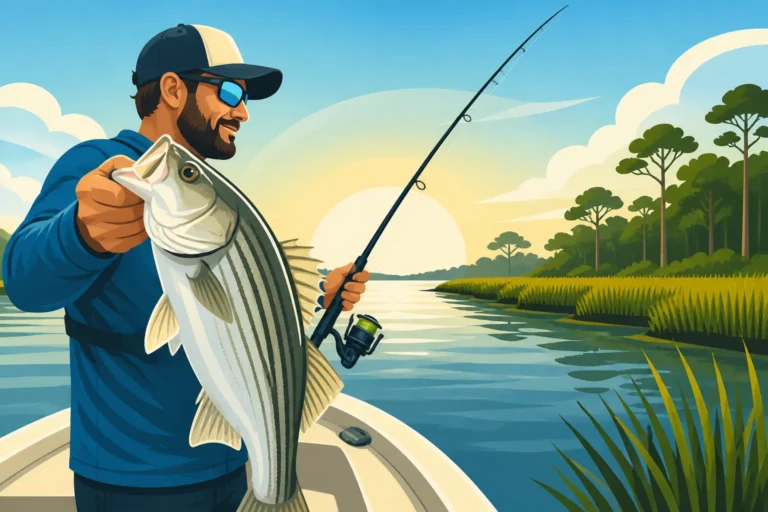
No discussion of Chesapeake Bay fishing would be complete without talking about the iconic Striped Bass, affectionately known as rockfish in Maryland. These powerful, hard-fighting fish are the undisputed stars of the Bay, and the waters around Point Lookout are prime hunting grounds for them, especially during their spring and fall migrations. Anglers come from far and wide specifically to target these beauties.
During the spring trophy season, massive breeding females move into the spawning rivers, often passing through the lower Bay, offering a chance at truly enormous fish. The fall run sees them aggressively feeding before winter, making for some incredibly exciting action. You'll find them holding around structure, channel edges, and bait concentrations. Getting familiar with Maryland Striped Bass Season and Rockfish Rules is essential before you head out, as regulations frequently change to protect this vital species. Their diet mainly consists of baitfish like menhaden, spot, and eels, making these excellent choices for live bait or realistic artificial lures.
Bluefish and Spanish Mackerel – Summer Speedsters
When the water temperatures rise in summer, the Bay transforms, bringing in warmer-water predators that offer a different kind of thrill. Bluefish and Spanish M Mackerel are known for their aggressive strikes, blistering runs, and sharp teeth, making them a blast to catch on light tackle. These pelagic species often chase schools of baitfish, creating frenzies on the surface that are visible from a distance – a sure sign of action!
Bluefish, in particular, are notorious for their voracious appetites and will hit almost any fast-moving lure or bait. Spanish mackerel, while smaller, are even faster, zipping through the water and striking at small, shiny spoons trolled at high speeds. These species add an exciting dynamic to summer fishing around Point Lookout, offering a fast-paced alternative to the more methodical striped bass game. They are often found in the main stem of the Bay, especially where baitfish are abundant.
Flounder and Bottom Dwellers
For those who prefer a more relaxed pace or want to target delicious table fare, the bottom-dwelling species around Point Lookout offer excellent opportunities. Flounder, with their unique flat bodies and camouflage, are a highly prized catch, known for their delicate white meat. They're often found hiding on sandy or muddy bottoms, ambushing unsuspecting baitfish or crustaceans.
Beyond flounder, you'll also find a host of other bottom dwellers, including various species of croaker, spot, sea trout (weakfish), and even black drum in certain areas. These fish are typically caught using bottom rigs with natural baits like squid, peeler crab, or bloodworms. Fishing the deeper channels, oyster reefs, and ledges around Point Lookout can yield a fantastic mixed bag for dinner. Always check the latest Maryland Flounder Size Limit and other species-specific regulations to ensure you're compliant.
Invasive Species – Blue Catfish and Snakehead
While most anglers focus on native game fish, the lower Bay and its tributaries, especially the Potomac, have seen a significant increase in invasive species like Blue Catfish and Northern Snakehead. These fish pose a threat to native populations, and anglers are strongly encouraged to harvest them. What might seem like a nuisance is actually an incredible opportunity for exciting fishing and contributing to conservation efforts.
Blue Catfish in the Potomac River, which empties right into the Bay at Point Lookout, can grow to enormous sizes, offering a truly powerful fight. They are voracious eaters and can be caught on a variety of baits, often cut bait, in deeper channels. Snakeheads, on the other hand, are fierce predators often found in shallow, vegetated areas of the Potomac and its creeks. They offer explosive topwater action and are surprisingly delicious. Remember, Maryland Blue Catfish Possession Rules and Maryland Snakehead Fishing Rules generally encourage harvesting these species and prohibit their release back into the water once caught. Targeting them is not only fun but also a service to the Bay's ecosystem.
Top Fishing Spots and Access Points Near Point Lookout
Knowing what to catch is one thing, but knowing where to cast your line in such a vast area is the real secret. Point Lookout offers a diverse range of environments, from public piers to hidden deep-water structures, each attracting different species and requiring specific approaches. Exploring these varied spots is part of the adventure!
Point Lookout State Park Pier and Shoreline
For anglers who prefer to stay on solid ground, Point Lookout State Park provides fantastic access to the Bay. The long fishing pier here is a popular spot, allowing access to deeper water without needing a boat. From the pier, you can target a wide array of species, including white perch, spot, croaker, bluefish, and even smaller striped bass, especially during peak seasons. Many anglers also find success jigging or bottom fishing from the pier.
The park's extensive shoreline also offers opportunities for surf casting, particularly on the Bay side. While the currents can be strong, casting out into the deeper troughs or near any visible structure can yield results. It's a fantastic, family-friendly option for a day of fishing, and a place where you can relax while still having a good chance at catching fish. Keep in mind that a Maryland fishing license is generally required even when fishing from a pier, although some private piers may have different rules, so always check. If you're wondering, "Fishing Point Lookout State Park" provides more specific details about this great location.
Nearshore Structures and Drop-offs
Just beyond the reach of the pier, the lower Bay around Point Lookout is riddled with submerged structures and dramatic depth changes that act as fish magnets. These include old oyster beds, artificial reefs, sunken debris, and the natural contours of the bottom. Fish, particularly striped bass and flounder, love to ambush baitfish congregating around these structures or along sharp drop-offs where deep water meets shallow.
Using a good fish finder is invaluable here to locate these hidden gems. Popular tactics include jigging with soft plastics or metal jigs, trolling with bucktails or spoons, and live-lining spot or eels. The channel edges leading into and out of the Potomac River are particularly productive, as fish use these highways for migration and feeding. Understanding the topography of the bottom is key to success in these areas, and local charts or a knowledgeable guide can make a huge difference.
Tributary Mouths and Rivers Potomac and Patuxent
The meeting of the Potomac River with the Chesapeake Bay is, without a doubt, one of the most significant fishing features of the Point Lookout area. The confluence creates a rich, turbulent zone where freshwater and saltwater species mix, and baitfish are often disoriented by the currents. This area is phenomenal for targeting striped bass, particularly during migratory periods, as they move between the river and the main Bay. It's also a hotspot for blue catfish, which thrive in the brackish lower Potomac.
Just north of Point Lookout, the Patuxent River also feeds into the Bay, offering similar, though perhaps less intense, opportunities. The mouths of these rivers are natural choke points for bait and game fish alike. Drifting with live bait or trolling along the channel edges in these areas are highly effective strategies. Kayak anglers or those in smaller boats can explore the shallower creeks and coves just inside these river mouths, which can hold white perch, pickerel, and snakeheads, especially in areas with aquatic vegetation.
Offshore Wrecks and Reefs
Venturing a bit further into the main stem of the Chesapeake Bay, particularly south and east of Point Lookout, you'll find numerous natural and artificial reefs, as well as several sunken wrecks. These underwater havens attract a wide variety of fish, offering shelter and feeding grounds that are hard to resist. Depending on the wreck's depth and location, you might find black sea bass, tautog, flounder, or even larger migratory species like striped bass.
These spots typically require a boat with a good GPS and fish finder to locate accurately. Bottom fishing with bait is a common tactic, dropping jigs or cut bait right on top of the structure. For black sea bass and tautog, using crab or clam baits can be particularly effective. Always approach these spots with caution, as other boats may be fishing there, and currents can be strong. These offshore structures provide exciting opportunities for species that prefer deeper, more complex habitats, adding another dimension to fishing near Point Lookout.
Essential Techniques and Gear for Point Lookout Fishing
To truly unlock the potential of fishing the lower Chesapeake Bay near Point Lookout, it's not enough to just know where the fish are; you also need to understand how to catch them. Different species and conditions call for different approaches, and having the right gear and techniques in your arsenal can make all the difference between a slow day and a banner one.
Trolling and Jigging for Striped Bass
When targeting striped bass, especially during the spring and fall migrations, trolling and jigging are two of the most productive techniques. Trolling involves dragging lures or baits behind a moving boat, covering a lot of water and enticing fish that might be scattered. In the waters around Point Lookout, anglers often use umbrella rigs, tandem rigs with bucktails or swim shads, or large spoons. The key is to match the baitfish that are present and vary your trolling speed and depth until you find what the fish are hitting. Using planer boards or downriggers can help present lures at specific depths, which is crucial when fish are holding deep in the channels.
Jigging, on the other hand, is more active and involves dropping a lure, typically a metal jig or a heavy soft plastic, to a specific depth and then working it vertically with sharp rod movements. This technique is deadly when you mark schools of fish on your sonar, especially when they're congregated around structures like channel edges or bridge pilings. The violent strike of a striped bass on a jig is one of the most exhilarating experiences in Bay fishing. For this, a medium-heavy rod with a fast action and a reliable baitcasting or spinning reel spooled with braided line is ideal.
Bottom Fishing for Flounder and Croaker
For flounder, spot, and croaker, bottom fishing is the name of the game. This technique is relatively straightforward and highly effective for these ground-dwelling species. The most common setup is a bottom rig, which typically features one or two hooks suspended above a sinker, allowing your bait to sit right on the bottom. Natural baits are usually preferred, with squid strips, bits of peeler crab, bloodworms, or live minnows being top choices.
When bottom fishing, it's important to find areas with a relatively clean bottom, as snagging on oyster shells or debris can be frustrating. Look for sandy patches near structure or along channel edges. Cast your rig out, let it settle, and then wait for the tell-tale tugs. For flounder, a slow retrieve with a jigging motion can sometimes entice a bite. A medium-light to medium-action spinning rod with sensitive tip is perfect for detecting subtle bites. Learning Bottom Fishing Techniques for Maryland Catfish can also translate well to these species, as the setup is quite similar.
Light Tackle for Perch and Smaller Game
Sometimes the most fun fishing involves light tackle, especially when targeting schooling species like white perch or during the summer when bluefish and Spanish mackerel are abundant. Light tackle makes even smaller fish feel like giants, providing an exciting fight and allowing for greater sensitivity to bites. For white perch, which congregate in huge schools in the tidal creeks and shallower areas of the Bay, small jigs tipped with Gulp! or pieces of bloodworm are irresistible.
Spanish mackerel and smaller bluefish will readily strike small, shiny spoons (like Clark Spoons) trolled at higher speeds or retrieved quickly with light spinning gear. This gear is also excellent for casting small topwater lures for snakeheads in the shallows or tossing spinners for chain pickerel. A light to medium-light spinning rod, paired with a small, smooth reel and 8-10 lb test line, makes for a versatile setup that can handle a surprising variety of fish while maximizing the thrill of the catch.
Kayak and Small Boat Fishing Strategies
For those looking to get closer to the action and explore areas inaccessible to larger vessels, kayak and small boat fishing around Point Lookout can be incredibly rewarding. These smaller crafts offer stealth and maneuverability, allowing you to quietly sneak into shallow coves, marsh edges, and tributary mouths where larger boats can't go. These areas are often prime habitats for snakeheads, largemouth bass, and various panfish.
When kayak fishing the Bay, safety is paramount. The lower Chesapeake Bay can get choppy quickly, so always check the weather forecast and consider paddling with a partner. Essential gear includes a PFD, paddle leash, whistle, and a VHF radio or fully charged cell phone. Techniques often involve casting artificial lures like soft plastics, spinnerbaits, or topwater frogs near structure and vegetation. Drifting with bait in shallower channels can also be effective for flounder and perch. The ability to silently approach fish in their natural environment offers a unique advantage and an intimate fishing experience.
Navigating Regulations and Seasons at Point Lookout
Fishing in Maryland, especially in a dynamic environment like the Chesapeake Bay, requires a keen understanding of the rules. Regulations are put in place to protect fish populations and ensure sustainable fishing for generations to come. Ignoring them can lead to hefty fines, so staying informed is just as important as knowing your fishing spots.
Understanding Maryland's General Fishing Licenses
The first and most crucial step before casting a line near Point Lookout is to ensure you have the correct Maryland fishing license. Maryland distinguishes between nontidal (freshwater) and tidal (saltwater) licenses, and given that Point Lookout is right where a major river meets the Bay, you'll almost certainly need a tidal license. If you plan to fish both environments, a consolidated license is often the most convenient option.
Residents and nonresidents have different costs and options, with choices ranging from annual licenses to shorter 3-day or 7-day permits for visitors. For specific details on costs and requirements, you can refer to resources like Maryland Chesapeake Bay Sport Fishing License Explained or Maryland Fishing License Guide for 2026. Remember, even if you're planning a short trip, a valid license is non-negotiable.
Specific Limits and Seasons for Target Species
Beyond the general license, each species you target will likely have its own set of rules regarding minimum size limits, daily creel (bag) limits, and specific open/closed seasons. These regulations are designed to manage fish stocks and are particularly stringent for popular species like striped bass. For example, striped bass often have "slot limits" or specific seasons for trophy fish versus general recreational harvest.
Bluefish and Spanish mackerel may have different daily limits, and species like flounder will have minimum size requirements. These rules can, and often do, change from year to year, sometimes even mid-season, based on stock assessments and conservation needs. Always consult the Maryland Department of Natural Resources (DNR) website or their current fishing guide before each trip. This is crucial for avoiding violations and contributing to responsible angling.
Invasive Species Rules and Reporting
As mentioned earlier, Maryland has specific and important rules for invasive species like Blue Catfish and Northern Snakehead. Unlike native species, there are generally no size or creel limits for these fish, and anglers are actively encouraged to harvest them. The most critical rule is that it is illegal to transport live snakeheads; if you catch one, you must kill it immediately. For blue catfish, while there's no limit on harvest, anglers should still be mindful of handling and transport.
If you encounter other unusual or potentially invasive species, it's always best to report them to Maryland DNR. Your efforts in harvesting these invasive fish directly help protect the native ecosystems of the Chesapeake Bay and its tributaries. Understanding Maryland Invasive Fish Rules: Blue Catfish and Snakehead is not just about compliance, but about active participation in conservation.
Planning Your Trip to Point Lookout: Beyond the Fishing
A successful fishing trip to Point Lookout involves more than just rods and reels; it's about the whole experience. From comfortable lodging to reliable guidance, and of course, staying safe on the water, thoughtful planning ensures your adventure is as enjoyable and stress-free as possible.
Local Amenities and Accommodations
Point Lookout itself is somewhat secluded, offering a peaceful, natural escape. However, nearby towns provide excellent amenities. You'll find a range of accommodations, from quaint bed and breakfasts to larger hotels and vacation rentals in areas like Solomons Island, Lexington Park, or even Leonardtown, all within a reasonable drive. Many visitors also opt for camping within Point Lookout State Park itself, offering direct access to the fishing pier and shoreline.
For dining, local restaurants often feature fresh seafood, including plenty of delicious Bay crabs and oysters. You'll also find bait and tackle shops conveniently located in these towns, where you can stock up on supplies, get the latest local fishing reports, and pick up a Maryland Fishing License Guide for 2026 if you haven't already. These local businesses are invaluable resources for any angler visiting the area.
Hiring a Charter or Guide for the Best Experience
For many, especially those new to the area or looking to maximize their chances of a big catch, hiring a local fishing charter or guide is an invaluable investment. These experienced captains know the waters around Point Lookout intimately, understanding the seasonal patterns, preferred depths, and the exact structures where fish are holding. They provide all the necessary gear, bait, and most importantly, the expertise to put you on the fish.
Whether you're after trophy striped bass, a mixed bag of bottom fish, or even a targeted hunt for invasive species, a charter can cater to your specific interests. You can find excellent guides operating out of nearby ports like Solomons Island or Chesapeake Beach. Platforms like FishingBooker make it incredibly easy to search for and book local captains, read reviews, and compare prices. A quick search on FishingBooker can show you available trips and captains who specialize in fishing the lower Chesapeake Bay near Point Lookout. This option can be particularly appealing for groups or families, as it streamlines the entire fishing process and dramatically increases your chances of success. For more details on what to expect, check out Maryland Chesapeake Bay Fishing Charters, What to Expect.
Safety Considerations for Bay Fishing
The Chesapeake Bay, while beautiful, can also be unpredictable, and safety should always be your top priority. If you're heading out on your own boat, always check the marine weather forecast before you leave and regularly throughout the day. The Bay can get rough very quickly, especially with strong winds or sudden squalls. Make sure your boat is in good working order, with all required safety equipment on board, including life jackets for everyone, a whistle or horn, flares, a first-aid kit, and proper navigation lights if you'll be out at dawn or dusk.
Let someone know your float plan – where you're going and when you expect to return. Consider carrying a VHF radio in addition to a fully charged cell phone. If you're wading or kayak fishing, be aware of strong currents, especially at the mouths of rivers, and wear a personal flotation device (PFD) at all times. Staying vigilant and prepared ensures that your focus can remain on the joy of fishing, rather than on unexpected hazards.
Comparative Fishing Opportunities Near Point Lookout
| Species Targeted | Best Time of Year | Primary Technique | Typical Bait/Lure | Preferred Habitat | Notes |
|---|---|---|---|---|---|
| Striped Bass | Spring (April-May), Fall (Oct-Nov) | Trolling, Jigging | Live spot, eels, bucktails, swim shads | Channel edges, structure, tributary mouths | Iconic game fish, strictly regulated, powerful fighters. |
| Bluefish | Summer (June-Sept) | Trolling, Casting | Spoons, jigs, cut bait | Open Bay, schools of baitfish | Fast, aggressive, sharp teeth. |
| Spanish Mackerel | Summer (July-Sept) | High-speed Trolling | Small spoons, Got-cha plugs | Open Bay, surface feeders | Very fast, excellent table fare. |
| Flounder | Summer-Fall (May-Oct) | Bottom Fishing, Drifting | Squid, minnows, peeler crab | Sandy/muddy bottoms, near structure | Delicious, often found in deeper channels near Point Lookout. |
| White Perch | Spring-Fall (March-Nov) | Light Tackle, Bottom Fishing | Bloodworms, small jigs, spinnerbaits | Tidal creeks, shallow Bay areas, piers | Abundant, great for families, excellent eating. |
| Blue Catfish | Year-round | Bottom Fishing | Cut bait (chicken liver, bunker) | Deeper channels of Potomac River | Invasive, no limits, can grow very large, good eating. |
| Northern Snakehead | Spring-Fall (April-Oct) | Topwater, Casting | Frogs, chatterbaits, soft plastics | Shallow, vegetated areas of Potomac | Invasive, must be killed, explosive strikes, delicious. |
Disclaimer
The information provided in this guide is for general informational purposes only and is subject to change. Fishing regulations, seasons, and licensing requirements in Maryland are updated frequently by the Department of Natural Resources (DNR). Always consult the official Maryland DNR website or their latest fishing guide before planning your trip to ensure you are compliant with all current laws and regulations. Fishing conditions can vary widely based on weather, tides, and other environmental factors.