Fishing Cunningham Falls State Park Lake
Fishing in Maryland offers a huge variety, from the vast expanse of the Chesapeake Bay to the rushing mountain streams. But sometimes, you're looking for that perfect, serene sweet spot—a place that's not too overwhelming, yet still promises a rewarding day out with plenty of opportunities to wet a line. That's where places like Cunningham Falls State Park Lake shine, offering a truly lovely and accessible fishing experience for anglers of all skill levels. This guide will help you understand everything you need to know to make your trip to this beautiful Western Maryland gem a success.
Understanding Cunningham Falls State Park Lake for Anglers
Cunningham Falls State Park, nestled in the picturesque Catoctin Mountains near Thurmont, is a beloved spot for outdoor enthusiasts, and its crown jewel for anglers is undoubtedly Hunting Creek Lake, often simply referred to as Cunningham Falls Lake. This freshwater impoundment offers a diverse fishery in a tranquil, scenic setting, making it an ideal destination for a relaxing day of fishing.
Lake Characteristics and Primary Fish Species
Hunting Creek Lake is a relatively small body of water, spanning approximately 43 acres. Don't let its size fool you, though; it’s packed with aquatic life and interesting underwater features. The lake's depth varies, with some areas reaching over 20 feet, offering cooler pockets for fish during warmer months, while numerous shallower coves and shoreline areas provide excellent habitat for feeding and spawning. The bottom structure is a mix of rock, gravel, and silt, with plenty of submerged timber, lily pads, and fallen trees along the edges, creating prime ambush points for predatory fish.
When you cast your line into Cunningham Falls Lake, you're likely to encounter a fantastic variety of species:
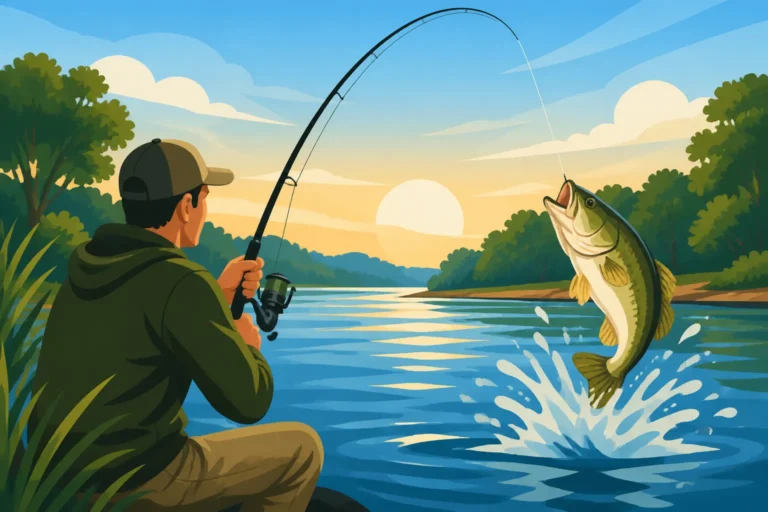
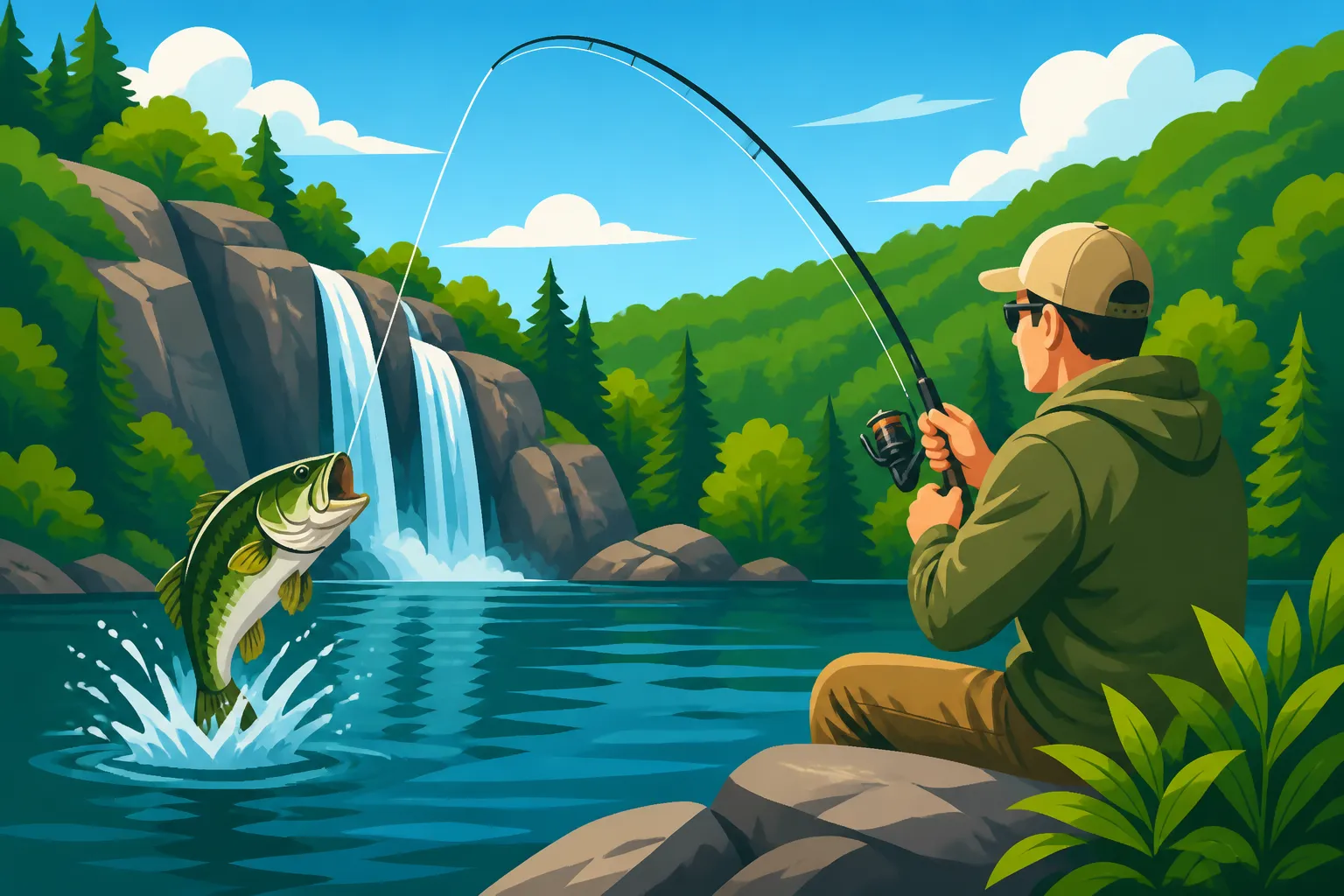
- Largemouth Bass: These are a major draw here. The lake's abundant cover, from lily pads to submerged logs, creates an ideal environment for bass to thrive. Anglers regularly pull out healthy specimens, with the potential for true trophy fish.
- Panfish: The lake is a haven for various panfish, including fat bluegill, colorful pumpkinseed, and schools of crappie. These provide steady action, especially for younger anglers or those looking for a relaxing day of catching. You might also find some yellow perch, offering another tasty option.
- Chain Pickerel: Known for their elongated bodies and sharp teeth, chain pickerel are aggressive predators that inhabit the weedy edges and cover. They put up a spirited fight and add an exciting challenge to your day.
- Trout: Cunningham Falls Lake is part of Maryland's Put-and-Take trout stocking program. This means it receives generous stockings of rainbow trout, brown trout, and sometimes even golden rainbow trout, particularly in the spring and fall. These fresh stockings ensure excellent opportunities for catching trout, often making for a fast-paced fishing experience right after a stock.
- Catfish: While not as prevalent as in larger river systems, brown bullhead catfish are present and can be caught, especially when fishing on the bottom with natural baits.
Rules and Regulations Specific to the Lake
Navigating fishing regulations can sometimes feel like trying to untangle a bird's nest of fishing line, but for Cunningham Falls Lake, it's fairly straightforward. The most crucial thing to remember is that all anglers aged 16 and older need a valid Maryland fishing license. This applies whether you're a resident or non-resident, and regardless of whether you're fishing from the shore, a pier, or a boat. You can find comprehensive details about obtaining your license in our guide, "Maryland Fishing License Guide for 2026", or "How to Buy a Maryland Fishing License".
Beyond the general license, here are some key regulations and considerations specific to Hunting Creek Lake:
- Trout Stamp: If you plan on targeting or possessing trout, you'll need a Maryland Trout Stamp in addition to your fishing license. This stamp supports the stocking programs that make trout fishing possible in lakes like Cunningham Falls. Our article on "Maryland Trout Stamp Requirements" has all the details.
- Boating Restrictions: This is a major one for this particular lake. To preserve the peaceful environment and water quality, only electric motors are permitted on Hunting Creek Lake. Gas motors are strictly prohibited. This means you'll see plenty of canoes, kayaks, stand-up paddleboards, and small Jon boats with trolling motors. If you’re thinking about "Best Kayak Fishing Spots in Maryland", this lake should definitely be on your list!
- Creel and Size Limits: While general statewide regulations for species like largemouth bass, panfish, and pickerel typically apply, always double-check the current Maryland Department of Natural Resources (DNR) Fishing Guide. This guide is updated annually and will have the most current information on catch and size limits for each species. For trout, during the Put-and-Take season, there are specific daily creel limits. You can learn more about general state limits in "Maryland Fishing Size and Catch Limits by Species".
- Park Hours and Access: Cunningham Falls State Park has specific operating hours, especially for its day-use areas. Always check the park's official website for current hours and any potential closures or seasonal restrictions.
- Respecting the Environment: The park aims to keep its natural beauty intact. Always practice "Leave No Trace" principles. Pack out everything you pack in, dispose of trash properly, and avoid disturbing wildlife or other park visitors.
Remember, fishing without a valid license or violating any size/creel limits can result in fines and other penalties. It’s always better to be prepared and informed before you head out.
Essential Techniques and Tackle for Cunningham Falls
To truly enjoy fishing Cunningham Falls State Park Lake, having the right gear and a few tried-and-true techniques in your arsenal will make all the difference. This lake is incredibly versatile, allowing for both simple, relaxing angling and more targeted, technical approaches.
Targeting Largemouth Bass
Largemouth bass are the undisputed kings of Cunningham Falls Lake. Their preference for cover means you'll want to focus your efforts around the various structures available.
- Soft Plastics: A cornerstone of any bass angler's tackle box, soft plastics rigged Texas-style or Carolina-style are incredibly effective. Worms, creature baits, and senkos in natural colors (green pumpkin, black and blue, watermelon) pitched into lily pads, submerged timber, or along drop-offs are often irresistible to bass. Work them slowly, letting them sink into the cover.
- Crankbaits and Spinnerbaits: When bass are more active or during low-light conditions, crankbaits and spinnerbaits can cover water quickly and draw aggressive strikes. Shallow-diving crankbaits that mimic baitfish are excellent for working along the edges of weed beds or rocky points. Spinnerbaits with Colorado or willow blades are great for buzzing through cover without snagging too much.
- Topwater Lures: In the early mornings, late evenings, or on overcast days, nothing beats the excitement of a topwater strike. Frog lures, poppers, and walking baits thrown over lily pads or near fallen trees can elicit explosive bites. This is particularly thrilling when the lake is calm.
- Jigging: When bass are holding deeper, especially near the main channel or structural elements like the fishing pier pilings, jigs tipped with plastic trailers can be highly effective. A slow retrieve with occasional hops along the bottom can entice a strike.
- Key Locations: Focus on the coves with extensive lily pad fields, the areas around submerged timber near the dam, and any visible structure along the shore. The rocky points and sharp drop-offs also tend to hold good bass.
Enjoying Panfish and Pickerel
Panfish offer consistent action, making them perfect for family outings or when you just want to feel a tug on your line. Chain pickerel, on the other hand, provide a toothy thrill.
- Panfish Perfection (Bluegill, Crappie, Yellow Perch):
- Simple Setup: A light action rod, 4-6 lb test line, a small bobber, a split shot, and a small hook (size 8-12) are all you need.
- Bait: Live worms (nightcrawlers, red wigglers), crickets, or small pieces of bread are irresistible. For crappie, small minnows under a bobber can be deadly.
- Lures: Tiny jigs (1/32 to 1/16 oz) tipped with a grub or a small piece of Gulp! bait can also be very effective, especially for crappie, which often hang around submerged brush or the fishing pier.
- Location: Look for panfish in shallower coves, around submerged brush, near docks, and along shaded banks. They often congregate in schools.
- Chain Pickerel Pursuit:
- Lures: Pickerel are aggressive and respond well to flashy lures. Inline spinners, small spoons (like a Dardevle or Johnson Silver Minnow), and shallow-running jerkbaits are excellent choices. Bright colors like red and white, chartreuse, or silver are often productive.
- Live Bait: Live minnows under a bobber or fished on a light wire leader (to prevent bite-offs from their sharp teeth) are also very effective for pickerel.
- Location: Focus on the weedy edges, lily pad fields, and areas with submerged logs. Pickerel love to ambush their prey from cover.
- Leader Note: Because of their sharp teeth, consider using a light fluorocarbon leader (10-15 lb) or even a very light wire leader if you're consistently getting bitten off.
Trout Fishing Strategies Seasonal
Trout fishing at Cunningham Falls Lake is primarily a "put-and-take" fishery, which means success often hinges on knowing when the Maryland DNR has recently stocked.
- Timing is Key: The best time to target trout is typically in the spring (March-May) and fall (October-November) when stockings occur and water temperatures are cooler. Check the Maryland DNR website for official stocking schedules.
- Baits for Stocked Trout: Stocked trout are often accustomed to hatchery pellets, so baits that mimic these or are highly scented work wonders.
- PowerBait: Various colors and forms of PowerBait (e.g., PowerBait dough, Power Eggs) are incredibly effective. Rig them on a small treble hook with a split shot or two, allowing them to float just off the bottom.
- Live Worms: A classic for a reason, a small piece of nightcrawler or a red wiggler fished on a small hook with a split shot is often irresistible.
- Corn: Believe it or not, a few kernels of canned corn on a small hook can be very effective, especially right after a stocking, as it resembles hatchery food.
- Lures for Active Trout: If the trout are active, small spinners (Mepps, Panther Martin, Rooster Tail) in sizes #0 to #2, or tiny spoons, can trigger strikes. Cast them out and retrieve steadily.
- Fly Fishing: While not a traditional fly-fishing destination in the same vein as a flowing trout stream, light fly tackle with small nymphs, wet flies, or even tiny streamers can be productive, especially if trout are feeding on emerging insects. For those interested in exploring more dedicated fly-fishing opportunities, our article, "Fly Fishing in Maryland", provides broader insights into the sport across the state.
- Location: Look for trout around the fishing pier, near the dam, and any deeper pockets along the shoreline, especially shortly after a stocking. They tend to cruise the cooler, deeper waters once they've spread out.
Understanding these techniques and having the right tackle will set you up for a fantastic day of fishing at Cunningham Falls State Park Lake. Remember, fishing is also about patience and observation, so don't be afraid to experiment!
Access, Amenities, and Best Times to Fish
Part of what makes Cunningham Falls State Park Lake so appealing is its accessibility and the convenient amenities available, making it a stress-free destination for anglers.
Public Access Points and Boat Launching
Getting to and on the water at Cunningham Falls Lake is designed to be easy for visitors.
- Shoreline Access: There are numerous spots along the lake's perimeter where you can easily cast a line from shore. The area near the main day-use beach and picnic spots often provides good bank access. The paths around the lake also offer various spots to find a secluded fishing location.
- Fishing Pier: A universally accessible fishing pier extends into the lake, offering a fantastic platform for anglers of all abilities. This pier provides access to deeper water without needing a boat and is a popular spot for both panfish and stocked trout. It's an excellent option for those wondering, "Do You Need a License to Fish From a Maryland Pier?" (Spoiler: usually yes, unless it's a designated fishing-license-exempt pier, which this one is not).
- Boat Launch: For those bringing their own watercraft, there is a paved boat ramp available. As mentioned, only electric motors are allowed, so plan accordingly. This ramp is perfect for launching kayaks, canoes, paddleboards, or small Jon boats. While you won't find large charter operations directly on this lake due to its size and motor restrictions, for planning other trips, sites like FishingBooker can be an invaluable resource for finding guides and charters in other regions of Maryland, like the Chesapeake Bay or Ocean City, should you decide to explore beyond state parks. Many local bait shops around Thurmont or Frederick might also have information on smaller, independent guides for this type of freshwater fishing.
- Parking: Ample parking is available in the day-use areas, typically a short walk from the lake and pier. There might be a park entrance fee during peak seasons or specific days, so it's always wise to check the park's official website before you go.
Seasonal Considerations for Success
The fishing at Cunningham Falls Lake changes with the seasons, offering different experiences throughout the year.
- Spring (March-May): This is arguably one of the best times to fish the lake.
- Trout: The Maryland DNR heavily stocks trout in the spring, leading to fantastic "put-and-take" opportunities. Water temperatures are ideal, and the trout are often very active.
- Bass and Panfish: As water temperatures rise, largemouth bass become more active and begin their pre-spawn and spawning rituals. They'll move into shallower coves and sun-warmed areas, making them easier to target. Panfish also become very active, biting readily.
- Pickerel: Chain pickerel are also very active in the spring, patrolling the newly emerging weed lines.
- Summer (June-August): While still productive, summer fishing requires a bit more strategy.
- Early Morning/Late Evening: The hottest parts of the day can slow fishing down. Focus your efforts during the cooler hours around dawn and dusk.
- Deeper Water/Shade: Bass and larger panfish will often retreat to deeper, cooler water or seek shade under docks, overhanging trees, or submerged cover during the midday heat. Targeting these areas can be effective.
- Swimming Area: Be mindful of the designated swimming area, which will be bustling with visitors during the summer months. Fish away from these crowded spots.
- Fall (September-November): Another prime fishing season.
- Trout: Fall brings another round of trout stockings, offering renewed opportunities for these cold-water species.
- Bass and Panfish: As water temperatures cool, bass and panfish go on a feeding frenzy, stocking up for winter. They can be found actively feeding in shallower areas, especially on sunny days.
- Pickerel: Pickerel remain very active throughout the fall, continuing to provide aggressive strikes.
- Winter (December-February): While less popular, winter fishing can still be rewarding, especially for hardy anglers.
- Ice Fishing: If conditions allow for safe ice, Deep Creek Lake is a popular spot for "Ice Fishing in Maryland", but Cunningham Falls Lake can also freeze over, offering opportunities for ice fishing for panfish, pickerel, and even residual trout. Always prioritize safety and check ice thickness.
- Open Water: If the lake remains open, slower presentations in deeper water for bass, crappie, and pickerel can still yield results.
Planning Your Trip and Local Resources
A little planning goes a long way to ensure a smooth and enjoyable fishing trip to Cunningham Falls State Park Lake.
- Check Park Information: Always visit the official Maryland DNR website for Cunningham Falls State Park. Here you’ll find the most current information on park hours, entrance fees, any alerts or closures, and specific fishing regulations.
- Weather Conditions: Check the weather forecast, especially if you plan to be on the water in a kayak or canoe. Mountain weather can be unpredictable.
- Bait and Tackle: While there might be basic supplies available at the park's visitor center during peak season, it’s best to stock up on bait, lures, and any essential tackle before you arrive. Local bait shops in Thurmont or Frederick, like The Rod Rack in Frederick, can offer excellent local advice and a wider selection.
- Camping: If you want to make it an overnight adventure, Cunningham Falls State Park offers camping facilities. Booking in advance, especially during peak season, is highly recommended.
- Beyond the Lake: The park offers much more than just fishing! Consider taking a hike to Cunningham Falls itself, or exploring other trails. It's a great spot for a multi-activity family day. For those looking to explore a wider array of Maryland's fishing spots, our comprehensive guide on the "Best Places to Fish in Maryland" offers a fantastic starting point.
Maximizing Your Experience at Cunningham Falls
Beyond the basic techniques and regulations, there are a few extra tips and considerations that can elevate your fishing trip to Cunningham Falls State Park Lake from good to truly great.
Essential Gear and Preparation
Packing smart can make your day much more comfortable and productive.
- Appropriate Rod and Reel Setup: For the diverse fishing at Cunningham Falls, a medium-light to medium action spinning rod (6'6" to 7') with 6-10 lb monofilament or braided line is a versatile choice. This setup handles everything from panfish to larger bass and pickerel. If you're specifically targeting trout with lighter lures, a lighter action rod would be ideal.
- Tackle Box Essentials:
- Hooks: Assorted sizes (small for panfish, larger for bass).
- Sinkers/Weights: Split shot, bullet weights for Texas rigs.
- Bobbers: Slip bobbers and clip-on bobbers.
- Swivels and Snaps: For quick lure changes and line twists.
- Pliers/Forceps: Essential for removing hooks, especially from toothy pickerel.
- Line Clippers/Scissors: Always have them handy.
- Landing Net: A small to medium-sized landing net is invaluable for safely landing larger bass or pickerel, especially if you’re planning on catch and release. It also helps prevent fish from flopping off the hook at the last minute.
- Cooler and Ice: If you plan to keep any fish within legal limits for a meal, a cooler with ice is a must. Remember to bleed and properly chill your catch.
- Comfort Items: Don't forget bug spray (especially during warmer months), sunscreen, a hat, polarized sunglasses (to spot fish and reduce glare), and plenty of water and snacks. A comfortable chair if you plan to shore fish for extended periods can also be a game-changer.
- First Aid Kit: Always a good idea to have a basic first aid kit, especially when outdoors.
Conservation and Ethical Angling
As responsible anglers, it's our duty to protect the fishery and the natural environment of Cunningham Falls State Park Lake.
- Catch and Release: While you are permitted to keep fish within the legal limits, consider practicing catch and release for species like largemouth bass, especially larger breeding females. This helps maintain healthy fish populations for future generations of anglers. For stocked trout, the put-and-take nature means they are often intended for harvest, but you can certainly release them if you prefer. Always consult "Is a Maryland Fishing License Required for Catch and Release?" to understand the rules.
- Handling Fish: If you do release fish, handle them gently. Wet your hands before touching them to protect their protective slime coat. Support their body weight, especially larger fish, and release them quickly into the water.
- Barbless Hooks: For trout fishing, particularly if you're practicing catch and release, using barbless hooks (or crimping down the barb on a regular hook) can significantly reduce harm to the fish.
- Respect Other Users: Cunningham Falls State Park is popular for many activities. Be mindful of hikers, swimmers, and picnickers. Give them space and keep noise levels down. If you're using a boat, be aware of swimmers and other paddlecraft.
- No Live Bait Transfer: Never introduce live bait from one body of water to another. This can inadvertently spread invasive species or diseases, which can devastate local fish populations. Maryland has strict rules on "Maryland Invasive Fish Rules: Blue Catfish and Snakehead" for example, and preventing new ones is key.
- Report Violations: If you witness any poaching or environmental violations, report them to the Maryland Natural Resources Police. You can find information on how to do this in our guide, "Reporting a Maryland Fishing Violation".
By embracing these practices, you ensure that Cunningham Falls State Park Lake remains a pristine and productive fishing destination for everyone to enjoy for years to come. Whether you're chasing a trophy bass, filling a stringer with panfish, or just enjoying the tranquility of nature, this beautiful lake offers a fantastic escape into the heart of Maryland's outdoors.
Disclaimer
The information provided in this guide is for general informational purposes only and is subject to change. Fishing regulations, park rules, and fish stocking schedules are updated periodically by the Maryland Department of Natural Resources (DNR) and Cunningham Falls State Park. It is the angler's responsibility to verify all current regulations, license requirements, and park-specific rules before engaging in any fishing activities. Failure to do so may result in fines or penalties. Always prioritize safety, especially when on or near the water.