Fishing the Severn River Near Annapolis
The Severn River, flowing right through the heart of Annapolis, is a beautiful and often frustrating body of water for anglers. Many folks look at its serene surface or bustling shores and wonder where to even begin, feeling overwhelmed by the thought of trying to crack its code. This guide is dedicated to unraveling the mysteries of fishing the Severn River, offering detailed insights into its unique characteristics, prime fishing locations, effective techniques, and crucial regulations, so you can spend less time guessing and more time reeling in your next great catch.
Understanding the Severn River's Unique Waters
The Severn River is more than just a scenic backdrop for Annapolis; it’s a dynamic tributary of the Chesapeake Bay, offering a diverse array of fishing opportunities. Its distinct characteristics, influenced by both freshwater input and tidal forces, create a rich ecosystem that supports various popular fish species. Understanding these nuances is key to a successful day on the water.
Tidal Influences and Water Conditions
Unlike many freshwater rivers, the Severn is deeply influenced by the tides of the Chesapeake Bay. This means that water levels, currents, and even salinity can change significantly throughout the day, impacting fish behavior and where they decide to feed. The ebb and flow of the tide push baitfish around, concentrating them in certain areas and making them more vulnerable to predators. Anglers often find that a moving tide, whether incoming or outgoing, is generally more productive than slack tide, as the current stirs up the bottom and gets fish actively feeding. When planning your trip, it's wise to check the local tide charts for Annapolis or a nearby station, as these movements dictate much of the river's rhythm.
Water clarity is another crucial factor. After heavy rains, the river can become murky with runoff, which might make some species harder to find but can benefit others, like catfish, which thrive in stained water. Conversely, clearer water often makes fish warier, requiring more subtle presentations. The Severn’s depth varies considerably, from shallow marshy areas and creek mouths to deeper channels, some reaching over 30 feet, especially closer to the Bay. These depth changes and bottom contours provide vital structure where fish can hide, ambush prey, or seek refuge from strong currents or extreme temperatures. Learning to interpret these conditions, perhaps with the aid of a local guide found on a platform like FishingBooker, can dramatically improve your fishing success on the Severn.
Key Fish Species to Target in the Severn
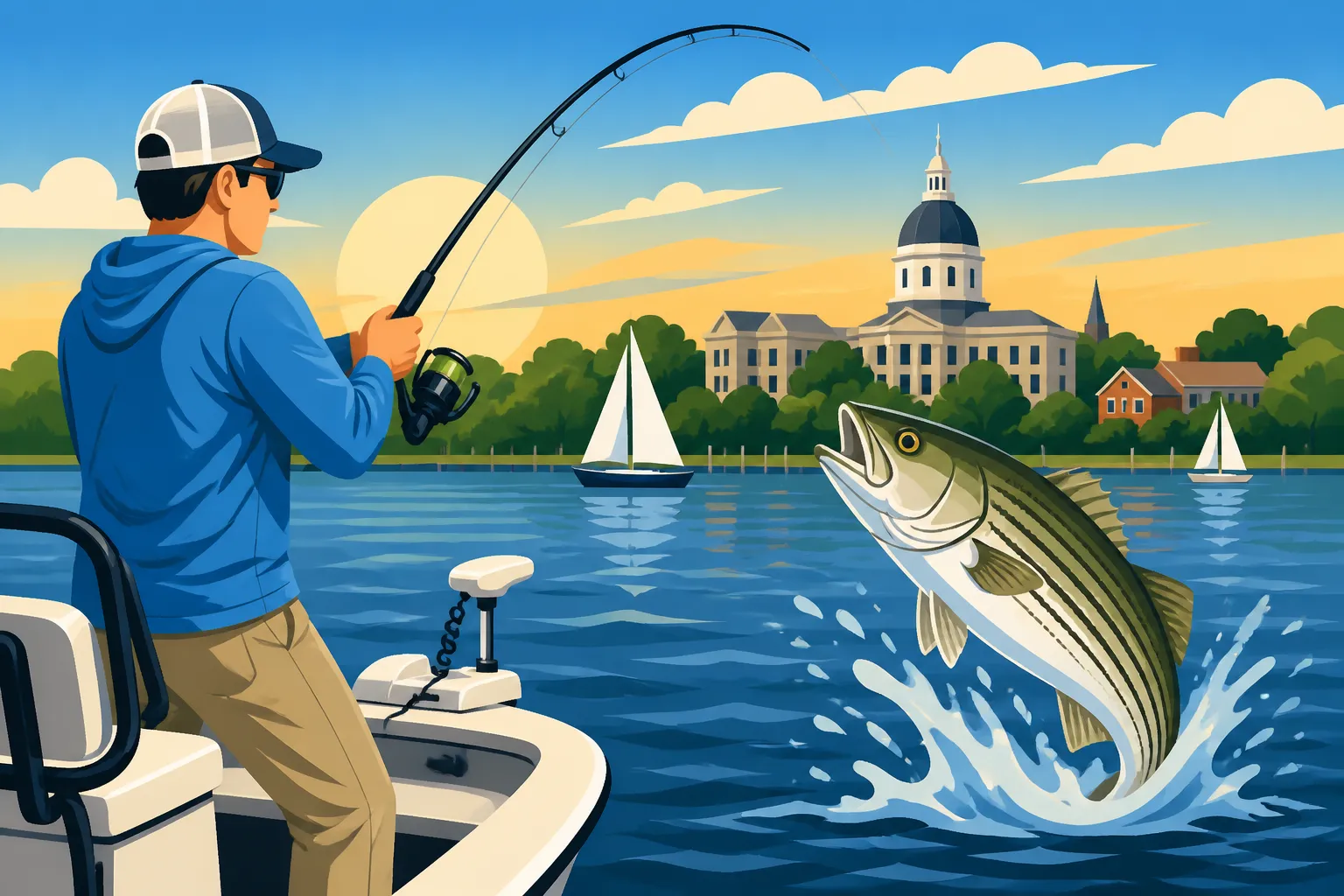
The Severn River is a vibrant ecosystem supporting a wide variety of fish, making it a fantastic spot for diverse angling pursuits. For many, the iconic Striped Bass, affectionately known as rockfish in Maryland, is the star attraction. These hard-fighting fish migrate through the river, particularly during their spawning runs in spring and their feeding frenzies in fall. You'll find them holding around structures like bridge pilings, channel edges, and submerged points, ambushing baitfish. Understanding the specific Maryland Striped Bass Season and Rockfish Rules is essential to ensure you're fishing legally and sustainably.
Beyond the rockfish, the Severn is a fantastic white perch fishery. These feisty panfish are abundant throughout the river, providing consistent action for anglers of all skill levels. They are particularly active during their spring spawning runs up the smaller creeks and tributaries that feed into the Severn, offering incredible opportunities for shore anglers. If you're targeting white perch, be sure to check the Maryland White Perch Daily Limit. Another prevalent species, especially in the muddier, brackish upper reaches of the river, are various catfish species, including channel catfish and the invasive blue catfish. These bottom dwellers offer powerful fights and can be caught year-round. Given their invasive nature, understanding Maryland Blue Catfish Possession Rules is important, as Maryland encourages their harvest to protect native species.
For those who enjoy freshwater action, the Severn also holds good populations of largemouth bass, particularly in the quieter coves and creek arms with plenty of lily pads, submerged timber, and docks. Crappie, yellow perch, and various sunfish species also round out the panfish opportunities, especially during the warmer months. Occasionally, you might even encounter a northern snakehead, another invasive species that requires careful handling. Familiarizing yourself with Maryland Snakehead Fishing Rules is crucial if you happen to hook one of these unique fish. The Severn truly offers something for everyone, whether you're chasing trophy stripers or simply looking for a fun day catching panfish for dinner.
Prime Fishing Spots and Access Points on the Severn
Knowing where to cast your line is half the battle when fishing any new body of water, and the Severn River is no exception. While its shores are dotted with private residences and marinas, there are several fantastic public access points that offer excellent opportunities for both shoreline and boat anglers.
Shoreline and Pier Fishing Opportunities
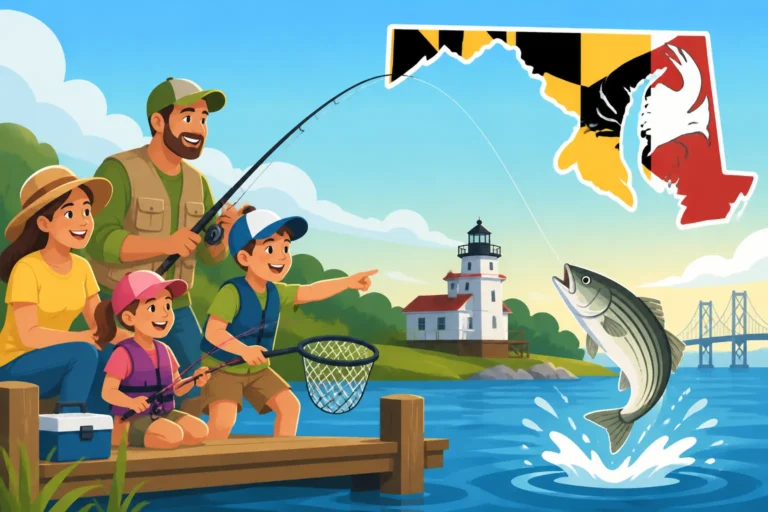
For anglers without a boat, the Severn offers several accessible spots that can yield great results. Perhaps one of the most popular is Sandy Point State Park. Located at the mouth of the Severn where it meets the Chesapeake Bay, this park provides access to jetties, beaches, and a fishing pier. It's a prime location for catching striped bass, white perch, bluefish, and even some flounder, especially during migration seasons. The pier itself extends into deeper water, offering access to fish that might otherwise require a boat. Keep in mind that a Maryland fishing license is generally required even when fishing from a pier, though it's always worth checking the specific rules, as you might ask, "Do You Need a License to Fish From a Maryland Pier?"
Another excellent option is Jonas Green Park, situated right at the base of the US Route 50 bridge. This park features a long, handicap-accessible fishing pier that juts out into the river, offering fantastic views and good fishing for striped bass, white perch, and spot. The bridge pilings themselves are notorious holding spots for rockfish. While you can't fish directly from the bridge, casting from the pier or nearby shoreline gives you access to the same general area. Public parks like Truxtun Park and other smaller, lesser-known community access points within Annapolis also offer shore fishing opportunities, especially in the quieter creek mouths and shallower areas where white perch and bass might lurk. When exploring, always be respectful of private property and local ordinances, and ensure you have your Maryland Fishing License Guide for 2026 handy.
Boating and Kayak Fishing Hotspots
For those with a boat or kayak, the Severn River opens up a whole new world of possibilities, allowing access to deeper channels, submerged structures, and secluded coves that shore anglers can't reach. The US Route 50 bridge area is a well-known hotspot, particularly for striped bass. The pilings and rip-rap create ideal ambush points for rockfish, and many anglers drift or troll around this structure. Caution is advised here due to heavy boat traffic, especially on weekends. Just upstream and downstream from the bridge, you'll find numerous channel edges and humps where striped bass will hold, especially during cooler months.
The numerous creeks and coves feeding into the Severn, such as Back Creek, Weems Creek, and Mill Creek, are excellent areas for targeting white perch, largemouth bass, and even some snakeheads. Kayak anglers, in particular, can silently slip into these shallower, calmer waters, casting artificial lures or soaking live bait around docks, fallen trees, and lily pads. These sheltered areas also provide relief from wind and boat wakes, making for a more pleasant paddling experience. You can find detailed advice on navigating these waters in our guide to Kayak Fishing Techniques for Maryland Waters. Many local marinas offer transient slips, or you can find public boat ramps at places like Sandy Point State Park or Truxtun Park, making it easy to launch your vessel and explore the river. Booking a guide through a service like FishingBooker can also provide invaluable local knowledge for navigating these waters and finding the most productive spots.
Essential Techniques and Baits for Severn River Fishing
Having the right spots is only part of the equation; knowing how to fish them effectively is what truly brings success on the Severn River. Different species require different approaches, and adapting your techniques to the conditions is crucial.
Effective Methods for Different Species
When targeting striped bass in the Severn, a variety of methods can be effective depending on the season and their behavior. During the spring and fall migrations, trolling with tandem rigs or umbrella rigs, often tipped with surgical hoses or sassy shads, is a popular tactic in the deeper channels, especially closer to the Chesapeake Bay. For anglers targeting them around bridge pilings or prominent points, jigging with soft plastics (like Bust 'Em Baits or Z-Man) on lead heads is incredibly effective. Look for fish on your sonar and drop your jig directly to them. Live-lining baitfish, such as spot or eels, can also be deadly when rockfish are actively feeding. For a more detailed breakdown of their habits, check out our guide on Striped Bass: Maryland's State Fish.
White perch, on the other hand, are less particular, making them a great target for beginners and seasoned anglers alike. Simple bottom rigs with small hooks, baited with bloodworms, grass shrimp, or pieces of fish, fished from piers or anchored boats, almost guarantee action. Light tackle and small artificial lures like Kastmasters, tiny spinners, or ultra-light jigs also work wonders, especially during their spring spawning runs in the creeks. Largemouth bass in the Severn's coves respond well to traditional freshwater bass techniques: Texas-rigged worms, spinnerbaits, crankbaits, and topwater frogs fished around cover. If you encounter blue catfish, don't hesitate to use cut bait (like pieces of gizzard shad or perch) fished on the bottom with a stout rod and heavy line, as these powerful fish can grow quite large. When it comes to fishing for invasive species, remember that the Maryland Invasive Fish Rules: Blue Catfish and Snakehead encourage anglers to harvest them, and releasing live snakeheads is actually illegal.
Seasonal Strategies and Best Times to Fish
Fishing the Severn River is a year-round affair, but understanding the seasonal patterns will significantly increase your odds of success. Spring (April-May) is prime time for striped bass and white perch. Rockfish will be moving upriver to spawn, and perch will be making their runs into the shallower creeks. This is an excellent time for both trolling and light-tackle casting. Many anglers consider this the Best Time of Year to Fish in Maryland. As summer sets in (June-August), the water warms, and striped bass can become a bit tougher to catch in the main river due to higher water temperatures and fishing pressure. However, early morning and late evening topwater action for bass in the coves can be fantastic, and white perch remain plentiful. Remember that Maryland's 2026 Striped Bass Season Dates will dictate when you can keep rockfish, as there's often an August closure.
Fall (September-November) brings a renewed burst of activity as the "fall run" of striped bass begins, with fish aggressively feeding before winter. Trolling, jigging, and live-lining are all highly effective as baitfish migrate out of the rivers and into the Bay. This is often when you'll find some of the biggest stripers of the year in the Severn. Catfish, too, are active throughout the warmer months. Winter (December-March) can be challenging but still offers opportunities, primarily for yellow perch, white perch, and catfish in deeper holes. Many anglers pack away their gear, but those who brave the cold can find rewarding catches. The table below offers a quick snapshot of seasonal targets:
| Season | Primary Target Species | Recommended Techniques | Prime Locations |
|---|---|---|---|
| Spring | Striped Bass, White Perch | Trolling, Jigging, Bottom Fishing, Light Tackle | Main Channel, Creek Mouths, Bridge Pilings |
| Summer | White Perch, Largemouth Bass, Catfish | Bottom Fishing, Topwater Lures, Texas-Rigging | Coves, Docks, Deeper Holes |
| Fall | Striped Bass, White Perch, Catfish | Trolling, Jigging, Live-Lining, Bottom Fishing | Main Channel, Structure, Baitfish Schools |
| Winter | Yellow Perch, Catfish | Deep Jigging, Bottom Fishing | Deep Channels, Warm Water Discharges |
Navigating Regulations and Conservation Efforts
Fishing the Severn River, like any waterway in Maryland, comes with a set of rules designed to protect fish populations and ensure healthy ecosystems for future generations. Understanding these regulations is not just about avoiding penalties; it's about being a responsible angler.
Maryland Fishing License Requirements
One of the most fundamental requirements for fishing in the Severn River is holding a valid Maryland fishing license. Since the Severn is considered tidal water, even though it's a river, you'll generally need a Chesapeake Bay Sport Fishing License or a Consolidated Bay and Freshwater License. There are various options depending on your residency and how long you plan to fish. For instance, residents have different costs than non-residents, and there are even short-term licenses available. You can find detailed information on these options in our comprehensive Maryland Chesapeake Bay Sport Fishing License Explained guide.
It's important to remember that these licenses are often required for anyone over the age of 16. There are sometimes specific exemptions, such as on free fishing days or when fishing from a licensed charter boat, where the captain's license covers all passengers. However, it's always best to assume you need your own license. The process of obtaining one is straightforward, and you can usually purchase them online through the Maryland Department of Natural Resources (DNR) website, at tackle shops, or at many local sporting goods stores. Our guide on How to Buy a Maryland Fishing License walks you through the steps. Always keep your license with you when fishing, as DNR enforcement officers regularly patrol the Severn.
Protecting the Severn's Ecosystem
Beyond just licenses, responsible angling in the Severn River means adhering to all catch limits, size restrictions, and seasons for specific species. This is particularly vital for popular species like striped bass, which have fluctuating populations and stringent regulations aimed at their recovery. Maryland's DNR regularly updates these rules, so checking the latest Maryland Fishing Size and Catch Limits by Species before each outing is critical. For example, during certain times of the year, specific areas of the Severn might be designated as "catch and release only" for striped bass.
Conservation also extends to how we interact with the environment. Practicing "leave no trace" principles by packing out all trash, including fishing line, bait containers, and food wrappers, helps keep the Severn beautiful and healthy. Minimizing harm to fish, especially those you plan to release, by using appropriate tackle, avoiding prolonged fights, and handling them gently, contributes to their survival. The Severn Riverkeeper Association and other local groups are actively working to improve the water quality and habitat of the river. Anglers play a vital role in these efforts, both by complying with regulations and by being good stewards of this precious natural resource. By utilizing resources like FishingBooker to connect with knowledgeable local guides, you can learn best practices for sustainable fishing directly from those who know the Severn best.
The Severn River is a treasure for anglers near Annapolis, offering diverse fishing experiences and abundant opportunities for those who understand its unique character. By respecting its waters, knowing the regulations, and applying effective techniques, you can enjoy countless rewarding days on this historic Maryland waterway.
Disclaimer
Please remember that fishing regulations, including license requirements, catch limits, and seasons, are subject to change. Always consult the latest official Maryland Department of Natural Resources (DNR) regulations before you head out on the water. This guide provides general information and should not be considered legal advice.