Fishing Deep Creek Lake’s State Park Shoreline
It can feel like a real bummer when you're itching to cast a line at a fantastic spot like Deep Creek Lake, but you don't have a boat. Many anglers assume that prime fishing is only accessible by watercraft, leaving shore-bound enthusiasts feeling left out. But I'm here to tell you that's simply not true, especially at Deep Creek Lake State Park. This guide will walk you through everything you need to know to have an incredibly successful and enjoyable fishing trip right from the shores of this beautiful park.
Why Deep Creek Lake State Park is a Shore Angler's Dream
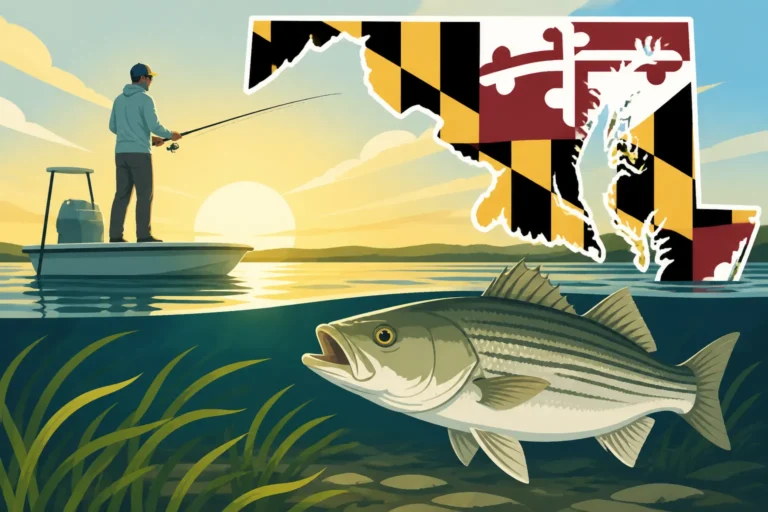
Deep Creek Lake is Maryland's largest freshwater lake, and while many folks gravitate towards boat fishing, the state park offers a surprisingly robust and accessible experience for those who prefer to keep their feet on solid ground. It’s a common misconception that you need a fancy bass boat or a pontoon to get to where the fish are biting, but the truth is, a lot of prime habitat is well within casting distance from the park's diverse shoreline.
Accessibility and Amenities
One of the biggest advantages of fishing Deep Creek Lake State Park is, well, its accessibility! Unlike some remote fishing spots that require serious bushwhacking or tricky parking, the state park is designed with visitors in mind. You'll find ample parking, well-maintained paths, and plenty of amenities like restrooms and picnic areas, making it a comfortable experience even for a full day of fishing. This ease of access means you can spend more time actually fishing and less time worrying about logistics. It's truly a welcoming environment for anglers of all ages and skill levels, which is a huge relief when you just want to relax and enjoy the water.
Variety of Fish Species from Shore
You might be wondering if you'll only catch tiny panfish from the shore, but Deep Creek Lake is home to a fantastic array of species that regularly patrol the shallows and drop-offs near the bank. Anglers frequently pull out feisty smallmouth bass, respectable largemouth bass, plenty of yellow perch, bluegill, and even chain pickerel. While it's true that the deeper waters hold walleye, there are still good opportunities for other sportfish closer to shore. If you're looking for a general overview of the species you might encounter, our guide on Maryland Panfish: Crappie, Perch and Sunfish offers some great insights into the smaller, but no less fun, targets. The diversity means you never quite know what you'll hook, adding an exciting element of surprise to every cast.
Family-Friendly Fishing
Deep Creek Lake State Park really shines as a family fishing destination. The ease of access, combined with the comfortable amenities and variety of fish, makes it perfect for introducing kids to the joys of angling. The park's relatively calm waters and designated swimming areas (away from where you'd typically fish, of course) mean it's a safe and enjoyable place for everyone. Imagine packing a picnic, setting up your rods, and spending a leisurely afternoon teaching your little ones how to cast. It’s those kinds of moments that create lasting memories, and the state park provides the ideal backdrop. Plus, with the variety of fish, even beginners have a good chance of getting a bite, keeping enthusiasm high.
Best Shoreline Spots within Deep Creek Lake State Park
Deep Creek Lake State Park offers a range of shoreline access points, each with its own unique characteristics that might appeal to different fishing styles or target species. It's not just one continuous stretch of land, so knowing where to focus your efforts can really pay off. Before you head out, I always recommend checking the Maryland DNR website for any specific advisories or temporary closures that might affect your chosen spot.
Main Swimming Beach Area and Pier
While the main swimming beach is primarily for, well, swimming, the areas adjacent to it and particularly the pier, if available for fishing, can be absolute hotspots. Piers often extend out over slightly deeper water, giving you access to areas that might be out of reach from a flat bank. The structure of the pier itself also attracts baitfish, which in turn draws in predators like bass and pickerel. Early mornings or late evenings, outside of peak swimming hours, are generally the best times to fish these high-traffic areas. You might be surprised at how many decent fish cruise right under the noses of unsuspecting beachgoers! Just remember to be courteous and give swimmers plenty of space.
Picnic Area and Cove Access
Scattered throughout the park, you'll find various picnic areas that often have direct access to small coves or quieter stretches of shoreline. These areas can be fantastic, especially if you're looking for a bit more solitude than the main beach offers. Coves typically have calmer water and more submerged vegetation, which are ideal habitats for both largemouth and smallmouth bass, as well as panfish. The structure here, like fallen trees or rocky outcrops, can be absolute magnets for fish. Take your time to scout these spots – look for changes in depth, lily pads, or any visible cover where a fish might be hiding. These quieter zones are often overlooked but can yield some of the best fishing experiences.
Trails and Secluded Nooks
For the more adventurous angler who doesn't mind a short walk, the park's network of trails can lead to some truly secluded fishing spots. These hidden gems might require a bit of effort to reach, but the reward is often undisturbed water and less pressure on the fish. You could stumble upon a rocky point extending into deeper water, a quiet eddy where current brings food, or a brushy bank that offers perfect cover for lurking predators. Walking these trails with a lightweight pack and a couple of rods can be incredibly rewarding. Just be mindful of uneven terrain, ticks, and wildlife. This is where you might find a real "honey hole" that most other anglers miss, offering a more peaceful and productive session. For those considering a wider fishing adventure, exploring the entire Fishing Deep Creek Lake, Maryland resource could be a great next step.
Essential Techniques and Tackle for State Park Shore Fishing
Fishing from the shore at Deep Creek Lake State Park doesn't require a mountain of specialized gear. In fact, keeping it simple is often the best approach. You'll want versatile setups that can handle a range of species and conditions, as you never know what might bite next.
Targeting Panfish and Perch
When it comes to panfish like bluegill and yellow perch, light tackle is your best friend. A light action spinning rod (6 to 7 feet) paired with a small spinning reel spooled with 4-6 lb test monofilament or fluorocarbon line is perfect. These fish have smaller mouths, so tiny baits and hooks are key.
- Baits: Live worms (like red wigglers or nightcrawlers cut into pieces) are universally effective. Small pieces of corn, bread, or even artificial baits like Berkley PowerBait grubs or Gulp! maggots can work wonders.
- Rigs: A simple bobber rig is incredibly effective. Attach a small bobber a few feet above a small split shot weight, and then tie on a size 8-12 hook. Cast it out near submerged weeds or structure and watch for the bobber to dip! You can also use a small jig head (1/32 to 1/16 oz) tipped with a grub or a piece of worm, fished slowly along the bottom.
- Technique: Keep it slow. Panfish aren't usually chasing aggressively. Let your bait sit, or retrieve it with very slow, subtle twitches. Pay attention to any slight movement in your line or bobber. For more detailed information on species like yellow perch, check out Maryland Panfish: Crappie, Perch and Sunfish.
Going for Bass and Pickerel
For the larger game fish like largemouth and smallmouth bass, and chain pickerel, you'll want to step up your tackle slightly. A medium action spinning rod (6'6" to 7'6") with 8-12 lb test line (fluorocarbon or braid with a fluorocarbon leader) will give you the power to cast larger lures and handle a stronger fight.
- Baits/Lures:
- Soft Plastics: Wacky-rigged Senkos, Texas-rigged worms, or creature baits are excellent for bass hiding in cover. Cast them near logs, rocks, or weed edges.
- Crankbaits and Spinnerbaits: Shallow-diving crankbaits that mimic baitfish or spinnerbaits with silver or gold blades can be effective for covering water and provoking reactionary strikes, especially in open water near drop-offs.
- Topwater Lures: During low light conditions (dawn/dusk) or overcast days, a topwater popper or frog imitation can be incredibly exciting, especially for snakehead if you happen to venture to other areas, though less common at Deep Creek for that specific species. Bass can't resist a commotion on the surface.
- Live Minnows: If you have access to live bait, a large shiner or minnow fished under a bobber can be irresistible to pickerel and larger bass.
- Technique: Vary your retrieve. Bass and pickerel can be finicky. Try fast retrieves, slow retrieves, twitching, pausing, and jerking. Focus your casts on structure: docks, fallen trees, rocky points, and weed lines are prime ambush points. These areas are where fish will lie in wait for an easy meal. Many anglers find the information in Largemouth Bass Fishing in Maryland helpful for dialing in their approach.
Deep Creek Lake Trout Opportunities
While Deep Creek Lake isn't primarily known as a trout fishery, some trout are stocked, and you might encounter them, especially in the cooler months or near feeder streams. If you're specifically targeting trout, you'll want light to ultra-light tackle, similar to panfish but perhaps with slightly longer rods for better casting distance.
- Baits/Lures:
- PowerBait or Worms: These are classic trout baits. Fish them on the bottom with a small split shot or under a bobber.
- Small Spinners: Lures like Panther Martins or Mepps spinners in sizes 0-2 can be very effective, especially when retrieved steadily.
- Small Spoons: Tiny Kastmaster or Little Cleo spoons can mimic baitfish and attract trout.
- Technique: Look for cooler water, especially near stream inlets or deeper sections accessible from shore. Trout are often more active early in the morning or late in the evening. A slow, steady retrieve for spinners or spoons is usually best. If you're passionate about trout, a deeper dive into Maryland Trout Species Guide could be beneficial for understanding their habits.
Navigating Regulations and Seasons for Shore Anglers
One of the most crucial, yet often overlooked, aspects of fishing is understanding the local regulations. Maryland has specific rules for Deep Creek Lake, and knowing them beforehand will save you from potential fines and ensure you're fishing responsibly. These rules can change, so always check the latest Maryland DNR guide.
Maryland Fishing License Requirements
Let's get this out of the way first: Yes, you absolutely need a fishing license to fish at Deep Creek Lake State Park if you're over the age of 16. It's a non-tidal freshwater license you'll need. There are different options available, from annual licenses to shorter-term permits if you're just visiting for a weekend. It's easy enough to purchase one online through the Maryland Department of Natural Resources (DNR) website, at a licensed tackle shop, or even at some sporting goods stores like DICK'S Sporting Goods. Don't skip this step; fishing without a license can lead to hefty fines, and it's simply not worth the risk. For a full rundown, check out the comprehensive Maryland Fishing License Guide for 2026. If you're bringing the little ones, remember that Do Kids Need a Fishing License in Maryland? generally clarifies that those under 16 are exempt, making family outings even easier!
Catch Limits and Species-Specific Rules
Deep Creek Lake, like all regulated bodies of water in Maryland, has specific size and creel (catch) limits for various species. These regulations are put in place to protect fish populations and ensure sustainable fishing for everyone. For example, there are minimum size limits for bass and specific daily limits on how many fish you can keep of each species.
It's vital to:
- Know Your Fish: Be able to identify the fish you're catching so you know which rules apply.
- Measure Carefully: Always carry a tape measure or have markings on your rod. Measure fish from the tip of the nose to the tip of the tail.
- Count Accurately: Keep track of how many fish you've kept of each species.
- Release Safely: If a fish is undersized or you've reached your limit, release it gently and quickly to ensure its survival.
These rules are subject to change annually, so always consult the most current Maryland DNR fishing guide. You can often find this online or pick up a physical copy at a tackle shop. Our guide on Maryland Fishing Size and Catch Limits by Species provides a general overview that you should cross-reference with the latest DNR specifics.
Best Times to Visit for Shore Fishing
The fishing at Deep Creek Lake State Park can be productive throughout the year, but certain seasons and even times of day will yield better results depending on what you're targeting.
- Spring (April-May): As the water warms, fish become more active and move into shallower areas to spawn. This is an excellent time for bass and panfish.
- Summer (June-August): Early mornings and late evenings are generally best as the midday sun drives fish to deeper, cooler waters or heavy cover. Look for shaded areas along the shoreline.
- Fall (September-October): The "fall bite" can be fantastic as fish feed heavily in preparation for winter. This is a prime time for bass and perch, with less recreational boat traffic.
- Winter (December-March): While ice fishing is popular on Deep Creek Lake, open water shore fishing is less common unless there's a mild spell. If the water isn't frozen, look for deeper channels near shore.
Overall, the overarching guide to the Best Time of Year to Fish in Maryland can help contextualize when various species are most active across the state, including Deep Creek Lake.
| Fish Species | Common Shore Location | Best Bait/Lure | Ideal Time of Day |
|---|---|---|---|
| Yellow Perch | Near submerged vegetation, docks | Worms, small jigs, minnows | Early morning, late afternoon |
| Bluegill/Sunfish | Weedy coves, shallow flats | Worms, crickets, corn | Throughout the day |
| Largemouth Bass | Fallen logs, lily pads, structure | Worms, soft plastics, crankbaits | Dawn, dusk, overcast days |
| Smallmouth Bass | Rocky points, drop-offs, clear water | Small crankbaits, tubes, grubs | Early morning, late afternoon |
| Chain Pickerel | Weed lines, cover, shallow bays | Spinnerbaits, spoons, live minnows | Mid-morning, late afternoon |
Planning your visit during these peak times, or adapting your techniques to the conditions, will greatly increase your chances of a memorable day at Deep Creek Lake State Park. If you're looking to plan a broader trip or find guides for different experiences in Maryland, platforms like FishingBooker can be incredibly helpful for seeing what's available beyond the state park's shoreline. Many anglers use FishingBooker to scout out options for charter boats or guided trips for a future visit, even if they're starting with shore fishing. It's all about making the most of your fishing opportunities in Maryland.
In conclusion, don't let the lack of a boat deter you from experiencing the fantastic fishing Deep Creek Lake has to offer. Deep Creek Lake State Park provides an excellent, accessible, and often overlooked opportunity for shore anglers to connect with nature and reel in some great fish. Whether you're targeting panfish with the family or looking for a feisty bass, the park's diverse shoreline, amenities, and regulations make for a rewarding trip. Remember to follow the rules, respect the environment, and most importantly, have fun out there! And who knows, after a successful day on the shore, you might even get inspired to check out a Hiring a Deep Creek Lake Fishing Guide in Maryland or a trip on a charter via FishingBooker for a different perspective on the lake someday.
Disclaimer
The information provided in this guide is for general informational purposes only and is subject to change. Always consult the official Maryland Department of Natural Resources (DNR) regulations and guidelines before planning any fishing trip to ensure compliance with current laws and to prioritize safety. Fishing conditions and fish populations can vary.