Fishing the Youghiogheny River
For many anglers, the dream of battling a truly wild, hard-fighting trout in a pristine mountain river feels like something you need to travel far out west to experience. But here in Maryland, we're incredibly fortunate to have a gem that offers just that: the Youghiogheny River. If you’ve ever felt the frustration of overcrowded streams or the predictability of a put-and-take pond, the Yough presents a formidable, yet immensely rewarding, challenge. This comprehensive guide will dive deep into everything you need to know to successfully fish this incredible waterway, from its unique characteristics to the best techniques and how to navigate its specific regulations.
Understanding the Youghiogheny's Unique Character
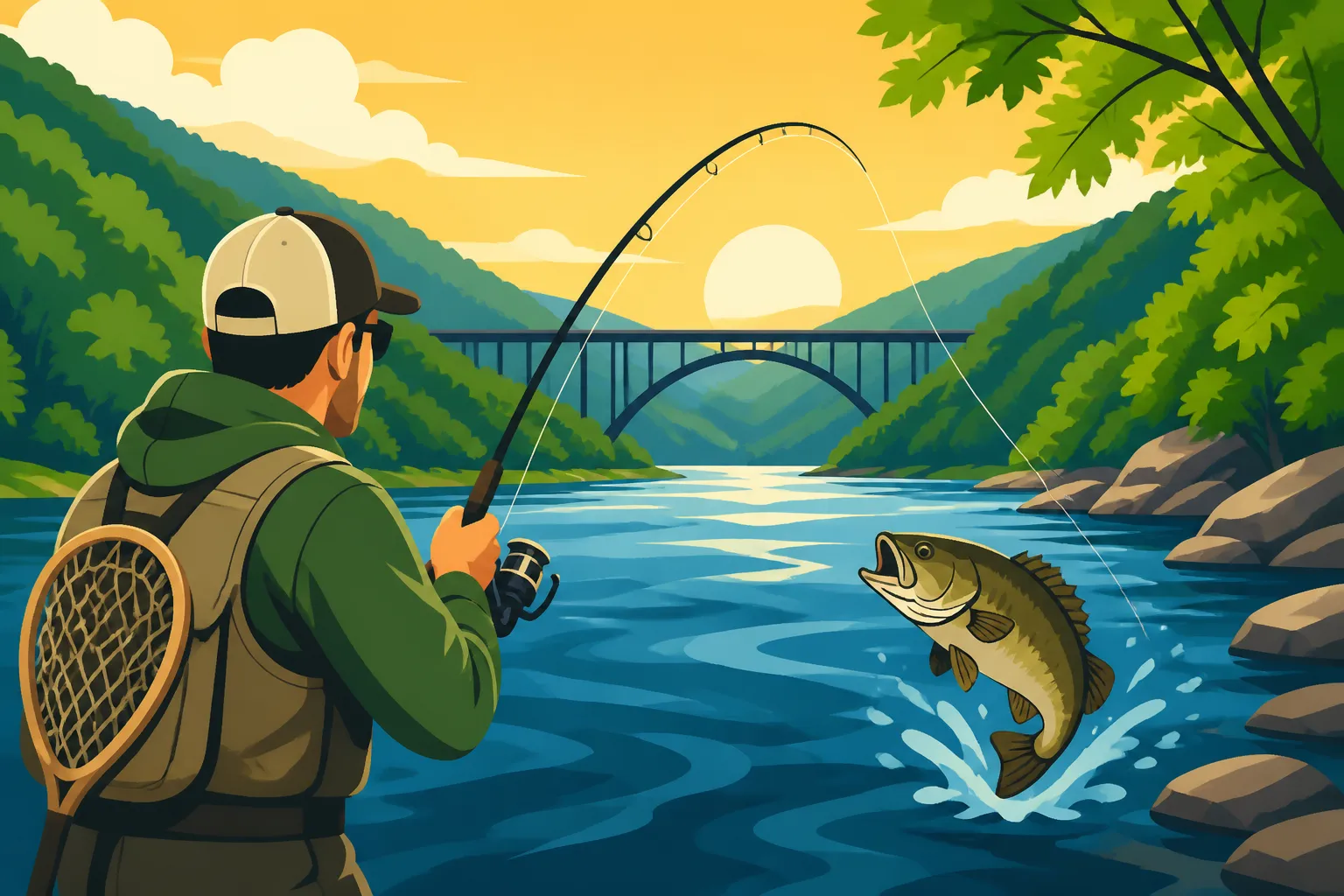
The Youghiogheny River, often affectionately called "The Yough" by locals, isn't just another river; it's a testament to Maryland's diverse natural beauty and an absolute powerhouse for coldwater fishing. Flowing down from its headwaters in West Virginia, it carves its way through the rugged mountains of Western Maryland before continuing into Pennsylvania. This journey gives it a distinct character that sets it apart from many other fisheries in our state. It's a place where you truly earn your catch, and that's precisely why it holds such a special place in the hearts of serious anglers.
Wild Trout Waters Versus Stocked Sections
One of the most defining aspects of the Youghiogheny is its incredible blend of wild trout populations and strategically stocked sections. For many, the allure lies in the designated "Wild Trout Management Areas" and "Catch and Release Artificial Lures Only" (C&R ALO) stretches. These are the river's crown jewels, where you’ll be targeting resilient brown trout that have lived their entire lives in the river’s challenging currents, feeding on natural forage, and growing wary of every shadow. These fish are finicky, hard to fool, and when you hook one, you know you've accomplished something special.
In contrast, other parts of the Yough are regularly stocked by the Maryland Department of Natural Resources (DNR) with rainbow and brown trout, particularly in the spring and fall. These sections offer a different kind of fishing experience, often more accessible for beginners or those looking for a higher probability of catching fish with conventional tackle. While not as wild as their river-born brethren, these stocked fish quickly adapt to the currents and can provide plenty of exciting action. The key to fishing the Yough successfully is understanding which type of water you're in and adjusting your approach accordingly. It's a river that truly demands respect for its wild side and appreciation for its managed areas.
The River's Geology and Flow Dynamics
The Youghiogheny's geology is another critical factor influencing its fishing quality. Its bed is dominated by rocks, boulders, and gravel, creating a complex tapestry of riffles, runs, pools, and rapids. This varied structure provides abundant hiding places and feeding lanes for trout, mimicking the ideal habitats found in classic western rivers. The water itself is typically clear, cold, and highly oxygenated, thanks to its mountain origins and numerous rapids, making it perfect for trout year-round. However, this same geology also means the river can be swift and powerful, especially after heavy rains or significant releases from Deep Creek Lake.
The Deep Creek Lake hydro-electric plant plays a significant role in the Yough’s flow. Releases from the dam can dramatically alter water levels and currents downstream, sometimes within hours. This makes checking current flow rates absolutely essential before planning a trip, especially if you intend to wade. A calm, wadable section in the morning can quickly become a raging torrent by afternoon. Understanding these flow dynamics is not just about catching fish; it's a critical safety consideration for anyone venturing onto the river. The constant movement and aeration contribute to a rich aquatic insect life, which in turn fuels the vibrant trout fishery, providing plentiful forage for the resident fish populations.
Prime Fishing Zones and Access Points
Navigating the Youghiogheny can feel a bit overwhelming at first glance, given its length and diverse characteristics. However, understanding its main sections and where to access them will dramatically improve your chances of a successful outing. Each stretch offers a slightly different experience, catering to various skill levels and preferences, from the seasoned fly angler seeking solitude to the family looking for a picturesque spot to cast a line.
Upper Yough Catch-and-Release Only Waters
For many dedicated trout anglers, the "Upper Yough" is the main draw. This section, particularly from the power plant below Deep Creek Lake downstream to the Sang Run Road bridge, is designated as Catch-and-Release Artificial Lures Only. This specific regulation helps protect and sustain its robust population of wild brown trout. The water here is consistently cold, thanks to the Deep Creek Lake outflows, creating ideal conditions for trout even in the warmer months. Access can be a bit challenging, often requiring some hiking along uneven terrain, but the reward is the chance to fish for truly wild, unpressured fish in a stunning, often secluded environment.
Anglers often access these wilder sections via areas like the Maryland Department of Natural Resources (DNR) property near the power plant or by parking along side roads and walking in. The river here flows through a mix of public and private lands, so it’s always crucial to be mindful of property boundaries. This area is a fly fisherman's paradise, demanding careful presentation and a good understanding of stream entomology. The fish here are incredibly selective, but catching one on a dry fly on a summer evening or coaxing a strike with a perfectly presented nymph is an unparalleled experience. It's a place where patience and skill truly pay off, making it a bucket-list destination for many.
Stocked Sections and Family-Friendly Access
While the Upper Yough draws the purists, other sections of the river offer excellent opportunities for general trout fishing, often with easier access. Downstream from the C&R ALO section, particularly around the town of Friendsville and further south along Route 42, you'll find regularly stocked waters. These areas receive periodic stockings of rainbow and brown trout, especially during the spring and fall "put-and-take" seasons. This makes them fantastic options for anglers using conventional spinning gear, bait, or fly fishing, and they're generally more family-friendly with easier bank access.
Popular access points in these stocked zones include public parks in Friendsville, bridge crossings, and various pull-offs along the scenic roads that parallel the river. These spots often have less challenging wading conditions and more open casting lanes, making them ideal for a relaxed day of fishing. While the fish here might not have the same wild pedigree as those upstream, they provide plenty of action and a chance to bring home a fresh meal. Remember that the regulations, including creel limits and bait restrictions, can differ in these sections compared to the C&R ALO areas, so always double-check the latest Maryland fishing regulations guide. For those looking to experience the beauty of the Yough with a higher chance of success, these stocked sections are a perfect starting point.
Remote and Challenging Stretches
Beyond the well-known access points and designated areas, the Youghiogheny holds more remote and challenging stretches for the adventurous angler. These sections often require more significant effort to reach, sometimes involving longer hikes, paddling a canoe or kayak, or even a drift boat if conditions allow. For example, parts of the river downstream from Friendsville toward the Pennsylvania border can offer secluded fishing, particularly in between major access points. These areas are typically less pressured, providing a sense of wilderness and the chance to encounter larger, more established fish that rarely see a hook.
Fishing in these remote sections demands not only angling skill but also a strong sense of self-reliance and preparedness. You'll need to be comfortable navigating rugged terrain, understanding river currents, and potentially being far from immediate assistance. While the rewards can be immense – truly pristine water and undisturbed fish – the risks are also higher. Always inform someone of your plans, carry appropriate safety gear, and be acutely aware of changing weather and water conditions. For those who relish a true wilderness angling experience and are prepared for the physical demands, these challenging stretches of the Youghiogheny offer an unforgettable adventure, often yielding some of the most memorable catches.
| Youghiogheny River Section | Primary Target Species | Typical Techniques | Regulation Type | Accessibility | Notes |
|---|---|---|---|---|---|
| Upper Yough (Deep Creek outflow to Sang Run Rd) | Wild Brown Trout, Rainbow Trout | Fly fishing (nymphing, dry flies, streamers) | Catch & Release Artificial Lures Only (C&R ALO) | Challenging (hiking, wading) | Prime for experienced fly anglers, technical water. |
| Friendsville Area | Stocked Rainbow Trout, Brown Trout | Spin fishing (spinners, bait), Fly fishing | General creel & size limits, bait allowed | Easy to Moderate (bank access, some wading) | Good for families and general trout fishing, regularly stocked. |
| Mid-Lower Yough (below Friendsville) | Wild Brown Trout, Smallmouth Bass (in warmer pockets) | Fly fishing, Spin fishing | Mix of general and potential special regulations | Moderate to Challenging (remote, requires effort) | Less pressure, potential for larger fish, requires more planning. |
Target Species and Best Techniques for the Yough
The Youghiogheny River is primarily renowned for its trout fishery, but depending on the section and time of year, you might encounter other exciting species. To truly unlock the potential of this river, it's crucial to understand what fish you're likely to target and, more importantly, how to effectively catch them in its unique currents. The river demands both finesse and power, often within the same stretch.
Mastering Trout Fishing on the Yough
When it comes to trout in the Yough, you'll primarily be focused on brown trout and rainbow trout, with the occasional brook trout in smaller, colder tributaries. The wild brown trout in the upper, colder sections are the river’s stars, known for their wariness and powerful fights. To target these magnificent fish, fly fishing is often the most effective and rewarding method. Nymphing, using weighted fly patterns that imitate aquatic insects drifting along the bottom, is consistently productive. Popular patterns include the Pheasant Tail, Hare's Ear, Prince Nymph, and Caddis Larva imitations. Presentation is key; a natural drift without drag is paramount.
When insect hatches occur, dry fly fishing becomes incredibly exciting. Look for rising fish and try to "match the hatch" with patterns that imitate the size, shape, and color of the natural insects on the water. Common hatches include various caddisflies, mayflies (like Blue-Winged Olives and Sulphurs), and stoneflies. In darker, deeper pools or during low light conditions, streamers that mimic baitfish can entice larger, more aggressive trout. For spin anglers, small inline spinners (like Panther Martins or Mepps), tiny spoons, or micro jigs fished with light line can be very effective, especially in the stocked sections. Always approach carefully, keep a low profile, and cast accurately to avoid spooking these wary fish.
Other Game Fish Opportunities
While trout are undoubtedly the main attraction, the Youghiogheny and its tributaries can offer other fishing opportunities, especially in its warmer, lower sections or during the warmer months. Smallmouth bass, known for their feisty nature and acrobatic jumps, can be found in some of the deeper pools and rocky runs, particularly as the river widens and warms downstream from Friendsville. Targeting smallmouth involves different tactics, often using small crankbaits, spinnerbaits, tube jigs, or soft plastic crawfish imitations. They thrive in rocky, current-swept environments, making certain parts of the Yough ideal habitat.
Additionally, various panfish species like bluegill and rock bass might be present in slower-moving eddies or backwaters, offering fun for younger anglers or those seeking a less intense experience. While these aren't the primary targets for most Yough anglers, it's good to be aware of their presence. If you're exploring the broader region, Deep Creek Lake, which feeds the Yough, offers different species entirely, like walleye and northern pike, but those are distinct fisheries. Always consult the Maryland DNR's Maryland Fishing Size and Catch Limits by Species for specific regulations on all species you might encounter. The Yough's charm, however, truly lies in its coldwater inhabitants and the challenge they present.
Understanding the Hatch Chart
Becoming a successful angler on the Youghiogheny, particularly with a fly rod, hinges on understanding the river's insect life and the associated hatch chart. Unlike a pond, a river's ecosystem is incredibly dynamic, and trout's feeding patterns are often dictated by what insects are emerging or drifting in the current. A hatch chart provides a general timeline of when specific aquatic insects – like caddisflies, mayflies, and stoneflies – are most active and likely to emerge from the water as adults. These emergences are when trout are most likely to feed actively on the surface, making dry fly fishing incredibly exciting.
Knowing the typical hatches for the Yough – for example, Blue-Winged Olives in spring and fall, Sulphurs in early summer, and various caddisflies throughout the warmer months – allows you to select the right fly patterns. However, merely knowing the chart isn't enough; you need to observe the water. Look for "shucks" (empty insect casings) floating on the surface, or actual adult insects fluttering around. Watch how fish are feeding: are they sipping gently on the surface (often indicating mayflies) or making splashier rises (suggesting caddisflies)? This careful observation, combined with a knowledge of the hatch chart, enables you to "match the hatch" and significantly increase your chances of fooling a wary trout. Local fly shops or online resources often provide detailed hatch charts specific to Western Maryland rivers like the Yough.
Navigating Regulations and Seasons
Fishing the Youghiogheny River isn't just about knowing where to cast your line; it's also about understanding and adhering to the specific regulations that protect its precious fishery. Maryland has a robust set of rules, and the Yough, with its unique ecological significance, has several special management areas that you absolutely need to be aware of. Ignoring these rules can lead to disappointment or, worse, significant penalties.
Special Trout Management Areas
The Youghiogheny River is home to several critical "Special Trout Management Areas" (STMAs) designed to foster healthy trout populations. The most prominent of these is the Catch and Release Artificial Lures Only (C&R ALO) section, which begins downstream from the Deep Creek Lake Power Plant and extends to the Sang Run Road bridge. In this stretch, as the name implies, you must release all fish immediately and unharmed, and you can only use artificial lures with single, barbless hooks. This means no live bait, no scented baits, and no treble hooks. The intention here is to create a challenging, sustainable fishery for wild trout where catch-and-release is the norm.
Adjacent to or downstream from these C&R ALO sections, you might also find "Delayed Harvest" waters. While the Yough itself is not specifically designated as a Delayed Harvest stream, nearby Maryland Delayed Harvest Trout Waters Explained sections of other rivers operate similarly for part of the year. These areas typically allow catch-and-release only with artificial lures for a period (e.g., fall through spring), then transition to a put-and-take fishery with bait allowed and a creel limit during the warmer months. Always check the current Maryland DNR Fishing and Boating Guide to confirm the precise regulations for the specific section of the Yough you plan to fish, as these rules are subject to change annually and can vary significantly from one bridge crossing to the next.
General Maryland Trout Regulations
Beyond the special management areas, other sections of the Youghiogheny fall under Maryland's general trout regulations. For these waters, which are typically the stocked sections, you'll need a valid Maryland fishing license. If you're specifically targeting trout, you'll also need a Maryland Trout Stamp Requirements, regardless of whether you're a resident or non-resident. This stamp helps fund the state's trout stocking and management programs, ensuring future generations can enjoy this fantastic fishery.
In these general regulation zones, you typically have a daily creel limit (the number of fish you can keep) and potentially a minimum size limit. For example, the Maryland Trout Daily Creel Limit might be five trout per day with no minimum size in some put-and-take areas, while others might have stricter rules. You are generally allowed to use a wider array of baits and lures, including live bait like worms or minnows, and scented artificial baits. It's crucial to understand these distinctions because fishing an artificial-lures-only section with live bait, even accidentally, can result in significant fines and penalties. Familiarize yourself with the statewide Maryland Fishing License Guide for 2026 and carry a copy of the current regulations, either digitally or physically, whenever you're on the water.
| Regulation Type | Applies To | Key Rules | Bait/Lure Restrictions | Keep Limit | License/Stamp Needed |
|---|---|---|---|---|---|
| Catch & Release Artificial Lures Only (C&R ALO) | Upper Yough (Deep Creek outflow to Sang Run Rd) | All fish must be released immediately | Artificial lures only, single barbless hooks | 0 (catch & release) | Standard MD Fishing License + Trout Stamp |
| General Trout Regulations | Stocked sections (e.g., Friendsville area) | Varies by specific water, check DNR guide | Live bait, scented baits, artificial lures | Varies (e.g., 5 trout/day, no size limit) | Standard MD Fishing License + Trout Stamp |
| Potomac River Fisheries Commission (PRFC) | Potomac River and its tributaries (below tide) | Separate license for Potomac mainstem & tidal tributaries | Varies by species, check PRFC rules | Varies by species | MD Fishing License + Trout Stamp for MD sections. PRFC License for Potomac mainstem. |
Where Maryland's Trout Stamp Money Goes
Many anglers understand that they need a Maryland trout stamp to fish for trout, but sometimes it feels like just another fee. It's truly not! That small investment you make when purchasing your trout stamp goes directly back into the very resource you love. The funds generated from trout stamp sales are specifically earmarked for Maryland's coldwater fisheries management. This includes the extensive stocking programs that occur annually, bringing thousands of rainbow, brown, and golden rainbow trout to dozens of waterways across the state, including the Youghiogheny.
Beyond stocking, this money supports vital habitat restoration projects, ensuring that streams have the clean, cold, oxygen-rich water and complex structures that trout need to thrive. It also funds research and monitoring efforts by DNR biologists, who track trout populations, study their health, and adapt management strategies to ensure the long-term sustainability of the fishery. So, when you buy that trout stamp, you're not just buying permission to fish; you're directly investing in the future of trout fishing in Maryland, helping to preserve and enhance the very waters that provide so much enjoyment. It's a small but powerful way to contribute to conservation.
Gear Essentials for a Successful Youghiogheny Trip
Approaching the Youghiogheny River without the right gear can quickly turn an exciting fishing trip into a frustrating ordeal. This river, with its swift currents, rocky bottom, and often finicky fish, demands specific equipment. Whether you're a seasoned fly angler or prefer spin fishing, having the appropriate tools will not only enhance your success but also ensure your safety and comfort on the water.
Fly Fishing Setup
For the dedicated fly angler, a proper setup is paramount for success on the Yough. Most anglers opt for a 9-foot, 4-weight or 5-weight fly rod. A 4-weight offers a bit more finesse for delicate dry fly presentations and protecting light tippets, while a 5-weight provides more versatility for casting heavier nymph rigs or streamers in windy conditions. Pair this with a reliable, smooth-dragging fly reel spooled with weight-forward floating line that matches your rod weight. A tapered leader, typically 7.5 to 9 feet long, ending in a fine tippet (often 4X to 6X fluorocarbon for invisibility and abrasion resistance) is essential for presenting flies naturally.
Your fly box should be well-stocked with a variety of patterns. For nymphing, include Pheasant Tail Nymphs, Hare's Ear Nymphs, Caddis Larvae, Prince Nymphs, and Stonefly Nymphs in various sizes (e.g., #12-20). For dry flies, have a selection of Adams, Elk Hair Caddis, Blue-Winged Olives, and Sulphurs, again in different sizes. Don't forget a few streamers like Woolly Buggers or Clouser Minnows for aggressive fish. Crucially, a good pair of chest waders with sturdy felt-soled or rubber-soled wading boots (with studs or cleats for extra grip on slippery rocks) are non-negotiable for safe wading in the Yough's strong currents and rocky bed. A wading staff is also a highly recommended safety item.
Spin Fishing Setup
If spin fishing is your preference, the Youghiogheny can still offer fantastic action, especially in its stocked sections. A light to ultra-light action spinning rod, typically 5.5 to 7 feet long, paired with a small, smooth spinning reel (size 1000 or 2000) is ideal. Spool your reel with 4 to 6-pound test monofilament or fluorocarbon line; braided line can also be effective but may require a fluorocarbon leader for wary trout. This light tackle allows for delicate presentations and maximizes the fighting fun of even smaller trout.
Your tackle box should focus on small, trout-specific lures. Inline spinners like Panther Martin, Mepps, and Roostertail in sizes #0 to #2 are perennial favorites, in colors such as silver, gold, black, or natural patterns. Small spoons (e.g., Kastmasters, Little Cleos) can also be effective. For bait fishing in legal sections, power bait, salmon eggs, or garden worms are reliable choices. When using bait, simple slip sinker rigs or bobber setups often work well. Always remember to use appropriate weight to get your lure or bait down to where the fish are holding in the current, but not so heavy that it constantly snags the rocky bottom. A small pair of pliers or a hook remover is also essential for safely releasing fish, especially if you plan to practice catch and release.
Safety and Comfort Gear
Regardless of your fishing method, prioritizing safety and comfort on the Youghiogheny is paramount. The river’s currents can be strong and unpredictable, and the rocky bottom is notoriously slippery. A high-quality wading staff is essential for maintaining balance and testing depth as you move through the water. Many anglers also opt for a personal flotation device (PFD), especially when fishing sections with swifter currents or when moving through deeper pools. Even if you're a strong swimmer, a PFD can be a lifesaver if you take an unexpected spill.
Layered clothing is always a smart choice, as mountain weather can change rapidly. Start with moisture-wicking base layers, add insulating mid-layers, and top with a waterproof and windproof outer shell. A hat and polarized sunglasses are not just for comfort; they help you spot fish and navigate underwater obstacles. Always carry a small first-aid kit, a headlamp or flashlight (even for daytime trips, in case you're out longer than expected), and plenty of water and snacks. A full charge on your phone for emergencies is also a must, though cell service can be spotty in some remote areas. Before heading out, consider checking local conditions or even booking a trip with an experienced guide found on platforms like FishingBooker, especially if it's your first time on this challenging river. They can provide invaluable local knowledge and ensure a safer, more productive trip.
Planning Your Trip and Staying Safe
A successful and enjoyable fishing trip to the Youghiogheny River requires more than just knowing where the fish are; it demands careful planning, an understanding of the river’s conditions, and a strong commitment to safety and environmental stewardship. This isn't a river to be taken lightly, but with proper preparation, it offers an incredibly rewarding experience.
Local Resources and Guides
For any angler venturing onto the Youghiogheny, especially for the first time, tapping into local knowledge is an invaluable asset. Local tackle shops in towns like Friendsville or nearby Deep Creek Lake are treasure troves of up-to-date information on current river conditions, recent hatches, and effective fly patterns or lures. They can often provide insights into specific access points, areas that are fishing well, or sections to avoid due to high water. Don't hesitate to stop in, ask questions, and support these local businesses; their expertise is priceless.
Another excellent option, particularly for those new to the Yough or looking to refine their skills, is to hire a local fishing guide. A professional guide, many of whom can be found through platforms like FishingBooker, not only knows the river intimately but can also provide instruction on specific techniques, ensure your safety, and often put you on fish much faster than you could on your own. They typically provide all the necessary gear, eliminating the need for you to invest heavily if you're just exploring the fishery. Look for guides specializing in Guided Fly Fishing Trips on the Gunpowder River or other challenging trout streams, as their experience will translate well to the Yough. A guide can significantly shorten the learning curve and help you make the most of your limited time on the water.
Weather and Water Conditions
The Youghiogheny River, being a mountain river, is highly susceptible to changes in weather and upstream water releases. Therefore, checking both the weather forecast and the river’s flow rates before and even during your trip is absolutely critical. Significant rainfall, either locally or further upstream, can cause the river to rise rapidly and become unfishable or, more importantly, unsafe for wading. Websites like the USGS streamflow data provide real-time gauges for the Youghiogheny, which should be consulted religiously. Pay attention to cubic feet per second (CFS) readings; experienced locals can advise on safe wading levels.
Temperature is another vital factor. While the Deep Creek Lake outflow helps keep the Upper Yough cold, extended periods of warm weather can still elevate water temperatures, particularly in lower sections. High water temperatures stress trout, and during such times, it’s best to avoid fishing or practice extreme caution with catch-and-release to minimize harm to the fish. Always be prepared for sudden changes in weather, carrying rain gear even on sunny days, and dressing in layers appropriate for Western Maryland's often cool mountain climate. Being aware of these dynamic conditions is paramount for both a productive and safe fishing adventure.
Respecting the Environment and Other Anglers
Fishing the Youghiogheny River is a privilege, and with that comes a responsibility to protect its natural beauty and respect fellow anglers. Always adhere to "Leave No Trace" principles: pack out everything you pack in, and perhaps even pick up any trash you find. Avoid trampling riparian vegetation, which helps prevent erosion and provides crucial habitat. If you encounter other anglers, especially in the more popular sections, be courteous. Give them ample space, avoid cutting them off, and keep noise levels down.
When practicing catch-and-release, handle fish as little as possible with wet hands, keep them in the water, and release them gently. This minimizes stress and increases their chances of survival. Always be aware of private property boundaries; not all land along the river is public access. If you’re unsure, err on the side of caution or consult a map. By being a responsible and considerate angler, you help preserve the Youghiogheny's exceptional fishery for everyone, ensuring that this incredible resource remains a pristine haven for wild trout and those who pursue them for generations to come.
Disclaimer
Please remember that fishing regulations, including license requirements, catch limits, and designated fishing areas, can change. Always consult the latest official Maryland Department of Natural Resources (DNR) rules and regulations before planning any fishing trip. The information provided in this guide is for general informational purposes only and should not be considered legal advice or a substitute for official DNR publications. Stay safe, and enjoy your time on the water!