Can You Fish From Shore at Deep Creek Lake?
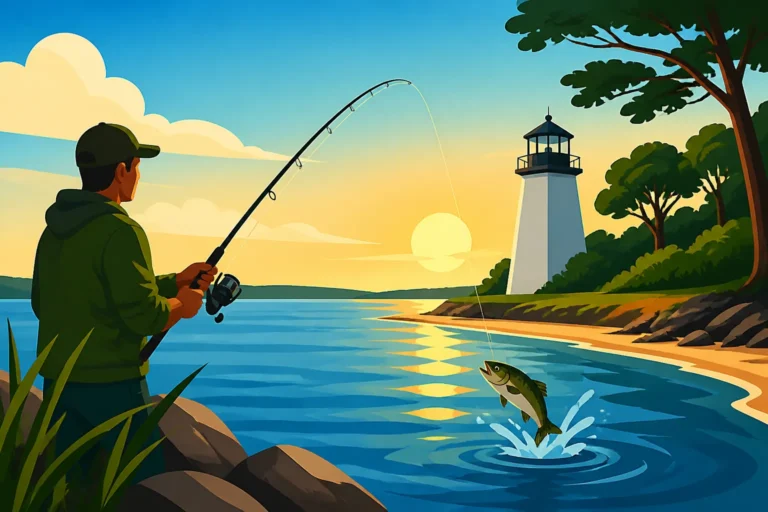
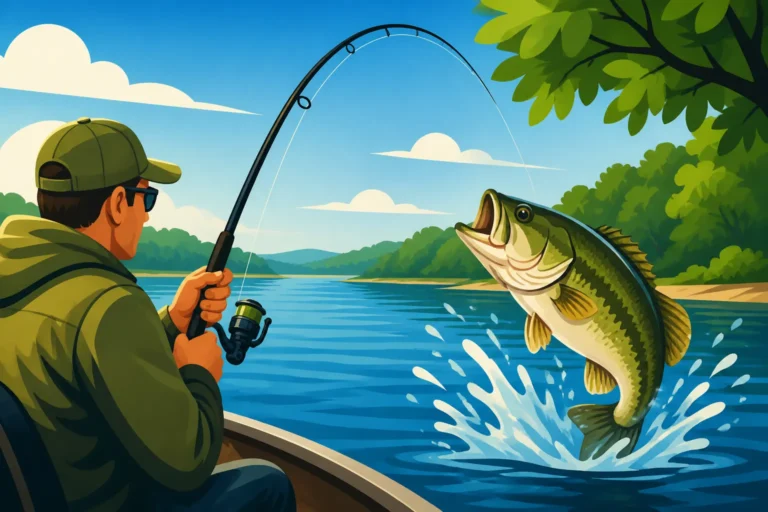
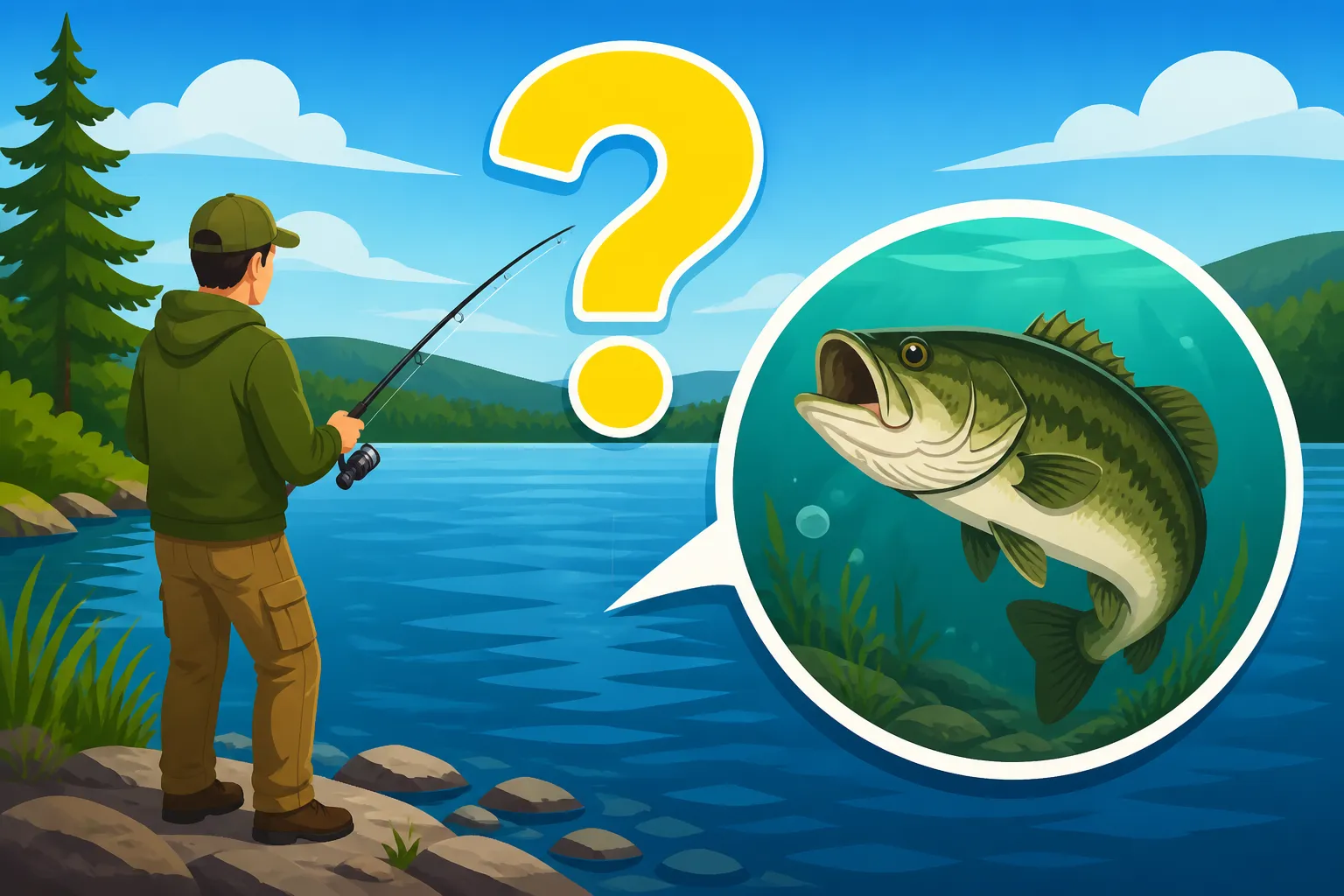
It's a common dilemma for anglers: you're dreaming of fishing the beautiful, sprawling waters of Deep Creek Lake, envisioning those majestic mountains and the thrill of a bite, but you don't have a boat. Maybe you're on vacation, didn't bring your vessel, or simply prefer the simplicity of land-based angling. The good news is, yes, you absolutely can fish from shore at Deep Creek Lake, though it requires knowing where to go and understanding some local nuances. This guide is here to walk you through all the ins and outs of casting a line from the banks of Maryland's largest freshwater lake.
Navigating Deep Creek Lake's Shoreline for Public Fishing Access
Deep Creek Lake, with its extensive and often privately-owned shoreline, can feel a bit daunting for the shore angler. Many of the most popular fishing spots are tied to private docks, vacation rentals, or residential properties. However, there are significant public access points and areas managed by the state that warmly welcome shore anglers. Knowing these key locations is the first step to a successful outing.
Deep Creek Lake State Park: Your Primary Shore Access Point
Without a doubt, Deep Creek Lake State Park is the jewel in the crown for shore fishing opportunities. It's the largest publicly accessible area on the lake, offering a fantastic blend of amenities and angling potential. You'll find designated swimming beaches, picnic areas, and, crucially, ample shoreline access that extends beyond the main beach zones.
When you enter the park, you’ll notice the main beach area, which is great for families, but for serious fishing, you’ll want to explore the edges. There are long stretches of undeveloped shoreline, particularly away from the main swimming areas, where you can cast without interruption. These areas often feature rocky bottoms, submerged timber, and weed lines that hold fish. It’s a great place to set up for a few hours with a cooler and some gear. Just be mindful of other park users, especially during peak summer months. If you’re looking for a quieter experience, try early mornings or late evenings when the crowds thin out, and the fish tend to be more active. You can often find areas with decent depth close to shore, making it possible to target species like yellow perch, sunfish, and even some largemouth bass.
Other Public Access Points and Hidden Gems
While the State Park is your best bet, there are other, smaller public access points around Deep Creek Lake that offer shore fishing opportunities. These might require a bit more exploration but can yield rewarding results and fewer crowds. The Maryland Department of Natural Resources (DNR) maintains several boat ramps and access areas, and while primarily for boat launching, some also offer limited shore access.
One such area is the public boat ramp near the Route 219 bridge. While busy with boat traffic, you can sometimes find small sections of riprap or grassy banks where casting is feasible. These spots are excellent for targeting fish that hang around structure, like channel catfish or even smallmouth bass that might be cruising the deeper sections near the channel. It’s not as expansive as the State Park, but it puts you right on a key thoroughfare for fish movement. Always be aware of safety, especially with boat trailers and vehicles moving in and out. Another option to consider is exploring some of the smaller coves or public land easements that might be marked around the lake. These are less formal and might require a bit of walking, but they can be serene and productive, especially for panfish. When planning your trip, looking at detailed maps or even reaching out to local tackle shops can often reveal these less-known, but equally viable, shore fishing spots.
Prime Locations for Deep Creek Shore Anglers
Once you've identified public access points, the next step is to pinpoint the exact spots within these areas that are most likely to hold fish. Shore fishing, by its nature, means you're limited to a smaller radius, so maximizing your chances requires understanding what makes a particular bank productive.
Fishing Piers and Causeway Access
Deep Creek Lake doesn't have a huge number of dedicated fishing piers like some other bodies of water, but where they exist, they are magnets for fish. Piers extend into deeper water, giving you access to fish that might otherwise be out of casting range from the bank. Fish naturally congregate around pier pilings, which provide cover, shade, and ambush points for predatory species.
The public pier at Deep Creek Lake State Park is an excellent example. It’s long enough to reach deeper water and offers a consistent opportunity to catch a variety of species. You'll often find anglers targeting bluegill, crappie, yellow perch, and even smallmouth bass or walleye from these structures. It’s also a fantastic spot for kids or beginners, as it provides easy access and a higher chance of success. When fishing a pier, try casting around the pilings, both close to the structure and further out. Vary your depth, as fish might be suspended at different levels. Using simple bait like worms or minnows under a bobber is often effective, as is jigging small lures. Don't forget that if you're fishing from any pier in Maryland, you'll still need to ensure you have the proper Maryland Fishing License Guide for 2026 in hand.
Targeting Coves and Drop-Offs from Shore
Many of Deep Creek Lake's fish species relate heavily to structure and changes in depth. When fishing from shore, look for areas where the bank quickly drops off into deeper water, or where there are submerged features like fallen trees, rock piles, or dense weed beds in nearby coves. These are prime fish habitats.
Within Deep Creek Lake State Park, explore the coves and quieter sections away from the main beach. These areas often have less boat traffic and more natural shoreline, making them ideal for casting. Look for points that extend into the lake, as these can act as underwater highways for fish moving between deeper water and shallower feeding grounds. For instance, a smallmouth bass might patrol a rocky point in a cove, while a largemouth might be tucked away in a weed line near a fallen log. Casting parallel to the shore, working your bait or lure along the edge of a weed line or a drop-off, can be incredibly effective. Pay attention to changes in the bottom as you retrieve your lure – a sudden change from soft mud to hard rock could indicate a productive spot. Using a local guide or consulting with a local tackle shop can give you insights into specific coves that are known producers. Some experienced guides available through platforms like FishingBooker might even offer shore-based guiding, focusing on these accessible but productive areas for anglers without boats, helping you read the water more effectively.
Essential Gear and Techniques for Deep Creek Shore Anglers
Shore fishing at Deep Creek Lake doesn't require a massive boatload of gear, but having the right tools and techniques will significantly improve your chances of success. It's about being versatile and prepared for whatever the lake might offer from its edges.
Rods, Reels, and Line Choices
For general shore fishing at Deep Creek, a medium-action spinning rod between 6 to 7.5 feet is a versatile choice. This length allows for decent casting distance from the bank while still being manageable in tighter spots with overhead cover. Pair it with a reliable spinning reel in the 2500-3000 size range, spooled with 8-12 lb monofilament or braided line.
Monofilament is a good all-around choice, offering good knot strength and stretch, which can be forgiving. Braided line, however, offers superior casting distance, sensitivity, and strength for its diameter, making it excellent for detecting subtle bites and cutting through weeds. If you go with braid, consider adding a fluorocarbon leader (6-10 lb test) for abrasion resistance and invisibility, especially in the clear waters of Deep Creek. You'll want to ensure your setup is balanced – a rod that feels comfortable and a reel that retrieves smoothly. Having a second, lighter setup (e.g., ultralight rod with 4-6 lb test) can be invaluable for targeting smaller panfish like bluegill and crappie, which are abundant close to shore and provide consistent action, especially for beginners or kids.
Baits, Lures, and Terminal Tackle
The beauty of Deep Creek Lake is its diverse fishery, and that means a variety of baits and lures can be effective from shore. Natural baits are often a surefire bet, especially for panfish, trout, and catfish.
- Live Bait: Live worms (nightcrawlers, red wigglers), minnows, and crickets are perennial favorites. Rig worms on a simple hook under a bobber for panfish or on a bottom rig for catfish. Minnows under a float can entice crappie, yellow perch, and even a cruising smallmouth bass. When using live bait, make sure your hook size matches the bait and the target species. A size 6 or 8 Aberdeen hook is great for worms, while a larger size 2 or 1/0 circle hook might be better for minnows if you're targeting bigger fish.
- Artificial Lures: For more active fishing, a variety of lures can be deadly.
- Spinners and Spoons: Small inline spinners (like Mepps or Rooster Tails) and casting spoons are excellent for trout, yellow perch, and even small bass. These are easy to cast and retrieve, creating enticing flash and vibration.
- Jigs: Small jigs (1/16 to 1/8 oz) tipped with a soft plastic grub, tube, or minnow imitation can be incredibly versatile. Fish them with a slow retrieve, bouncing them along the bottom, or suspend them under a bobber. These are fantastic for crappie, yellow perch, and smallmouth bass.
- Crankbaits and Jerkbaits: For bass, shallow-diving crankbaits and small jerkbaits can be effective when fished along weed edges or rocky drop-offs. Look for lures that mimic the forage fish in the lake, such as shad or perch.
- Topwater Lures: During low light conditions (dawn/dusk) or overcast days, topwater lures like poppers or walking baits can bring exhilarating strikes from largemouth and smallmouth bass in shallower areas.
Don't forget essential terminal tackle: an assortment of hooks (sizes 4-10), swivels, split shot weights, and bobbers. A pair of pliers for hook removal and line cutters are also must-haves. Packing a small tackle box with a variety of options allows you to adapt to changing conditions and target different species you might encounter from the shore.
Practical Shore Fishing Techniques
Beyond just casting, employing specific techniques can significantly boost your success from the bank.
- Fan Casting: Since you're stationary, fan casting is crucial. Cast to your left, then move your casts slightly to the right with each subsequent throw, covering a wide arc of water in front of you. This ensures you're exploring the most area possible.
- Working Structure: Deep Creek Lake is full of natural and man-made structure. When fishing from shore, actively seek out and cast near fallen trees, rocky outcrops, docks (if permitted), and weed lines. These are fish magnets.
- Vary Your Retrieve: Don't just cast and reel in at a constant speed. Experiment with different retrieve speeds, pauses, and jerks. Sometimes a slow, methodical retrieve is best, other times a fast, erratic one will trigger a strike.
- Observe and Adapt: Pay attention to what the fish are doing. Are there rises on the surface? Are baitfish schooling? Adjust your bait, lure, or technique based on what you observe. If one spot isn't producing, try moving a bit down the shoreline to a different type of cover or depth.
Understanding Regulations and Best Practices for Deep Creek Anglers
Fishing at Deep Creek Lake, even from shore, means playing by the rules. Maryland has specific regulations in place to protect its fisheries and ensure everyone has a fair shot at enjoying the outdoors. Familiarizing yourself with these guidelines is non-negotiable.
Maryland Fishing License Requirements
The most critical piece of equipment you need for shore fishing at Deep Creek Lake isn't a rod or reel, but a valid Maryland fishing license. Whether you're a resident or a non-resident, if you're over the age of 16, you are required to have a license to fish in Maryland's freshwater systems, including Deep Creek Lake.
There are different types of licenses available, from annual passes to shorter-term options like the Maryland 7-Day Fishing License Options, which might be perfect if you're just visiting for a vacation. Kids generally don't need a license to fish in Maryland, making it a fantastic activity for families. You can easily purchase your license online through the Maryland Department of Natural Resources (DNR) website or at many local tackle shops and sporting goods stores. It’s always a good idea to carry a physical or digital copy of your license with you while fishing, as DNR enforcement officers do patrol the lake. Fishing without a license can lead to fines and other penalties, so don't let a simple oversight ruin your day on the water.
Catch Limits and Species-Specific Rules
Deep Creek Lake is home to a wide array of fish, and each species often comes with its own set of rules regarding size limits, creel limits (how many you can keep), and sometimes even specific seasons. Key species you might target from shore include:
- Largemouth and Smallmouth Bass: These are popular sportfish, often with minimum size limits and daily creel limits. Make sure you know the current Maryland Fishing Size and Catch Limits by Species before you head out.
- Yellow Perch and Crappie: These panfish are abundant and excellent eating. They usually have generous creel limits, but it's still good to confirm.
- Walleye: While often sought by boat anglers, walleye can sometimes be caught from shore, especially in deeper areas or during low-light conditions. They have specific size and creel limits.
- Trout: Though Deep Creek Lake isn't a primary trout stream, some are present. If you're specifically targeting trout, be aware of any special regulations or areas. Check the Maryland Trout Species Guide for more details.
Maryland's fishing regulations are updated periodically, so it’s always best to check the latest Maryland DNR Fishing Guide, which is available online or at license vendors. This guide will provide all the detailed information you need on seasons, limits, and any special waterbody-specific rules for Deep Creek Lake. Adhering to these rules helps maintain healthy fish populations for everyone to enjoy for years to come.
| Species Common from Shore | Typical Habitat | Recommended Bait/Lures | General Daily Limit (Check DNR) |
|---|---|---|---|
| Yellow Perch | Rocky points, drop-offs, weed edges | Worms, small jigs, spinners | Often generous |
| Bluegill / Sunfish | Shallows, weed beds, near docks | Worms, crickets, tiny jigs | Often generous |
| Largemouth Bass | Weed beds, fallen trees, brush piles | Worms, plastic frogs, crankbaits | Specific limits apply |
| Smallmouth Bass | Rocky bottoms, deep points, ledges | Jigs, tubes, minnows | Specific limits apply |
| Crappie | Submerged timber, brush, deep holes | Small minnows, crappie jigs | Often generous |
| Channel Catfish | Deeper channels, muddy bottoms | Cut bait, worms, stink bait | No possession limit on invasives |
| Walleye | Deep points, rocky areas, low light | Jigs, deep-diving crankbaits | Specific limits apply |
Safety and Etiquette on the Shoreline
Beyond licenses and limits, being a responsible and safe angler contributes to a positive experience for everyone on Deep Creek Lake. Since you'll be sharing public spaces, good etiquette is essential.
Personal Safety While Shore Fishing
Safety should always be your top priority. While shore fishing might seem less risky than being on a boat, there are still precautions to take.
- Footing: The shoreline at Deep Creek can be rocky, muddy, or uneven. Wear appropriate footwear with good traction to prevent slips and falls. Be especially careful on wet rocks or steep banks.
- Sun Protection: You'll be exposed to the elements. Wear a hat, sunglasses, and use sunscreen, even on overcast days. Dehydration is a real risk, so bring plenty of water.
- Weather Awareness: Deep Creek Lake weather can change rapidly, especially in the mountains. Keep an eye on the forecast and be prepared for sudden rain showers or thunderstorms. If you hear thunder, it's time to pack up.
- Buddy System: Whenever possible, fish with a friend. In case of an emergency, having someone else there can make a huge difference.
- First Aid: Carry a small first aid kit for minor cuts, scrapes, or hook accidents. Getting a hook stuck is a common mishap, and knowing how to handle it can prevent a bad situation from getting worse.
- Wildlife: While unlikely to be dangerous, you might encounter wildlife. Be respectful of their space and never approach or feed wild animals.
Respecting the Environment and Other Users
Deep Creek Lake is a cherished resource for many, from anglers to swimmers, boaters, and hikers. Practicing good etiquette ensures everyone can enjoy its beauty.
- Leave No Trace: Pack out everything you pack in, and then some. This includes discarded fishing line, bait containers, food wrappers, and any other trash. Fishing line, in particular, can be deadly to wildlife.
- Respect Private Property: Even if you're fishing from a public access point, the areas adjacent to it might be private. Be mindful of property lines and avoid trespassing.
- Noise Levels: Keep noise to a minimum, especially in crowded areas or near residential properties. Loud music or shouts can disturb both people and wildlife.
- Casting Space: Give other anglers ample casting room. Don't cast over someone else's line or crowd them. A little courtesy goes a long way.
- Boater Awareness: If fishing near boat ramps or channels, be aware of boat traffic. Boats need plenty of space to launch and retrieve, so give them priority.
- Fish Handling: Practice responsible catch and release if you're not keeping fish. Handle fish gently with wet hands, minimize their time out of water, and release them carefully. If you're keeping fish, dispatch them quickly and humanely.
By following these simple guidelines, you'll not only have a more enjoyable and safe fishing trip but also contribute to the conservation and shared enjoyment of Deep Creek Lake for all. If you're considering expanding your angling horizons beyond shore fishing, perhaps with a future trip involving a boat or a guide, remember that resources like FishingBooker allow you to connect with experienced captains and Deep Creek Lake guides who prioritize safety and responsible fishing practices, regardless of how you plan to fish.
Disclaimer
Please note that fishing regulations, access points, and conditions can change. Always consult the latest Maryland Department of Natural Resources (DNR) publications for the most up-to-date information before planning your fishing trip to Deep Creek Lake. This guide is for informational purposes only and should not replace official regulations.