Fishing the Mouth of the Potomac Near St. Mary’s
Fishing the mouth of the Potomac River near St. Mary's County can feel like stepping into a whole new world, a place where the mighty river meets the expansive Chesapeake Bay. It's an incredible fishery, but for many, the sheer scale and unique conditions can be intimidating, leaving anglers wondering where to even begin to find success. This comprehensive guide will break down everything you need to know, from understanding the local ecosystem to pinpointing prime fishing spots and mastering the techniques required to land some fantastic catches in this legendary area.
The Unique Dynamics of the Potomac River Mouth Fishery
The confluence of the Potomac River and the Chesapeake Bay near St. Mary's, Maryland, creates a truly dynamic and incredibly fertile fishing ground. It's not just another spot on the map; it's an intricate ecosystem where freshwater influences meet tidal saltwater, leading to a rich diversity of fish species and unique angling challenges. Understanding these dynamics is the first step toward a successful trip.
Where Freshwater Meets Saltwater
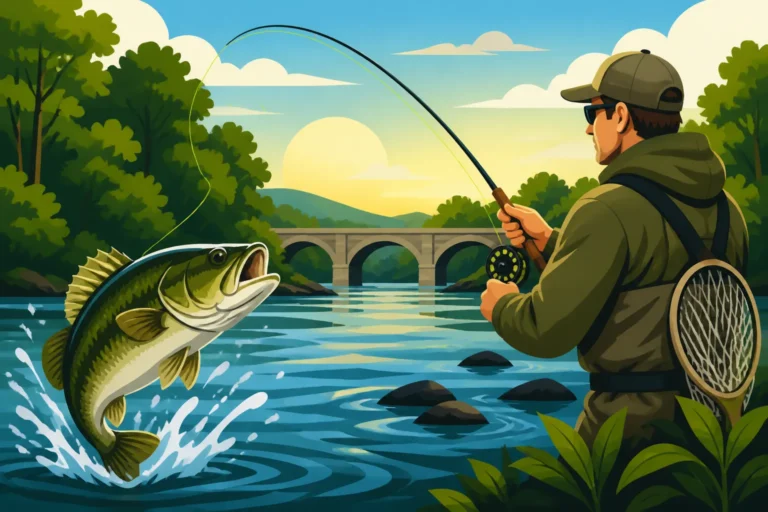
Imagine a massive river, flowing for hundreds of miles, finally emptying its contents into an estuary as vast as the Chesapeake Bay. This is what happens at the mouth of the Potomac. The fresh water from upstream carries nutrients and sediment, creating a slightly brackish environment that gradually becomes saltier as you move further into the Bay. This gradient is crucial because different fish species have varying tolerances for salinity, influencing where you'll find them. For instance, you might catch a freshwater species like a largemouth bass one day in an upstream tributary of the Potomac, and the next day be targeting flounder in the saltier bay waters just a few miles away. This incredible biodiversity is what makes the area so appealing, but it also means you need to be versatile with your approach.
The mixing of these water types also creates interesting thermal layers and current patterns. Colder, denser saltwater often undercuts warmer, lighter freshwater, creating distinct "laminar flow" where fish can sit comfortably in one layer while feeding on baitfish pushed by currents in another. This area is a prime example of why understanding the difference between a Maryland Nontidal vs Tidal Fishing License, Explained is so important, as your license requirements can change based on the specific waters you're fishing.
Tidal Influence and Current Challenges
Unlike many purely freshwater fisheries, the mouth of the Potomac is heavily influenced by the tides of the Chesapeake Bay. This means the water level rises and falls, but more importantly, the currents ebb and flow with considerable strength. A strong incoming or outgoing tide can push massive amounts of water, concentrating baitfish and creating ambush points for predators, but it can also make boat control and presenting your bait extremely challenging.
Many seasoned anglers consider the hour or two leading up to and immediately following a high or low tide to be prime fishing windows, as the currents slow down, making it easier for fish to feed and for you to maintain your presentation. However, don't discount the stronger currents entirely; they often activate certain species, like striped bass, who use the flow to their advantage. You'll quickly learn that observing the current and understanding the local tide charts are just as important as knowing what bait to use. Even for those fishing from shore, checking the tide at places like Point Lookout State Park can dramatically impact your success.
Top Species to Target Near St. Mary's
The diverse environment at the Potomac River's mouth supports an amazing array of fish, offering something for every type of angler. From hard-fighting game fish to delicious table fare, you're bound to find a species that gets your heart pumping.
Striped Bass A.K.A. Rockfish
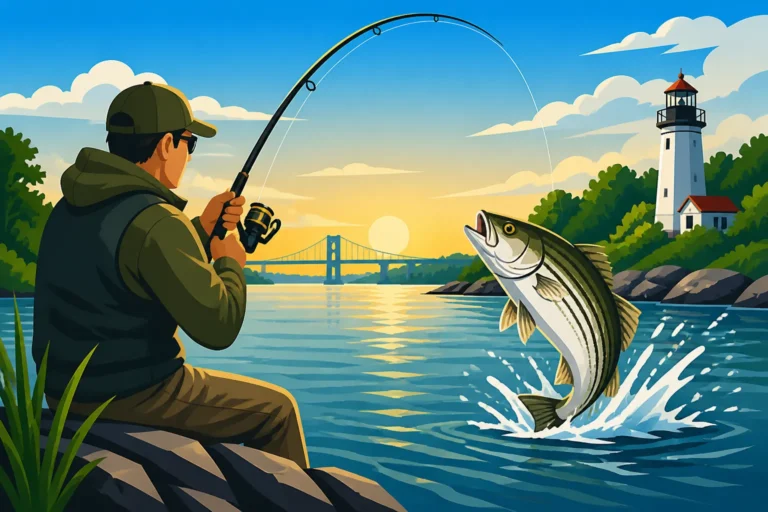
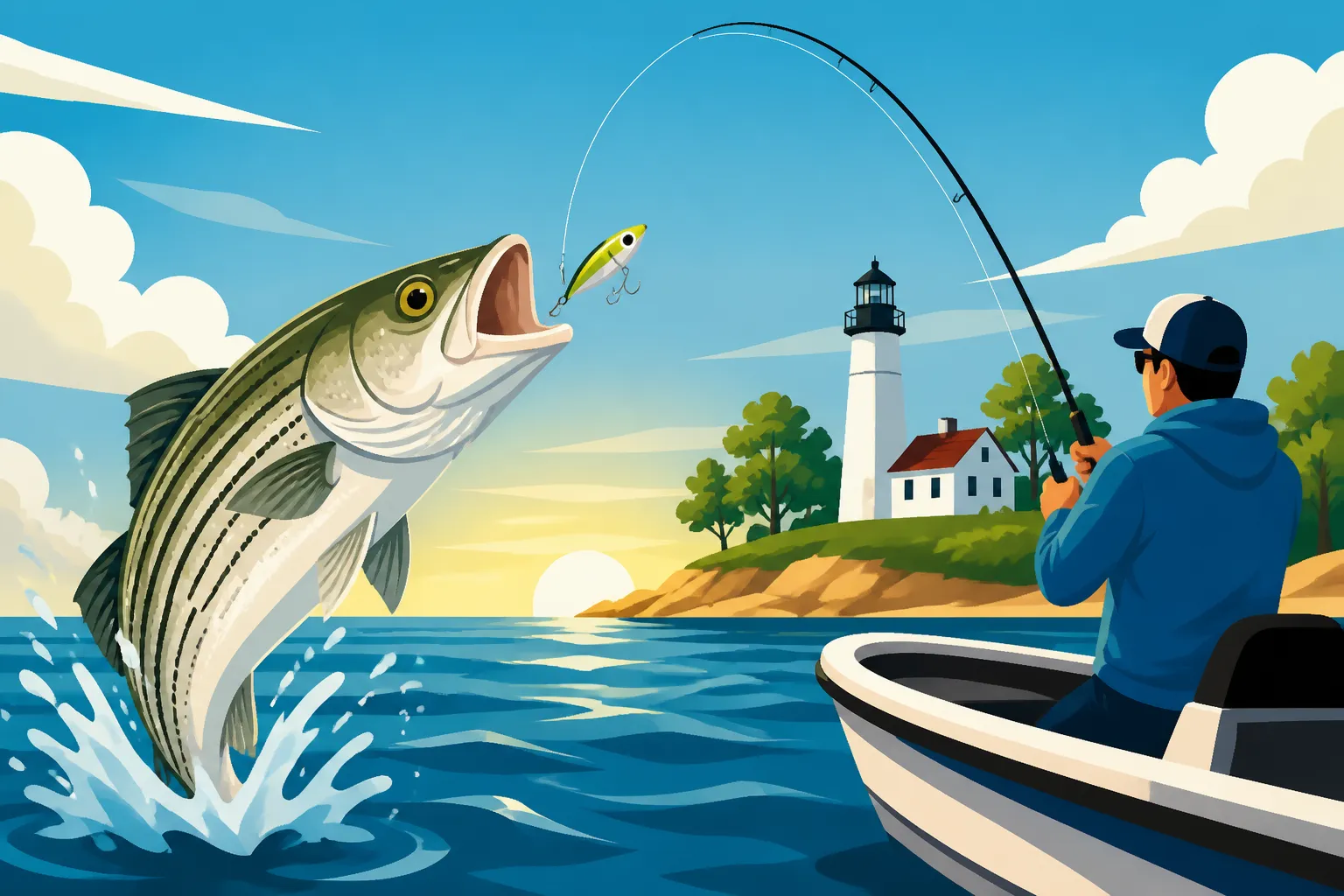
Ah, the striped bass, or "rockfish" as we lovingly call them in Maryland. These are undoubtedly the kings of the Chesapeake Bay and its major tributaries, and the mouth of the Potomac is a prime hunting ground. You'll find them here throughout much of the year, though their behavior and locations change with the seasons.
- Spring: During the spring, especially from April into early June, the area is bustling with striped bass on their annual spawning migration. Large "trophy" fish move up the Potomac to spawn, and the mouth becomes a major staging and feeding area. This is when the Maryland Striped Bass Season and Rockfish Rules often feature specific trophy seasons with strict slot limits. Live-lining (using live baitfish like spot or menhaden) or chumming can be incredibly effective during this time, especially near channel edges and structure.
- Summer: As waters warm, stripers might move into deeper, cooler waters, but the mouth of the Potomac continues to hold resident fish. Look for them around deeper ledges, wrecks, and artificial reefs. Early morning and late evening topwater action can also be explosive, particularly in cooler summer periods.
- Fall: The fall run is legendary, as striped bass gorge themselves in preparation for winter. Schools of baitfish flood the area, and stripers will be in hot pursuit. Trolling, jigging, and casting into "busts" (where fish are actively feeding on the surface) are all popular and productive methods.
Understanding the Maryland Daily Bag Limits by Species is crucial, especially for striped bass, as regulations can change year to year to protect the population.
Blue Catfish
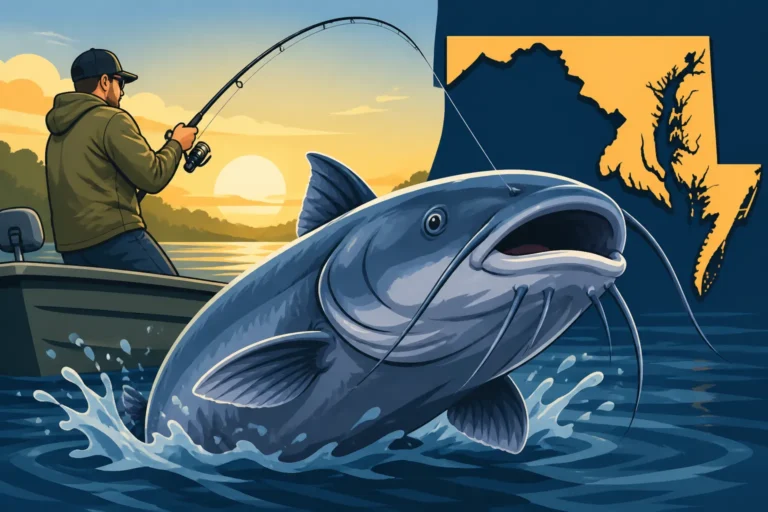
Here's where things get interesting and where you can really make a difference. The blue catfish is an invasive species that has absolutely exploded in the Potomac and much of the Chesapeake Bay. While they offer fantastic sport and are excellent table fare, Maryland actively encourages anglers to harvest them due to their detrimental impact on native species.
- Year-Round Abundance: Blue cats are present in astounding numbers year-round. They thrive in the brackish waters of the lower Potomac and can grow to truly enormous sizes, with fish exceeding 50 pounds being caught regularly. The mouth of the river offers plenty of deep holes and channel edges where these bottom dwellers congregate.
- Voracious Eaters: Blue catfish are not picky eaters. Cut bait (especially oily fish like menhaden or gizzard shad), chicken livers, and even hot dogs can all entice a bite. They put up a formidable fight, making them a popular target for anglers looking for consistent action and a full cooler.
- Conservation Angle: Remember, there are virtually no limits on blue catfish. The Maryland Blue Catfish Possession Rules encourage you to keep as many as you want. Many anglers view fishing for blue catfish as a fun way to contribute to the health of the Bay ecosystem by removing this prolific invader.
White Perch and Yellow Perch
These panfish are incredibly popular targets, especially for families and those looking for consistent action and tasty fillets. They are abundant throughout the Potomac mouth and its many creeks and tributaries.
- White Perch: Found in huge numbers, white perch are a staple of the Bay. They often school up around oyster reefs, submerged structure, and channel edges. They'll readily take small bits of bloodworm, grass shrimp, or tiny jigs tipped with soft plastics. Spring and fall are particularly good times for them, but they can be caught year-round.
- Yellow Perch: While more associated with fresher waters further upstream or in specific Bay tributaries, yellow perch can also be found in the less brackish areas of the lower Potomac, especially in the spring during their spawning runs. They prefer similar baits to white perch but might be a bit pickier.
Flounder
The flatfish of the Bay, flounder are a highly sought-after species for their delicious meat and the challenge they present. While they prefer saltier waters, they do move into the lower reaches of the Potomac, especially into the Bay-side creeks and shallow areas, during warmer months.
- Seasonal Target: Flounder fishing is best from late spring through early fall. They'll hug the bottom, often near channel edges, oyster beds, and drop-offs.
- Presentation is Key: Flounder are ambush predators, so drifting with a live minnow, strips of cut bait (like squid or spot), or a Gulp! artificial bait is often the most effective method. The Maryland Flounder Size Limit is something to pay close attention to, as it can vary.
Here's a quick reference table for popular species near St. Mary's:
| Species | Best Season | Common Baits/Lures | Notes |
|---|---|---|---|
| Striped Bass | Spring, Fall (Summer mornings/evenings) | Live Spot, Menhaden, Bloodworms, Eels, Bucktails, Soft Plastics, Topwater | Highly regulated; check current limits. Trophy season in spring. |
| Blue Catfish | Year-Round | Cut Bait (Menhaden, Shad), Chicken Livers, Gizzard Shad, Prepared Baits | Invasive species; no possession limits. Grow very large. |
| White Perch | Spring, Summer, Fall | Bloodworms, Grass Shrimp, Small Jigs, Spinnerbaits, Beetle Spins | Excellent table fare, often found in schools around structure. |
| Yellow Perch | Spring, Fall | Bloodworms, Small Minnows, Tiny Jigs, Spinnerbaits | More prevalent in less brackish water, spring spawning runs. |
| Flounder | Late Spring, Summer, Early Fall | Live Minnows, Squid Strips, Gulp! Artificials, Cut Bait | Bottom dwellers, often found near channels and structure. Check size limits. |
Prime Fishing Locations Near St. Mary's
Knowing what to catch is one thing, but knowing where to wet your line is another entirely. The St. Mary's area offers a mix of shoreline access and fantastic boating opportunities, each with its own benefits and target species.
Point Lookout State Park
This historic state park, located right at the tip of the peninsula where the Potomac meets the Bay, is a gem for anglers. It offers both land-based and boat-based opportunities, making it a fantastic all-around spot. In fact, Fishing Point Lookout State Park is a popular topic for a reason!
- The Pier: Point Lookout boasts a fantastic fishing pier that extends into the Chesapeake Bay. This pier is an excellent spot for catching a variety of species, including white perch, croaker, spot, bluefish, and even some smaller striped bass. It’s particularly popular for crabbing too, offering a combined experience. The convenience of a pier means you don't need a boat, making it accessible for families and casual anglers. Early mornings and evenings are often the most productive. Remember, while fishing from a licensed pier sometimes offers exemptions, it's always wise to ensure you meet the Maryland Fishing License Age Requirements and have the proper Maryland Chesapeake Bay Sport Fishing License Explained if you plan to venture off or fish from other shore points.
- Shoreline and Jetties: Beyond the main pier, the park offers extensive shoreline access and some rocky jetties. These spots can be great for casting out for striped bass, especially during migration periods. The varied depths and currents around the points of land create excellent ambush points for predators. Surf fishing with cut bait or heavy lures can be productive here, particularly during cooler weather.
- Boating Access: For those with boats, Point Lookout State Park also has ramps, providing direct access to the mouth of the Potomac and the lower Chesapeake Bay. This opens up vast areas for trolling, jigging, and bottom fishing. The deep channels, oyster reefs, and scattered wrecks in the vicinity are prime habitat for striped bass, bluefish, and even some flounder.
St. Mary's River and Its Tributaries
The St. Mary's River itself, a tributary flowing into the larger Potomac, offers a slightly different, often calmer, fishing experience. It's a tidal river, but its protected nature makes it a great spot when the main Bay or Potomac is too rough.
- Nursery Waters: The St. Mary's River serves as an important nursery area for many species, particularly juvenile striped bass and white perch. In spring, the upper reaches are popular for white perch spawning runs, offering fast action with light tackle.
- Structure Fishing: Look for docks, pilings, submerged trees, and deeper channels. These structures provide cover and feeding opportunities for white perch, yellow perch, and even some largemouth bass further upstream where the water is less salty. Blue catfish are also increasingly common here and can be caught on cut bait near deeper bends and holes.
- Kayaking and Small Boats: The calmer waters of the St. Mary's River are perfect for kayak fishing or small jon boats. This allows anglers to silently access shallow coves and marshy areas that are inaccessible to larger vessels, often yielding great results for a variety of species.
Cornfield Harbor and Surrounding Bay Waters
Just north of Point Lookout, Cornfield Harbor offers another excellent area, particularly for boat anglers, but also some limited shore access.
- Sheltered Waters: Cornfield Harbor itself provides a degree of shelter from the open Bay, making it a good staging area. The entrance and the deeper water around the harbor are known for holding striped bass, especially during low light conditions or when baitfish are concentrated.
- Bay Fishing Opportunities: Extending out from Cornfield Harbor, the open Bay waters are where you'll find the larger schools of migratory striped bass and bluefish. Trolling spoons, surgical hoses, or deep-diving crankbaits can be very effective here. This is also a good area for bottom fishing for croaker, spot, and flounder in the warmer months.
- Offshore of the Mouth: For those venturing further out, the depths and contours where the Potomac truly merges with the Bay are key. Look for abrupt depth changes, underwater humps, and any indication of baitfish on your sonar. This is where those larger, migratory fish often feed on the abundant forage moving in and out of the river.
When considering a trip, especially if you're traveling from out of town, sites like FishingBooker can be incredibly helpful for finding local charter captains or guides who specialize in the St. Mary's area. They can provide invaluable local knowledge and put you right on the fish, ensuring a productive and enjoyable outing, particularly if you're new to the area or targeting a specific species.
Essential Techniques and Gear for Success
Fishing the mouth of the Potomac requires a versatile approach and the right gear. The varied conditions and target species mean you'll want to be prepared for a range of scenarios.
Mastering Bottom Fishing
Bottom fishing is a go-to technique in the St. Mary's area, especially for blue catfish, white perch, spot, and croaker. Given the strong currents, understanding how to rig and anchor effectively is paramount.
- Anchor Management: A good anchor setup is non-negotiable for boat anglers. A properly sized anchor (often a Danforth or box anchor for varied bottoms) with ample chain and rode will keep you steady, even in strong tides. Positioning your boat upstream of a target area, then letting out enough line to settle over the spot, is key. If the current is ripping, a second anchor from the stern can prevent your boat from swinging too much, keeping your lines tight and bait directly beneath you.
- Rigs for Current: For bottom fishing, a simple two-hook dropper rig (also known as a top-and-bottom rig) with a bank sinker at the bottom is highly effective. The weight keeps your bait on the bottom, while the snelled hooks allow your bait to flutter naturally in the current. Use a sinker heavy enough to hold bottom but light enough that you can still feel bites. Depending on the current, this might mean anything from 1 ounce to 6 ounces or more. For blue catfish, a "fish finder rig" with a sliding sinker above a swivel and a leader to a circle hook is also excellent, allowing the fish to take the bait without feeling immediate resistance.
- Bait Selection:
- Blue Catfish: Fresh cut bait is king. Menhaden (bunker), gizzard shad, or even bluegill cut into strips or chunks are irresistible. Chicken livers are another consistent producer.
- White Perch, Spot, Croaker: Small pieces of bloodworm, grass shrimp, or even FishBites artificial bait are highly effective. A small piece of Gulp! Earthworm or shrimp on a tiny jig head can also work wonders.
Jigging and Casting for Striped Bass
When striped bass are actively feeding, especially during the spring and fall runs, jigging and casting artificial lures can be incredibly productive and a lot of fun.
- Jigging: This technique involves dropping a weighted jig (often a bucktail or a lead head with a soft plastic body) to the bottom or a specific depth and then working it with sharp upward snaps of the rod. This mimics a wounded baitfish. Look for striped bass on your fish finder and target them directly. Common jig weights range from 1/2 ounce to 3 ounces, depending on depth and current. Productive colors often include white, chartreuse, and pink. For a detailed dive, check out Jigging Techniques for Maryland's Chesapeake Bay Striped Bass.
- Casting Soft Plastics: When stripers are shallower or busting on the surface, casting soft plastic paddle tails or swimbaits on a jig head is a fantastic method. Cast beyond the school and retrieve through it. Vary your retrieve speed until you find what triggers a strike. Matching the hatch (using a lure that resembles the local baitfish) is key here.
- Topwater Action: There's nothing quite like a striped bass exploding on a topwater plug. This typically happens during low light conditions (dawn and dusk) or on overcast days, especially in summer. Walk-the-dog style lures, poppers, and spook-type baits can create a commotion that draws aggressive strikes.
Trolling for Migratory Fish
For covering a lot of water and finding schools of fish, particularly larger striped bass and bluefish, trolling is an effective method from a boat.
- Spread and Depths: Trolling involves dragging multiple lines behind the boat at varying depths. Use planer boards, downriggers, or inline sinkers to present lures at different levels in the water column. This helps you find where the fish are holding.
- Lure Selection: Popular trolling lures include spoons (such as Clark Spoons or Tony Accetta spoons), surgical hoses, bucktails, and lipped plugs. The size and color of your lures should generally mimic the prevalent baitfish in the area. Chartreuse, white, and silver are perennial favorites.
- Speed is Key: Experiment with your trolling speed. Sometimes a slow crawl is best, other times a faster pace triggers more strikes. Your fish finder will be invaluable for locating schools of bait and target fish. Many charter captains in the region use trolling as a primary method to locate migratory striped bass, and services like FishingBooker can connect you with captains experienced in this technique.
Licensing and Regulations for Anglers
Before you even think about casting a line, you absolutely must ensure you have the correct licenses and understand the current regulations. Maryland's rules can be complex and are subject to change, especially for popular species like striped bass.
Getting Your Maryland Fishing License
For most fishing activities in the mouth of the Potomac and the Chesapeake Bay, you'll need a Maryland Bay & Coastal Sport Fishing License. This covers tidal waters, including the lower Potomac River. If you plan to fish any nontidal sections upstream, you'll need a different license or a consolidated license that covers both.
- Resident vs. Nonresident: The cost and options differ if you are a Maryland resident or an out-of-state visitor. Make sure to choose the correct one.
- Age Requirements: While there are exemptions for very young anglers, generally, anyone 16 years or older needs a license. However, specific rules apply, so it’s always best to review the Maryland Fishing License Guide for 2026 or the DNR website.
- How to Purchase: You can easily buy your license online through the Maryland DNR website, at a local tackle shop, or a licensed agent. Many folks like the convenience of buying their Maryland fishing license online right from their phone before heading out.
Understanding Catch Limits and Seasons
This is where things get really specific and require diligence. Regulations are put in place to manage fish populations sustainably, and ignorance is no excuse for violations.
- Striped Bass (Rockfish): This species has the most complex regulations, often including slot limits (a minimum and maximum size you can keep), daily creel limits (how many fish you can keep per person), and specific open and closed seasons. These rules vary between the main Bay, its tributaries, and the Atlantic Ocean. Always check the latest Maryland Striped Bass Season and Rockfish Rules right before your trip, as emergency closures or adjustments can occur.
- Invasive Species: For blue catfish and northern snakehead, the rules are usually very liberal. For example, there is often no size limit or creel limit on blue catfish, and anglers are encouraged to harvest them. Always verify these rules as part of Maryland Invasive Fish Rules: Blue Catfish and Snakehead.
- Other Species: White perch, croaker, spot, and flounder also have specific size and creel limits. These are generally more stable but still require a quick check on the Maryland DNR's official regulations summary, usually available annually.
Failing to comply with regulations can result in hefty fines and even loss of fishing privileges, so always prioritize knowing the rules for the day you plan to fish.
Planning Your Trip to the Mouth of the Potomac
A successful fishing trip is as much about planning as it is about execution. A little forethought can make a huge difference, especially in an area as diverse and dynamic as the Potomac's mouth.
Best Time to Visit
While you can technically fish the mouth of the Potomac year-round, certain seasons offer distinct advantages and target species.
- Spring (April – Early June): This is prime time for striped bass as they migrate to spawn. White perch runs are also strong in the tributaries. The weather can be unpredictable, ranging from chilly to warm.
- Summer (June – August): Warmer waters mean good fishing for bluefish, croaker, spot, flounder, and of course, blue catfish. Striped bass are often found in deeper, cooler waters or during low-light conditions. Be mindful of the Maryland Fishing License for Non-Boat Anglers if you plan on fishing from the shore or a pier.
- Fall (September – November): Many consider fall the "second spring" for striped bass, as they actively feed before winter. Bluefish are still around, and the blue catfish bite remains strong. The weather is generally pleasant, though it can get windy. This is arguably the Best Time of Year to Fish in Maryland for many.
- Winter (December – March): Fishing activity slows down for many species, but blue catfish remain a viable target. Hardier anglers might find success targeting deeper-holding striped bass during mild spells.
Preparing Your Gear and Supplies
Don't leave home without these essentials for a comfortable and productive day on the water:
- Rods and Reels: Have a versatile medium-heavy spinning or baitcasting setup for striped bass and bluefish, capable of handling 15-30 lb test line. For perch, spot, and croaker, a lighter medium-light setup with 8-12 lb test is ideal.
- Tackle Box Essentials:
- Hooks: A variety of circle hooks (sizes 3/0-7/0 for catfish, striped bass), Kahle hooks, and small Aberdeen hooks (sizes 4-1 for perch).
- Sinkers: Bank sinkers, egg sinkers, and pyramid sinkers in various weights (1 oz to 6 oz+).
- Swivels and Leaders: Barrel swivels, three-way swivels, and monofilament or fluorocarbon leader material (20-50 lb test for game fish, lighter for panfish).
- Lures: Bucktail jigs, soft plastic paddle tails, topwater plugs, spoons, and a selection of small jigs/spinnerbaits for perch.
- Navigation and Safety: If boating, a reliable GPS/chartplotter is crucial, as are charts of the area. VHF radio, life jackets for everyone on board, and a first-aid kit are also essential. The mouth of the Potomac can get rough quickly, so safety should always be your top priority.
- Comfort and Convenience: Sunscreen, sunglasses, hat, rain gear, plenty of water, snacks, a cooler with ice (for drinks and your catch!), and a camera to capture those memories. Don't forget bug spray, especially during warmer months.
If you're unsure about tackling the waters on your own, especially with the unique challenges of the Bay, consider booking a charter. Platforms like FishingBooker make it easy to find experienced captains in the St. Mary's area who can provide all the gear, local expertise, and ensure a safe and successful trip. They often know the exact locations where fish are biting and the techniques that are working best on any given day.
Disclaimer
Please remember that fishing regulations, including size and creel limits, seasons, and licensing requirements, are subject to change by the Maryland Department of Natural Resources (DNR). It is always the angler's responsibility to consult the most current Maryland DNR fishing regulations before heading out on the water. This guide provides general information and recommendations but should not be considered a substitute for official regulatory sources.