Difference Between a Blue Catfish and a White Catfish
It's incredibly frustrating when you're out on the water, you reel in a nice catfish, and then you stare at it, scratching your head, wondering if it's a blue catfish or a white catfish. Many anglers, even seasoned ones, struggle to tell these two apart, especially when they're smaller. This guide is here to clear up that confusion, giving you all the clear identification markers and insights you need to confidently distinguish between these popular Maryland species.
Unpacking the Physical Differences: Scales, Fins, and Tails
The first step to confidently identifying any fish is to really pay attention to its physical characteristics. While blue and white catfish share the overarching "catfish" look – smooth skin, barbels, and no scales – there are some subtle yet crucial distinctions that set them apart. It's not just about size; it's about the details.
Distinguishing Dorsal and Anal Fins
One of the most reliable ways to tell a blue catfish from a white catfish is by examining their fins, particularly the dorsal and anal fins. The dorsal fin is the one on their back, and the anal fin is located on their underside, behind the vent. This isn't just a minor difference; it's a structural clue that nature provides.
The blue catfish, true to its larger cousins in the Ictalurus family, typically boasts a noticeably longer and straighter anal fin. If you count the rays – those bony or cartilaginous spines that support the fin membrane – a blue catfish will generally have between 30 and 36 rays. This long, relatively straight fin gives them a streamlined appearance, even when they're just sitting in the water. It's a key indicator for these powerful swimmers. In contrast, the white catfish has a much shorter, more rounded anal fin. You'll typically find between 19 and 22 rays in a white catfish's anal fin. This shorter fin often looks almost semi-circular compared to the blue cat's more elongated structure. Imagine holding a ruler versus a small, curved crescent; that's roughly the visual difference you're looking for. This feature alone is often enough to make a positive identification in most cases, even for an angler new to differentiating these species.
The Shape of the Tail Fin
Beyond the anal fin, the tail fin, also known as the caudal fin, offers another strong hint. This is often one of the first things you notice about a fish's silhouette. For blue catfish, their tail fin is distinctly forked, often deeply so. Think of it like a swallow's tail, with a clear V-shape where the two lobes separate. This forked tail is built for speed and power, helping them navigate strong currents and chase down prey. It's a hallmark of many active, open-water predators.
The white catfish, on the other hand, possesses a tail fin that is either slightly notched or entirely straight, almost truncate. It lacks that pronounced V-shape. Some might describe it as squared off or very gently rounded, but never deeply forked. This less-pronounced tail fin suggests a slightly different lifestyle, perhaps more at home in calmer waters or foraging in dense cover rather than pursuing prey at high speeds in open water. If you catch a smaller catfish and you're unsure, just laying it flat and looking at the tail fin can often give you the definitive answer. This visual cue is especially helpful when dealing with juveniles, where other features might not be as pronounced.
Coloration and Body Shape Nuances
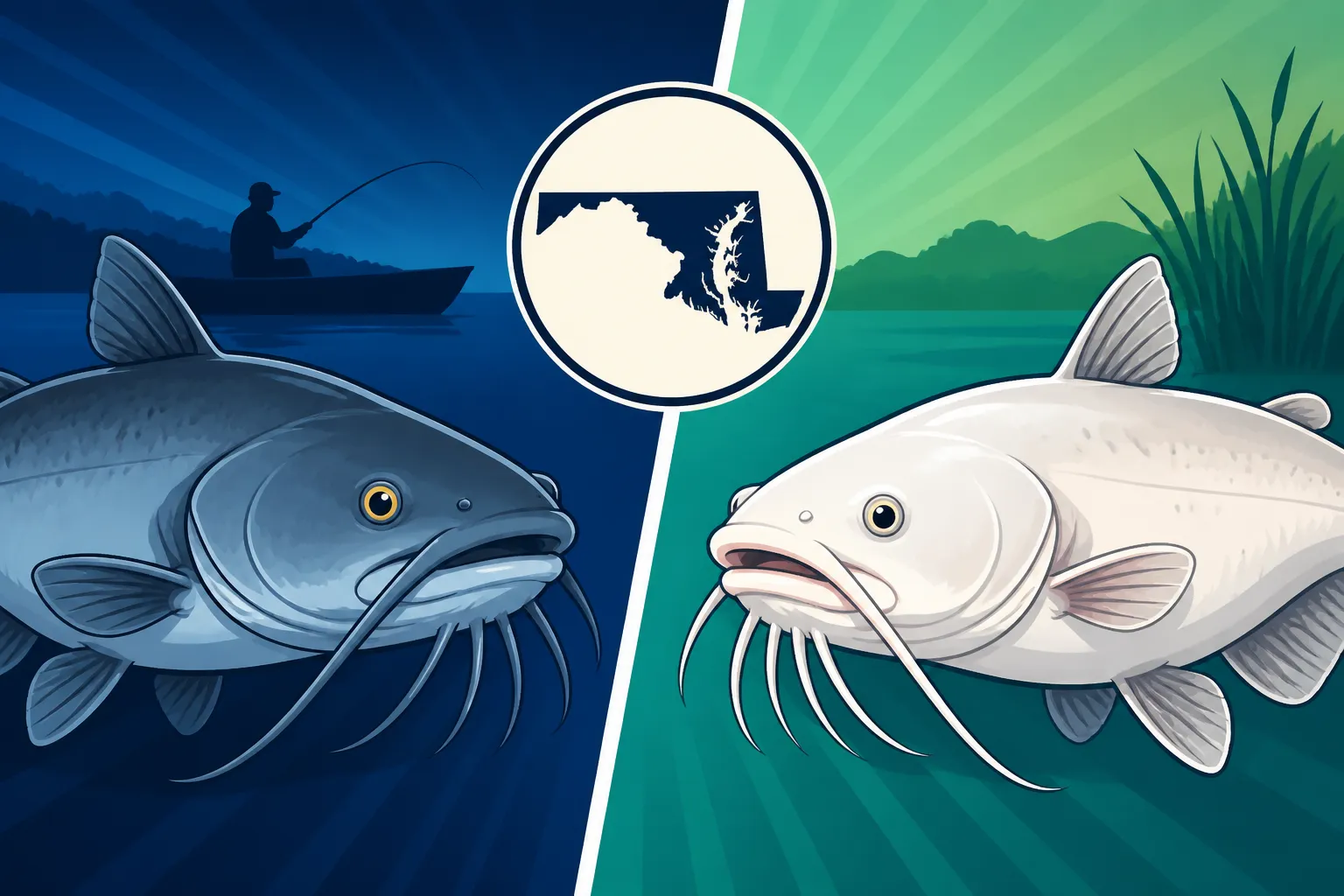
While color can be highly variable depending on water conditions, diet, and even individual genetics, there are some general tendencies that can aid in identification. Blue catfish, as their name suggests, often have a grayish-blue tint to their back and sides, fading to a white or silver belly. This color can range from a very dark slate blue in deeper, clearer waters to a lighter, almost silvery blue in shallower, murkier environments. Their bodies tend to be more slender and elongated, particularly as they grow larger, giving them a very sleek, powerful look.
White catfish usually present with a darker, more olive-green or brownish-gray back, transitioning to white or yellowish on their belly. The "white" in their name often refers to their lighter belly, or sometimes a slight white band near their tail fin, rather than their overall body color. They also tend to have a stockier, more compact body shape, especially when smaller, appearing a bit more "chunky" than their blue counterparts. Their heads can sometimes seem disproportionately large relative to their body size compared to a blue catfish of similar length. When you hold them side-by-side, if you ever get that opportunity, the differences in body contour become quite apparent. While not as definitive as fin ray counts, these general appearance trends are good to keep in mind, especially in your home waters where you learn what variations are typical.
Habitat and Behavior: Where and How They Live
Knowing the physical differences is essential, but understanding where and how these fish typically live can also significantly help you distinguish between a blue catfish and a white catfish in Maryland. Their preferred habitats and behaviors often diverge, giving anglers more clues even before the fish is in the boat.
Preferred Water Environments
Blue catfish are truly kings of the main channels in Maryland's larger tidal rivers and the Chesapeake Bay itself. They absolutely thrive in big, broad waterways with strong currents and abundant forage. You'll find them in places like the deeper sections of the Potomac River, the Nanticoke, the Choptank, and throughout the Maryland Chesapeake Bay Sport Fishing License Explained region. These fish love to congregate in deeper holes, along channel edges, and around submerged structures where the current brings food right to them. If you're fishing in a wide, tidal river with depths over 15 feet, especially if there's significant boat traffic or commercial shipping channels, chances are high that any catfish you hook will be a blue catfish. They are perfectly adapted to these dynamic, expansive environments and can cover vast distances.
White catfish, while also found in tidal waters, generally prefer smaller rivers, creeks, and even ponds and reservoirs. They don't typically venture into the deepest, swiftest parts of the main Bay like their blue cousins. Instead, you'll find them in the shallower, less saline areas of the tributaries, often closer to the freshwater influence. They are quite at home in muddy or brackish creeks, backwater coves, and sluggish rivers. Many anglers encounter them while fishing from piers or shorelines in calmer bayside areas, or even in some of Maryland's larger freshwater reservoirs that connect to tidal systems. If you're fishing a smaller, more intimate waterway, especially one with a lot of vegetation or slower flow, you're more likely to encounter a white catfish. Their preference for these less aggressive environments is a strong indicator of their identity.
Dietary Habits and Foraging Behavior
The diet and feeding habits of these two catfish species also differ, reflecting their preferred habitats and sizes. Blue catfish are opportunistic predators with a voracious appetite. As they grow, their diet shifts from smaller invertebrates and baitfish to larger prey, including other fish, crabs, and even smaller waterfowl or mammals unlucky enough to fall into the water. They are known for their aggressive feeding, especially on schools of baitfish like menhaden or gizzard shad. Anglers targeting blue catfish often use large cut baits, sometimes whole fish, to appeal to their predatory nature. Their presence has a significant How Blue Catfish Threaten Native Species in Maryland's Chesapeake Bay. They will actively cruise deeper channels and ambush prey, often indicated by their powerful runs when hooked.
White catfish, while also opportunistic, tend to have a more varied and less exclusively predatory diet. They primarily feed on aquatic insects, crustaceans, mollusks, and smaller fish. You'll find them rooting around in the bottom sediments, scavenging for food items, rather than actively chasing down large schools of fish in open water. Their diet is more reflective of a generalist feeder that capitalizes on what's readily available in their immediate, often shallower, environment. Anglers targeting white catfish often use smaller baits like worms, shrimp, or small pieces of cut bait. They typically put up a good fight, but their initial strike and runs might not be as explosive as a larger blue catfish's. Understanding these subtle differences in what they eat and how they get it can help you refine your bait choices and also provide a behavioral clue to their identity when you reel one in.
Size and Growth Potential: A Tale of Two Catfish
One of the most jaw-dropping differences between these two species, and often the reason for initial confusion, lies in their ultimate size and growth potential. While a small blue catfish can look remarkably similar to a white catfish, their adult forms are vastly different, impacting everything from angling strategy to ecological considerations.
Maximum Size and Weight
This is perhaps the biggest and most obvious differentiator for adult specimens. Blue catfish are absolute giants. They are the largest species of catfish in North America and can grow to truly astonishing sizes. It's not uncommon to hear tales of blue catfish caught in Maryland's tidal rivers weighing well over 50 pounds, with some exceeding 100 pounds. These fish are built for bulk and power, capable of reaching lengths of several feet. When you hook into a truly large blue catfish, you'll know it – the fight is legendary, testing your tackle and your stamina. Their incredible growth rate is one of the reasons they are considered an Maryland Blue Catfish, an Invasive Giant, as they quickly outcompete and consume native species.
White catfish, in stark contrast, are much smaller. They are considered a medium-sized catfish species, rarely exceeding 10 pounds in Maryland waters. A trophy white catfish might weigh in the 4-6 pound range, and anything over 8 pounds is considered exceptional. They generally top out at lengths of about 2 feet, with most common catches being in the 12 to 18-inch range. If you consistently catch catfish of a manageable size from a local pond or smaller river, without ever encountering a true behemoth, you're almost certainly dealing with white catfish. The sheer scale difference between a mature blue catfish and a mature white catfish is immense, making size a very reliable indicator once they get beyond their juvenile stages.
Growth Rate and Longevity
Blue catfish have an incredibly rapid growth rate, especially in environments with abundant food sources like the Chesapeake Bay and its tributaries. They can reach impressive sizes in just a few years. This rapid growth, coupled with their long lifespans (some blue catfish can live for decades), contributes to their dominance in certain ecosystems. This rapid escalation in size is part of what makes them such a formidable species in Maryland's waterways and why understanding their presence is so vital. If you catch a foot-long catfish, it could be a young blue or a nearly adult white. But if you catch a two-foot catfish, it's highly likely to be a blue catfish because a white catfish would be pushing its maximum size at that length.
White catfish, while capable of a decent growth rate, don't grow nearly as fast or as large as blue catfish. They typically mature and reach their maximum size over a longer period. Their longevity is also generally less than that of blue catfish, though they can still live for a respectable number of years. The sustained presence of white catfish in certain areas without the explosion of truly massive individuals is a testament to their more modest growth trajectory. This difference in growth rates means that while a small catfish might be ambiguous, any consistently large catfish you encounter in Maryland is almost certainly a blue catfish. Keep a good measuring tape and a reliable digital scale, which you can easily find on Amazon, handy to help you gauge your catches.
| Feature | Blue Catfish | White Catfish |
|---|---|---|
| Anal Fin Rays | 30-36 rays, longer and straighter | 19-22 rays, shorter and rounded |
| Tail Fin | Deeply forked, V-shaped | Slightly notched or straight (truncate) |
| Coloration (Avg) | Grayish-blue back, silver/white belly | Olive-green/brownish-gray back, white/yellow belly |
| Body Shape (Avg) | More slender, elongated, streamlined | Stockier, more compact |
| Max Size (Avg) | Often over 50 lbs, can exceed 100 lbs | Rarely over 10 lbs, usually 1-6 lbs |
| Habitat (Typical) | Deep, main channels of large tidal rivers & Bay | Smaller rivers, creeks, ponds, reservoirs |
| Diet (Adult) | Fish, crabs, large invertebrates, aggressive predators | Insects, crustaceans, small fish, scavengers |
| Ecological Role | Highly invasive, impacts native species | Native, part of the balanced ecosystem |
Ecological Impact and Management in Maryland
Understanding the difference between a blue catfish and a white catfish isn't just for bragging rights; it's incredibly important for ecological awareness and proper management practices in Maryland's diverse waterways. These two species have very different roles in our ecosystem, with significant implications for native fish populations and angling regulations.
Invasive vs. Native Status
This is arguably the most critical distinction. Blue catfish are a non-native, invasive species in Maryland's Chesapeake Bay watershed. They were introduced decades ago and have since spread rapidly, colonizing vast stretches of our tidal rivers and the Bay itself. Their prolific breeding, aggressive feeding habits, and incredible growth rate have allowed them to outcompete and prey upon many of Maryland's native fish populations, including economically important species like striped bass (rockfish) and white perch. The Maryland Department of Natural Resources (DNR) actively encourages anglers to harvest as many blue catfish as possible, with no size or creel limits, as part of an effort to control their population. This is why it's so important for anglers to know Maryland Invasive Fish Rules: Blue Catfish and Snakehead.
White catfish, on the other hand, are a native species to the Chesapeake Bay and its tributaries. They have been an integral part of our aquatic ecosystem for a very long time, coexisting with other native species and contributing to the natural balance of the food web. While they are popular sport fish and can be quite numerous in certain areas, their populations are naturally regulated, and they don't pose the same threat to ecological stability as blue catfish. Catch limits and sometimes size restrictions are in place for white catfish, reflecting their native status and the need for sustainable management. This fundamental difference in their origin and ecological role drives much of the divergent advice and regulations surrounding them.
Angler Responsibilities and Regulations
Because of their vastly different ecological impacts, anglers have different responsibilities when it comes to blue and white catfish. For blue catfish, the message from the Maryland DNR is clear: "Kill as many as you can, as often as you can." There are generally no possession limits or size restrictions on blue catfish, and anglers are strongly encouraged to harvest them. This means if you catch a blue catfish, you're doing the ecosystem a favor by removing it, and they're also Are Blue Catfish Good to Eat From Maryland Rivers?. This contrasts sharply with most other species. If you're looking for bait specifically for these invasive giants, checking out a guide like Best Bait for Blue Catfish in Maryland Rivers can be really helpful.
For white catfish, you need to be aware of and abide by established regulations. While limits can vary by specific body of water or season, there are usually daily creel limits (the maximum number you can keep) and sometimes minimum size requirements. These regulations are designed to ensure sustainable fishing pressure on a native species. It’s important to always consult the current Maryland's DNR Fishing and Boating Guide, Explained or check the DNR website before heading out. Confusing a white catfish for a blue catfish and keeping more than the legal limit, or keeping an undersized one, could result in penalties. Always double-check your identification, especially if you're fishing in an area where both species might be present. A good pair of polarized sunglasses, available on Amazon, can sometimes help you spot these differences in clearer waters before you even cast a line.
Fishing Strategy Implications
Knowing the difference also impacts your fishing strategy. If your goal is to help reduce the invasive blue catfish population, you'll want to target deeper channels, use larger baits, and potentially heavier tackle to handle those potential giants. You might focus your efforts on areas known for large blue cat concentrations, such as the tidal Potomac. How Big Do Blue Catfish Get in Maryland Rivers? can give you an idea of the monsters lurking.
If you're after native white catfish, you'll likely shift your focus to shallower, calmer waters, smaller baits, and lighter tackle. Perhaps you're enjoying a peaceful afternoon fishing from a pier in a quiet creek, or targeting them in a local pond. Understanding which species you're likely to encounter in a given spot will help you choose the right gear and approach. This clarity helps you be a more effective and responsible angler. You'll also need to ensure you have your proper Maryland Fishing License Guide for 2026 regardless of what species you're after.
Disclaimer
This article is for general informational purposes only and does not constitute professional advice. Laws, prices and regulations vary by location and change over time. Consult a qualified professional for guidance on your specific situation.