Blue Catfish Size Records in Maryland Rivers
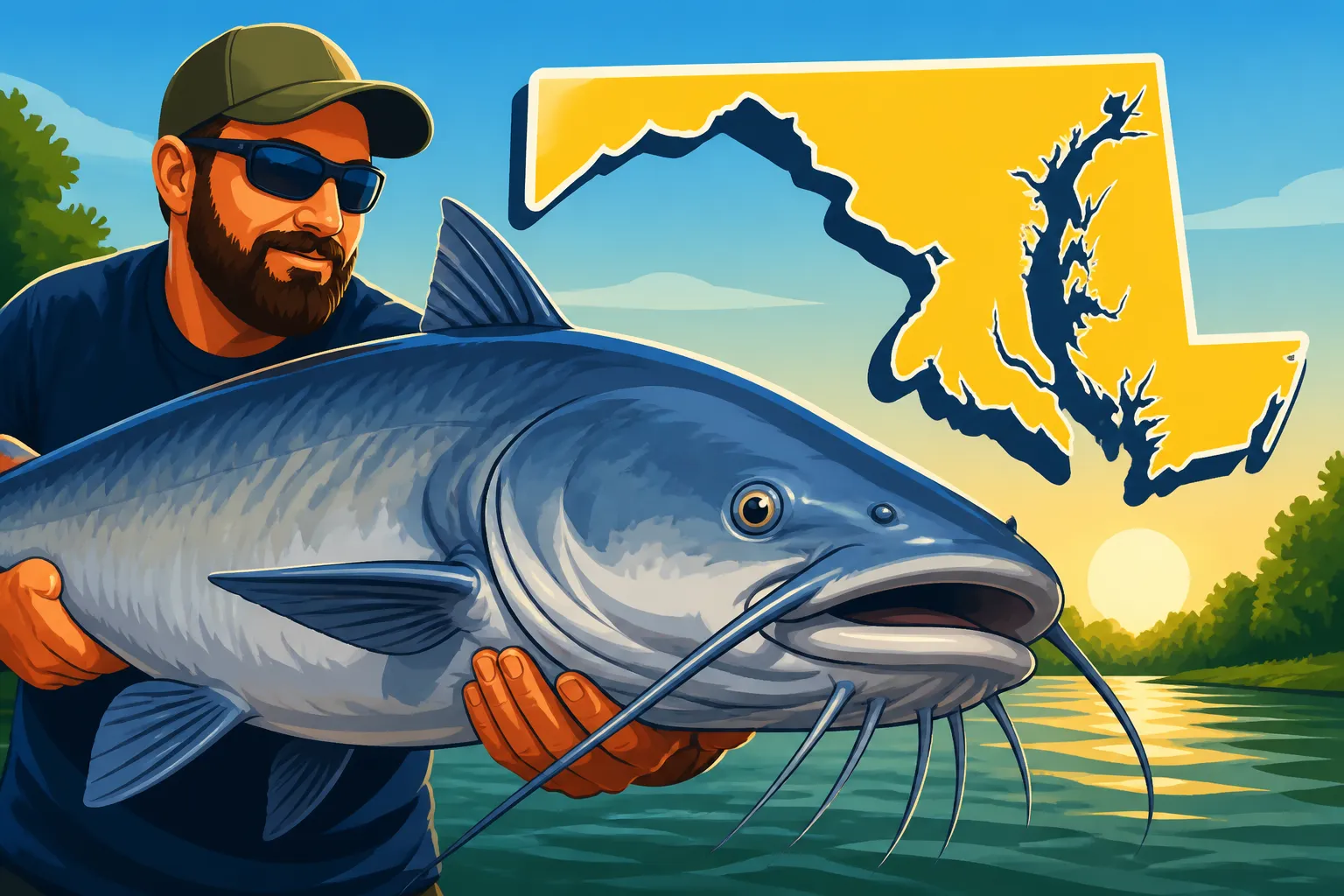
The Maryland blue catfish scene is an absolute whirlwind, and if you've spent any time on the water, you know these fish aren't just big — they're massive. It's easy to get overwhelmed trying to figure out where to even start looking for a truly gargantuan specimen, or how to even fathom the potential size these fish can reach in our rivers. This guide is here to shed light on the incredible blue catfish size records in Maryland rivers, help you understand the quest for a trophy, and equip you with the knowledge to potentially land your own record-breaker.
Understanding the Maryland Blue Catfish Phenomenon
Maryland's rivers, particularly those feeding into the Chesapeake Bay, have become prime habitats for blue catfish, and these fish aren't just surviving; they're thriving to an almost unbelievable extent. Their ability to grow to immense sizes is one of the most fascinating, and sometimes alarming, aspects of their presence in our waters.
Why Blue Catfish Are So Big in Maryland
Blue catfish are naturally long-lived and can attain impressive sizes in their native ranges, but here in Maryland, they've found an absolute buffet. The nutrient-rich waters of the Chesapeake Bay tributaries provide an unparalleled food source, from abundant baitfish like gizzard shad and alewife to various crustaceans and even other smaller fish. This plentiful diet, combined with a lack of natural predators in many areas and suitable spawning grounds, allows them to grow at an accelerated rate and live long enough to become true giants.
It's not uncommon to hear tales of anglers battling blue catfish that outweigh small children, and these stories aren't just folklore. The biological conditions here are simply perfect for them to become behemoths. They have a remarkable ability to adapt to varying water conditions, from brackish tidal rivers to more freshwater sections, further expanding their domain and access to food.
Their Invasive Nature and Rapid Growth
While their size can be thrilling for anglers seeking a challenge, it's crucial to remember that blue catfish are an invasive species in Maryland. They were introduced decades ago and have since spread rapidly throughout the Chesapeake Bay watershed. Their rapid growth and sheer numbers pose a significant threat to native fish populations, consuming vast quantities of prey species that are vital to the ecosystem. This ecological impact is why fisheries managers actively encourage anglers to harvest blue catfish, with no size or creel limits in many areas. Understanding their invasive status helps put the quest for big fish into a broader context – every large blue cat harvested is a small step towards balancing the ecosystem. For a deeper dive, check out Why Blue Catfish Are Considered Invasive in Maryland and How Blue Catfish Threaten Native Species in Maryland's Chesapeake Bay.
The Allure of Trophy Blue Catfish
There’s something undeniably captivating about pursuing a fish that could potentially break a state record. For blue catfish anglers in Maryland, this isn't just a pipe dream; it's a very real possibility, given the incredible growth rates and populations in our local rivers.
The Thrill of the Fight
Landing a blue catfish that pushes into the double-digit, or even triple-digit, weight class is an experience unlike almost any other in freshwater fishing. These fish are pure muscle, renowned for their powerful runs and dogged resistance. When you hook into a truly large blue cat, it's not just a bite; it's a full-on wrestling match. The sheer brute strength they possess can test even the most experienced angler and the most robust tackle. Many seasoned fishermen describe the fight as an epic tug-of-war, with the fish often winning the first few rounds.
The anticipation of seeing that rod double over, the screaming drag as line peels off the reel, and the eventual, hard-won battle to bring a massive fish to the net is what keeps dedicated catfish anglers coming back for more. It’s a primal challenge that engages every muscle and sense.
Beyond the Bragging Rights: Ecological Impact
While the pursuit of a trophy blue catfish certainly offers immense bragging rights among fellow anglers, it also serves a greater purpose. By actively targeting and harvesting these larger specimens, you're directly contributing to the ecological balance of Maryland's waterways. Large blue catfish are incredibly efficient predators, and removing them helps alleviate some of the pressure on native species like striped bass, white perch, and various baitfish.
Fisheries managers appreciate anglers who embrace the challenge of catching and keeping blue catfish, especially the big ones. So, when you land that monster, you're not just taking an impressive photo; you're also playing a role in the ongoing conservation efforts. It's a win-win: an exhilarating fishing experience for you, and a benefit to the delicate ecosystem of the Chesapeake Bay and its tributaries. If you're wondering about the rules, take a look at Maryland Blue Catfish Limit, or Lack of One.
Maryland's State Record Blue Catfish: A Deep Dive
The state record for blue catfish in Maryland is a testament to the immense size these fish can achieve in our local waters. It's a record that sparks conversation, inspires anglers, and continually reminds us of the incredible potential lurking beneath the surface.
The Current Record Holder
While the specific weight and angler may shift as new giants are hauled in, Maryland's state record for blue catfish is typically held by a truly colossal specimen, often pushing well over the 100-pound mark. These are not just big fish; they are absolute titans, fish that demand heavy-duty gear and an immense amount of skill and patience to land. The stories behind these record catches are often legendary, involving hours-long battles, broken gear, and incredible perseverance.
Imagine the thrill of bringing in a fish that rivals your own body weight, a fish that represents the pinnacle of blue catfish growth in the region. It's the kind of catch that defines an angling career, turning an ordinary day on the river into an unforgettable moment in Maryland fishing history. The pursuit of such a fish isn't just about the numbers; it's about the adventure and the sheer wonder of connecting with such a powerful creature.
The Evolution of Maryland's Blue Catfish Records
The state record for blue catfish in Maryland has been a moving target, continuously being broken as anglers dial in their techniques and discover new hotspots. Each time a new record is set, it pushes the boundaries of what anglers thought was possible, inspiring others to seek out even larger specimens. This dynamic nature of the record reflects the ongoing growth and expansion of blue catfish populations in Maryland rivers.
It wasn't that long ago that a 50-pound blue cat was considered a remarkable catch. Now, anglers are consistently pulling in fish well beyond that, with true monsters nearing or exceeding the century mark. This evolution underscores the success of the species in our waters, and the growing dedication of anglers specializing in targeting these giants. It creates a vibrant, competitive, and exciting environment for blue catfish enthusiasts throughout the state.
How Records Are Certified
Catching a truly massive blue catfish is one thing, but getting it officially certified as a state record requires following a specific protocol. This isn't just about weighing the fish; it's about proper identification, verified measurements, and often witnesses. Typically, the fish must be weighed on a certified scale, usually at a local tackle shop or marina that has a certified public scale. The Maryland Department of Natural Resources (DNR) has clear guidelines for record submissions, ensuring the integrity of the record book.
This process ensures that every state record is legitimate and accurately reflects the potential of Maryland's fisheries. If you believe you've caught a potential record-breaker, your first step after landing it safely is to keep it alive (if possible and ethical for a food fish, though blue cats are encouraged for harvest), photograph it, and then seek out a certified scale immediately, followed by contacting the DNR.
Where to Find Record-Setting Blue Catfish in Maryland
If you're aiming for a personal best or even a state record, knowing where these giants lurk is half the battle. Maryland boasts several rivers renowned for their blue catfish populations, and some areas consistently produce larger specimens than others.
Key Maryland Rivers Known for Giants
When it comes to trophy blue catfish, a few Maryland rivers immediately come to mind. The Potomac River is arguably at the top of the list, particularly its tidal sections. From the lower river near Point Lookout all the way up past Washington D.C., the Potomac is teeming with blue cats of all sizes, including bona fide monsters. Its vastness, deep channels, and abundant forage make it a perfect habitat for them to grow truly enormous. You can learn more about fishing this fantastic waterway in Fishing the Potomac River in Maryland.
Beyond the Potomac, the Nanticoke River on the Eastern Shore has also become a hotbed for large blue catfish. Its deep, muddy bottom and connection to the Chesapeake Bay provide an ideal environment. The Choptank River is another Eastern Shore gem, increasingly producing large blue cats, especially in its lower sections. Even the Patuxent River in Southern Maryland holds its own, with growing numbers of substantial fish being reported by anglers. These rivers, with their diverse bottom structures and extensive foraging opportunities, are where the true beasts reside.
Specific Hotspots and River Sections
Within these major river systems, certain areas are particularly notorious for harboring massive blue catfish. On the Potomac, the deeper channels and holes, especially those near bends or junctions with creeks, are prime real estate for big cats. The stretch from Fort Washington down to Morgantown is particularly productive, as is the area around the Conowingo Dam on the Susquehanna (though fishing regulations there require careful attention). For the Nanticoke, deeper river bends and dredged channels often hold the biggest fish. Areas with significant structure, like submerged timber, bridge pilings, or sudden depth changes, act as ambush points and resting areas for these large predators.
When targeting these specific hotspots, it's wise to consult local bait and tackle shops for the most up-to-date information, as conditions and fish movements can change. Many anglers also use mapping tools on their boat electronics to identify underwater structure and depth contours that indicate prime blue cat habitat. For specific locations, you might want to look at Best Spots to Catch Blue Catfish on the Potomac.
Seasonal Patterns for Big Catfish
Blue catfish can be caught year-round in Maryland, but their activity and location will shift with the seasons. Generally, the late spring and summer months see them highly active, feeding aggressively in warmer water. This is a fantastic time for sheer numbers and consistent action. However, if you’re specifically targeting the absolute biggest fish, many trophy hunters swear by the colder months of late fall and winter.
During winter, blue catfish tend to congregate in deeper holes and channels, often becoming less active but still feeding opportunistically. These aggregations can make them easier to locate for anglers with good electronics. While the bites might be fewer and farther between, the fish you do hook are often the largest of the year, packing on weight to survive the colder temperatures. The spring, particularly as water temperatures begin to rise and they move towards spawning grounds, can also be an excellent time to intercept very large, actively feeding fish. Understanding these seasonal movements is key to increasing your chances of a record-setting catch. Discover more by checking out Best Time of Year to Catch Blue Catfish in Maryland.
| River System | Prime Locations for Big Cats | Typical Depth Range (feet) | Best Seasons | Key Features |
|---|---|---|---|---|
| Potomac River | Deeper channels, sharp bends, industrial outfalls | 20-60+ | All year, esp. Winter | Vast system, diverse forage, strong currents |
| Nanticoke River | Deep holes, dredged channels, junction with tributaries | 15-40 | Spring, Summer, Fall | Tidal influence, murky water, abundant baitfish |
| Choptank River | Main channel, lower river sections, structure near bridges | 10-30 | Spring, Fall | Gradual depths, good baitfish, good access |
| Patuxent River | Deeper sections of the middle and lower river | 15-35 | Spring, Summer | Less crowded, good structure, diverse ecosystem |
Techniques and Tackle for Big Blue Cats
Targeting record-setting blue catfish isn't a task for light gear. These fish demand robust equipment and specific techniques designed to handle their immense power and size. If you're going after the big ones, you need to be prepared.
Heavy Duty Gear is a Must
Forget your ultralight spinning combo; when chasing trophy blue cats, you need to go heavy, and then some. This means stout rods, reels with significant line capacity and a powerful drag system, and strong line. Many serious catfish anglers opt for heavy-action or extra-heavy-action casting rods, often in the 7 to 9-foot range, capable of handling heavy weights and absorbing powerful surges. These rods have the backbone to turn a large fish and prevent it from seeking refuge in snags.
For reels, a sturdy baitcasting reel or a large conventional reel with a strong retrieve ratio is ideal. Look for models with a smooth, reliable drag that can handle prolonged fights against a fish that might weigh more than you do. You'll want to spool up with at least 50-pound test braided line, often heavier, especially if fishing in snag-prone areas. Braid offers superior strength-to-diameter ratio and sensitivity, allowing you to feel even subtle bites in deep water. You can find many excellent options for these heavy-duty setups on platforms like Amazon. Don't skimp on your terminal tackle either; extra-strong swivels, heavy-duty snaps, and robust hooks are non-negotiable.
Best Baits for Monster Blue Cats
Blue catfish are opportunistic scavengers and predators, so a variety of baits can work, but for truly enormous fish, freshness and scent are key. Cut bait is king. Freshly cut chunks of oily fish like gizzard shad, menhaden (bunker), or even carp are incredibly effective. The oil and scent trail they release in the water are irresistible to big blue cats. Many anglers swear by fresh cut bait from fish caught that same day. The larger the bait, generally, the larger the fish you're likely to attract, so don't be afraid to use substantial chunks or even whole baitfish for the biggest predators.
Another highly effective bait is chicken liver, though it can be messy to work with and doesn't always stay on the hook as well as cut fish. Prepared "stink baits" or punch baits can also catch blue cats, but for the truly massive ones, fresh natural bait usually outperforms. Regardless of your choice, make sure your bait is presented effectively on a strong circle hook, which is excellent for hooking fish in the corner of the mouth and minimizing gut-hooking. For detailed bait advice, refer to Best Bait for Blue Catfish in Maryland Rivers.
Strategic Approaches: Anchoring and Targeting Structure
When targeting large blue catfish, a strategic approach is vital. One of the most common and effective methods is anchoring on or near known catfish holding areas. This could be a deep channel edge, a sharp drop-off, a submerged hump, or even significant structure like bridge pilings or log jams. Once anchored, multiple rods are typically deployed with different baits and at varying depths or distances from the boat, creating a scent trail and maximizing your chances of a bite.
Another crucial strategy is targeting structure. Large blue catfish often relate to structure for ambush points or shelter. This includes natural features like fallen trees, rock piles, or changes in bottom composition, as well as man-made structures such as bridge pilings, old submerged foundations, or even sunken boats. Using your boat's electronics to locate these features and then presenting your bait directly to or just upstream of them can dramatically increase your success rate. A good fishfinder is an invaluable tool for identifying these underwater hotspots and the presence of large fish arches. Even a simple fish finder available on Amazon can significantly improve your ability to locate prime areas. Remember, patience is key – these big fish often take their time to find and commit to a bait. To refine your strategy, explore How to Catch Blue Catfish in the Potomac River.
Contributing to Blue Catfish Management
Fishing for blue catfish in Maryland isn't just a recreational pursuit; it's an important part of managing an invasive species. Your actions as an angler can make a real difference in the health of our local ecosystems.
Harvesting Blue Catfish Responsibly
Given their invasive status and the ecological impact they have on native species, anglers are strongly encouraged to harvest blue catfish in Maryland. There are generally no size or creel limits on blue catfish, meaning you can keep as many as you'd like. This isn't common for most fish species, so it highlights the importance of removing these fish from the ecosystem. When you catch a blue catfish, especially a large one, consider keeping it for the table. They are excellent eating, particularly the smaller to medium-sized fish. Larger fish can be quite meaty and still offer delicious fillets.
Responsible harvesting also means handling the fish properly. If you intend to keep it, dispatch it humanely and keep it on ice to maintain quality. If you're catching and releasing (perhaps smaller ones, or during a particularly slow bite for trophies), handle them gently and release them quickly. However, the overall emphasis for blue catfish is on removal. This guidance is distinct from how you'd treat a native species. To understand more about regulations, look into Maryland Invasive Fish Rules: Blue Catfish and Snakehead.
Reporting Big Catches
While the Maryland DNR actively encourages harvesting blue catfish, reporting your truly big catches (even if not state-record worthy) can be helpful for fisheries managers. It provides valuable data on the growth rates, distribution, and overall health of the blue catfish population within specific river systems. This information helps them track the species' spread and impact, informing future management strategies.
Some anglers participate in voluntary reporting programs or simply share their impressive catches through social media channels, tagging the DNR or local fishing groups. While not a formal requirement for every big fish, the collective data from many anglers can paint a clearer picture for biologists. So, snap a photo, get a weight, and consider sharing your success – you're not just celebrating your catch, you're contributing to a broader understanding of this fascinating, yet challenging, invasive species in Maryland. You might even discover more about How Big Do Blue Catfish Get in Maryland Rivers? through these community reports.
Disclaimer
This article is for general informational purposes only and does not constitute professional advice. Laws, prices and regulations vary by location and change over time. Consult a qualified professional for guidance on your specific situation.