How to Catch Blue Catfish in the Potomac River
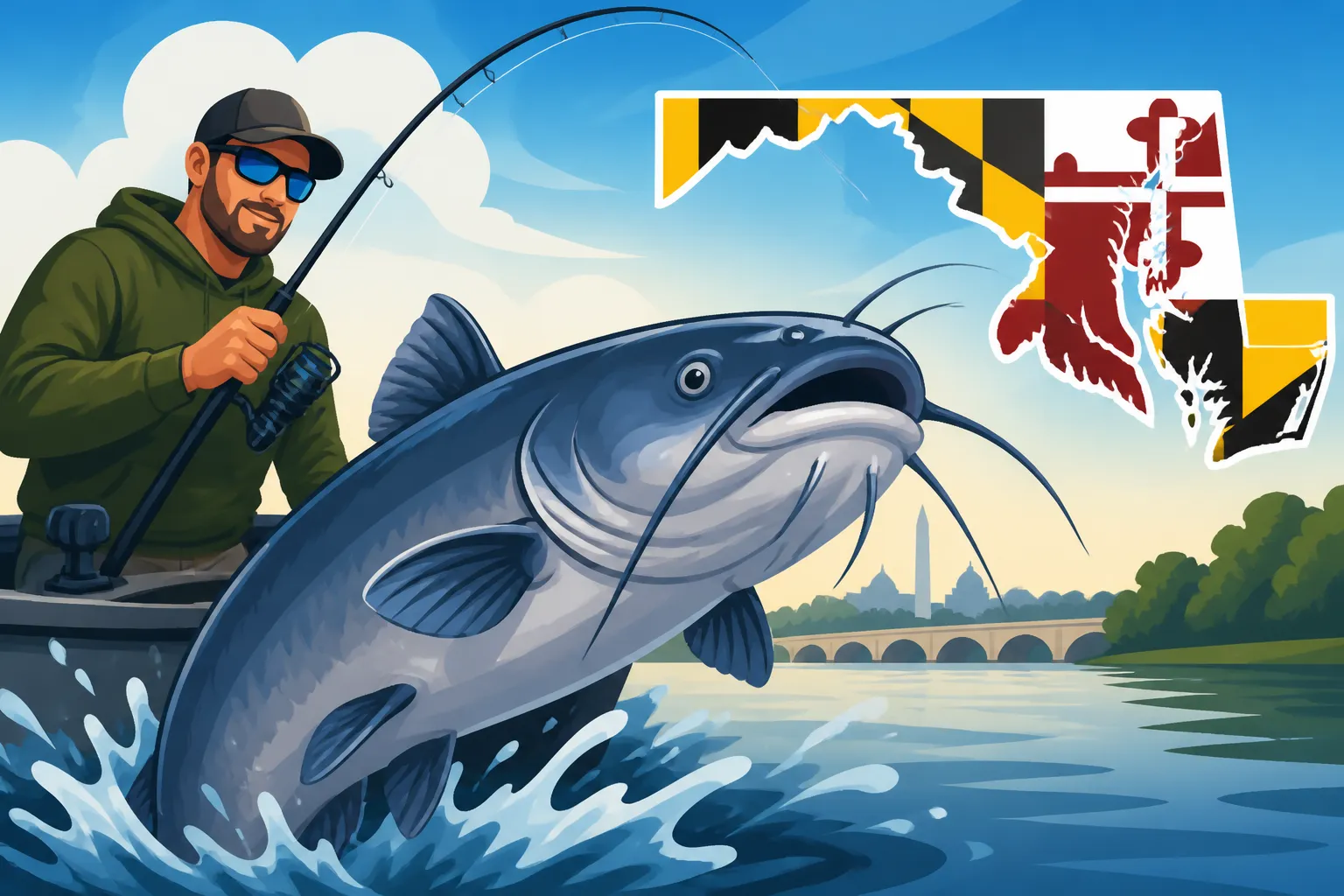
If you've spent any time fishing the Potomac River, you know the frustration – or maybe the pleasant surprise – of hooking into a blue catfish. These powerful, often massive fish have become a dominant species in the river, and figuring out how to consistently target them can feel like a puzzle. Whether you're aiming to land a trophy or just fill your cooler with some delicious fillets, this comprehensive guide will walk you through everything you need to know to successfully catch blue catfish in the Potomac River.
Understanding the Potomac River Blue Catfish Invasion
The blue catfish, while a fantastic sport and food fish, isn't native to the Potomac River, or even the Chesapeake Bay watershed for that matter. They were introduced decades ago and have since exploded in population, impacting native species and the overall ecosystem. This ecological reality shapes how Maryland's Department of Natural Resources (DNR) encourages anglers to target them, often promoting harvest with no possession limits. Understanding their behavior and why they thrive here is key to finding them.
Why Blue Catfish Thrive in the Potomac
The Potomac River offers a perfect storm of conditions that allow blue catfish to flourish. For one, they're incredibly adaptable, tolerating a wide range of salinities, from the freshwater upper reaches to the brackish lower sections. This means you can find them almost anywhere along the river. They're also voracious eaters, consuming everything from smaller fish and crustaceans to clams and even detritus, essentially acting as the river's vacuum cleaners. This abundance of food, coupled with a lack of natural predators large enough to control their adult populations, has led to their prolific expansion.
Their rapid growth rate is another factor; these fish can reach impressive sizes quickly. Many anglers who are familiar with Maryland Blue Catfish, an Invasive Giant often speak of their incredible fighting power, which makes them a popular target. From the calmer, shallower waters of the tidal tributaries to the deeper main river channels, blue catfish have found their niche and are here to stay.
Preferred Habitats and Behavior
Blue catfish are not particularly shy about where they hang out. They prefer deeper holes, channel edges, and areas with significant current breaks, especially near structure. Think about submerged timber, rock piles, bridge pilings, or even discarded debris on the riverbed. These spots offer them both ambush points for prey and a place to conserve energy away from the strongest currents. They're also often found in the mouths of creeks and tributaries, especially after a rain event washes food into the main river.
During warmer months, they might move into slightly shallower areas to feed more actively, particularly during low light conditions or at night. As water temperatures drop in the fall and winter, they tend to congregate in the deepest holes available, sometimes in massive numbers. This seasonal congregation makes them particularly vulnerable and easier to target for anglers willing to brave the colder weather.
Essential Gear and Bait for Potomac Blue Catfish
When you're gearing up for a battle with a Potomac blue catfish, you need to think tough. These aren't your grandpa's panfish; they can be incredibly strong, especially the larger specimens that can easily exceed 50 pounds. Having the right tackle isn't just about catching them; it's about being able to safely land them without breaking your gear or, worse, losing a fish that could contribute to the ecosystem's balance by being removed.
Rods, Reels, and Line Selection
For blue catfish in the Potomac, a medium-heavy to heavy-action rod is your best friend. Look for rods in the 7 to 9-foot range, designed for casting weights up to 8 ounces or more. This extra length helps with casting heavier rigs and provides leverage when fighting a big fish. Ugly Stik, for example, makes some incredibly durable catfish-specific rods that are popular on Amazon, known for their sensitivity and strength.
Pair that rod with a robust baitcasting reel or a large spinning reel, capable of holding a substantial amount of heavy line. You want a reel with a smooth, powerful drag system that can withstand long runs from a hard-pulling fish. Capacity is key here; you don't want to be spooled by a monster.
When it comes to line, braid is often the preferred choice for its strength-to-diameter ratio and lack of stretch, which enhances sensitivity. A 50 to 80-pound braided line is a good starting point, especially if you're targeting trophy-sized fish. If you prefer mono, step up to 25 to 40-pound test. Always use a heavy monofilament or fluorocarbon leader, typically 50 to 80 pounds, to resist abrasion from the catfish's rough mouth and any underwater structure.
Hooks, Sinkers, and Rigs
For hooks, stick with strong, sharp circle hooks. Sizes range from 7/0 to 10/0, depending on the size of your bait and the fish you expect to encounter. Circle hooks are fantastic because they almost always hook the fish in the corner of the mouth, reducing gut hooks and making release easier if you choose to. They're also mandated in many areas for certain species, so it's good practice to use them for catfish too. You can find quality bulk circle hooks on Amazon to stock up for your trips.
Sinkers will vary depending on the current and depth. Pyramid sinkers, no-roll sinkers, or flat bank sinkers are good choices for holding bottom. You'll likely need weights ranging from 2 ounces in lighter currents to 8 ounces or more in strong tidal flows or deeper channels.
The most common and effective rig is a simple Carolina rig or a three-way swivel rig.
- Carolina Rig: Thread your sinker onto your main line, then tie on a heavy barrel swivel. To the other end of the swivel, tie your leader (18-36 inches long) and then your circle hook. This allows the fish to pick up the bait without immediately feeling the weight of the sinker.
- Three-Way Swivel Rig: Tie your main line to one eye of the three-way swivel. Tie a short leader (6-12 inches) with your sinker to another eye, and a longer leader (18-36 inches) with your hook and bait to the third eye. This keeps your bait slightly off the bottom and can be very effective in heavier currents.
Top Bait Choices for Potomac Blue Catfish
When it comes to bait, blue catfish are not picky, but they do have preferences. Fresh, oily cut bait is almost always king.
- Cut Shad or Alewife: Fresh gizzard shad or river herring (alewife) are absolute blue catfish magnets. These oily fish have a strong scent trail that catfish can detect from a distance. Cut them into 1-2 inch chunks or strips. You can often net your own in certain areas or find them at local bait shops.
- Cut Perch or Sunfish: White perch and sunfish, if legally caught as bait, also make excellent cut bait. Their tougher skin stays on the hook well and their natural oils are appealing.
- Chicken Liver: A classic catfish bait, chicken liver is readily available and effective, though it can be messy and soft. Using a bait holder hook or wrapping it with a bait thread can help it stay on.
- Prepared Baits: While not usually as effective for trophy blue catfish, commercially prepared stink baits or dough baits can work for smaller fish, especially when Fishing the Potomac for Blue Catfish in quieter areas.
Always prioritize fresh bait. If you're going out for a day of serious catfishing, having a good cooler packed with ice for your bait is crucial.
Top Techniques for Targeting Blue Catfish
Catching blue catfish in the Potomac isn't just about dropping a line in the water; it's about understanding their feeding patterns, currents, and where they hold. There are several proven techniques that will increase your chances of success, whether you're fishing from shore or a boat.
Bottom Fishing
This is the most common and arguably the most effective method for blue catfish. Given that blue catfish are primarily bottom feeders, presenting your bait right where they live is key.
- Anchoring and Soaking: Find a promising spot – a deep hole, a channel edge, or near some structure – and anchor your boat upstream of it. Cast your bottom rigs into the desired area and let them settle. The idea is to leave your bait there, allowing the scent to spread with the current, attracting catfish. This method is particularly effective when you've located a concentration of fish. Be patient; sometimes it takes a while for the scent to work its magic. When fishing this way, it's a great opportunity to explore various parts of the river. You might try focusing on Best Spots to Catch Blue Catfish on the Potomac like those near Fort Washington or Occoquan Bay.
- Shore Fishing: For shore anglers, bottom fishing is still king. Look for public piers, bridge access points, or parks with deep water access. Cast your rig out, let it sink, and place your rod in a sturdy rod holder. Keep your drag set appropriately and wait for that tell-tale tap or powerful drag-peeling run. Many state parks along the Potomac offer excellent shore fishing opportunities for blue catfish.
Drifting and Trolling
While less common than anchoring, drifting and slow trolling can be very effective, especially when you're trying to cover more water or can't quite pinpoint where the fish are holding.
- Controlled Drifting: If you have a boat, you can let the current (or a very slow motor troll) carry your boat and baits along a promising stretch of river. This allows you to present your bait to a wider area and find active fish. Pay close attention to your depth finder to identify drop-offs, humps, or submerged structures as you drift. Using a sea anchor or drift sock can help control your speed in stronger currents.
- Fan Casting: Whether drifting or anchored, fan casting means casting your rigs to different spots around your boat (or your position on shore) in a fan-like pattern. This helps you cover different depths and structures, increasing your chances of finding a fish. Once you get a bite in a particular direction or depth, focus your efforts there.
Reading the Water and Current
Understanding how the Potomac's current and tides affect blue catfish behavior is crucial. Blue catfish often position themselves just out of the main current, in "slack water" or current seams, where they can ambush prey without expending too much energy.
- Current Breaks: Look for areas where the current slows down, such as behind bridge pilings, submerged logs, or sharp bends in the river. These are prime ambush points.
- Tidal Influence: The Potomac is a tidal river, even far upstream. High tides can push baitfish further into shallower areas, and catfish will follow. Falling tides tend to concentrate baitfish, making ambush points even more effective. Pay attention to the tide charts for your specific fishing location and plan your trip around peak feeding times, often during the moving tide. For more on this, check out how Tides Affect Fishing in Maryland's Chesapeake Bay.
Best Times and Locations for Potomac Blue Catfish
The Potomac River stretches for miles, offering countless opportunities to catch blue catfish. Knowing when and where to focus your efforts can make a huge difference in your success.
Seasonal Patterns and Time of Day
Blue catfish can be caught year-round in the Potomac, but certain seasons offer better opportunities.
- Spring: As water temperatures rise, blue catfish become incredibly active after a slower winter. They'll spread out from their deep wintering holes and begin to feed aggressively. This is an excellent time to target them in slightly shallower areas and tributary mouths.
- Summer: The summer months can be productive, but blue catfish might be more active during cooler periods, like early mornings, evenings, and especially at night. During the heat of the day, they'll retreat to deeper, cooler water. Night fishing for Catfish on the Potomac River is a popular and often highly successful approach.
- Fall: Fall is another prime season, as catfish feed heavily to bulk up for winter. They'll start to congregate again in deeper channels and holes, making them easier to locate.
- Winter: Don't dismiss winter! While metabolism slows, blue catfish stack up in large numbers in deep holes. If you can locate these wintering grounds, you can experience incredible fishing, sometimes catching dozens of fish from a single spot.
As for the time of day, generally, low light conditions (dawn, dusk) and nighttime are excellent, particularly in warmer months. However, in cooler weather or during active feeding periods, they can bite all day long.
Prime Potomac River Locations
The entire tidal Potomac River system, from the fall line near Washington D.C. down to the Chesapeake Bay, holds blue catfish. However, some areas are particularly renowned.
- Upper Tidal Potomac (D.C. to Fort Washington): This section, particularly around Alexandria, National Harbor, and Fort Washington, holds immense numbers of blue catfish. Deeper channels, bridge pilings (like the Woodrow Wilson Bridge), and the mouths of tributaries like Oxon Run and Piscataway Creek are hotspots. Fishing the Potomac Near National Harbor is a popular choice for many anglers.
- Mid-Potomac (Fort Washington to Quantico/Dahlgren): This stretch, encompassing areas around Occoquan, Aquia, and Chopawamsic creeks, is known for producing some truly massive blue catfish. The main river channel here has numerous deep bends and structure.
- Lower Potomac (Dahlgren to Point Lookout): As the river widens and becomes more brackish, blue catfish are still prevalent, often mixing with other species. Areas around the Route 301 bridge, the mouth of the Wicomico River, and the deeper channels leading into the Chesapeake Bay can be productive.
Access Points and Boat Ramps
The Potomac River offers numerous public access points for both boat and shore anglers.
- Boat Ramps:
- Fort Washington Marina (MD): Excellent access to the mid-upper Potomac.
- National Harbor Marina (MD): Access near the Woodrow Wilson Bridge.
- Columbia Island Marina (D.C.): Provides access to the D.C. stretch of the Potomac.
- Smallwood State Park (MD): A well-known spot on Mattawoman Creek, a major tributary known for catfish.
- Chapel Point State Park (MD): Offers access to the Port Tobacco River, another key tributary.
- Leesylvania State Park (VA): On the Virginia side, provides good access to the mid-Potomac.
- Shore Fishing:
- Fletcher's Cove (D.C.): Fishing the Potomac Near Fletcher's Cove is a long-standing tradition, offering shore access to deeper water.
- Fort Washington Park (MD): Offers scenic views and shore fishing opportunities.
- Belle Haven Park (VA): Provides public access for shore anglers.
- Various public piers and parks: Many towns and counties along the river have small parks or piers that provide easy access to the water. Do You Need a License to Fish From a Maryland Pier? is a common question, and generally, a state fishing license is still required unless specifically exempted.
Before you head out, always double-check the local regulations for the specific section of the Potomac you plan to fish, as rules can vary slightly between Maryland and Virginia portions of the river, and some areas may have specific rules regarding bait or tackle. Also, be aware of Maryland Blue Catfish Limit, or Lack of One; there are no limits on blue catfish, and anglers are encouraged to harvest them.
| Feature | Description | Considerations |
|---|---|---|
| Rod Type | Medium-heavy to Heavy action, 7-9 feet | Leverage for casting heavy rigs and fighting strong fish. |
| Reel Type | Robust baitcasting or large spinning reel, high line capacity | Smooth, powerful drag essential for large catfish; prevents being spooled. |
| Main Line | 50-80 lb Braided Line (or 25-40 lb Monofilament) | Braid offers sensitivity and strength; mono provides stretch but less abrasion resistance. |
| Leader Material | 50-80 lb Monofilament or Fluorocarbon | Crucial for abrasion resistance against sharp teeth and structure. |
| Hook Type | 7/0 – 10/0 Circle Hooks | Promotes lip hooks, reduces gut hooking, easier release. |
| Sinker Weight | 2-8+ ounces (Pyramid, No-Roll, Bank Sinkers) | Varies greatly with current strength and depth; ensure your bait stays on the bottom. |
| Primary Baits | Fresh Cut Bait (Shad, Alewife, Perch), Chicken Liver | Oily, smelly baits are most effective; freshness is key. |
| Best Technique | Bottom Fishing (Anchored/Shore) | Catfish are bottom feeders; presenting bait directly on the bottom is most reliable. |
| Key Locations | Deep channels, bridge pilings, tributary mouths, current breaks | Look for structure and areas where fish can ambush prey while conserving energy. |
| Optimal Times | Spring/Fall (daytime), Summer (night/low light), Winter (deep holes) | Catfish are active year-round but adjust feeding patterns with water temperature and light conditions. |
Disclaimer
Fishing regulations can change frequently. Always consult the official Maryland Department of Natural Resources (DNR) website or the current Maryland DNR Fishing and Boating Guide, Explained before planning your trip to ensure you are aware of the latest rules and licensing requirements. This guide is for informational purposes only and does not supersede official regulations.