Techniques for Catching Walleye at Deep Creek Lake
Catching walleye at Deep Creek Lake can feel like chasing ghosts sometimes. These elusive, toothy predators are a favorite among Maryland anglers, but they certainly don't make it easy. If you've spent hours on the water, trolling or jigging with little to show for it, you know the frustration. This guide is here to help you crack the code, offering proven techniques, seasonal strategies, and essential gear tips to increase your chances of landing those prized Deep Creek walleye.
Understanding Walleye Behavior at Deep Creek Lake
Deep Creek Lake is Maryland's largest freshwater lake, and its deep, cold waters provide an excellent habitat for walleye. However, understanding how these fish behave in this unique environment is crucial to successful fishing. They're not always in the same spots, and their activity levels can change dramatically with the seasons, weather, and time of day.
Walleye Habitat and Structure Preferences
Walleye are masters of ambush, preferring to lurk in areas where they can easily dart out and snatch unsuspecting prey. At Deep Creek Lake, this means focusing on areas with distinct structure. Think about rocky points, submerged humps, deep weed lines, sharp drop-offs, and even the edges of old creek channels. They love areas where the bottom transitions from soft mud to hard rock, or where there's significant depth change. These structures offer cover, ambush points, and often hold baitfish, making them prime real estate for walleye.
The key is to use your sonar to identify these features. Don't just motor over the lake; actively scan the bottom. Look for sudden depth changes, clusters of rocks, or even indications of baitfish schools. Walleye often hug the bottom, so a good fish finder is an invaluable tool. Remember, these fish have eyes that are perfectly adapted for low light, so they're often found deeper or in shaded areas during the brighter parts of the day.
Seasonal Movements and Feeding Patterns
Walleye don't just stay in one spot all year; they're constantly on the move, following baitfish and seeking optimal conditions. Understanding these seasonal patterns is like having a secret map. In spring, after the ice melts, they'll often be shallower, concentrating on spawning beds in tributary arms or near shallow, rocky flats. As the water warms in summer, they'll retreat to deeper, cooler waters, often suspending over thermoclines or holding tight to deep structures.
Fall sees them become more active and aggressive as they feed heavily in preparation for winter, often moving back to shallower feeding grounds, especially during low-light conditions. During the winter, especially if there's ice cover, they'll typically be found near the bottom in deep holes, although they can still be caught through the ice, especially during prime feeding windows. Knowing these general movements will help you narrow down your search and pick the right techniques. You might find some excellent insights into other predatory fish in the lake by reading up on Techniques for Catching Northern Pike at Deep Creek Lake.
Top Techniques for Targeting Walleye at Deep Creek Lake
Once you have a handle on where walleye might be, it's time to talk about how to catch them. There are several tried-and-true techniques that consistently produce results at Deep Creek Lake, each with its own nuances and best applications.
Trolling for Deep Creek Walleye
Trolling is arguably one of the most effective ways to cover a lot of water and locate scattered walleye in Deep Creek Lake. This method involves dragging lures behind a moving boat, often at slow speeds. The trick is to match your lure depth to where the fish are holding. This might mean using diving crankbaits, planer boards to spread out your lines, or downriggers and lead core line to get baits down to specific depths.
When trolling, pay close attention to your boat speed. Walleye can be very particular, and a slight change in speed can make all the difference. Experiment with speeds between 1.0 and 2.5 miles per hour, watching your rod tips for any indication of a strike. Your fish finder will be your best friend here, showing you the depth of the fish and the contours of the bottom. Trolling along contour lines or across submerged humps can be incredibly effective. Consider how these techniques might even overlap with Trolling Techniques for Deep Creek Lake Trout.
Jigging Deep Water Structure
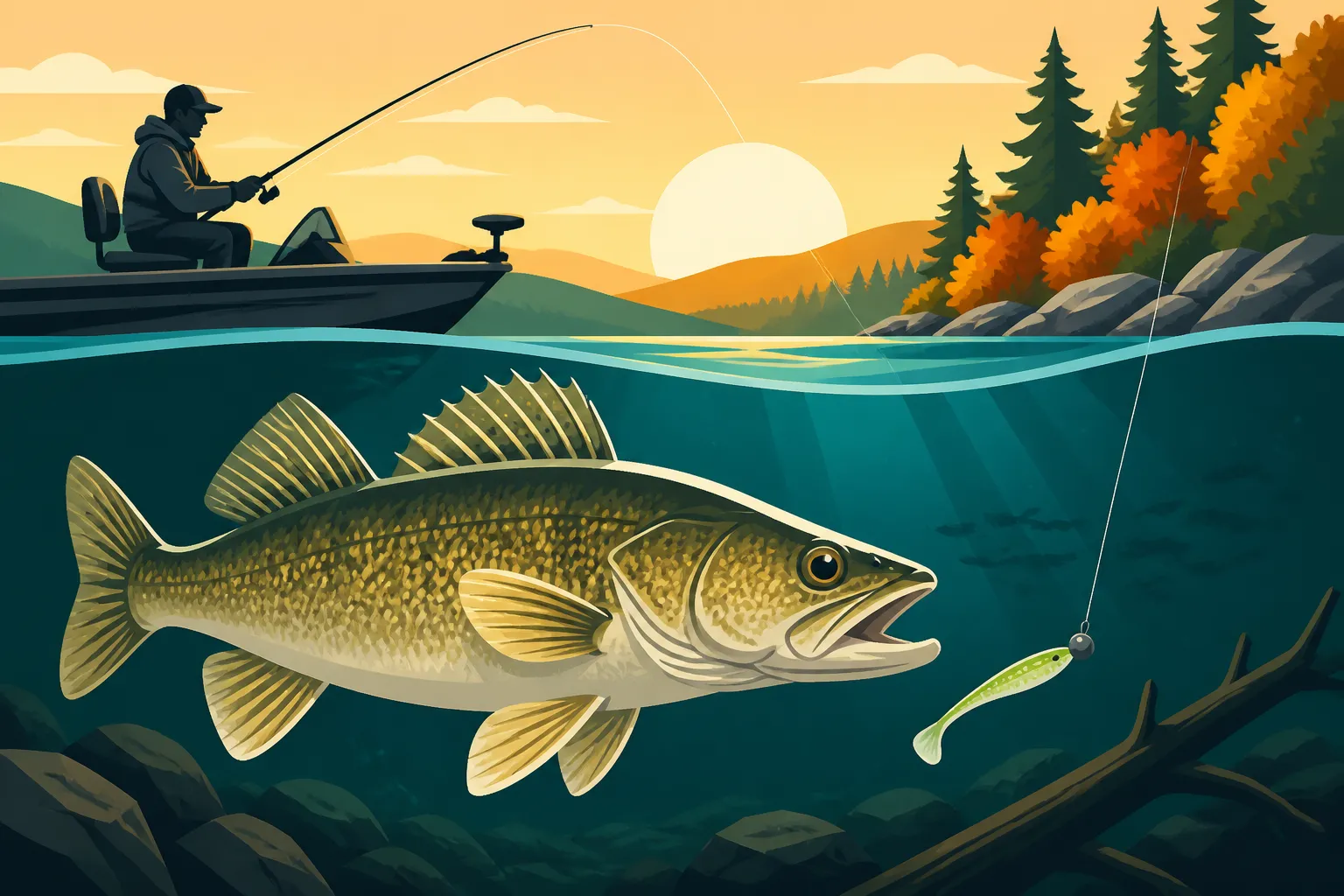
When walleye are concentrated in specific areas, especially around deep structure like submerged rock piles or drop-offs, jigging becomes incredibly effective. This technique involves dropping a weighted lure, often a jig head tipped with a soft plastic grub, a live minnow, or a piece of nightcrawler, directly down to the fish. The action comes from lifting and dropping the rod tip, making the lure "dance" near the bottom.
Vertical jigging requires precision. You'll want to position your boat directly over the structure where you're marking fish. Use your electronics to stay on target. When you drop your jig, let it hit the bottom, then lift it a few inches and let it flutter back down. Most bites will occur on the fall, so watch your line intently for any unnatural movement or slack. Experiment with different jig weights, colors, and retrieve speeds until you find what the walleye prefer on that particular day.
Live Bait Presentations
Sometimes, nothing beats the natural appeal of live bait. Walleye are predators, and a struggling live minnow or a juicy nightcrawler can be irresistible. There are several ways to present live bait effectively at Deep Creek Lake.
A simple yet highly effective method is a slip bobber rig. This allows you to suspend your live minnow or worm at a precise depth above structure. The bobber slips freely on your line, controlled by a bobber stop, letting you cast out and then letting your bait sink to the desired depth. Another great option is a bottom bouncer rig, particularly when drifting or slow-trolling. This rig keeps your bait just off the bottom while preventing snags, and it's excellent for covering ground slowly and methodically. Look for baitfish activity on your sonar; if you see schools of bait, there are likely walleye nearby, and live bait can be a killer choice.
Essential Gear and Baits for Deep Creek Lake Walleye
Having the right tools for the job can significantly impact your success. Walleye fishing at Deep Creek Lake often demands specific rod and reel setups, particular lines, and a selection of proven lures and baits.
Rods, Reels, and Line Choices
For trolling, a medium-heavy rod around 7 to 8 feet in length with a moderate action is ideal. This allows for good shock absorption when a walleye strikes and provides enough backbone to handle diving lures and strong fish. Pair this with a baitcasting reel spooled with 10-15 lb test monofilament or a braided line with a fluorocarbon leader. Monofilament offers some stretch, which can be forgiving, while braid offers sensitivity and strength, with the fluorocarbon leader providing invisibility and abrasion resistance.
For jigging, a sensitive, medium-light to medium-action spinning rod, 6'6" to 7' long, is perfect. The sensitivity helps you detect subtle bites, which walleye are famous for. A quality spinning reel with a smooth drag and spooled with 6-10 lb braided line and a short 8-10 lb fluorocarbon leader is a fantastic combination. The braid's no-stretch quality transmits even the lightest tap, letting you react quickly. You can find many great rod and reel combos for various techniques on Amazon.
Top Lures and Baits for Walleye
When it comes to lures, crankbaits are king for trolling. Brands like Rapala, Berkley, and Bandit offer a range of diving depths and color patterns. Match the hatch – if Deep Creek has a lot of perch, use perch-colored lures. If there are shiners, use silver or gold. Experiment with bright colors on overcast days or in stained water, and natural patterns in clear conditions.
For jigging, soft plastic paddle tails or grubs on a jig head are excellent. Colors like chartreuse, white, and various shades of green often perform well. Blade baits are another fantastic choice for vertical jigging, especially in deeper water. Don't forget spoons for jigging as well; they can imitate dying baitfish effectively. As for live bait, shiner minnows are a perennial favorite, as are nightcrawlers. Sometimes, a simple worm harness, which allows a nightcrawler to spin enticingly, can be just what a finicky walleye needs.
Electronics and Accessories
A reliable fish finder with side imaging and down imaging capabilities is not just a luxury; it's a necessity for serious walleye anglers on Deep Creek Lake. It helps you identify structure, pinpoint baitfish, and mark individual walleye. A good GPS unit, often integrated into the fish finder, will help you mark productive spots and navigate effectively.
Beyond electronics, don't overlook essentials like a long-handled landing net (those walleye have sharp teeth!), a good pair of pliers for removing hooks, and a cooler to keep your catch fresh. A quality headlamp is also crucial for early morning or late evening fishing, when walleye are often most active. All these accessories can be easily sourced from retailers like Amazon.
Seasonal Strategies for Deep Creek Lake Walleye
Walleye fishing is a year-round pursuit at Deep Creek Lake, but your approach will need to shift with the changing seasons. Each season presents unique challenges and opportunities.
Spring Walleye Spawning Runs
As the ice recedes and water temperatures climb into the 40s and low 50s Fahrenheit, walleye in Deep Creek Lake begin their annual spawning migration. They'll move into shallower areas, often gravelly or rocky bottoms in tributary arms or main lake points. This is a prime time to target them, but remember to be respectful of the spawning fish. Many anglers focus on casting crankbaits or suspending stickbaits near these areas, especially at dawn and dusk.
Early spring can also be great for vertical jigging lipless crankbaits or heavy jigs tipped with minnows around shallow points or creek mouths. The fish are often concentrated and aggressively feeding post-spawn. Keep an eye on local regulations, as some areas might have specific rules during the spawning period. For general information on Deep Creek, check out the Deep Creek Lake Fishing Guide.
Summer Deepwater and Low Light Tactics
Once summer truly sets in and surface temperatures rise, walleye typically retreat to deeper, cooler waters, often suspending in the thermocline or hugging deep structure. This is when trolling with crankbaits or spinner rigs with nightcrawlers at specific depths becomes highly effective. Downriggers or lead core line can be indispensable for presenting your lures exactly where the fish are holding.
Another excellent summer tactic, especially during hot, bright days, is to focus on low-light periods. Dusk, night, and dawn are often the best times to find walleye moving shallower to feed. Consider night fishing with stickbaits or jigs around lighted docks or deep weed edges. You might also want to consult Best Time of Day for Walleye at Deep Creek Lake for more precise timing.
Fall Feeding Frenzy
Fall is a fantastic time for walleye fishing at Deep Creek Lake. As water temperatures cool and days shorten, walleye embark on a serious feeding binge to fatten up for winter. They'll often move back into shallower feeding areas, particularly during cloudy days or low light. Trolling crankbaits or casting blade baits around rocky points and main lake humps can be incredibly productive.
Jigging spoons or heavy jigs tipped with live minnows can also shine in fall, especially when fish are concentrated on specific structures. Look for schools of baitfish, as the walleye will be following their primary food source. The fish are often more aggressive now, making for exciting fights.
Winter Ice Fishing Opportunities
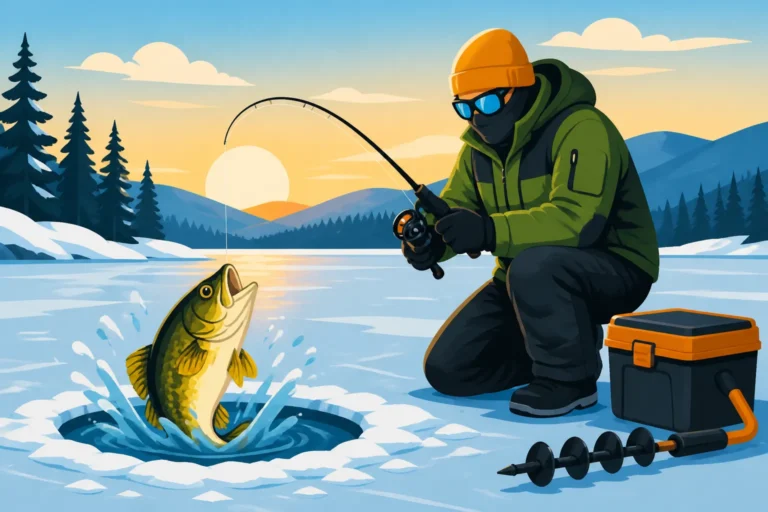
If Deep Creek Lake freezes over sufficiently, ice fishing for walleye can be an exhilarating experience. Walleye will typically hold near the bottom in deep holes or along structure. Small jigging spoons, blade baits, or vertically jigged soft plastics tipped with a minnow head are popular choices. Don't forget a tip-up with a live minnow for a more passive approach.
Staying mobile and drilling multiple holes to locate active fish is key to ice fishing success. A portable fish finder (flasher unit) is almost mandatory to see your bait and any approaching fish. Always prioritize safety on the ice. Understanding general winter conditions, as explored in Ice Fishing at Deep Creek Lake, Maryland, is critical. For specific lure ideas, check out Best Ice Fishing Lures for Maryland Lakes.
Here's a quick reference table for seasonal techniques:
| Season | Preferred Depth | Primary Techniques | Recommended Baits/Lures | Key Considerations |
|---|---|---|---|---|
| Spring | Shallow to Mid-Depth | Casting, Vertical Jigging | Crankbaits, Jigs, Live Minnows | Spawning areas, low light, post-spawn aggression. |
| Summer | Deep Water, Thermocline | Trolling, Night Fishing, Jigging | Deep-diving Crankbaits, Spinner Rigs, Live Minnows | Target cool, dark water; focus on dawn/dusk/night. |
| Fall | Mid-Depth to Shallow | Trolling, Casting, Jigging | Crankbaits, Blade Baits, Live Minnows | Aggressive feeding; follow baitfish movements. |
| Winter | Deep Holes, Bottom | Ice Fishing (Jigging, Tip-ups) | Jigging Spoons, Blade Baits, Live Minnows | Ice safety, portable electronics, stay mobile. |
No matter the season, remember that walleye are often most active during periods of low light, such as dawn, dusk, and overcast days, or even at night. High sun can push them deeper or into heavy cover. Be patient, pay attention to the details, and don't be afraid to experiment with different techniques until you find what works on your next trip to Deep Creek Lake.
Disclaimer
This article is for general informational purposes only and does not constitute professional advice. Laws, prices and regulations vary by location and change over time. Consult a qualified professional for guidance on your specific situation.