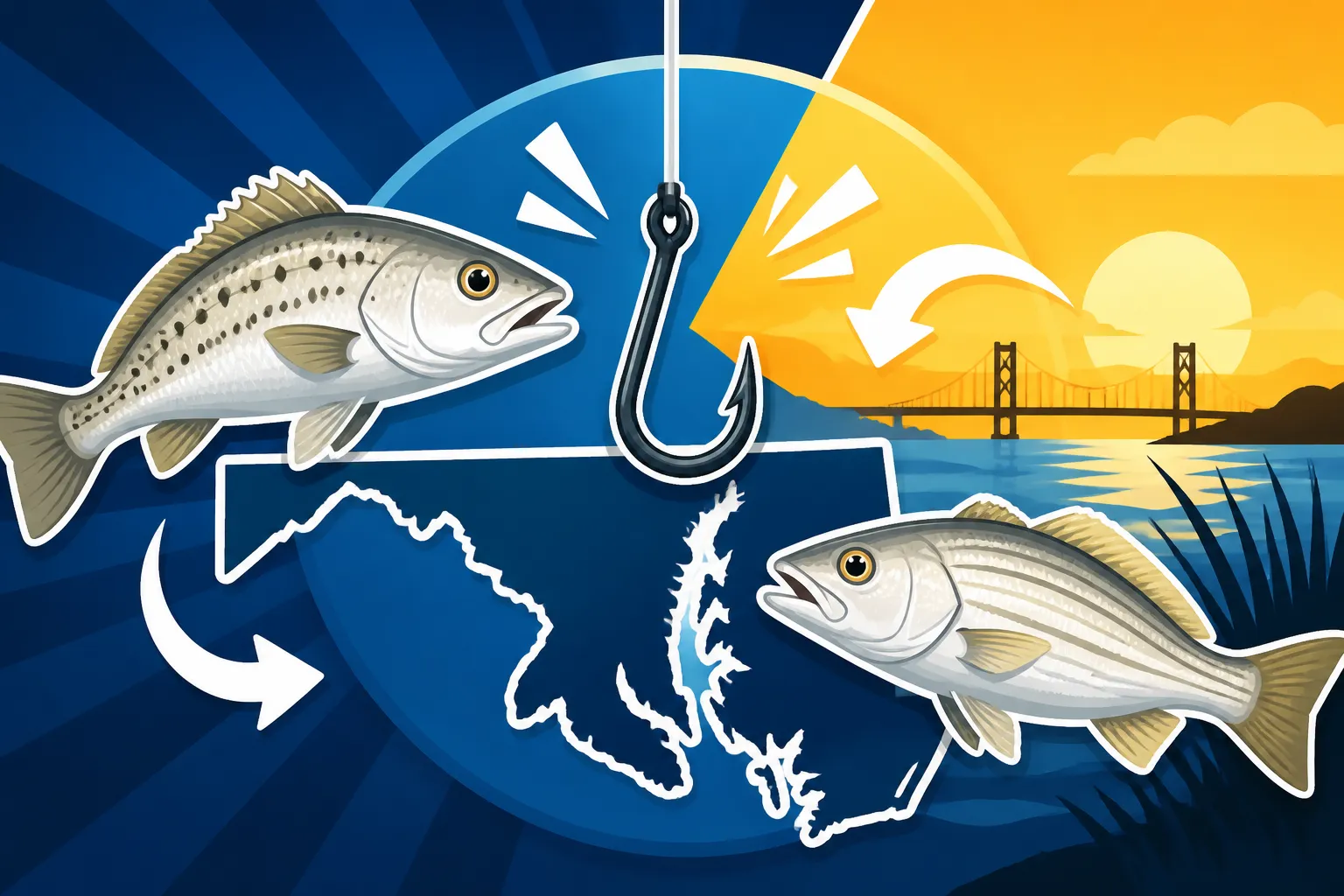
Are Spot and Croaker Good Bait Fish?
Every angler in Maryland has faced that moment of decision: you've got a cooler full of fresh spot or croaker, perhaps from a successful crabbing trip or a day of bottom fishing, and you wonder if they're too good to eat and better used as bait. It's a fantastic question because these abundant local species aren't just delicious on the dinner table; they can also be incredibly effective at attracting bigger, more sought-after game fish. This guide will dive deep into why spot and croaker are such excellent choices for bait, how to best use them, and what makes them a secret weapon for many seasoned Maryland anglers.
Understanding Spot and Croaker as Baitfish in Maryland
There's a reason why so many experienced anglers keep an eye out for healthy spot and croaker – they are a natural, irresistible meal for many larger predators that swim in our waters. Think about it from the perspective of a hungry rockfish or bluefish: a live, struggling spot or a chunky piece of croaker is exactly what they're looking for.
Why Anglers Consider Them for Bait
The primary reason spot and croaker make such appealing bait is their prevalence in Maryland's waters, especially the Chesapeake Bay. They are a significant part of the natural forage base for many game fish, meaning they are already on the menu. If you're on the Bay, and you see schools of these smaller fish, you can bet that the larger fish are not far behind. Imagine you're out fishing the channel edges of the Patuxent River, and you're consistently catching spot on your bottom rig. Instead of tossing them back, or even saving them all for dinner, using a few as live bait can quickly turn a slow day into an exciting one, especially if a trophy striped bass is cruising nearby looking for an easy meal. This natural availability and their inherent role in the food web make them a top-tier choice for bait.
Key Characteristics of Spot as Bait
Spot, often recognized by the distinctive spot behind their gill plate, are fantastic baitfish due to several key characteristics. First, their size is often perfect for live-lining, usually ranging from a few inches up to about eight inches, which is precisely the snack size a big striped bass or bluefish is looking for. Second, they are surprisingly hardy, especially if handled with care. With a good livewell or a decent bait bucket on Amazon, you can keep them lively for extended periods, which is crucial for presenting active, appealing bait. Finally, spot have a high oil content. When used as cut bait, this oily flesh releases a potent scent trail that can draw in predatory fish from a considerable distance, making them highly effective whether alive or in pieces. This combination of size, hardiness, and natural scent makes them a premium bait for many scenarios.
Key Characteristics of Croaker as Bait
While sharing some similarities with spot, croaker bring their own unique advantages to the bait game. Croaker tend to grow larger than spot, often reaching sizes that might be a bit big for smaller live-lining applications but are absolutely perfect for targeting truly large predators or using as substantial cut bait. A 10-12 inch croaker cut into chunks is a serious offering for a big blue catfish in the Potomac River or a bull red drum on the coast. Their pronounced croaking sound can also attract attention underwater, adding another layer of appeal, though this is less of a factor when considering them as cut bait. Croaker are also very lively on the hook when live-lined, creating vibrations and movement that mimic a struggling fish, which can trigger aggressive strikes. When considering What's the Difference Between Spot and Croaker?, their larger size and more robust nature often make them the preferred choice for bigger baits.
Best Ways to Use Spot and Croaker as Bait
Whether you're looking for a thrilling live-line bite or a steady bottom-fishing session, spot and croaker offer versatile options for bait presentation. Their effectiveness really shines when you understand how to rig and deploy them strategically.
Live-Lining Techniques
Live-lining is arguably the most exciting way to use spot and croaker, especially when targeting top predators like striped bass (often called rockfish here in Maryland) and aggressive bluefish. The idea is simple: present a live, uninjured baitfish that appears natural and vulnerable. For spot, a common technique involves hooking them through the nose or just behind the dorsal fin. A 6/0 to 8/0 circle hook is typically ideal, chosen for its effectiveness in hooking fish in the jaw and minimizing gut hooks, which is important for conservation, especially if you catch a striped bass outside the legal slot limit.
When live-lining, you'll often fish near structure such as bridge pilings (like those under the Chesapeake Bay Bridge), channel edges, or prominent drop-offs where predatory fish ambush their prey. Let the spot swim naturally, allowing the current to carry it, or lightly twitch your rod tip to give it some extra movement. This method is particularly effective during the warmer months when striped bass are actively feeding on baitfish. You can learn more about this specific technique in Live-Lining Spot for Maryland's Chesapeake Bay Rockfish. Remember, patience is key, but a lively spot wiggling away often doesn't need much help to attract a strike.
Cut Bait and Chunking
While live bait is fantastic, sometimes cut bait is the answer, especially for bottom feeders or when you want to create a strong scent trail. Both spot and croaker make excellent cut bait due to their oily flesh and firm texture.
For cut bait, you can either "chunk" them by cutting the fish into large, manageably sized pieces (e.g., a croaker cut into three or four chunks), or you can fillet them and then cut the fillets into strips. The head and tail sections, often overlooked, can also be incredibly effective, particularly for large catfish. When targeting species like blue catfish in the lower Potomac River or larger striped bass holding deep, chunking provides a substantial, scent-heavy offering. Many anglers will rig these chunks on a bottom rig with a weight heavy enough to hold against the current, letting the scent disperse and attract fish. This method is often detailed in guides about Chumming and Chunking for Maryland's Chesapeake Bay Striped Bass. The strong smell of fresh cut spot or croaker is a powerful attractant, often outperforming artificial baits when fish are focused on a natural meal.
Other Creative Uses and Considerations
Beyond live-lining and chunking, there are other ways to maximize your use of spot and croaker as bait. Freezing fresh spot or croaker for later use as cut bait is a common practice, ensuring you always have some on hand. While fresh is almost always best, frozen bait can still be very effective, especially for species that rely heavily on scent, like the plentiful Maryland Blue Catfish, an Invasive Giant. Some anglers even grind up spot or croaker to use as a potent chum, especially when trying to draw in fish to a specific area.
Keeping your live bait healthy is paramount. A good aerator for your livewell or bait bucket, along with regular water changes, will keep your spot and croaker frisky. Avoid overcrowding, and consider using a livewell treatment to reduce stress on the fish. For those venturing out, a quality bait net from a reputable brand found on Amazon can make scooping and transferring bait much easier and less stressful for the fish, ensuring they remain lively presenters.
Pros and Cons of Using Spot and Croaker as Bait
Like any bait choice, using spot and croaker comes with its own set of advantages and challenges. Understanding these can help you decide when they are the optimal choice for your Maryland fishing adventures.
The Advantages: Why They're So Effective
The benefits of using spot and croaker as bait are substantial, making them a favorite for many seasoned Maryland anglers.
- Natural Food Source: This is perhaps the biggest advantage. Striped bass, bluefish, red drum, and various catfish species all routinely prey on spot and croaker. Presenting a bait that perfectly mimics their natural diet drastically increases your chances of a strike.
- High Oil Content: Both species, particularly spot, are quite oily. This means they release a strong, attractive scent trail in the water, which is a powerful draw for predatory fish, especially when used as cut bait.
- Abundance and Availability: Spot and croaker are incredibly common in the Chesapeake Bay and its tributaries during much of the warmer season. This means you can often catch your own fresh bait right on the spot, saving you money and ensuring peak freshness. You can find tips for catching them in Techniques for Bottom Fishing Spot and Croaker.
- Versatility: They can be used whole and alive for live-lining, cut into chunks for bottom fishing, or even ground for chum. This adaptability means they can be effective in a wide range of fishing situations and for numerous target species.
- Hardiness: Spot, in particular, are relatively hardy baitfish, able to withstand being hooked and kept in a livewell for a good amount of time, providing active and enticing presentations.
To illustrate these points, let's look at a quick comparison:
| Feature | Spot as Bait | Croaker as Bait |
|---|---|---|
| Size | Small to medium (3-8 inches) | Medium to large (5-15+ inches) |
| Hardiness | Excellent, stays lively | Good, can be very energetic |
| Scent (Cut) | High oil content, strong attractant | Good oil content, strong attractant |
| Best Used For | Live-lining, smaller chunks | Larger live bait, substantial chunks for bigger fish |
| Target Species | Striped Bass, Bluefish, Flounder | Larger Striped Bass, Bluefish, Catfish, Red Drum Along Maryland's Coast |
| Availability | Very abundant, easier to catch in numbers | Abundant, but larger ones might be less frequent |
The Disadvantages and Challenges
Despite their many benefits, using spot and croaker as bait does present a few challenges that anglers should be aware of.
- Effort to Acquire: While abundant, you still have to catch them first! This means dedicating time to bait fishing before you even start targeting your main species. You might need specific light tackle and small hooks to efficiently catch enough bait. Understanding Best Bait for Spot and Croaker in Maryland can certainly help with this.
- Keeping Them Alive: Maintaining a healthy supply of live bait requires a proper livewell setup, good aeration, and attention to water quality and temperature. This can be challenging on a hot summer day, and dead bait is far less effective for live-lining.
- Size Limitations: While generally a positive, sometimes the spot you catch might be too small for the target species, or the croaker might be too large for a particular presentation. Matching bait size to target species and conditions is crucial.
- Regulations and Conservation: While spot and croaker are generally not under strict regulations in Maryland compared to, say, striped bass, it's still important to be mindful of catch limits for baitfish if they exist, and always prioritize ethical fishing practices. Check the most current Maryland Fishing Size and Catch Limits by Species to be sure.
These considerations aren't deterrents, but rather aspects to plan for. A well-prepared angler who understands these nuances will find spot and croaker to be invaluable assets.
When and Where to Use Spot and Croaker Most Effectively
Timing and location are everything when it comes to fishing, and that holds true for using spot and croaker as bait. Knowing when these baitfish are most abundant and where your target species will be feeding on them can significantly improve your success.
Seasonal Considerations
Spot and croaker are primarily warm-water species in Maryland. They typically move into the Chesapeake Bay and its tributaries during late spring, become abundant throughout the summer, and remain present into the early fall before migrating to deeper, warmer offshore waters for the winter.
- Spring: As water temperatures rise, usually in May and June, spot and croaker begin to arrive in numbers. This is a fantastic time to start catching them for bait, coinciding with active feeding periods for striped bass after their spawning run. You might find them in the shallower, warmer waters of the tidal rivers.
- Summer: July and August are prime time for both species. They are plentiful throughout the Bay and its rivers, making them readily available for bait. This period is excellent for live-lining for striped bass and bluefish along channel edges and near structure. However, remember that the main stem of the Chesapeake Bay often has restrictions on striped bass fishing in August, so be sure to check current regulations before heading out.
- Fall: September and October can also be productive. As water temperatures start to drop, spot and croaker will begin to consolidate before their migration. This can create opportunities for fantastic live-lining action as striped bass gorge themselves in preparation for their own migration. This aligns well with Best Time of Year to Fish in Maryland for many species.
Using them outside of these seasons becomes difficult because the baitfish themselves are not present in sufficient numbers.
Target Species and Locations
The beauty of spot and croaker as bait is their appeal to a wide array of predatory fish across various Maryland waters.
- Striped Bass (Rockfish): This is the ultimate target for live-lining spot and smaller croaker. Focus on areas where striped bass are known to congregate, such as channel edges, submerged humps, oyster reefs, and bridge pilings (like the Bay Bridge or the Route 50 bridge near Ocean City). Popular fishing grounds in the Bay, such as those covered in Fishing Maryland's Chesapeake Bay, A Complete Guide, are prime locations.
- Bluefish: Aggressive and always hungry, bluefish are highly susceptible to live spot and croaker. They often school with striped bass, so if you're targeting rockfish, be prepared for bluefish as well. They'll also readily hit cut bait.
- Catfish (especially Blue Catfish): For the invasive and ever-present blue catfish in rivers like the Potomac and Susquehanna, cut croaker and spot are absolute magnets. These scent-driven feeders will travel a good distance for a juicy piece of fresh cut bait. If you're Fishing the Potomac River in Maryland for blue catfish, having a cooler full of fresh croaker chunks is a winning strategy.
- Flounder: While not always the primary target, flounder will occasionally hit small live spot or strips of cut spot and croaker presented on the bottom. Drifting with small live spot in the deeper channels of the coastal bays near Ocean City can be effective.
- Red Drum: Along Maryland's Atlantic coast and in the lower Chesapeake Bay, larger red drum are known to key in on smaller baitfish and crustaceans. A generous chunk of croaker or a whole, small croaker on a surf rig can be irresistible to these powerful fish. Read up on Red Drum Along Maryland's Coast for more details on where to find them.
Ethical Considerations and Maryland Regulations
While using natural bait is a time-honored tradition, it's vital to do so responsibly and within the bounds of Maryland's fishing regulations.
First, always be aware of the daily creel limits and possession limits for spot and croaker if they are in effect. While often quite generous, it's good practice to only take what you need for bait and consumption. You can usually find these details in the Maryland DNR Fishing and Boating Guide, Explained or online.
Second, practice careful handling of any live bait. Minimize stress to keep them lively and increase their effectiveness. If you're catching bait in an area with a lot of juvenile game fish, consider moving to a different spot to avoid incidental bycatch of protected species.
Finally, consider the environmental impact. While spot and croaker are abundant, a mindful approach to bait collection helps maintain healthy ecosystems. Avoid waste, and properly dispose of any unused bait, never dumping it into waters where it might introduce diseases or non-native species. By understanding and respecting these guidelines, you ensure that the fishing opportunities in Maryland remain vibrant for years to come.
Disclaimer
This article is for general informational purposes only and does not constitute professional advice. Laws, prices and regulations vary by location and change over time. Consult a qualified professional for guidance on your specific situation.