Night Fishing for Catfish on the Potomac River
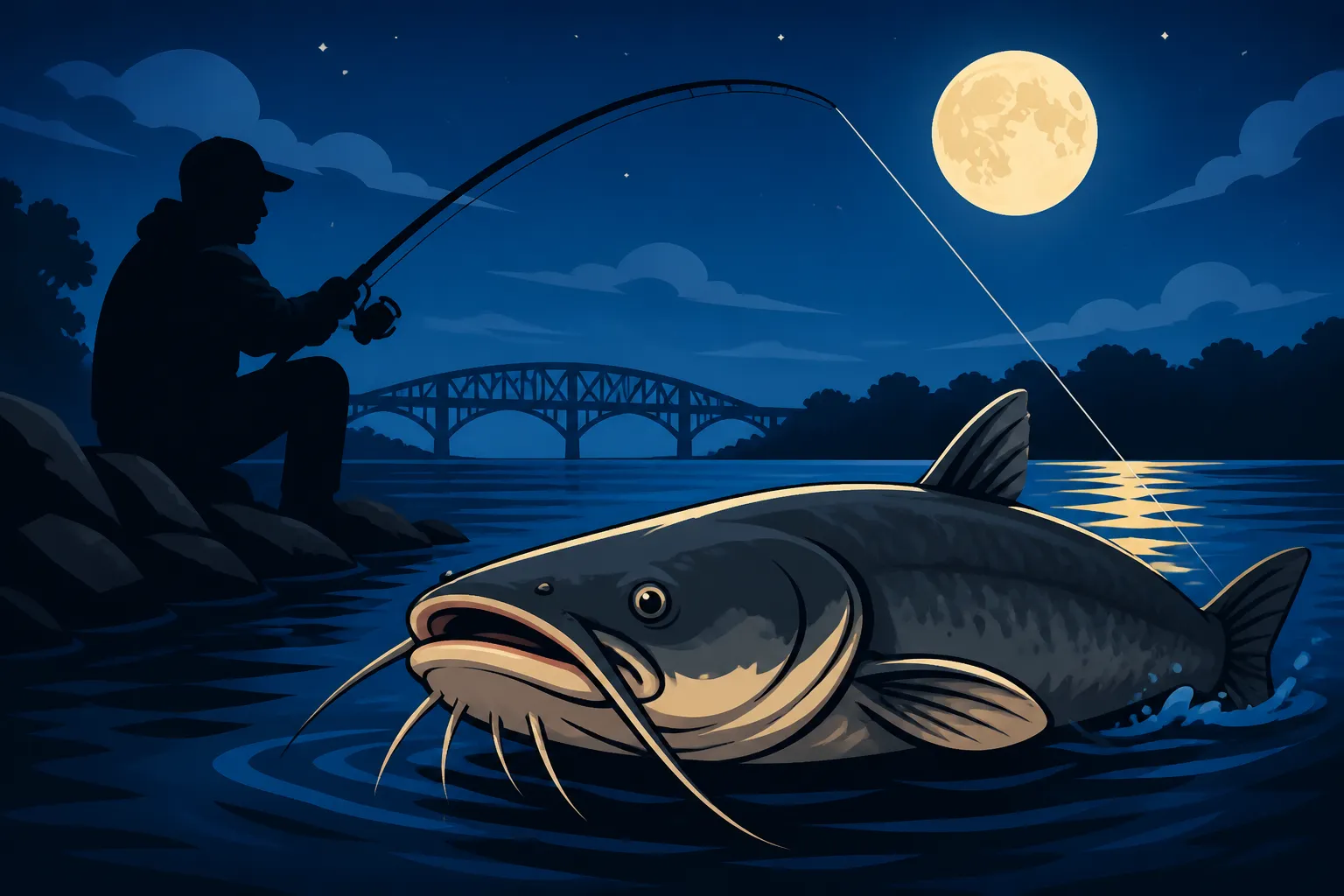
There's nothing quite like the peace and quiet of the Potomac River after the sun dips below the tree line, but if you've ever battled the heat, the glare, and the elbow-to-elbow crowds during the day, you know that finding a truly serene fishing experience can be tough. What many anglers don't realize is that some of the best fishing action, especially for powerful catfish, often kicks off just as most people are heading home. This guide will walk you through everything you need to know about night fishing for catfish on the Potomac River, from why it's so effective to the gear and techniques that will make your nocturnal adventure a success.
Why Night Fishing for Catfish on the Potomac is a Game-Changer
Forget the scorching sun and the endless boat traffic of a busy Saturday afternoon. Night fishing on the Potomac offers a completely different, often superior, experience, especially when you're after those hard-fighting catfish. It’s a chance to connect with the river in a way you simply can't during daylight hours, and the rewards can be incredible.
Escaping the Heat and Crowds
Let's be real: summer days on the Potomac can be brutal. The sun beats down, humidity hangs heavy, and popular ramps and fishing spots are packed. It can feel less like a peaceful escape and more like a crowded amusement park. Night fishing sidesteps all of this. As dusk settles, the air cools, the noise dies down, and a palpable tranquility descends upon the river. You're left with vast stretches of water to yourself, or at least with far fewer fellow anglers competing for prime spots. This isn't just about comfort; it's about focus. With fewer distractions, you can really tune into the subtle nuances of the bite and the rhythm of the river, making for a much more enjoyable and often more productive outing.
Beyond the physical comfort, the psychological benefit of fishing in solitude is immense. You can truly unwind, listen to the sounds of nature, and just exist in the moment. No more dodging jetskis or having to shout over boat engines. Just you, your line, and the hopeful anticipation of a tug from below. It's a primal, almost meditative experience that daytime fishing often struggles to provide.
Catfish Behavior After Dark
Here's the secret sauce: catfish are primarily nocturnal hunters. While you can certainly catch them during the day, their activity levels surge dramatically once the sun sets. This is especially true for the aggressive blue catfish, which are abundant in the Potomac River. Under the cover of darkness, these fish feel bolder, venturing out from deeper, darker holes and structures to actively forage for food in shallower areas they might avoid during daylight. Their keen sense of smell, aided by their prominent whiskers, becomes a huge advantage in low-light conditions, allowing them to track down baits that might go unnoticed by sight-feeding predators.
Think of it this way: during the day, catfish are often hunkered down, conserving energy or hiding from predators and bright light. But at night, they switch to hunting mode, cruising along drop-offs, channel edges, and even shallow flats, looking for an easy meal. This change in behavior means they're more likely to encounter your bait and, crucially, more likely to strike aggressively. It's like flipping a switch – the river comes alive with catfish activity, offering you a prime window of opportunity.
Targeting Trophy Cats
If your goal is to land a truly massive blue catfish, then night fishing is almost non-negotiable. The largest catfish are often the wariest, and the cover of night provides them with the confidence to feed more freely. They're less shy about moving into areas where they might snatch up larger prey, and their competitive feeding instincts can be in full swing. Many of the impressive Blue Catfish Size Records in Maryland Rivers have been caught by anglers who specifically target these giants after dark. It's not uncommon to hear tales of seasoned Potomac River anglers who swear by nocturnal expeditions for their biggest catches.
These trophy-sized fish often hold in deeper, more secluded areas during the day, only venturing out to shallower feeding grounds under the cloak of night. By being on the water when these behemoths are most active, you dramatically increase your odds of a memorable encounter. It takes patience and the right setup, but the potential for a truly exceptional catch is a huge draw for dedicated night anglers.
Essential Gear for Your Nocturnal Catfish Adventure
When you're heading out after dark, you can't just grab your standard daytime tackle and hope for the best. Night fishing, especially for the powerful catfish lurking in the Potomac, requires some specific considerations for your gear, not just for catching fish, but for comfort and safety as well. A little preparation goes a long way to ensure a productive and enjoyable outing.
Rods, Reels, and Line for Big Fish
For serious Potomac River catfishing, you're going to want heavy-duty gear. These aren't your grandpa's panfish. Blue catfish, in particular, can grow to incredible sizes and put up a tremendous fight, especially in the strong currents of the Potomac. Look for medium-heavy to heavy action rods, typically 7 to 9 feet long, which provide the backbone needed to cast heavy sinkers and pull powerful fish away from snags. Paired with these rods should be baitcasting or large spinning reels capable of holding a substantial amount of heavy monofilament or braided line. Many anglers prefer 20-40 pound test monofilament or 50-80 pound braided line for their main line, often with a 50-100 pound fluorocarbon leader for abrasion resistance against sharp teeth and underwater structure.
The strength of your line is paramount, as you'll often be fishing near submerged logs, rocky bottom, or bridge pilings where a powerful fish can easily break off on lighter tackle. When battling a large catfish, you need the confidence that your gear can withstand the brute force they exert. Don't skimp on quality here; a cheap reel can seize up, and a weak rod can snap when that fish of a lifetime hits your bait. For some solid advice on what to use, check out our guide on How to Catch Blue Catfish in the Potomac River.
The Importance of Lighting
Fishing in the dark requires proper illumination, not just for safety but for practicality. A good quality headlamp is absolutely essential. Look for models that offer multiple settings, including a red light option. Red light preserves your night vision better than white light and is less likely to spook fish. Beyond a headlamp, a lantern for your fishing area, whether on shore or in a boat, can be incredibly helpful for baiting hooks, tying knots, and just generally seeing what you're doing. If you're fishing from a boat, ensure your navigation lights are fully functional and properly displayed. It's not just a suggestion; it's a legal requirement and crucial for avoiding collisions with other vessels.
Having reliable light sources can't be overstated. You'll be dealing with sharp hooks, potentially slippery fish, and unfamiliar surroundings. A strong, dependable light source is your best friend. Many anglers find great options for hands-free lighting and area lanterns on platforms like Amazon, offering a wide range of brightness levels and battery life. Don't forget spare batteries or a portable power bank, as cold nights can drain batteries faster. If you want more details on what lighting to use, check out our article on the Best Lantern and Light Setup for Night Fishing in Maryland.
Bait That Calls Them In
Catfish, particularly blue catfish, rely heavily on their sense of smell. This means that smelly, natural baits are often the most effective after dark. Fresh cut bait is king on the Potomac River. Popular choices include fresh gizzard shad, herring, white perch, or even bluegill, cut into chunks or strips. The fresher, the better, as the oils and scent will disperse more effectively in the water, creating an irresistible scent trail for hungry catfish. Chicken livers are another classic catfish bait, though they can be messy and tend to come off the hook easily if not rigged carefully. Some anglers also have success with prepared stink baits, especially on slower nights, but natural cut bait usually outperforms them.
Think about what a catfish naturally eats, and you'll be on the right track. Fish that are native to the Potomac, or that they encounter regularly, are excellent choices. While you might be tempted by highly processed baits, the natural oils and blood from fresh-cut fish are often what triggers their feeding response at night. Always bring more bait than you think you'll need; sometimes you'll go through it quickly, and other times it's better to refresh your offering frequently to keep that scent trail strong. Our guide on the Best Bait for Blue Catfish in Maryland Rivers goes into even more detail about what baits work best.
Here's a quick comparison of popular catfish baits:
| Bait Type | Pros | Cons | Best For |
|---|---|---|---|
| Fresh Cut Bait | Strong natural scent, highly effective, durable on hook | Can be messy, requires catching or buying fresh bait | All sizes of catfish, especially larger ones |
| Chicken Livers | Very strong scent, readily available | Extremely messy, easily falls off hook | Smaller to medium catfish |
| Prepared Stinkbait | Easy to use, long shelf life, very smelly | Less natural, can be less effective on larger, wary fish | Smaller to medium catfish, slow nights |
| Worms | Readily available, easy to use, attracts many species | Smaller profile, less potent scent for big cats | Smaller catfish, mixed bag |
Prime Potomac River Spots for Night Catfishing
The Potomac River is vast and diverse, offering countless potential fishing spots. However, not all spots are created equal, especially when targeting catfish after dark. Knowing where to focus your efforts can drastically improve your chances of success. Catfish are ambush predators that love structure and current, and understanding these preferences will guide you to the best nighttime locations.
Deeper Channels and Drop-Offs
During the day, catfish often retreat to the cooler, darker depths of the main river channels and significant drop-offs. At night, while they might venture shallower to feed, these deeper areas still serve as their primary homes and highways. Focusing your efforts along the edges of these channels, particularly where there's a distinct drop-off into deeper water, can be incredibly productive. These are natural congregation points for baitfish, which in turn attract hungry catfish. Look for areas where the river bottom transitions from a flat, shallow shelf to a sudden, steep decline. Using a fish finder, if you have access to one, can help pinpoint these contours accurately.
Imagine these channel edges as underwater highways where catfish commute between their resting spots and their feeding grounds. Placing your bait directly on the edge or just down the slope gives them an easy target as they pass by. Current is also key here; catfish often position themselves just out of the strongest current, allowing food to wash to them with minimal effort. Our article on Fishing the Potomac River in Maryland provides more insights into the river's overall structure.
Tributary Mouths and Confluence Areas
Where smaller creeks and rivers flow into the main stem of the Potomac, you often find a convergence of food sources, currents, and different water conditions. These tributary mouths are natural funnels for baitfish, which are pushed out into the main river or held in eddies created by the converging currents. Catfish are keenly aware of these "buffet" zones and will stage themselves nearby, particularly at night, to capitalize on the abundance of food. The slight temperature or clarity differences from the tributary water can also act as attractants.
Focus on the seams where the tributary water meets the main river's flow. These areas often create current breaks and eddies where baitfish gather, and where catfish can lie in wait. Casting your bait upstream and allowing it to drift naturally into these seams can be a highly effective technique. This is where you might find a mix of species, but catfish are almost guaranteed to be present and actively feeding under the cover of darkness. The Best Spots to Catch Blue Catfish on the Potomac often include these types of confluence zones.
Structure, Structure, Structure
Catfish love structure. Any underwater object that provides cover, current breaks, or ambush points is a magnet for them. On the Potomac, this includes bridge pilings, fallen trees, logjams, dock pilings, and even artificial reefs or rubble piles. These structures break the current, allowing catfish to conserve energy while waiting for prey, and they also provide hiding spots. At night, catfish will often position themselves tight to these structures, making them prime targets.
When fishing around structure, be prepared for snags. Use heavier line and leaders, and don't be afraid to break off if necessary rather than risking your rod or reel. Position your bait close enough to the structure to attract attention, but far enough away that you can safely fight a fish without immediately getting wrapped up. Fishing around bridge pilings, for instance, can be incredibly productive, as baitfish are often attracted to the lights on bridges, and the current around the pilings creates ideal ambush points for catfish. Just remember to always prioritize safety, especially when navigating around these structures at night.
Techniques and Safety for a Successful Night Trip
Night fishing for catfish on the Potomac isn't just about showing up with the right gear; it's about employing effective techniques and, perhaps most importantly, ensuring your safety in the dark. The river environment changes dramatically once the sun goes down, and being prepared for these changes is key to a successful and incident-free outing.
Setting Up Your Spread
For night fishing, especially when targeting larger catfish, a multi-rod setup is often the most effective approach. This allows you to cover more water, present different baits, and fish at varying depths or distances from the shore or boat. Many anglers will set up three to four heavy-duty rods, casting them out in a fan pattern. Use sturdy rod holders, either bank spikes for shore fishing or rail-mounted holders for boat fishing, to keep your rods secure. For bite indication, glow sticks attached to rod tips or electronic bite alarms are indispensable. These signals are crucial when you can't rely on visual cues alone.
When deploying your baits, consider the current. Use enough weight (pyramid, no-roll, or flat sinkers work well) to hold your bait firmly on the bottom, preventing it from washing downstream too quickly. However, don't over-weight it to the point where it becomes static and unnatural. Some drift is often desirable, as it allows the scent of your bait to spread. Try different distances from shore and depths until you find where the fish are holding. Patience is a virtue in night catfishing; sometimes it takes a while for the fish to find your offerings.
Playing the Current
The Potomac River has a consistent current, which is a major factor in how you approach night catfishing. Catfish, like many river dwellers, use the current to their advantage, often facing upstream, waiting for food to be swept to them. This means you should typically cast your bait upstream of where you expect the fish to be, allowing it to settle and release its scent as it drifts naturally downstream towards their likely holding areas. Understanding how currents interact with structures like bridge pilings, submerged logs, or channel edges is crucial. Look for eddy lines or slower seams where fish can rest out of the main flow while still having access to passing food.
If you're fishing from an anchored boat, position yourself so your baits can be presented effectively in relation to the current and any nearby structure. A good strategy is to anchor upstream of a promising spot and let your baits drift back into the strike zone. If you're drifting, pay close attention to your speed and how your bait is moving along the bottom. The idea is to present your bait as naturally as possible, mimicking a piece of food that has been dislodged and is floating downstream. The Best Time of Year to Catch Blue Catfish in Maryland often coincides with periods of moderate current.
Crucial Night Fishing Safety Tips
Safety is paramount when fishing after dark. The familiar daytime landscape becomes a maze of shadows and potential hazards. Always let someone know where you are going and when you expect to return. Bring extra layers of clothing, even on warm days, as temperatures can drop significantly at night. A well-stocked first-aid kit, insect repellent, and plenty of water are also essential. If you're fishing from a boat, absolutely make sure all your navigation lights are working, you have a sound-producing device, and everyone on board is wearing a U.S. Coast Guard-approved Personal Flotation Device (PFD). A marine radio or fully charged cell phone is a must for emergencies.
Navigating on the Potomac at night can be treacherous due to unlit hazards, shifting sandbars, and other boat traffic. Proceed slowly and cautiously, using a GPS or chart plotter if available, and keep a sharp lookout. Never consume alcohol or other impairing substances while operating a boat at night. For additional safety advice, particularly for those on the water, consider reviewing guides like Kayak Fishing Safety Tips for Maryland's Chesapeake Bay, as many of the principles apply to any nocturnal boating activity. Always err on the side of caution; a fish is never worth risking your life.
Legal Considerations for Potomac River Catfishing
While the thrill of the catch is exciting, it's vital to remember that fishing on the Potomac River, especially the main stem, involves unique regulatory challenges due to its shared nature between Maryland and Virginia, and its proximity to Washington D.C. Always stay informed about the latest rules and regulations.
Maryland Fishing License Requirements
First and foremost, you will need a valid fishing license. For most of the mainstem Potomac, you'll generally need a Chesapeake Bay and Coastal Sport Fishing License, or a Nontidal Fishing License if you're targeting specific nontidal sections upstream, though the tidal portion is usually where the big catfish roam. Maryland residents have specific options, but non-residents also have choices. It's always best to have the proper documentation to avoid any issues. Our comprehensive Maryland Fishing License Guide for 2026 covers all the general requirements.
It's also worth noting that the Potomac River Fisheries Commission (PRFC) manages the mainstem of the tidal Potomac River and its tributaries. Their regulations can sometimes differ or supersede those of Maryland or Virginia individually. Therefore, while a Maryland license covers you, understanding the specific PRFC rules is also important. This is especially true for species like blue catfish, where rules might be more lenient due to their invasive status.
Potomac River Specific Rules
The Potomac River has some unique rules due to its shared governance. For the mainstem tidal Potomac, a valid fishing license from either Maryland or Virginia is typically sufficient. However, if you plan to venture into any tributaries, you generally need the license for the state the tributary is in. For example, if you fish a Maryland tributary of the Potomac, you need a Maryland license. This can sometimes lead to confusion, so it's always better to be clear on where you're fishing. A common question among anglers is, Do You Need Both a Maryland and DC License to Fish the Potomac? The answer often depends on the specific stretch of water.
Regarding catfish specifically, the blue catfish is an invasive species in the Potomac, and regulations often encourage their harvest rather than limiting it. There's generally Maryland Blue Catfish Limit, or Lack of One in terms of possession, meaning you can often keep as many as you catch. However, specific rules about Maryland Rules on Transporting Live Blue Catfish are in place to prevent their spread to other water bodies. Always check the current regulations published by the Maryland Department of Natural Resources (DNR) and the Potomac River Fisheries Commission before your trip, as rules can change. This ensures you're fishing legally and contributing to the conservation efforts for native species.
Disclaimer
This article is for general informational purposes only and does not constitute professional advice. Laws, prices and regulations vary by location and change over time. Consult a qualified professional for guidance on your specific situation.