Maryland Rules on Transporting Live Blue Catfish
Catching a blue catfish in Maryland can be an exciting experience, but the confusion often starts when you wonder how to get your impressive catch home without breaking any rules. Many anglers face frustration trying to balance the thrill of the catch with the responsibility of handling an invasive species. This guide will clarify Maryland's specific regulations regarding the transport of live blue catfish, helping you navigate the rules with confidence.
The Alarming Spread of Blue Catfish in Maryland
The blue catfish, a non-native species, has become a dominant force in many of Maryland's waterways, particularly in the Chesapeake Bay's tributaries. What started as an introduction for recreational fishing in the 1970s and 80s has blossomed into a full-blown ecological challenge. These fish are incredibly adaptable and reproduce rapidly, outcompeting native species for food and habitat. Their presence is a serious concern for the delicate balance of the Bay's ecosystem.
Why Blue Catfish Are a Major Concern for Maryland's Ecosystems
Blue catfish are voracious predators with an insatiable appetite. They consume vast quantities of native fish like white perch, yellow perch, and even juvenile striped bass, along with shellfish like blue crabs, which are critical to the Bay's economy and food web. Imagine a massive, hungry vacuum cleaner moving through the river, hoovering up everything in its path. That's essentially what a large population of blue catfish does. Their impressive size and rapid growth rate mean they quickly become the apex predators in many areas, disrupting long-established ecological relationships.
Anglers often report catching large numbers of blue catfish in areas previously known for abundant native species, such as sections of the Potomac River, the Nanticoke River, and even the Choptank River. Their broad diet allows them to thrive in various conditions, from freshwater rivers to the brackish waters of the Chesapeake Bay itself. This adaptability makes them particularly difficult to control and emphasizes why stringent regulations are necessary to mitigate their impact.
Maryland's Proactive Stance Against Invasive Species
Maryland's Department of Natural Resources (DNR) has taken a very clear and firm stance on invasive species like the blue catfish and the northern snakehead. The goal is to prevent their further spread and, where possible, reduce existing populations to protect native wildlife. This isn't about being mean to a fish; it's about safeguarding the health and future of Maryland's aquatic environments. The regulations are designed to empower anglers to be part of the solution rather than inadvertently contributing to the problem.
For example, when you read up on Maryland Invasive Fish Rules: Blue Catfish and Snakehead, you'll see a consistent message: these species pose a significant threat. The state actively encourages harvest and consumption of blue catfish because it's one of the most effective ways to manage their numbers. This proactive approach includes educational campaigns, liberal fishing regulations (like no size or creel limits), and, importantly, strict rules about their live transport. Every angler plays a crucial role in adhering to these guidelines to support the broader conservation efforts.
The Hard Truth: Transporting Live Blue Catfish is Illegal
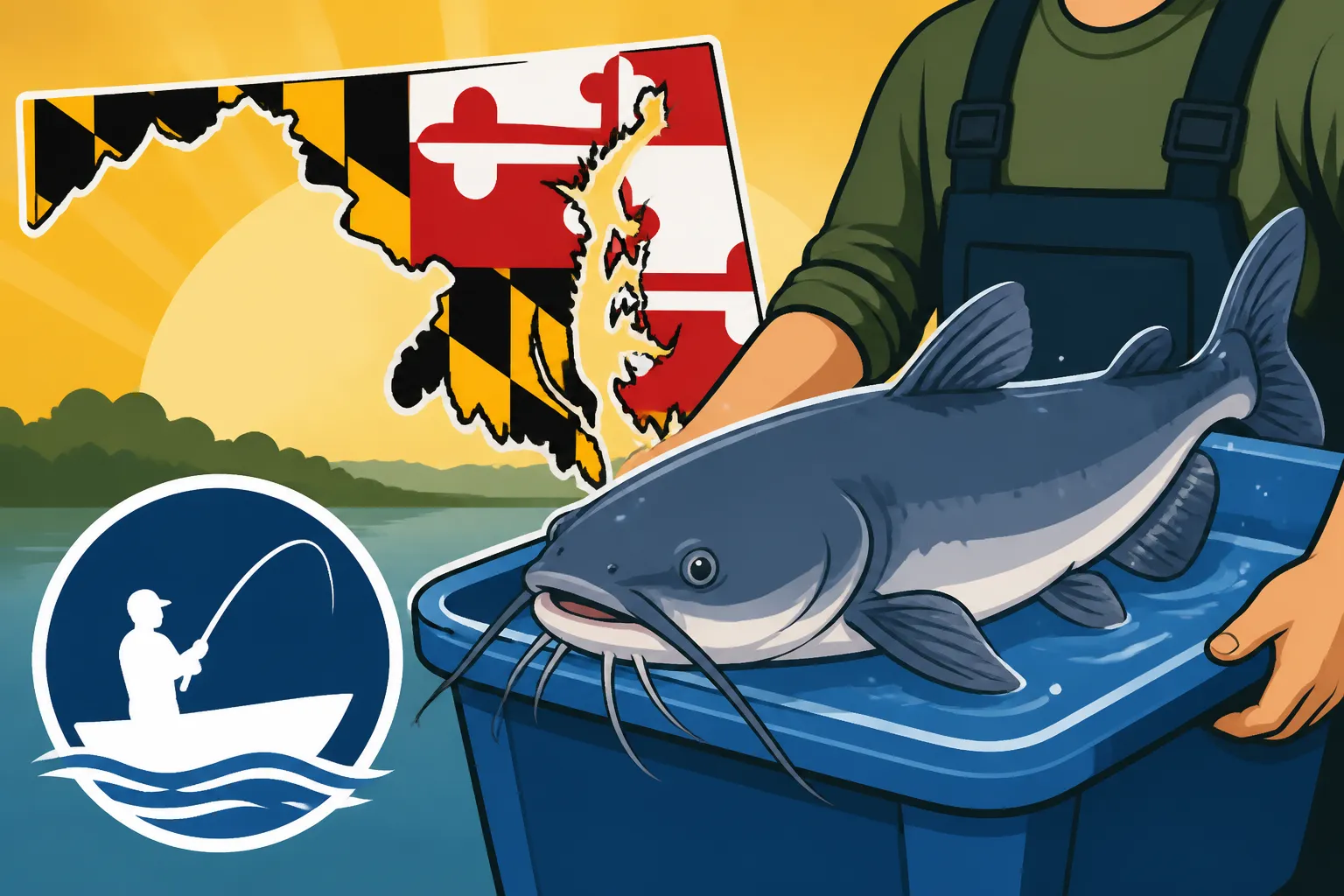
This is the central point for any angler wondering about getting their blue catfish home: you absolutely cannot transport a live blue catfish away from the water where it was caught. The rules are crystal clear on this, and there's no wiggle room. This regulation is one of the most critical tools Maryland has to prevent further infestations of these destructive fish.
Understanding the "No Live Transport" Mandate
Maryland DNR regulations explicitly state that it is illegal to transport live blue catfish from the waters in which they were caught. The reason is simple and critical: to prevent the accidental or intentional introduction of these invasive fish into new, uninfested bodies of water. Imagine if an angler, perhaps unknowingly, transported a live blue catfish from the Potomac to a pristine pond in Western Maryland. That single act could quickly lead to a new, unchecked population, devastating the native fish populations in that pond and potentially spreading to other connected waterways. This rule is designed to safeguard the integrity of Maryland's diverse aquatic ecosystems.
This mandate applies to all public and private waters, meaning you can't even move a live blue catfish from one private pond to another. The risk of accidental escape or deliberate release is too high. If you catch a blue catfish and intend to take it home, your priority must be to ensure it is deceased before it leaves the immediate vicinity of the water. For more clarity, you might also want to look into Is It Legal to Release a Blue Catfish in Maryland?, which further emphasizes the need to be responsible with these fish.
Distinguishing Between Dead and Live Transport
So, what does "dead" mean in this context? It means the fish must be unequivocally deceased before you pack it up for the journey home. This isn't just about a fish that's flopping weakly; it must be completely lifeless. The most common and effective way to ensure this is to humanely dispatch the fish at the point of capture, usually by a sharp blow to the head, and then ideally bleed it out. Bleeding not only ensures the fish is dead but also significantly improves the quality of the meat.
Once the blue catfish is dispatched, you can then place it on ice or in a cooler for transport. The key is that there should be no doubt it's deceased. This distinction is crucial for anglers. Transporting a cooler full of fresh, dead blue catfish is perfectly legal and encouraged, as it helps remove these invasive predators from the ecosystem. However, even a single blue catfish that shows signs of life, however faint, during transport, puts you in violation of state regulations. Always err on the side of caution to protect Maryland's waterways and avoid potential penalties.
Legal and Responsible Ways to Handle Your Blue Catfish Catch
Since transporting live blue catfish is off-limits, it's essential to know the proper and legal steps to take once you've reeled one in. Fortunately, handling your catch responsibly isn't complicated and directly supports Maryland's conservation efforts. Plus, blue catfish are delicious, so it's a win-win!
Immediate Dispatch and Proper Storage
The moment you decide to keep a blue catfish, the first step should be to humanely dispatch it. A quick, firm blow to the head with a fish bat or blunt object is typically effective. Following dispatch, many anglers choose to bleed the fish immediately. This can be done by cutting the gills or the artery behind the pectoral fin. Bleeding out not only ensures the fish is dead for transport but also results in much cleaner, better-tasting fillets. This process should ideally happen right at the water's edge or on your boat.
Once dispatched and bled, the next step is proper storage. You'll want to get your catch on ice as quickly as possible to preserve freshness and quality. A good quality cooler filled with plenty of ice is indispensable. Layer the fish between ice to ensure even chilling. This method keeps the fish cool, firm, and ready for the dinner table. Remember, for blue catfish, there are no size or creel limits, so you can keep as many as you can legally dispatch and transport! Speaking of enjoying your catch, you might find more tips on preparing them by checking out Are Blue Catfish Good to Eat From Maryland Rivers?.
The Benefit of Processing on Site
For many seasoned blue catfish anglers, processing the fish right on the boat or shore is the preferred method. This means filleting the fish immediately after dispatching it. By reducing the whole fish to fillets or cleaned steaks, you completely eliminate any ambiguity about live transport. There's no way a fillet can be alive. This practice also makes transport easier, as fillets take up less space than whole fish, and it allows you to dispose of the carcass responsibly at appropriate facilities if available, or by returning it to the water, ensuring it's completely dead and won't contribute to environmental issues.
To process on site, you'll need some basic tools: a sharp filleting knife, a sturdy cutting board, and possibly a cooler specifically for your cleaned fillets. You can find excellent, durable filleting knives and compact cutting boards suitable for boat or shore use on Amazon. Having these tools readily available makes the process efficient and mess-free. Just remember to clean up thoroughly afterward and respect the environment. This method is highly encouraged by Maryland DNR as it ensures compliance with regulations and helps manage the invasive population.
Donation and Commercial Opportunities
Given the overwhelming numbers of blue catfish in Maryland waters, the state actively encourages their harvest. Beyond personal consumption, there are growing opportunities for donation and commercial harvest. Some food banks and community programs accept donations of cleaned blue catfish, providing a source of healthy protein to those in need. Additionally, commercial fishing for blue catfish is a burgeoning industry, with many watermen and seafood suppliers actively targeting them. These commercial operations follow strict handling and transport protocols, ensuring fish are deceased before moving to processing facilities.
While these programs mainly cater to larger volumes, they underscore Maryland's commitment to reducing the blue catfish population. Anglers can contribute by catching and retaining as many as they responsibly can. If you're a serious blue cat angler, you might even consider connecting with local seafood markets or processors to see if there's a demand for your cleaned catch. Every blue catfish removed from the water helps, and it's an excellent example of how anglers can directly impact conservation efforts.
Navigating the Regulations: Practical Advice for Anglers
Understanding the "why" behind the regulations makes it easier to follow them. When it comes to blue catfish, it's all about effective population management and preventing further ecological damage. Equipping yourself with the right knowledge and gear will make your fishing trips both productive and compliant.
Essential Gear for Responsible Blue Catfish Angling
Blue catfish can grow to impressive sizes, with many reaching well over 20 pounds, and some absolute monsters weighing 50 pounds or more. Knowing How Big Do Blue Catfish Get in Maryland Rivers? will quickly tell you that you'll need robust fishing gear to handle these powerful fish. Investing in heavy-duty rods, stout reels, and strong line (20-50 lb test is common) is crucial. This not only makes landing them easier but also ensures you're equipped to safely bring them to the boat or shore for dispatch. Circle hooks are also a great choice, as they often result in mouth hooks, making it easier to manage the fish and ensure a clean dispatch if you intend to keep it.
Beyond your rod and reel, having the right accessories for handling and processing is vital. A good quality fish gripper or a large, sturdy net can help control a thrashing blue cat. As mentioned, a solid fish bat for dispatch, a sharp filleting knife, and a cooler packed with ice are non-negotiables. You can easily stock up on durable, high-performance fishing tackle and essential cleaning tools through retailers like Amazon, ensuring you're fully prepared for a successful and compliant blue catfish expedition. Staying prepared helps you adhere to Maryland Blue Catfish Possession Rules seamlessly.
What to Do If You Accidentally Catch One and Can't Keep It
Sometimes, you might catch a blue catfish when you weren't targeting them, or perhaps you've already kept your limit (though for blue cats, there is no creel limit, so you can keep as many as you want!) or simply don't have the means to transport more. In such scenarios, the rule remains: do not release it live. If you catch a blue catfish and cannot or choose not to keep it for consumption, the Maryland DNR's strong recommendation, and often implicit expectation, is to humanely dispatch the fish and return it to the water. This ensures it doesn't contribute further to the invasive population.
This can sometimes feel counterintuitive, especially for anglers accustomed to catch-and-release for native species. However, for blue catfish, the environmental imperative outweighs the typical catch-and-release ethic. Maryland DNR clearly wants anglers to help reduce the population. As such, if you're not going to take it home to eat, the best and most responsible action is to ensure it is dead before it goes back into the water. This aligns with the broader message of Why Maryland Wants Anglers to Kill Invasive Fish.
Staying Informed on Evolving Regulations
Fishing regulations, especially concerning invasive species, can sometimes change to adapt to new scientific findings or population trends. While the core rule about not transporting live blue catfish is unlikely to change, other aspects of invasive species management might. Therefore, it's always a good idea to stay current with the latest information from the Maryland Department of Natural Resources. Their website is a fantastic resource, offering the most up-to-date guides and announcements.
Before any fishing trip, especially if you haven't been out in a while, take a few minutes to review the current regulations. You can typically find a comprehensive overview in Maryland's DNR Fishing and Boating Guide, Explained, which is updated regularly. Subscribing to DNR newsletters or following their social media channels can also provide timely updates. Being informed not only keeps you compliant but also makes you a more effective participant in Maryland's conservation efforts.
Serious Consequences: Penalties for Non-Compliance
While the intent behind the rules for blue catfish is ecological protection, violating them carries tangible legal repercussions. Ignoring the "no live transport" mandate isn't just a minor infraction; it can lead to significant penalties, both legally and ethically.
Fines and Legal Ramifications
Transporting a live blue catfish in Maryland is a violation of state fishing regulations and can lead to serious consequences. Enforcement personnel, such as Natural Resources Police officers, are vigilant in ensuring compliance. If caught, you could face substantial fines, which can range from hundreds to thousands of dollars depending on the severity of the offense and whether it's a repeat violation. In some cases, particularly for egregious or repeated offenses, it might even lead to court appearances, legal fees, and the potential confiscation of your fishing gear, boat, or vehicle used in the offense.
Imagine explaining to a judge why you had a live invasive fish in your cooler when the rules are so explicitly laid out. These penalties aren't put in place to deter fishing; they are a stern warning to protect the state's natural resources. It’s far better to spend a few moments dispatching your catch responsibly than to face the financial burden and legal hassle of a citation. For a broader understanding of potential issues, you can review Maryland Fishing License Penalties for Violations.
The Ethical and Environmental Cost
Beyond the legal and financial penalties, there's also a significant ethical and environmental cost associated with non-compliance. Every live blue catfish transported, even if released accidentally, poses a direct threat to new ecosystems. It undermines the tireless efforts of conservationists, scientists, and responsible anglers who are working to manage these populations. Introducing blue catfish into new waters can lead to the decline or even extirpation of native species, throwing delicate aquatic food webs into disarray.
By adhering to the regulations, you're not just avoiding a fine; you're actively participating in the stewardship of Maryland's incredible natural heritage. Choosing to responsibly dispatch and transport blue catfish sends a clear message that you care about the health of the Chesapeake Bay and its tributaries. It's about being a conscientious angler and protecting the fishing opportunities for generations to come.
| Action | Legal Status in Maryland | Reason/Consequence |
|---|---|---|
| Catch a Blue Catfish | Legal and Encouraged | There are no size or creel limits for blue catfish in Maryland, encouraging anglers to harvest them to reduce invasive populations. |
| Transport a Live Blue Catfish | Illegal | Strict prohibition to prevent the accidental or intentional introduction of this invasive species into new, uninfested waterways. Violations can lead to significant fines, legal action, and potential confiscation of gear. |
| Transport a Deceased Blue Catfish | Legal and Encouraged | Once humanely dispatched and confirmed dead, blue catfish can be legally transported for consumption. This is the recommended method to contribute to population control while enjoying your catch. |
| Fillet a Blue Catfish on Site | Legal and Encouraged | Processing the fish (filleting, gutting) at the point of capture is an excellent way to ensure compliance with transport rules and optimize space for transport. |
| Release a Live Blue Catfish | Illegal (in most cases for invasive species) | While typically associated with catch-and-release for native fish, releasing live blue catfish perpetuates the invasive problem. If you cannot keep it, the DNR encourages humane dispatch before returning it to the water to ensure it does not survive to reproduce. |
| Return a Dead Blue Catfish to the Water | Legal (after dispatch) | If you don't intend to keep the fish, ensuring it is dead before returning it to the water is the responsible action, preventing it from contributing to the invasive population. Some locations may have specific disposal recommendations, so always check local signage or regulations for carcass disposal, but generally returning a dead fish to the water is acceptable. |
Disclaimer
The information provided in this guide is for general informational purposes only and is not intended as legal advice. Fishing regulations in Maryland can change, and it is the angler's responsibility to consult the most current Maryland Department of Natural Resources (DNR) rules and regulations before fishing. Always prioritize safety and adherence to all applicable laws.