Fishing Techniques for Maryland’s Free Fishing Days in June
There's nothing quite like the excitement of hitting the water, rod in hand, ready for a day of fishing. But for many aspiring anglers or those just looking for a casual outing, the thought of navigating Maryland's fishing license requirements can be a real headache, especially if you're not sure how often you'll go. Thankfully, Maryland offers specific Free Fishing Days in June, providing a fantastic opportunity to cast a line without needing a state fishing license. This guide will walk you through the best fishing techniques and what to expect so you can maximize your catch and enjoy these special license-free days.
Understanding Maryland's Free Fishing Days in June
Maryland's Free Fishing Days are truly a gift for anglers, making fishing accessible to everyone, from seasoned veterans introducing a grandchild to the sport to curious newcomers taking their first cast. The beauty of these days is the removal of the primary barrier for many – the need to purchase a state fishing license. However, while the license requirement is waived, it's crucial to remember that other regulations, like size and creel limits, remain firmly in place. These days are all about encouraging participation and making the joy of fishing more inclusive.
Who Benefits Most from Free Fishing Days?
These special days are particularly beneficial for several groups. First, consider the families. Taking kids fishing is a wonderful experience, but buying multiple licenses can add up, especially if you're unsure how long the kids' interest will last. Free Fishing Days remove that financial barrier, letting parents introduce their children to the outdoors without a significant upfront investment. It’s a perfect opportunity for a spontaneous family outing to a local pond or a visit to a Best Fishing Spots for Beginners in Maryland. New anglers, too, find immense value. If you've always wanted to try fishing but felt intimidated by the rules or costs, this is your chance to dip your toes in the water, literally. It's a low-commitment way to see if fishing sparks a passion in you. Even experienced anglers can use these days to try new spots or bring along friends who normally don't fish. It's a community event that celebrates Maryland's rich angling opportunities.
What Waters Are Included?
One of the best aspects of Maryland's Free Fishing Days in June is that they typically cover all of the state's diverse waters. This means you can cast your line in freshwater lakes, ponds, and rivers across the state, or venture into the brackish and saltwater realms of the Chesapeake Bay and its tidal tributaries. Imagine heading to Deep Creek Lake for some trout or smallmouth bass action, or perhaps trying your luck in the Patuxent River for white perch. The vastness of available waters means you're almost guaranteed to find a suitable spot close to home or discover a new favorite fishing hole. Whether you prefer the serene calm of a mountain stream or the expansive views of the Chesapeake, these days open up the entire state for exploration. Just remember, while the license isn't needed, understanding the nuances of Maryland Nontidal vs Tidal Fishing License, Explained can still help you understand the different environments you might encounter.
Key Regulations Still Apply
While the "free" aspect is fantastic, it's absolutely vital to remember that "free" only applies to the license. All other fishing regulations remain in full effect. This means you still need to adhere to species-specific size limits, daily creel limits, and any gear restrictions. For example, if you're targeting striped bass (rockfish) in the Chesapeake Bay, you must still follow the current Maryland Striped Bass Season and Rockfish Rules regarding slot limits and catch numbers. Similarly, if you hook into a blue catfish, you'll need to know the Maryland Blue Catfish Limit, or Lack of One before deciding whether to keep it. The Maryland Department of Natural Resources (DNR) publishes a comprehensive guide that outlines all these rules. It's always a good idea to check the latest regulations before heading out, even on Free Fishing Days, to avoid any unintended penalties.
Top Fishing Techniques for June's Freshwater Opportunities
June is a fantastic month for freshwater fishing in Maryland, with many species active and feeding. The warmer water temperatures mean fish are often more aggressive and spread out, offering excellent opportunities for anglers. Whether you're targeting panfish for a tasty dinner or aiming for a trophy bass, adapting your techniques to the season and the fish's behavior is key to success. Don't forget, these days are perfect for grabbing some new tackle from a retailer like Amazon and testing it out!
Targeting Panfish and Bass in Lakes and Ponds
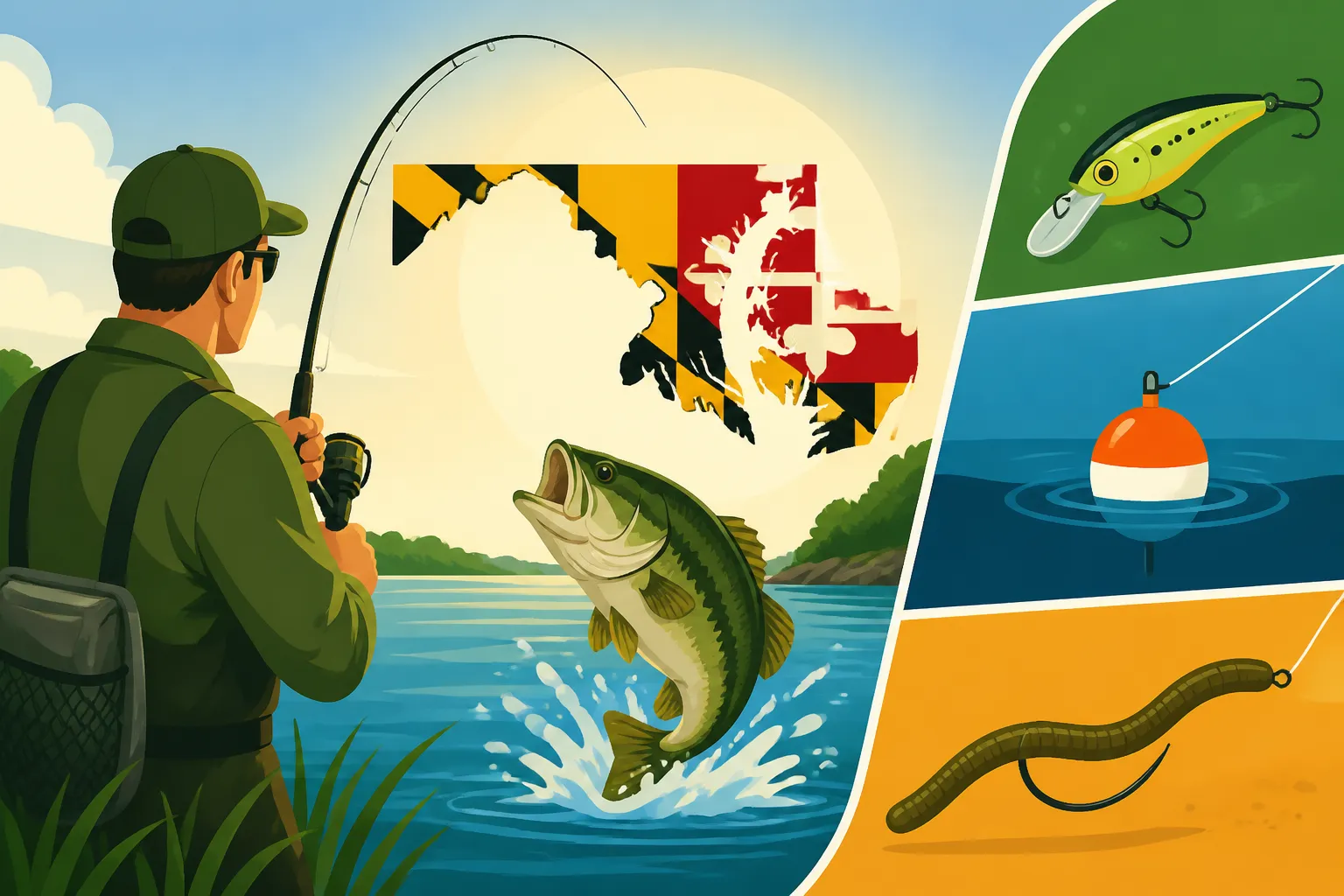
Maryland's lakes and ponds are teeming with panfish like bluegill, crappie, and yellow perch, as well as plenty of largemouth bass. For panfish, simple and effective techniques are often the best. A small hook, a bit of bobber, and some live bait like worms or crickets are usually all you need. Cast near lily pads, submerged logs, or other structures where these smaller fish like to hide. Ultra-light spinning gear makes catching panfish a blast, letting even small bluegill put up a respectable fight. For largemouth bass, June is prime time for topwater action, especially during dawn and dusk. Frogs, poppers, and walking baits thrown over lily pads or along grass lines can elicit explosive strikes. During the day, switch to soft plastics like Texas-rigged worms or Senkos, working them slowly along drop-offs or deeper cover. Crankbaits are also effective for covering water and finding active fish. Always be mindful of the Maryland Largemouth Bass Size Limit by Water to ensure you're keeping legal fish.
When you're out there, remember that bass are ambush predators. They love cover. Think about those fallen trees, brush piles, or even dock pilings. Casting past these structures and retrieving your lure through them often triggers a strike. For panfish, patience is often the name of the game. Kids especially love watching a bobber dip, so make sure to bring plenty of extra bait and hooks. A small net can be really helpful for landing those slippery panfish, and a pair of pliers can make hook removal much easier. You'll find a wide variety of these essential items, from basic tackle boxes to specialized lures, available on Amazon, making it easy to stock up before your trip.
River Fishing for Catfish and Smallmouth
Moving to Maryland's freshwater rivers, you'll find different but equally exciting opportunities. The upper Potomac River, for instance, is renowned for its feisty smallmouth bass. In June, smallmouth can be found near rocky areas, current breaks, and submerged ledges. Techniques for smallmouth often involve casting small crankbaits, spinnerbaits, or soft plastic tubes and grubs. Focus your efforts where the current creates eddies or pockets of slower water, as smallmouth will often wait here to ambush prey. Wading is a popular and effective way to fish many stretches of the Potomac, allowing you to access prime spots that boats might miss.
For those interested in bigger quarry, Maryland's rivers, including the Potomac and Susquehanna, are home to an abundance of catfish, particularly the invasive blue catfish. These giants can be caught using bottom fishing techniques with sturdy gear. Cut bait – chunks of herring, shad, or even chicken liver – fished on a Carolina rig or a three-way swivel rig with a heavy sinker will get their attention. Target deeper holes, channel edges, and areas with slower current. The great thing about blue catfish is there's often no limit, making them a fantastic target for keeping a good amount of fish for dinner. While there may not be specific rules on quantity, always be aware of Maryland's general Maryland Blue Catfish Possession Rules as an invasive species. A sturdy rod and reel combo, capable of handling heavy weights and strong fish, is a must. Don't forget a large cooler, too, because these fish can grow quite large!
Making the Most of Tidal Waters on Free Fishing Days
Maryland's tidal waters, primarily the vast Chesapeake Bay and its numerous tributaries, offer a completely different but equally rewarding fishing experience. June marks a busy time in the Bay, with many popular species actively feeding in preparation for summer. While striped bass get a lot of attention, there are plenty of other species to target, especially on Free Fishing Days when you might be focusing on simpler, more accessible fishing.
White Perch and Spot in the Tributaries
If you're looking for consistent action and delicious table fare, white perch are your best bet in Maryland's tidal tributaries during June. These eager biters can be found in abundance in rivers like the Patuxent, Choptank, and Severn, often schooling around structure such as docks, oyster beds, and channel edges. Simple bottom rigs baited with bloodworms, grass shrimp, or small pieces of Fishbites are incredibly effective. A small dropper loop rig with two hooks, using a 1/2 to 1-ounce sinker depending on the current, is a go-to setup. Light tackle makes catching white perch a blast, as they pull harder than their size suggests. You can easily fill a cooler with these tasty panfish, just be mindful of the Maryland White Perch Daily Limit to ensure you stay within legal bounds.
Another popular target in the tidal rivers during June is spot. These small but delicious fish arrive in force during the warmer months and are incredibly easy to catch, making them perfect for kids or beginners. Use the same small bottom rigs and baits as you would for white perch, focusing on sandy or muddy bottoms. Both white perch and spot provide excellent action and are perfect for a family outing. Look for schools of baitfish, as these smaller fish will often be nearby, feeding on the same forage. Piers and bulkheads in towns like Annapolis, Solomons, or Cambridge are often excellent starting points for targeting these species from shore.
Exploring Piers and Shoreline Access for Easy Fishing
For many anglers participating in Maryland's Free Fishing Days, shore and pier fishing are the most accessible options. You don't need a boat, and many public access points offer fantastic opportunities. Places like Sandy Point State Park or Point Lookout State Park provide excellent pier and shoreline access to the Chesapeake Bay. When fishing from a pier, consider fishing on both sides of the structure; the pier itself creates shade and cover for fish, and the pilings often hold baitfish, which in turn attract larger predators.
For species like white perch, spot, and even some smaller striped bass or bluefish, casting small spoons, jigs, or bait rigs from a pier can be very effective. Many piers are also great spots for bottom fishing for catfish, especially where fresh and saltwater mix. One common question is Do You Need a License to Fish From a Maryland Pier? – and on Free Fishing Days, the answer is happily no! This makes piers a prime choice for those looking for an easy and cost-free fishing experience. Just remember to be courteous to other anglers, give everyone space, and keep your area clean. Packing a small tackle bag from Amazon with pre-tied rigs and a variety of baits can make your pier fishing experience much more enjoyable and efficient.
Essential Gear and Tips for a Successful Free Fishing Day
A successful fishing trip, even on a Free Fishing Day, often comes down to preparation. You don't need a boatload of expensive gear, but having the right essentials can make all the difference between a frustrating day and a memorable one. Thinking about what you'll need for both comfort and catching will ensure you have a fantastic time enjoying Maryland's waters.
Basic Tackle Box Essentials
For your Free Fishing Day adventure, keep your tackle simple but versatile. A medium-light spinning rod and reel combo is a great all-around choice, suitable for everything from panfish to smaller striped bass. Spool it with 6-10 lb monofilament or braided line. Your tackle box should include:
- Hooks: A variety of sizes, from small #6 for panfish to larger #2 or 1/0 for bass and catfish. Circle hooks are excellent for preventing gut-hooking, especially if you plan to catch and release.
- Sinkers: Split shots, egg sinkers, and pyramid sinkers in various weights to match current and depth.
- Bobbers/Floats: Essential for still fishing for panfish and presenting bait at a specific depth.
- Swivels and Snaps: To prevent line twist and make changing lures easier.
- Lures: A few small jigs (1/8 to 1/4 oz) with curly tail grubs, a couple of small spoons, and maybe a spinnerbait or two for bass. If you're targeting snakehead, consider a topwater frog.
- Bait: Live bait like nightcrawlers or bloodworms are almost universally effective. Artificial baits like Berkley Gulp! or Fishbites are also great, especially for white perch and spot.
- Tools: Pliers for hook removal, nail clippers for cutting line, and a small stringer or cooler for keeping your catch fresh. Many great starter kits are available on Amazon that can cover these basic needs.
Remember, fishing doesn't have to be complicated. Sometimes the simplest rigs are the most effective. Focus on matching your bait or lure size to the size of the fish you're targeting and the forage they're likely eating.
| Fishing Type | Primary Target Species | Recommended Baits/Lures | Ideal Gear | Key Locations (Examples) |
|---|---|---|---|---|
| Freshwater – Ponds/Lakes | Bluegill, Crappie, Largemouth Bass | Worms, crickets, small jigs, plastic worms, crankbaits | Light to Medium-Light Spinning Combo | Loch Raven Reservoir, local farm ponds, Rocky Gap |
| Freshwater – Rivers | Smallmouth Bass, Blue Catfish, Channel Catfish | Tubes, grubs, small crankbaits, cut bait, chicken liver | Medium Spinning/Baitcasting Rod (Catfish), Medium-Light Spinning (Smallmouth) | Upper Potomac River, Susquehanna River |
| Tidal – Bay/Tributaries | White Perch, Spot, Croaker, Striped Bass | Bloodworms, grass shrimp, Fishbites, small jigs, spoons | Light to Medium Spinning Combo | Patuxent River, Chester River, Sandy Point Pier |
| Ocean/Coastal (Limited) | Flounder, Bluefish | Squid, minnows, Got-Cha plugs | Medium-Heavy Spinning/Surf Rod (Ocean) | Ocean City Inlet, Assateague Island |
Safety and Comfort Considerations
Even on a casual fishing trip, safety should always be a priority. If you're fishing from a boat (even if it's someone else's, as a passenger on a Maryland Charter Boat License Coverage for Passengers trip, for example), ensure everyone has and wears a life jacket. When fishing from shore or a pier, be aware of your surroundings – slippery rocks, uneven terrain, and other people. A basic first-aid kit is always a good idea for minor cuts and scrapes.
Comfort also plays a big role in enjoyment. June in Maryland can be hot and sunny, so bring plenty of water to stay hydrated. Sunscreen, a wide-brimmed hat, and polarized sunglasses are essential for protecting yourself from the sun's rays and also help you spot fish or structure under the water. Insect repellent can be a lifesaver, especially in wooded areas or near stagnant water. Comfortable, closed-toe shoes are advisable, especially if you'll be walking along shorelines or rocky areas. Finally, don't forget a cooler with ice for drinks and for keeping any legal catch fresh until you get home. Being prepared means you can focus entirely on the joy of fishing and soaking in the natural beauty of Maryland.
Disclaimer
This article is for general informational purposes only and does not constitute professional advice. Laws, prices and regulations vary by location and change over time. Consult a qualified professional for guidance on your specific situation.