Fishing Maryland During the August Rockfish Closure
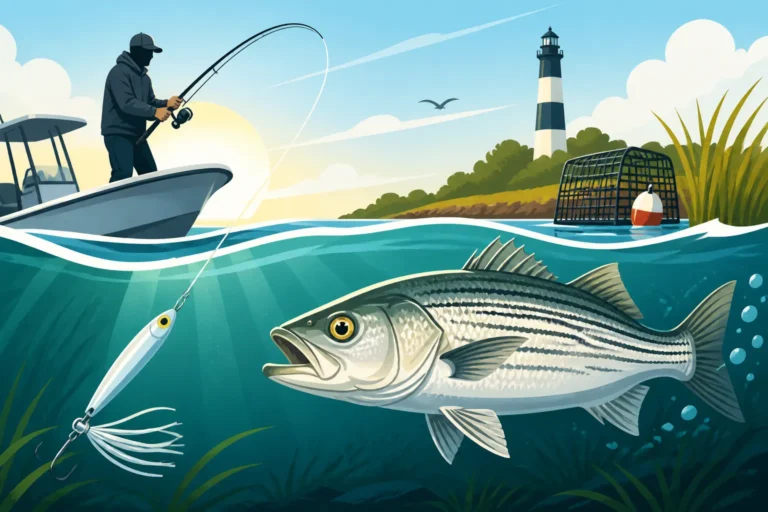
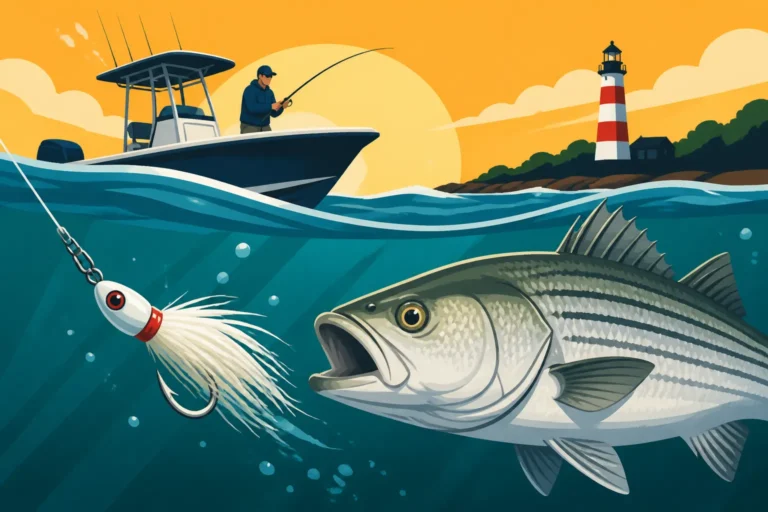
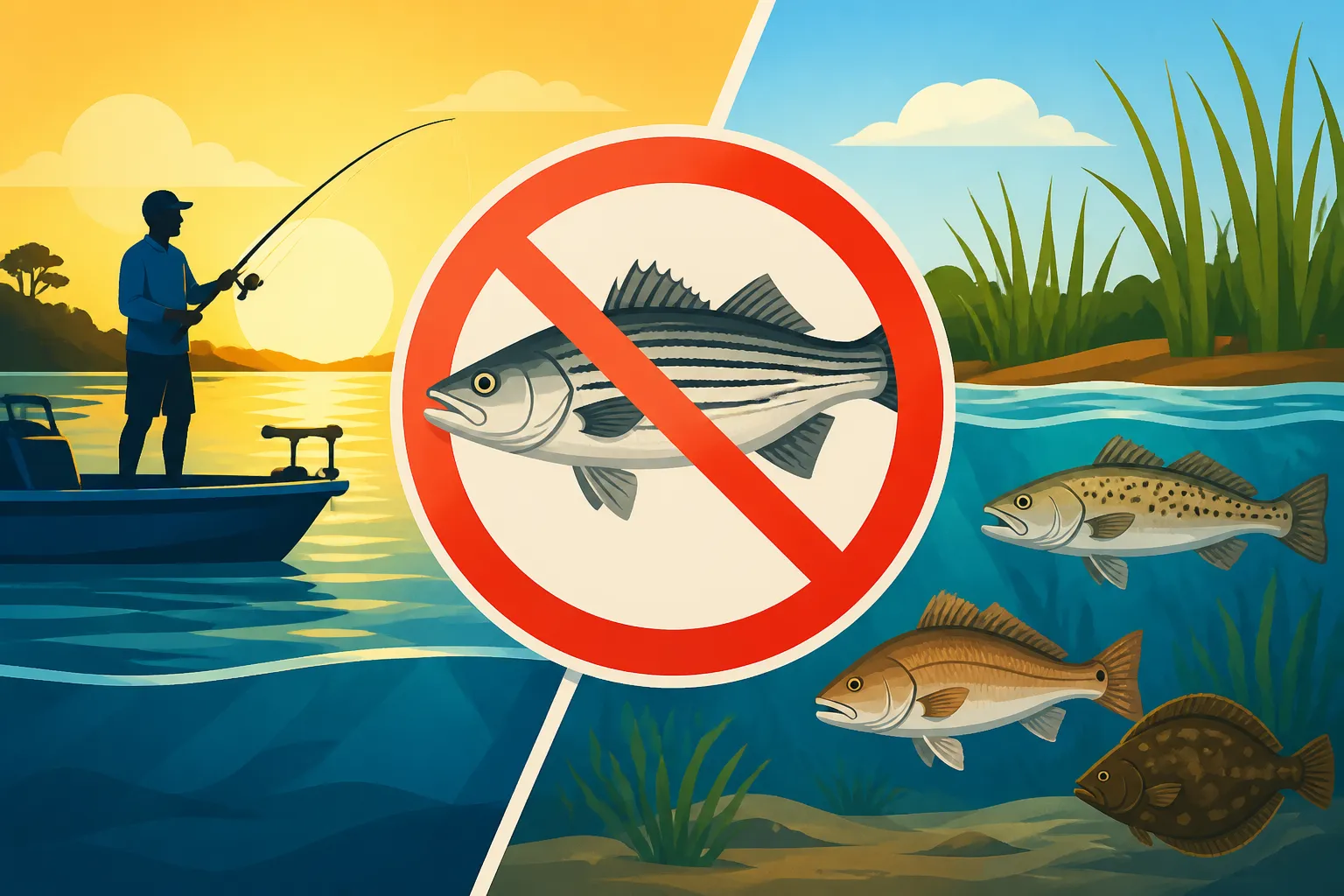
Oh, August in Maryland! It’s that bittersweet time of year when the heat is often oppressive, the humidity is thick enough to chew, and if you're a striped bass enthusiast, you're faced with the annual rockfish closure. It's truly a bummer, isn't it? Just when summer fishing should be in full swing, our beloved rockfish go off-limits for possession in the Chesapeake Bay and its tributaries. But don't despair! This guide is here to walk you through exactly what that closure entails and, more importantly, to shine a bright light on the incredible angling opportunities that are still wide open across Maryland's diverse waters during this time.
Navigating the August Rockfish Closure
Let's be real, the August striped bass closure often feels like a punch to the gut for many Maryland anglers. You’ve been looking forward to summer fishing, maybe planned a trip, and then suddenly, your favorite target is off-limits. It's frustrating, to say the least. But understanding why this closure is in place and precisely what it means can help you shift your focus and discover new fishing adventures.
Understanding the "Why" Behind the Ban
The primary reason for the August striped bass closure is all about conservation and ensuring the long-term health of the striped bass population, often affectionately called rockfish here in Maryland. Striped bass are a crucial species, both ecologically and economically, for the Chesapeake Bay region. Over the years, their numbers have fluctuated, leading to various management strategies, and unfortunately, the population has been experiencing some challenges recently.
During the hot summer months, especially in August, water temperatures in the Chesapeake Bay often reach their peak. Warmer water holds less oxygen. When striped bass are caught and then released in these conditions, they experience a much higher mortality rate due to stress and oxygen deprivation. Even if they swim away seemingly fine, many don't survive. By implementing a possession ban during this critical period, Maryland Department of Natural Resources (DNR) aims to reduce this "dead discards" mortality and give the striped bass a much-needed break from angling pressure during their most vulnerable time. It's a tough pill to swallow, but it's a necessary step to protect these incredible fish for future generations. If you're curious about the specifics of the regulations, you can delve into the Maryland Striped Bass Season and Rockfish Rules to get a full picture of the year's calendar.
What the Closure Really Means for Anglers
So, what exactly does "closed to striped bass possession" mean for you, the angler? It means you cannot keep any striped bass caught in the Chesapeake Bay and its tributaries during the specified August dates. It's important to clarify that, in most areas, catch-and-release fishing for striped bass is allowed during the closure, but only under very specific conditions and with particular gear to minimize stress. Generally, this means no bait fishing for striped bass and using only artificial lures with barbless hooks. However, the safest and most recommended approach during the August closure is simply to avoid targeting striped bass altogether to truly give them a break.
The good news, and this is where the excitement comes in, is that the closure does not apply to other species! The rest of Maryland's diverse fisheries remain wide open. This includes a fantastic array of freshwater fish in lakes and rivers, numerous other saltwater species in the Bay and along the coast, and even some highly aggressive invasive species that the DNR actively encourages you to remove. This period is a perfect opportunity to broaden your angling horizons, try new techniques, and discover some incredible fighting fish you might otherwise overlook. Remember that your basic Maryland Fishing License Guide for 2026 will still cover you for all these other species, provided you're fishing in the correct tidal or nontidal waters.
Abundant Alternatives in Maryland Waters
Feeling a bit down about not being able to chase rockfish? Trust me, I get it. But Maryland's waters are teeming with other fantastic fish that are often overlooked, especially during the August closure. This is your chance to expand your repertoire and experience some truly exciting fishing!
Targeting Invasive Species: Blue Catfish and Snakehead
If you're looking for a hard fight and want to do a service to Maryland's ecosystem, invasive species like the blue catfish and northern snakehead are your prime targets in August. These fish are not only abundant but also aggressive, grow to impressive sizes, and have absolutely no possession limits – in fact, DNR encourages you to harvest as many as you can!
Blue catfish, in particular, are incredibly widespread throughout the Chesapeake Bay tributaries, especially in the Potomac River, Nanticoke River, Choptank River, and even parts of the main stem of the Bay. They can reach massive sizes, easily pushing over 50 pounds, and they put up an incredible battle. They're also delicious! You'll find them congregating in deeper channels and holes, often near structure. Fishing for them can be fast-paced and incredibly rewarding. For more details on these formidable fish, check out our guide on Maryland Blue Catfish, an Invasive Giant and the specific Maryland Blue Catfish Possession Rules which emphasize no limits.
Northern snakeheads, while perhaps not reaching the gargantuan sizes of blue catfish, are infamous for their explosive topwater strikes and powerful fights. They are primarily found in tidal freshwater rivers like the Potomac River, the Blackwater River, and many smaller tributaries on the Eastern Shore. Catching a snakehead on a frog lure in lily pads is one of the most exciting fishing experiences you can have in Maryland. They're also excellent table fare, and like blue catfish, there's no limit on how many you can keep. In fact, it's illegal to release a live snakehead back into the water once caught, so be prepared to dispatch them responsibly. Our comprehensive guide on Northern Snakehead in Maryland Waters offers even more insights into these unique fish and specific Maryland Snakehead Fishing Rules.
Freshwater Gems: Bass and Panfish
Don't forget Maryland's incredible freshwater fishing scene! While everyone else is lamenting the Bay closure, you could be having a banner day on one of our many lakes, reservoirs, or nontidal rivers. August is prime time for largemouth bass, smallmouth bass, crappie, bluegill, and various other sunfish.
Maryland boasts fantastic reservoirs like Loch Raven, Liberty, and Prettyboy, which are absolutely loaded with largemouth bass. These waters offer serene settings and often produce quality fish. Early mornings and late evenings are key during the summer heat. Smallmouth bass can be found in the cooler, flowing waters of the upper Potomac River and its tributaries, offering a different kind of challenge with their strong currents and rocky habitats. Panfish, like crappie and bluegill, are prolific in almost every freshwater body and offer fantastic action, especially for kids or beginners. They're also incredibly tasty! If you're looking to explore these serene settings, our guide to the Best Maryland Lakes for Freshwater Fishing is a great starting point.
Other Chesapeake Bay & Coastal Delights
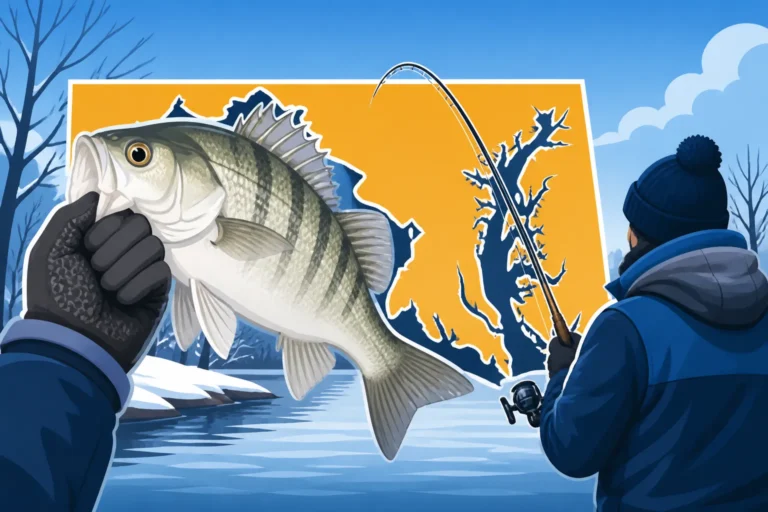
The Bay isn't just about rockfish, even if it often feels that way. During August, many other species are biting furiously. White perch are a classic Chesapeake Bay staple, offering consistent action and delicious fillets. You can find them almost everywhere – on oyster reefs, around piers, in tidal creeks, and along channel edges. They're perfect for light tackle and a great way to introduce new anglers to the sport. The White Perch in Maryland's Chesapeake Bay guide can tell you all you need to know about these prolific fighters.
Beyond white perch, summer brings in a host of other bottom dwellers like spot and croaker, especially in the middle and lower Bay. These fish are fantastic for family fishing trips, as they're usually plentiful and easy to catch on simple bottom rigs with bits of bloodworm or squid. If you venture to the coast, Ocean City and Assateague Island offer excellent opportunities for flounder in the back bays and inlets, and even some red drum or black drum in the surf. Offshore fishing out of Ocean City is also in full swing for species like tuna, mahi-mahi, and sea bass, offering a completely different kind of adventure if you're looking for bigger game beyond the Bay. Remember to consult the Maryland Daily Bag Limits by Species for specific regulations on all these alternative catches.
Prime Locations for August Action
Knowing what to fish for is only half the battle; knowing where to go is the other crucial piece of the puzzle, especially when your usual go-to spots for rockfish are temporarily out of commission. Maryland offers such a diverse landscape of waterways that you're never truly out of options.
Potomac River Prowess for Invasives
The Potomac River, particularly its tidal stretches below Washington D.C., is an absolute goldmine for blue catfish and northern snakehead in August. This mighty river offers vast expanses of water with varying depths, current breaks, and abundant forage, making it ideal habitat for these aggressive invasives.
For blue catfish, focus your efforts in the deeper channels, especially around structure like old bridge pilings, submerged timber, or sharp drop-offs. The stretch from Fort Washington down to the Route 301 Bridge is particularly productive. You can anchor up and set out multiple lines with fresh cut bait (like gizzard shad or perch), or drift with the current. Shore anglers can also find success in accessible areas with deeper water, such as portions of Fort Washington Park or the various fishing piers along the river. Fishing the Potomac River in Maryland for blue catfish is not just a great way to catch a lot of fish, but you're also helping the ecosystem by removing these invasive predators.
Northern snakeheads thrive in the shallower, weedy backwater areas and marshy coves of the tidal Potomac. Think about places like Mattawoman Creek, Pohick Bay, or the vast network of creeks and sloughs on both the Maryland and Virginia sides. During August, these areas are often choked with lily pads and submerged vegetation – perfect ambush points for snakeheads. A kayak or a shallow-draft boat will give you the best access, but there are also shore-fishing opportunities in state parks or public access points that border these types of habitats. They love topwater frogs or weedless soft plastics cast right into the thick stuff.
Reservoir Riches for Bass and Panfish
For those seeking freshwater tranquility and excellent fishing, Maryland's reservoirs are phenomenal choices during August. These impoundments offer cooler, more stable environments than the Chesapeake Bay and provide consistent action for bass, crappie, and sunfish.
Loch Raven Reservoir near Baltimore is a classic for largemouth bass, offering extensive shoreline and countless coves and points. While private boats require permits, rental boats are available, making it accessible for many. Target bass early and late in the day with topwater lures, crankbaits, or Texas-rigged worms fished around submerged timber and grass beds. The deep, clear waters of Loch Raven also hold good numbers of crappie, which can often be found suspended around brush piles or deep structure.
Liberty Reservoir and Prettyboy Reservoir, also in the Baltimore area, offer similar opportunities, though Liberty is often praised for its larger bass potential. These reservoirs are often less pressured than other spots and provide a true escape. For the western part of the state, Deep Creek Lake is Maryland's largest freshwater lake and offers incredible fishing for smallmouth bass, largemouth bass, walleye, and even pike. Fishing Deep Creek Lake for Smallmouth Bass is a fantastic experience, with plenty of rocky points and clear water. For panfish, almost any pond or small lake across the state will hold bluegill and crappie, offering easy and fun fishing for anglers of all ages.
Bay Tributaries and Coastal Hotspots
Even with the striped bass closure, the Chesapeake Bay and its coastal areas still offer plenty of action for other species.
For white perch, almost any tidal creek or river emptying into the Bay will hold them. Focus on structure like docks, piers, oyster beds, and channel edges. Excellent options include the Patuxent River, the Severn River near Annapolis, the Choptank River, and even the numerous smaller creeks on both the Eastern and Western Shores. Fishing from piers like those at Sandy Point State Park or Point Lookout State Park can be incredibly productive for white perch, spot, and croaker. Sometimes, you don't even need a boat; shore access can be enough, and our article on Maryland Fishing License for Piers and Shore Access details what you need to know.
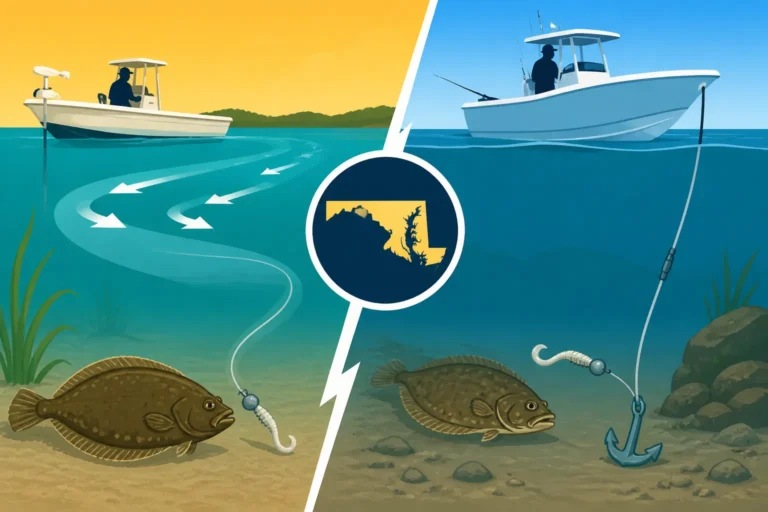
If you head to Ocean City, the back bays are a prime location for flounder in August. Drifting over channels and grass flats with a bottom rig baited with live minnows or Gulp! artificial baits can yield great results. The Ocean City Inlet and its jetties can also produce flounder, bluefish, and even some tautog around the rocks. For those with access to a boat and a desire for truly big fish, offshore charters out of Ocean City target tuna, mahi-mahi, and billfish, which are absolutely thrilling to catch and completely unaffected by the Bay's striped bass regulations.
Essential Gear and Techniques for Summer Success
Okay, so you've got your target species and locations narrowed down. Now, let's talk tackle! You might need to adjust your usual striped bass setup, but honestly, that's part of the fun of trying something new.
Tackle for Tough-Fighting Invasives
When you're going after those hard-pulling blue catfish or explosive northern snakeheads, you need gear that can take a beating.
For blue catfish, a medium-heavy to heavy action spinning or baitcasting rod (around 7-8 feet) paired with a reel spooled with 30-50 lb braided line is ideal. You'll be using heavy sinkers (2-6 oz) to hold your bait on the bottom in current, so robust rods are a must. Terminal tackle should include 5/0 to 8/0 circle hooks (to ensure good hooksets and protect the fish if you accidentally catch something else and need to release it) on a Santee Cooper rig or a simple slip-sinker rig. As for bait, fresh cut bait is king. Gizzard shad, white perch, bluegill, or even chicken livers work wonders. You can often find the necessary hooks, sinkers, and even specific catfish rigs on platforms like Amazon.
Northern snakehead fishing is a different beast entirely. You'll want a medium-heavy to heavy action rod (6'6" – 7'6") with a fast tip, again paired with a good baitcasting reel spooled with 40-60 lb braided line. This heavy line is crucial for pulling them out of thick vegetation. The most exciting technique is topwater fishing with frog lures (like a Teckel Sprinker Frog or a Spro Bronzeye Frog), which you can find on Amazon. Cast these weedless frogs right into the lily pads and grass, and be ready for a violent explosion! Another effective method involves weedless soft plastic lures, like flukes or paddle tails, rigged weightless or with a small bullet weight, for targeting them just under the surface or around the edges of cover. Our guide on Fishing Topwater Lures for Maryland Snakehead offers even more specialized advice.
Lures and Methods for Freshwater Favorites
Summer bass and panfish fishing demands a slightly different approach, but the gear is generally lighter and often more finesse-oriented.
For largemouth bass in reservoirs, a medium-heavy spinning or baitcasting combo with 10-15 lb fluorocarbon or braided line will cover most situations. In August, topwater lures like poppers, walking baits, or frog lures can be incredibly effective during low-light conditions. As the sun gets higher, switch to soft plastics (Texas-rigged worms, Senkos, creature baits) fished slowly around cover, or crankbaits and spinnerbaits retrieved along weed lines and drop-offs. If you're fishing near heavy cover, a heavier braided line might be necessary to muscle them out.
Smallmouth bass in the upper Potomac prefer smallmouth-specific lures. Crankbaits that mimic crayfish or small baitfish, tubes, finesse jigs, and grubs are all excellent choices. Look for them around rocky areas, current breaks, and submerged ledges. A medium-light to medium power spinning rod with 8-10 lb fluorocarbon line is usually perfect for presenting these lighter baits effectively. Remember to consider Fishing the Nontidal Upper Potomac for Smallmouth Bass for detailed strategies.
For crappie and bluegill, ultra-light spinning gear is the way to go. A 5-foot ultra-light rod with a small reel spooled with 4-6 lb monofilament line is perfect. Small jigs (1/32 to 1/16 oz) tipped with a tiny plastic grub or a live minnow under a bobber are deadly for crappie. For bluegill, a simple hook with a piece of worm, a tiny jig, or even a small beetle spin will get you plenty of bites. These simple setups are often available as combo kits on Amazon, making it easy for beginners to get started.
Simple Setups for Bay Bottom Dwellers
Catching white perch, spot, and croaker in the Bay doesn't require complex tackle. In fact, simplicity is often the key to success.
For white perch, a light to medium-light spinning rod (6-7 feet) with a reel spooled with 6-10 lb test monofilament or braided line is ideal. You can use a bottom rig with two small hooks (sizes 4-6) or a simple jig head (1/8 to 1/4 oz). Bait them with small pieces of bloodworm (a classic white perch killer), grass shrimp, or even tiny strips of squid. Cast near structure like docks, bridge pilings, or shell bottom, and slowly retrieve or let it sit on the bottom. Chumming can also be incredibly effective for drawing in perch.
Spot and croaker respond well to similar light tackle setups. A standard two-hook bottom rig (often called a "top-and-bottom rig") with size 6-2 hooks and a 1-3 oz sinker is perfect. The best baits are universally bloodworms, shrimp, or small bits of squid. These fish are usually found on sandy or muddy bottoms, so casting from piers, docks, or anchored boats in tidal creeks and rivers will often lead to a cooler full of delicious fish. Many tackle shops around the Bay will have pre-tied bottom rigs available, or you can buy the components individually on Amazon.
| Target Species | Primary Location Type | Recommended Gear (August) | Key Baits/Lures | Notes |
|---|---|---|---|---|
| Blue Catfish | Tidal Rivers (Potomac, Nanticoke, Choptank) | Heavy spinning/baitcasting combo, 30-50lb braid, 5/0-8/0 circle hooks | Fresh cut bait (shad, perch, chicken liver) | No limits, good table fare, aggressive fighters. |
| Northern Snakehead | Tidal Freshwater Creeks/Marshes (Potomac, Blackwater) | Medium-heavy baitcasting, 40-60lb braid, weedless frog lures | Topwater frogs, weedless soft plastics | Illegal to release alive, explosive topwater action. |
| Largemouth Bass | Freshwater Reservoirs (Loch Raven, Liberty, Deep Creek) | Medium-heavy spinning/baitcasting, 10-15lb fluorocarbon/braid | Topwater, crankbaits, soft plastics | Target early/late, focus on cover. |
| Smallmouth Bass | Nontidal Rivers (Upper Potomac) | Medium-light spinning, 8-10lb fluorocarbon, smallmouth lures | Crankbaits, tubes, finesse jigs | Focus on rocky areas and current breaks. |
| White Perch | Chesapeake Bay Tributaries, Piers, Docks | Light spinning, 6-10lb mono/braid, small hooks | Bloodworms, grass shrimp, small jigs | Abundant, great for families, delicious. |
| Spot & Croaker | Sandy/Muddy Bottoms in Bay/Tributaries, Piers | Light spinning, 6-10lb mono/braid, bottom rigs, small hooks | Bloodworms, shrimp, squid | Easy to catch, great for kids, good eating. |
| Flounder | Ocean City Back Bays, Inlets | Medium-light spinning, 10-15lb mono/braid, bucktails/bottom rigs | Live minnows, Gulp! artificials, squid | Coastal option, popular flatfish, often drift fishing. |
Beyond the Rod: Crabbing and Other Outdoor Pursuits
Sometimes, taking a break from fishing altogether can be just as rewarding, especially during the August rockfish closure. Maryland's outdoors offer so much more than just angling, and crabbing is a deeply ingrained part of our local culture.
Recreational Crabbing in Maryland
If you're already out on the water or have access to a pier, why not try your hand at crabbing? August is prime time for Maryland blue crabs, and catching a bushel for a family feast is an experience unto itself. Crabbing is incredibly accessible, often requiring minimal gear and no special license if you're using hand lines or dip nets for personal consumption (though certain gear types like crab pots do require a license). Our guide, Does a Maryland Fishing License Cover Crabbing Too?, answers common questions about licensing, and if you're serious, consider a Maryland Crabbing and Fishing Combination License.
You can crab from docks, piers, or a boat. Simple hand lines or chicken neck trotlines are popular and effective. Just tie a piece of bait (chicken necks are classic and cheap) to a string, toss it out, and slowly pull it in when you feel a tug. Use a dip net to scoop the crab as it comes into view. Remember to check the Maryland DNR regulations for size limits and bushel limits – they are strictly enforced to protect the blue crab population. Places like the Eastern Shore's tidal rivers or many of the public piers in the mid-Bay are excellent spots to try. It's a fantastic, family-friendly activity that promises a delicious reward.
Exploring Maryland's Natural Beauty
Even if the fish aren't biting or you're simply taking a break from casting, Maryland's natural beauty during August is worth exploring. The state offers an incredible array of outdoor activities that complement a fishing lifestyle.
Consider kayaking or paddleboarding in one of the many serene creeks or lakes. It's a wonderful way to get out on the water, observe wildlife, and explore hidden nooks and crannies that might be inaccessible by larger boats. Many of the same areas that are great for snakehead fishing are also fantastic for kayaking, offering peaceful paddles through marsh grass and cypress knees.
Hiking trails abound, from the mountainous regions of Western Maryland to the coastal paths of Assateague Island. Spending a morning on a quiet trail can be incredibly rejuvenating. Or perhaps explore a state park like Point Lookout State Park, where you can combine some casual pier fishing for perch and spot with exploring historical sites and enjoying panoramic views of the Bay.
Birdwatching is another popular pastime, especially along the Eastern Shore where migratory birds begin to gather in late summer. Simply packing a picnic and finding a scenic overlook to enjoy the Chesapeake Bay can be a perfect way to spend a day. The key is to embrace the diversity of Maryland's outdoor offerings and let the August rockfish closure be an opportunity to try something new, rather than a deterrent to enjoying our beautiful natural resources.
Disclaimer
Fishing regulations, seasons, and licensing requirements in Maryland can change frequently. Always consult the latest official Maryland Department of Natural Resources (DNR) rules and guidelines before heading out on the water. This guide is for informational purposes only and does not supersede official regulations. Stay safe and fish responsibly.