Live-Lining Spot for Maryland’s Chesapeake Bay Rockfish
Trying to catch those elusive, trophy-sized striped bass in the vast expanse of the Chesapeake Bay can feel like a lifelong quest, often leading to frustration when smaller fish dominate your lines. But for many seasoned anglers, there's a technique that consistently delivers the big ones, elevating your chances significantly: live-lining spot. This guide will walk you through everything you need to know to master this incredibly effective method, helping you land those powerful rockfish you've been dreaming about.
Understanding Live-Lining and Why Spot Are King
Live-lining is a thrilling fishing method where you present a live baitfish, typically a small, lively one, to larger predatory fish. Instead of using artificial lures or dead bait, the natural swimming action and scent of a live fish act as an irresistible beacon. For targeting rockfish, locally known as striped bass, in the Chesapeake Bay, spot are undeniably the baitfish of choice. Their availability, size, and inherent attractiveness to striped bass make them legendary in these waters.
What Makes Spot the Perfect Bait
Spot, a small bottom-dwelling fish, are absolutely adored by striped bass for several compelling reasons. First, they are a natural part of the Chesapeake Bay ecosystem, meaning striped bass are already hardwired to hunt them. They fit perfectly into the predator's diet, and the presence of spot often signals a healthy foraging ground. Second, spot are incredibly hardy once caught, making them excellent live bait that can stay active on a hook for a long time, tirelessly attracting attention. Their vibrant silver scales flash alluringly in the water, mimicking a vulnerable meal, while their frantic swimming movements send out irresistible vibrations. These combined factors create an almost irresistible offering for any hungry rockfish in the vicinity.
Finding and Catching Your Own Spot
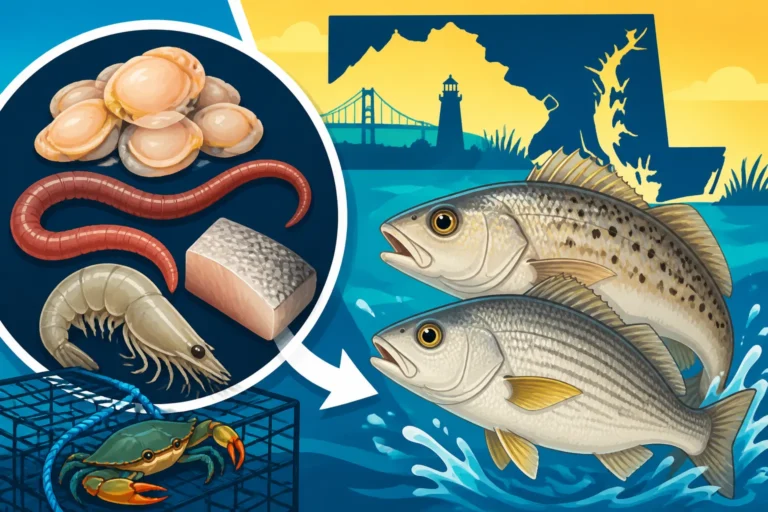
You can't just buy live spot at every tackle shop, especially not in the quantities you might need for a serious live-lining session. Most successful live-liners prefer to catch their own, and it's a rewarding process in itself. Spot are abundant in the shallow, warmer waters of the Chesapeake Bay, particularly in creeks, rivers, and along sandy bottoms during the warmer months, roughly from late spring through fall. The key to catching them quickly and efficiently is using a bottom rig with small hooks, typically size 6 to 10, baited with tiny pieces of bloodworm or Fishbites. Cast these rigs into shallow areas, particularly around docks, piers, or channel edges, and you'll often find yourself reeling in multiple spot at once. A good way to carry a variety of rigs and hooks for catching your own bait is a tackle box, and you can often find comprehensive starter kits or individual components like specialized bait hooks on services like Amazon. Once caught, immediately transfer them to a well-aerated livewell or a large cooler with a portable aerator to keep them healthy and frisky. Remember, a lively spot is a productive spot! For more details on where these smaller fish are abundant, you might want to read about Spot and Croaker in Maryland Waters.
Essential Gear for Live-Lining Success
When you're live-lining for big rockfish, you're essentially going into battle, and you need the right tools for the job. Your gear needs to be robust enough to handle the powerful runs and sudden strikes of a large striped bass, while also being sensitive enough to detect subtle bites. Skimping on tackle here can lead to heartbreak.
Rods and Reels for the Fight
For live-lining, you'll want a medium-heavy to heavy action rod, typically seven to eight feet long. This length provides good casting distance when needed and sufficient leverage to fight a strong fish, especially around structure. The backbone of the rod should be strong enough to absorb the shock of a strike and muscle a big fish away from obstacles like bridge pilings or oyster reefs, yet the tip should have enough sensitivity to feel the spot's nervous wiggles and the initial thump of a rockfish bite. Paired with this, a conventional baitcasting reel or a robust spinning reel in the 5000-7000 size range is ideal. Look for a reel with a smooth, reliable drag system and a high line capacity, capable of holding at least 200-300 yards of 20-30 pound test line. Brands like Penn, Shimano, or Daiwa offer excellent options that are widely available and well-regarded for their durability in saltwater applications. If you're looking for a good starting point, many reputable brands offer rod and reel combos specifically designed for saltwater fishing, which can be found with ease on platforms like Amazon.
Line, Leaders, and Terminal Tackle
Your main fishing line should be a strong braided line, typically 20-40 pound test. Braided line offers superior sensitivity, minimal stretch, and impressive breaking strength for its diameter, which is crucial when fishing around structure or feeling those faint bites. To this, you'll want to connect a fluorocarbon leader, usually 30-50 pound test, for its abrasion resistance and invisibility underwater. The length of your leader can vary, but a three to five-foot section is a good starting point. This leader is then tied to a sturdy circle hook, ranging from 5/0 to 8/0, depending on the size of your spot and the target rockfish. Circle hooks are essential for live-lining because they are designed to hook fish in the corner of the mouth, minimizing gut-hooking and improving the chances of a healthy release, which is particularly important for species like striped bass where conservation is key. Lastly, you'll need an egg sinker or a similar type of weight to get your spot down to the desired depth. The weight of the sinker will depend on the current and depth, but a 1/2 oz to 2 oz egg sinker is common, allowing the spot to swim somewhat freely. A small swivel connecting your main line to your leader is also a good idea to prevent line twist. Remember, every component in your terminal tackle must be strong and reliable, as it's the only thing connecting you to that potential trophy.
Mastering the Art of Presenting Your Live Spot
Catching spot and having the right gear is only half the battle. The true art of live-lining lies in how you rig and present your bait. A poorly rigged spot will die quickly or swim unnaturally, while a perfectly presented one will entice even the most wary rockfish.
Rigging Your Live Spot Effectively
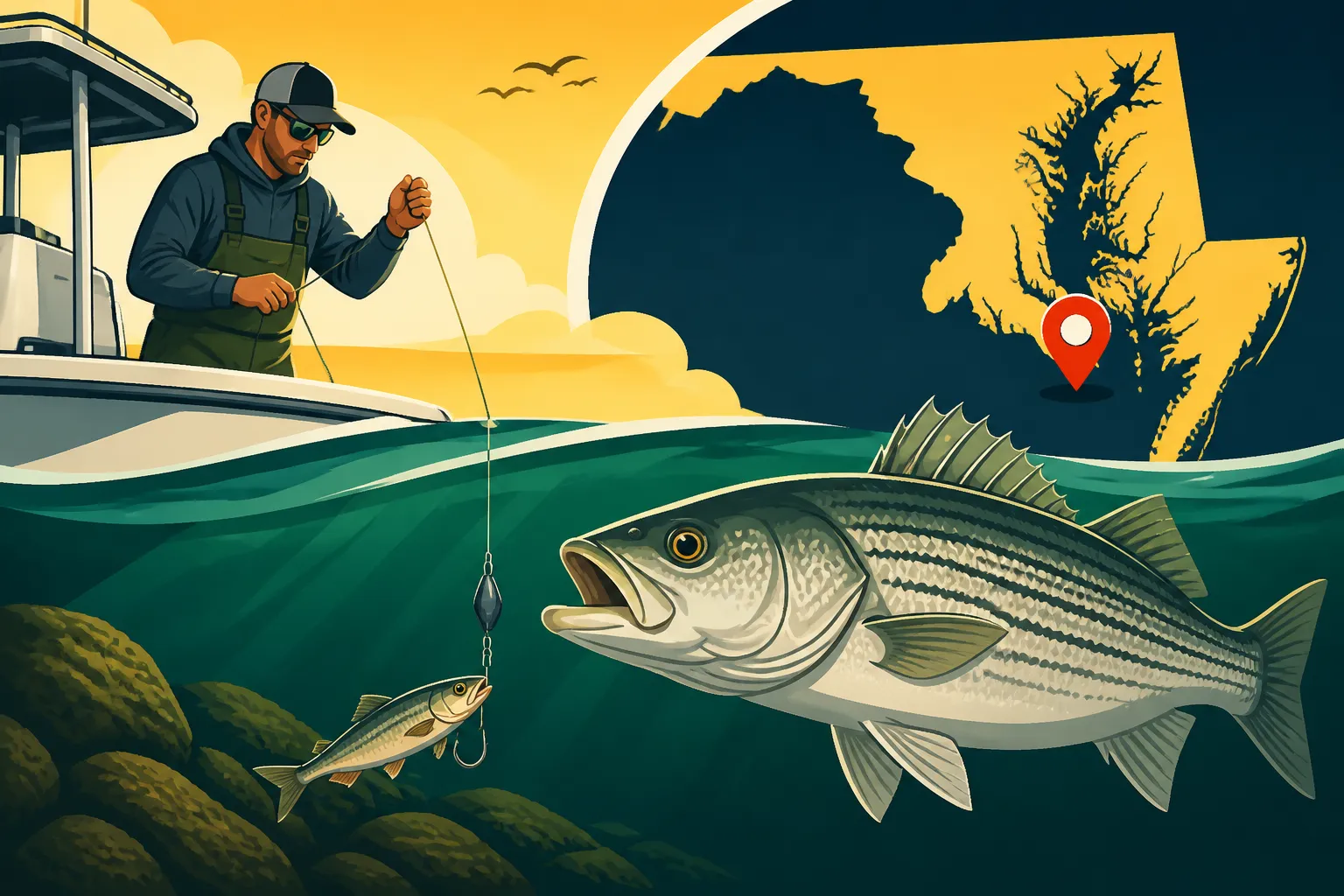
There are a few popular ways to rig a live spot, each with its own advantages. The most common and effective method is to hook the spot through the nose, just above the nostrils. This allows the spot to swim freely and naturally without the hook impeding its mouth or gills, maximizing its liveliness. Ensure the hook point is fully exposed for a solid hookset. Another method is to hook the spot through the back, just behind the dorsal fin. This can be effective if you want the spot to stay closer to the bottom or if you're dealing with very aggressive strikes, but it can sometimes stress the spot more, potentially shortening its lifespan. Always use a circle hook, and thread it carefully to avoid major organs. When fishing with a sinker, ensure it's a slip sinker that allows the line to run freely through it, giving the fish a chance to take the bait without feeling immediate resistance. This subtle presentation makes the spot appear more natural and less suspicious to a hungry rockfish.
Where and How to Deploy Your Bait
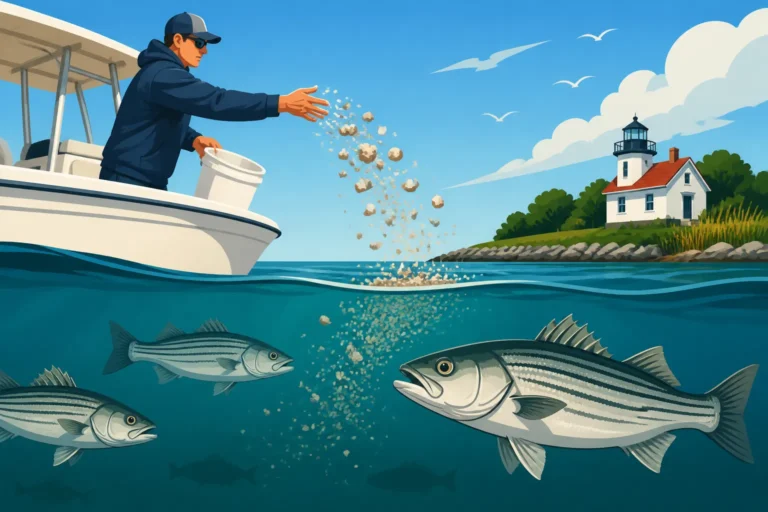
Once rigged, the deployment of your live spot is critical. Striped bass often congregate around structure, current breaks, and drop-offs. Think about areas like bridge pilings, channel edges, oyster reefs, or even submerged wrecks. These spots provide ambush points for predatory fish. Cast your live spot up-current or up-tide from your target structure and allow the current to carry it naturally into the strike zone. If you're fishing near bridge pilings, for example, cast it a bit ahead and let it drift back right alongside the concrete. The goal is to make your spot look like it's just swimming along, unaware of the lurking predator. If you're anchored, you can simply drop your bait straight down, letting it drift back with the current, or cast it out a short distance. Pay close attention to your line and the rod tip; you'll often feel the spot's erratic movements as a rockfish approaches, followed by a distinct pull or solid thump. For further reading on targeting these areas, consider checking out articles like Fishing Maryland's Chesapeake Bay, A Complete Guide or Best Time of Day to Fish Maryland's Chesapeake Bay.
Timing and Tactics for Chesapeake Bay Rockfish
Success with live-lining spot isn't just about the bait and the rig; it's also about understanding the natural rhythms of the Bay. Tides, currents, and even the time of year play a massive role in where rockfish will be and how aggressively they'll feed.
Reading the Bay for Optimal Conditions
The Chesapeake Bay is a tidal estuary, and understanding the tides is paramount for successful live-lining. Generally, the last two hours of an incoming tide and the first two hours of an outgoing tide are often the most productive. These moving water periods concentrate baitfish and create current breaks where striped bass lie in ambush. As the tide rushes in or out, it sweeps baitfish past these structures, making it easier for rockfish to feed. Look for areas where currents create eddies or where baitfish are schooling on your fish finder. Water temperature also plays a significant role; rockfish are more active in cooler waters, typically between 55-70 degrees Fahrenheit. The clarity of the water can also impact your success; clear water makes your live spot more visible, while overly murky water can sometimes reduce strikes, though very murky water can also hide the spot and the line from the rockfish. Weather patterns, especially changes in barometric pressure, can influence fish behavior, often making fish more active before a front and less so immediately after.
Seasonal Strategies for Live-Lining
Live-lining spot is predominantly a warmer weather technique, truly shining from late spring through early fall when spot are abundant and rockfish are actively feeding.
- Spring (May-June): During the post-spawn period, rockfish are hungry and often aggressive, moving out of spawning rivers into the main Bay. This is a prime time for live-lining, especially if you can find schools of hungry fish. This aligns with the Maryland's 2026 Striped Bass Season Dates which includes the highly anticipated trophy season.
- Summer (July-August): As Bay waters warm, rockfish often seek cooler, deeper waters, making them concentrate around channel edges, deeper structure, and oxygenated areas. Live-lining becomes incredibly effective when you can find these deeper schools. While August is known for certain Maryland Striped Bass Season and Rockfish Rules closures, targeting other species or fishing catch-and-release can still be productive.
- Fall (September-October): The fall migration is arguably the peak season for live-lining. As temperatures drop, rockfish feed aggressively, preparing for winter. Baitfish, including spot, are plentiful and moving, creating perfect opportunities for anglers. Targeting channel edges, points, and mouths of rivers can be incredibly productive during this period. You'll often find schools of rockfish chasing bait, making live-lining a highly effective method. This is also when you might encounter bigger fish, making it one of the Best Time of Year to Fish in Maryland.
Common Challenges and Troubleshooting
Even with the best gear and conditions, live-lining can present its own set of challenges. Knowing how to troubleshoot these common issues can make the difference between a frustrating day and a successful one.
Keeping Your Bait Lively
The effectiveness of live-lining hinges entirely on the liveliness of your spot. A sluggish or dead spot is far less appealing to a discerning rockfish. Here’s how to keep them kicking:
- Oxygenation: A high-quality aerated livewell or cooler is non-negotiable. Ensure the water is constantly circulating and being aerated. For longer trips or larger quantities of bait, consider a powerful pump. You can find efficient aerators and livewell systems readily on Amazon.
- Water Quality: Use fresh Bay water, and change it periodically, especially if you notice it getting cloudy or if spot start showing signs of stress. Avoid overcrowding your livewell; too many spot in too small a space will deplete oxygen quickly and stress them out.
- Temperature Control: In warmer weather, spot can become lethargic if the water in your livewell gets too hot. A frozen water bottle or a small bag of ice (ensure it's clean and doesn't introduce contaminants like chlorine) can help keep the water cool, especially on scorching summer days.
- Handling: Minimize handling your spot. Every time you touch them, you can remove their protective slime coat, making them vulnerable to disease and stress. Use a small bait net to select and rig your bait carefully and quickly.
Dealing with Unwanted Bycatch and Snags
While live-lining for striped bass, you'll inevitably encounter other species. Sometimes, these are welcome additions to the cooler, but other times they can be a nuisance.
- Blue Catfish: The Chesapeake Bay and its tributaries are teeming with invasive Maryland Blue Catfish, an Invasive Giant. These powerful fish will readily hit a live spot. While they put up a good fight and are excellent table fare, they can quickly deplete your bait supply. If you're consistently catching catfish and not rockfish, consider moving to a different spot or adjusting your depth. If you're interested in specifically targeting them, there's plenty of information on How to Catch Blue Catfish in the Potomac River.
- Other Species: Other bottom dwellers like croaker, large white perch, or even small sharks can sometimes grab your spot. While not the target, these can offer fun diversions. Keep an eye on the Maryland Rockfish Slot Limit Explained and other regulations for keeping various species.
- Snags: Live-lining often happens around structure, which means snags are a real possibility. To minimize this, try to keep your bait just above the structure if possible. If you feel your sinker dragging or hitting bottom too much, lighten your weight or reel in a bit to lift the bait. If you do get snagged, try a steady pull from a different angle to free it, but be prepared to break off and re-tie. Using a lighter leader than your main line can sometimes save your main line, allowing you to re-tie only the terminal tackle.
The Thrill of the Live-Line Strike
There’s a unique adrenaline rush that comes with live-lining spot for rockfish. It's a method that truly engages you with the ecosystem of the Bay, from catching your own bait to carefully presenting it, and finally, feeling that unmistakable thump of a large striped bass taking the offering.
When that rod tip suddenly plunges, or your line starts peeling off the reel, there's no mistaking it. It's often not a gentle tap, but a solid, aggressive take that signals a substantial fish. The moment a big rockfish inhales your live spot, it's an exhilarating experience that keeps anglers coming back for more. With proper technique and a bit of patience, you'll be well on your way to experiencing the excitement of landing a trophy Chesapeake Bay striped bass using this classic and incredibly effective method. Remember that a Maryland Chesapeake Bay Sport Fishing License Explained is required for most of these waters, so make sure you're properly licensed before heading out.
| Live-Lining Spot Key Components | Description | Importance | Best Practice |
|---|---|---|---|
| Baitfish (Spot) | Small, hardy, natural forage fish in the Bay. | Irresistible natural action and scent to striped bass. | Catch fresh, keep lively with aeration and temperature control. |
| Rod | Medium-heavy to heavy action, 7-8 ft, strong backbone, sensitive tip. | Provides leverage, power for fight, and bite detection. | Match to target fish size; ensures control over powerful runs. |
| Reel | Conventional baitcasting or robust spinning (5000-7000 size). | Smooth drag, high line capacity for strong fish. | Choose a durable, saltwater-grade reel with a reliable drag. |
| Main Line | 20-40 lb braided line. | Sensitivity, minimal stretch, strength. | Spool tightly, check for abrasions, use appropriate knots. |
| Leader | 30-50 lb fluorocarbon, 3-5 ft length. | Abrasion resistance, invisibility, shock absorption. | Inspect regularly for nicks; use strong leader knots (e.g., FG or Albright). |
| Hook | 5/0-8/0 circle hook. | Minimizes deep hooking, promotes healthy release. | Hook through nose for natural swim, ensure point is clear. |
| Sinker | 1/2 oz – 2 oz slip egg sinker. | Gets bait to depth, allows free movement of line. | Adjust weight to current and depth; ensures bait drifts naturally. |
| Livewell/Aerator | Keeps bait oxygenated and cool. | Crucial for maintaining bait liveliness. | Adequate size for bait quantity, reliable pump, monitor water quality. |
Disclaimer
Fishing regulations, seasons, and size limits can change frequently. Always consult the latest Maryland Department of Natural Resources (DNR) guidelines before heading out on the water. This information is intended for educational purposes only and should not be considered a substitute for official regulations.