Fishing the Elk River Near Elkton
Trying to navigate a new fishing spot can feel like a guessing game, especially when you're dealing with a river as diverse as the Elk River in Maryland. It's a place where freshwater meets tidal influence, creating a unique challenge and exciting opportunities for anglers of all stripes. This guide is here to break down everything you need to know about fishing the Elk River near Elkton, from pinpointing the best spots to understanding the local regulations, ensuring your next outing is less about frustration and more about reeling in a great catch.
Elk River's Dynamic Fishing Environment
The Elk River is truly a special place, carving its way through Cecil County before emptying into the vast Chesapeake Bay. It’s not just a river; it’s an ecosystem that changes as you move downstream, offering different angling experiences and a wide array of fish species. Understanding its unique characteristics is the first step to a successful fishing trip here.
Tidal Influences and Habitat Diversity
What makes the Elk River so fascinating, and sometimes a bit tricky, is its direct connection to the Chesapeake Bay. This means that even miles upstream, close to Elkton, you’ll feel the ebb and flow of the tides. These tidal movements aren't just about water levels; they dictate where fish feed, when they're most active, and how currents carry bait. The lower sections of the river, closer to the Bay, are distinctly brackish, while the upper reaches near Elkton become progressively fresher, albeit still influenced by daily tides.
This blend of tidal freshwater and brackish water creates incredible habitat diversity. You’ll find deep channels, expansive shallow flats, submerged grass beds, oyster reefs (though less prevalent in the freshest parts), and plenty of fallen timber and dock pilings. Each of these structures holds different species at different times of the year and tide cycles. For instance, the deeper channels and points are prime for targeting larger migratory fish like striped bass, especially during their runs. Meanwhile, the shallower, weedy areas and structure in the upper river are perfect for largemouth bass and northern snakehead.
Target Species and Seasonal Opportunities
The Elk River truly shines with its variety of fish. Depending on the season and where you cast your line, you could be hooking into several exciting species. During the spring and fall, the river is a major thoroughfare for migratory fish. This is when you'll find strong runs of White Perch in Maryland's Chesapeake Bay moving into the tributaries to spawn, providing some fast-paced action. You'll also encounter plenty of Striped Bass: Maryland's State Fish, often referred to as rockfish, moving in and out of the river as they transition to and from their spawning grounds in the upper Bay.
As the weather warms into summer, the Elk River becomes a fantastic location for resident species. Largemouth Bass Fishing in Maryland is excellent in the calmer, shallower sections, especially where there's plenty of submerged vegetation or structure like fallen trees. The river also boasts a healthy population of Maryland Blue Catfish, an Invasive Giant, which can be caught year-round, often growing to impressive sizes. And, of course, the infamous Northern Snakehead in Maryland Waters has made its home here, offering a unique and aggressive fishing experience for those looking to target this invasive species. Winter, while quieter, can still yield good catches of blue catfish and even some striped bass hunkered down in deeper holes.
Navigating the Elk River: Boating and Shore Access
Accessing the Elk River is relatively straightforward, whether you prefer fishing from a boat or sticking to the shore. For boaters, several public and private ramps dot the river and its tributaries. Near Elkton, you'll find facilities like the Elk River Park boat ramp which offers easy access to the upper tidal freshwater sections. Further downstream, closer to the Bay, locations like Bohemia River State Park or waterfront marinas provide access to the broader, brackish waters. It's always a good idea to check local charts or satellite maps to understand the depths, especially at lower tides, as some areas can become quite shallow.
Shore anglers also have good options, though they might require a bit more exploration. Elk River Park in Elkton offers pier and shoreline access. Along the river, there are numerous small pull-offs and public lands, though some might require a short hike to reach productive waters. Elk Neck State Park, while primarily on the Bay, also offers some potential shoreline spots where you can target fish moving in and out of the river. When planning your trip, consider using online mapping tools or local fishing forums to pinpoint popular and accessible shore fishing locations. If you're looking for a guided experience to get acquainted with the local hotspots, platforms like FishingBooker can help you connect with experienced captains who know the river intimately.
Prime Fishing Spots Along the Elk River
Knowing the general characteristics of the Elk River is one thing, but pinpointing the truly productive areas is where experience comes in. The river offers a variety of environments, each with its own charm and typical species.
Fishing the Mouth of the Elk River
Where the Elk River meets the Chesapeake Bay, the waters are predominantly brackish and tidal, making it a prime location for migratory species and larger game fish. This area is characterized by broader expanses of water, deeper channels, and numerous points and drop-offs. Anglers often focus their efforts around areas where the main river channel converges with the Bay, as these are natural ambush points for fish. Look for structure like submerged rock piles, navigation markers, and especially the edges of channel drop-offs, which can hold schools of baitfish and, consequently, hungry predators.
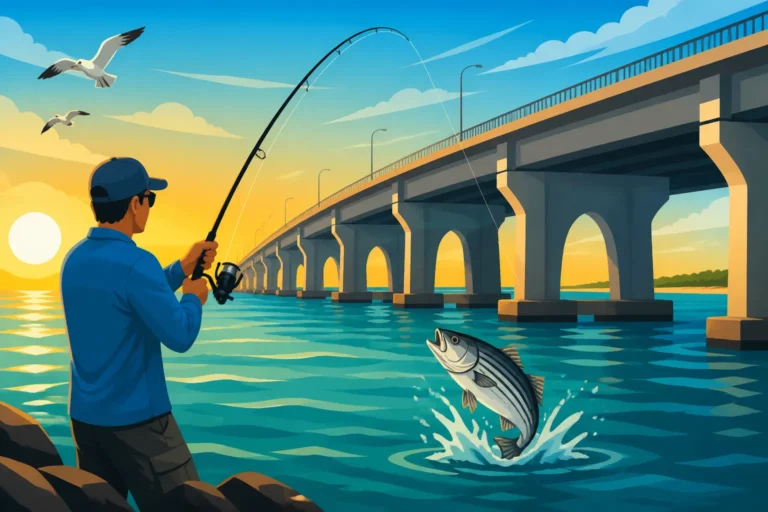
During the spring and fall, these lower river sections are fantastic for striped bass. Trolling with bucktails or swim shads along channel edges is a popular and effective method. You can also anchor up on a good drop-off and try chumming for striped bass, a technique that can really draw them in. White perch are also abundant here, often found in deeper pockets or around hard bottom. Using bottom rigs with bloodworms or grass shrimp can yield a cooler full of these tasty panfish. The strong tidal currents here mean you'll need heavier tackle sometimes, but the rewards can be well worth the effort.
Exploring the Creeks and Tributaries
The Elk River is fed by several significant creeks and tributaries, each offering its own distinct fishing experience. Back Creek, which flows past Chesapeake City, and the larger Bohemia River, which joins the Elk just before the Bay, are two notable examples. These tributaries often have calmer waters and are less influenced by the main Bay's waves, making them ideal for smaller boats or kayak fishing. They also tend to warm up faster in spring, attracting fish earlier in the season.
These creeks are hotbeds for largemouth bass, especially in areas with lily pads, docks, and submerged logs. Spinnerbaits, crankbaits, and soft plastics fished around structure can be incredibly effective. The tidal sections of these creeks are also excellent for Maryland Blue Catfish Possession Rules which are found in almost every deeper hole and bend. Cut bait, like pieces of Gizzard Shad or even chicken, fished on the bottom, will consistently bring in catfish. Additionally, northern snakeheads thrive in these shallower, vegetated tributaries. Targeting them with topwater frogs or weedless soft plastics in lily pad fields or dense grass is an exhilarating experience. Remember, if you catch a snakehead, Maryland regulations require you to kill it.
Fishing Near Elkton and Upstream
As you move further upstream towards Elkton, the river gradually transitions into a more freshwater-dominated environment, though still retaining its tidal pulse. The waters become narrower, and the banks are often lined with more natural cover like trees and brush. Public access points like Elk River Park in Elkton offer excellent opportunities for shore anglers and those launching smaller boats. The bridges and culverts near Elkton create eddies and current breaks that are natural holding spots for fish, particularly largemouth bass and catfish.
In these upper reaches, largemouth bass are the primary target, thriving in the slower currents and abundant structure. Look for laydowns, submerged trees, and any visible cover. Topwater lures are especially effective during low light conditions, while jigs and plastic worms work well throughout the day. The blue catfish population here is robust, with anglers often finding success near deeper holes created by bends in the river or below bridge pilings. For those interested in a guided experience, some guides listed on FishingBooker specialize in these upper river sections, focusing on species like bass and snakehead that prefer this habitat. Even though the water is fresher here, checking Maryland Nontidal vs Tidal Fishing License, Explained is crucial to ensure you have the correct permit for these transition zones.
Essential Techniques and Gear for Elk River Anglers
Fishing the Elk River requires a bit of adaptability, given its varied environments and target species. Having the right techniques and gear in your arsenal will significantly increase your chances of success.
Baits and Lures for Success
The key to successful fishing in the Elk River is matching your bait or lure to the target species and current conditions. For Maryland Striped Bass Season and Rockfish Rules and white perch in the lower, brackish sections, live bait like spot, perch, or bloodworms can be incredibly effective, especially when live-lining or bottom fishing. Artificials like bucktail jigs, soft plastic swim shads (chartreuse, white, or pearl are popular colors), and metal spoons work wonders when retrieved near structure or trolled in deeper channels.
When targeting largemouth bass in the creeks and upper river, a variety of bass baits are essential. Spinnerbaits are great for covering water and fishing around sparse cover. Crankbaits are excellent for targeting different depths and mimicking baitfish. For working through heavy cover like lily pads or dense grass, weedless soft plastics like frogs, worms, and creature baits are indispensable. For blue catfish, it's hard to beat fresh cut bait – pieces of gizzard shad, menhaden, or even chicken liver fished on a simple bottom rig are highly effective. For the elusive Maryland Snakehead Fishing Rules, topwater frogs and chatterbaits are prime choices, especially when fished over vegetation.
Understanding Tides and Currents
Given the Elk River's tidal nature, understanding and utilizing the tides is paramount to consistent success. The phrase "no run, no fun" holds particularly true here. Moving water, whether incoming or outgoing, stimulates fish activity, concentrating baitfish and creating ambush points. The best fishing often occurs during the periods of strongest current, typically around the middle of the incoming or outgoing tide. Slack tide, when the water is largely still, can be slower.
Before heading out, always consult a tide chart for the Elk River or a nearby station on the Chesapeake Bay. Plan your fishing around these peak current times. For example, if you're targeting striped bass near a point, positioning yourself to cast into the current, letting your lure or bait drift naturally, can be incredibly productive. For largemouth bass in a creek, an outgoing tide might draw baitfish out of shallow grass beds, making them easier targets. Conversely, an incoming tide might push fish further into those same grass beds, requiring a different approach. Learning How Tides Affect Fishing in Maryland's Chesapeake Bay will give you a significant advantage on the Elk River.
Seasonal Strategies and Best Practices
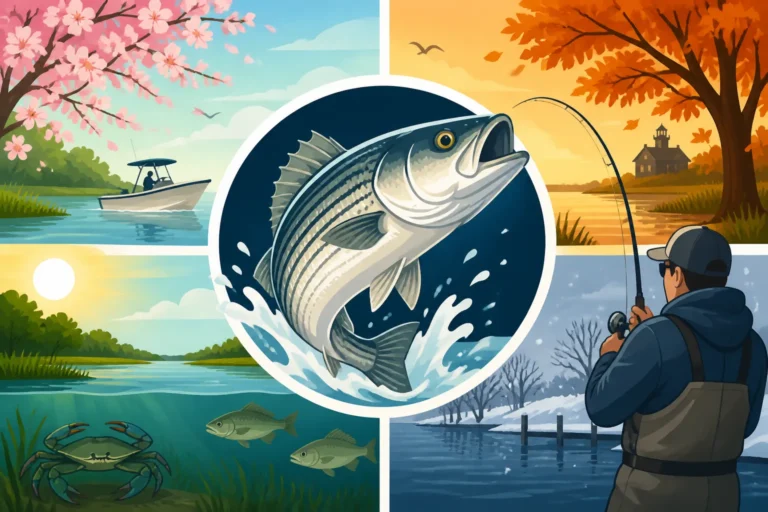
Fishing the Elk River successfully means adapting your strategies to the changing seasons. Spring brings migratory runs of striped bass and white perch. During this time, focus on the lower river and the mouths of tributaries where fish are staging or spawning. Live-lining small baitfish or casting jigs are highly effective. Early spring also sees increased activity from largemouth bass as waters warm, making shallow-water tactics viable.
Summer fishing often means heading out early or staying late to avoid the heat and boat traffic. The low light hours are prime for topwater action for bass and snakehead. During the day, fish will often seek deeper, cooler water or dense cover. This is a great time to target blue catfish, which remain active throughout the summer. Fall sees a resurgence of activity, similar to spring, as fish fatten up for winter. Striped bass and white perch return, often aggressively feeding on baitfish pushed out of the creeks. Trolling and jigging become highly effective again. Winter is the slowest season, but not without opportunity. Deep holes in the upper and lower river hold schools of blue catfish, and patient anglers might find resident striped bass in similar deep-water haunts.
Regulations and Conservation for the Elk River
As with any fishing destination in Maryland, understanding and adhering to the local regulations is not just about staying out of trouble; it's about preserving the incredible fishery that the Elk River offers for future generations.
Maryland Fishing Licenses and Permits
Before you even think about casting a line in the Elk River, you need to make sure your paperwork is in order. Maryland requires all anglers aged 16 and older to possess a valid fishing license. For the Elk River, which transitions from tidal to non-tidal freshwater, you'll generally need a Chesapeake Bay and Coastal Sport Fishing License if you're fishing the lower, brackish sections, and potentially a Non-tidal Sport Fishing License for the uppermost freshwater parts, though often the Chesapeake Bay license covers enough of the tidal freshwater to be sufficient for most anglers.
It's always best to check the Maryland Department of Natural Resources (DNR) website or their annual fishing guide for the most up-to-date information, as regulations can change. If you're planning a trip, consider looking into a Maryland Fishing License Guide for 2026 to ensure you have the correct license for your specific plans. Remember, children under 16 generally don't need a license, making fishing a fantastic family activity.
Size and Creel Limits
Maryland has specific size and creel (daily bag) limits for most game fish, and these are strictly enforced to manage fish populations sustainably. For popular species like striped bass, the regulations can be complex, often involving slot limits (a range of sizes you can keep) and specific seasons, which can vary by water body (e.g., Bay vs. Atlantic Ocean). Maryland Striped Bass Season and Rockfish Rules are particularly important to follow, as violations can lead to hefty fines.
For blue catfish and northern snakehead, the rules are quite different. As invasive species, there are typically no size or creel limits, and anglers are actively encouraged to harvest them. In fact, for snakehead, it's illegal to release them alive. Other species like largemouth bass, white perch, and various panfish will have their own specific limits. A good practice is to carry a copy of the current Maryland Fishing & Boating Guide with you, either physically or digitally, and check Maryland Daily Bag Limits by Species before each trip. When fishing with a guide found through FishingBooker, they will always ensure you're aware of and comply with all current regulations.
Protecting the Elk River's Ecosystem
Beyond simply following the rules, responsible angling plays a huge role in protecting the Elk River's delicate ecosystem. Practicing catch and release, especially for species you don't intend to keep or for trophy-sized fish, helps maintain healthy populations. If you do catch and release, handle fish gently, minimize their time out of water, and use appropriate tools like de-hookers to reduce stress. Barbless hooks can also make releasing fish much easier and less damaging.
Proper disposal of trash, fishing line, and old bait is crucial. The Elk River, like much of the Chesapeake Bay watershed, is susceptible to pollution, and we all have a part to play in keeping it clean. Be mindful of propeller wash in shallow grass beds, which can damage vital habitat. Finally, for invasive species like blue catfish and snakehead, it's important to understand their impact and follow the guidelines for their removal. By educating ourselves and acting responsibly, we can ensure the Elk River remains a vibrant and productive fishery for years to come.
Elk River Fishing Overview
| Section of River | Primary Target Species | Recommended Techniques | Best Seasons |
|---|---|---|---|
| Lower River/Bay Mouth | Striped Bass, White Perch, Blue Catfish, Croaker | Trolling, Live-lining, Bottom Fishing (cut bait/bloodworms), Jigging | Spring, Fall (Striped Bass); Year-round (Catfish); Summer (Perch/Croaker) |
| Mid-River Creeks | Largemouth Bass, Northern Snakehead, Blue Catfish, White Perch | Topwater, Spinnerbaits, Jigs, Soft Plastics (weedless), Bottom Fishing | Spring, Summer, Fall |
| Upper River (near Elkton) | Largemouth Bass, Blue Catfish, Crappie, Panfish | Jigs, Plastic Worms, Crankbaits, Bottom Fishing (cut bait/worms) | Spring, Summer, Fall |
Disclaimer
The information provided in this guide is for general informational purposes only and is subject to change. Fishing regulations, seasons, and limits are frequently updated by the Maryland Department of Natural Resources (DNR). It is the angler's responsibility to consult the most current Maryland DNR fishing guide or website before fishing to ensure compliance with all applicable rules and regulations.