Fishing Solomons Island and the Patuxent Mouth
The mouth of the Patuxent River, particularly around Solomons Island, often beckons with the promise of fantastic fishing, but knowing where to start can feel like navigating a maze. Anglers, whether seasoned veterans or curious newcomers, frequently grapple with the sheer diversity of water types and the constantly changing regulations, making a successful trip seem daunting without solid local knowledge. This guide will meticulously break down everything you need to know about fishing Solomons Island and the surrounding Patuxent River mouth, offering practical advice to help you hook into some incredible Maryland catches.
Why Solomons Island is a Premier Fishing Destination
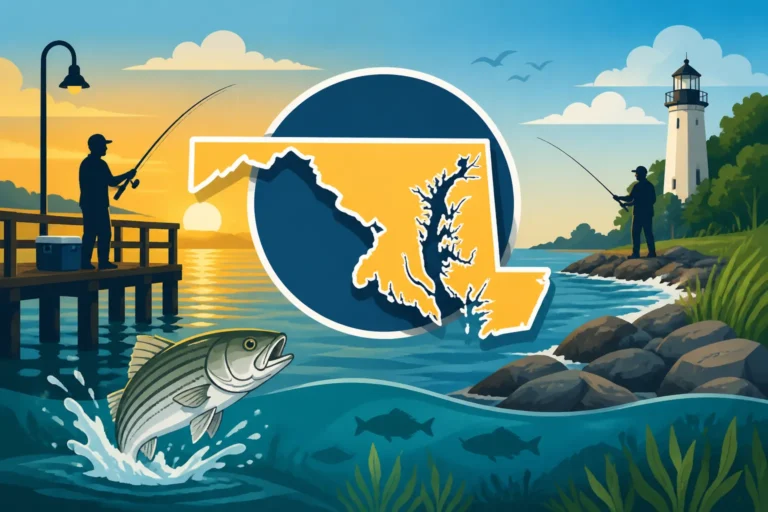
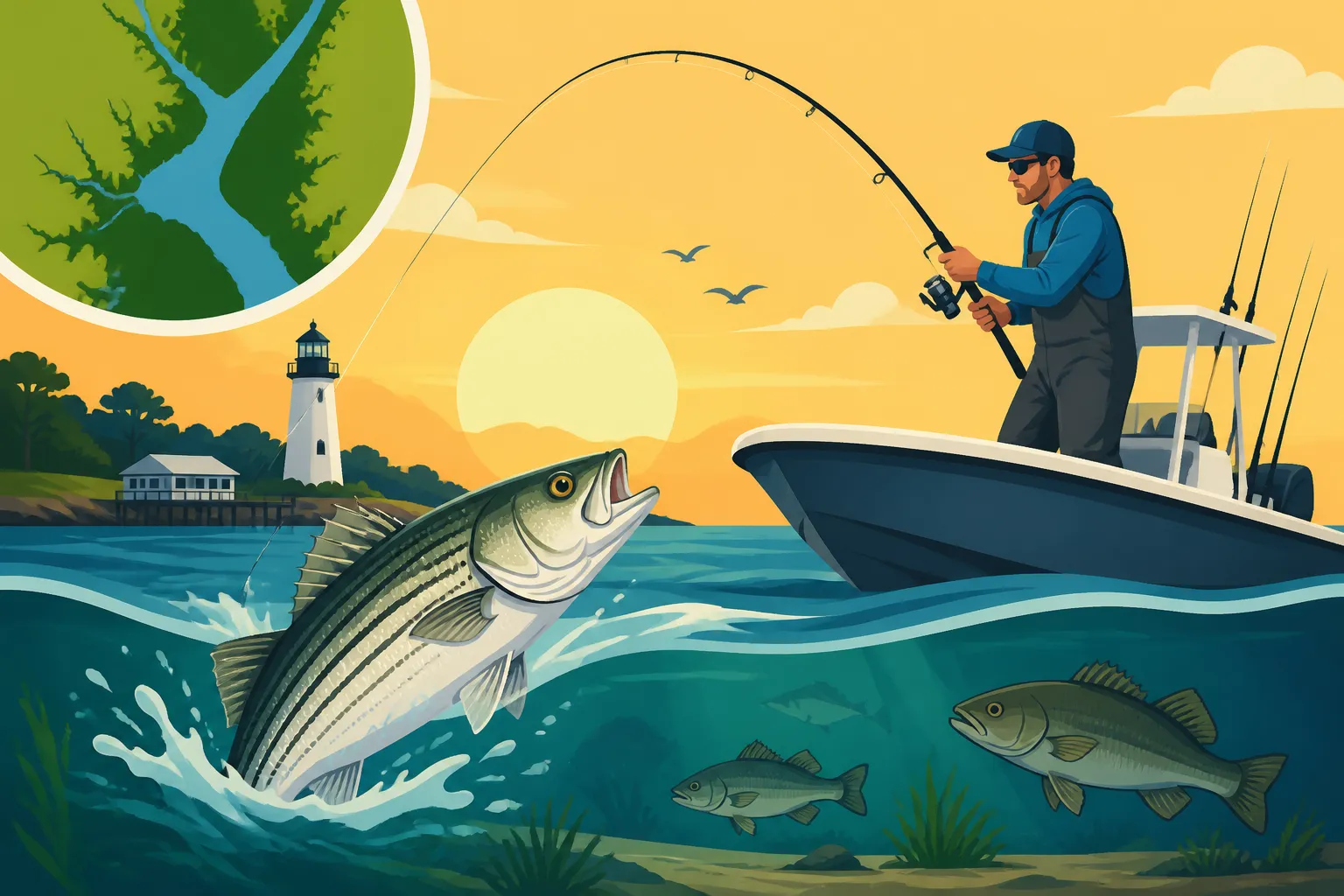
Solomons Island isn't just a charming waterfront town; it's a genuine hotspot for anglers due to its prime location right at the gateway of the Patuxent River and the Chesapeake Bay. This unique geographical confluence creates an incredibly rich and diverse fishery that attracts a wide array of species throughout the year. It's a place where the fresh water meets the salty embrace of the Bay, fostering an ecosystem teeming with life.
The Unique Geography of the Patuxent River Mouth
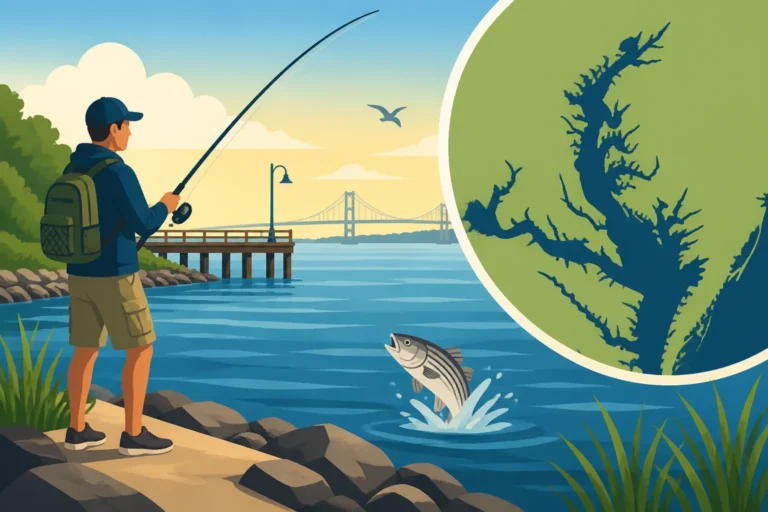
The Patuxent River, Maryland's longest tidal river, empties into the Chesapeake Bay directly adjacent to Solomons Island. This intersection means you have access to deep channels carved by millennia of flow, expansive shallow flats, marshy edges, and even submerged structures like oyster beds and artificial reefs. These varied habitats provide shelter and feeding grounds for countless fish, from anadromous species making their spawning runs to resident predators and bottom dwellers. The dynamic tidal influences here are significant, constantly moving baitfish and creating current breaks where larger fish lie in wait. Understanding the rhythm of these tides is often the key to unlocking success.
The river mouth itself is characterized by a mix of bottom compositions, from soft mud in shallower coves to sand and shell in the main channels and near submerged structures. This variety supports different types of marine life, from tiny crustaceans and worms that bottom feeders crave, to schools of baitfish like menhaden and spot, which are magnets for larger predatory fish. The intricate network of creeks and coves branching off the main river also provides sheltered areas, especially useful during periods of strong winds or rough Bay conditions. These calmer waters are often overlooked but can hold fantastic fishing, particularly for species like white perch and even largemouth bass further upriver.
Abundant Fish Species Year-Round
One of the greatest appeals of fishing the Solomons Island area is the sheer abundance and diversity of fish you can target. Throughout the year, the waters here host a veritable parade of species, each offering a unique challenge and reward. Spring brings the eagerly anticipated runs of anadromous fish, while summer offers a mixed bag of schooling fish and bottom dwellers. Fall sees the mighty striped bass return in force, and even winter can provide opportunities for hardy anglers.
From the hard-fighting Striped Bass (often called Rockfish locally) that Maryland is famous for, to the delectable White Perch, toothy Bluefish, and plentiful Croaker and Spot, there's always something biting. You might even encounter various catfish species, including the invasive Blue Catfish, or stalk the elusive Northern Snakehead in the shallower, brackish waters. Further out towards the Bay, you could find Spanish Mackerel during warmer months or even a flounder hiding on the bottom. This incredible variety ensures that no matter your preferred fishing style or target species, the Patuxent River mouth has something special in store for you.
Targeting Popular Species Around Solomons
When you're fishing the Solomons Island area, you'll quickly realize that certain species steal the spotlight due to their prevalence, fighting spirit, or culinary appeal. Knowing what to expect and how to approach these fish can dramatically improve your chances of a memorable trip.
Chasing Striped Bass Rockfish
Ah, the Striped Bass, or "Rockfish" as we lovingly call them here in Maryland – they're practically royalty in these waters! Fishing for them around Solomons Island and the Patuxent mouth is a year-round passion, though their presence and how you target them shift dramatically with the seasons. Spring brings the famed trophy season, where larger fish make their way up the Bay to spawn, often pausing to feed near the Patuxent mouth. This is when many anglers will troll large plugs or live-line hefty baitfish like eels or bunker. The Maryland Striped Bass Season and Rockfish Rules are crucial to understand, as specific dates and areas, like the Patuxent, have precise regulations regarding retention.
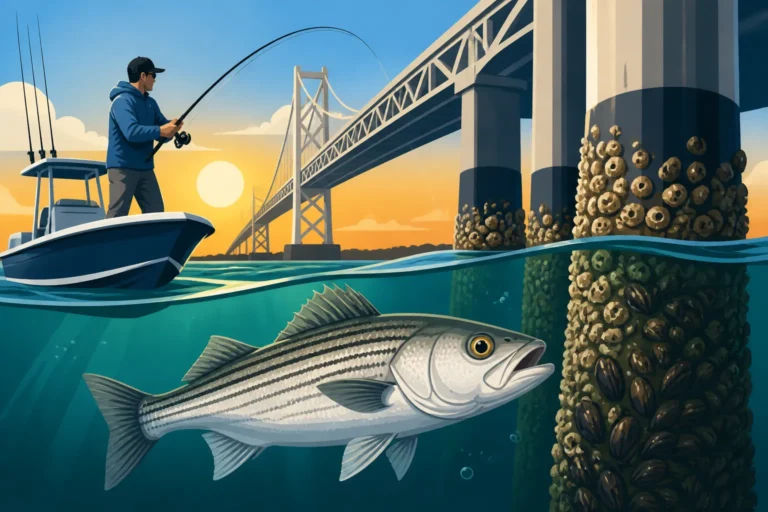
As the waters warm into summer, the larger striped bass tend to move to deeper, cooler channels, but schooling fish can still be found chasing baitfish near structure or current breaks. This is a fantastic time for jigging with soft plastics or metal spoons, especially around bridge pilings (like the Route 4 bridge) or channel edges. When fall arrives, the Patuxent mouth truly comes alive again with the "fall run" as striped bass migrate south, aggressively feeding before winter. Techniques like Chumming and Chunking for Maryland's Chesapeake Bay Striped Bass become highly effective, creating a scent trail that draws fish in. Live-lining spot or eels remains a deadly tactic, especially for those seeking bigger fish. Always double-check the Maryland's 2026 Striped Bass Season Dates and be aware of the Maryland Rockfish Slot Limit Explained, as these regulations are frequently updated to protect the stock.
Productive White Perch and Bottom Fishing Opportunities
Beyond the striped bass, Solomons Island offers fantastic opportunities for a more relaxed, yet incredibly rewarding, fishing experience targeting white perch and other bottom dwellers. White perch are arguably one of the most consistent and fun fish to catch, often found in impressive numbers. In the spring, they undertake spawning runs into the shallower creeks and tributaries of the Patuxent, where they can be caught on small jigs, spinnerbaits, or tiny pieces of bloodworm or grass shrimp fished on the bottom. It's a rite of passage for many Maryland anglers, and these "perch runs" are a true local delight.
Throughout the summer and fall, white perch can be found almost anywhere in the Patuxent mouth, from shallow oyster reefs to deeper channels. They are voracious eaters and respond well to bottom rigs baited with small pieces of bloodworm, grass shrimp, or squid. Using ultra-light tackle makes fighting these feisty fish an absolute blast. While targeting perch, you'll often pick up other delicious bottom fish like spot and croaker, especially during the warmer months. Spot are known for their distinctive spot behind their gill plate and are excellent panfish, while croaker offer a stronger fight and a satisfying "croaking" sound when caught. A simple two-hook bottom rig with a small weight is all you need for endless action with these accessible and tasty species.
Encountering Invasive Blue Catfish and Snakehead
While many anglers focus on native species, the Patuxent River, like much of Maryland's tidal waters, is also home to formidable invasive species that offer unique angling challenges and opportunities. The Blue Catfish, in particular, has established a strong foothold and can be found in impressive sizes, especially further upriver from Solomons. These giants are powerful fighters and are known for their seemingly endless appetites. The good news is that Maryland encourages anglers to keep all blue catfish caught due to their detrimental impact on native ecosystems, meaning there are no size or creel limits for them. It's a true win-win: you get to help the environment and take home some delicious fillets.
For blue catfish, heavy tackle is often necessary. Cut bait, like pieces of fresh menhaden, gizzard shad, or even chicken liver, fished on the bottom with a sturdy circle hook and heavy sinker, is the most effective method. Similarly, the Northern Snakehead, an aggressive predatory fish, has also become established in the shallower, vegetated areas of the Patuxent and its tributaries. These fish are known for their striking appearance and explosive topwater bites. Fishing for snakeheads often involves targeting thick vegetation with weedless frogs, buzzbaits, or soft plastic swimbaits. The Maryland Blue Catfish Possession Rules and Maryland Snakehead Fishing Rules are important to remember, as they explicitly state that these invasive species should not be released back into the water alive. Catching them is not only a thrilling experience but a service to Maryland's native fish populations.
Best Fishing Spots and Access Points Near Solomons Island
One of the beauties of fishing near Solomons Island is the variety of access points and productive waters available, whether you prefer to fish from shore or launch a boat. The area caters to all types of anglers, from those seeking a leisurely day on a pier to serious boaters chasing trophy fish in open water. Knowing where to go can make all the difference in your fishing success.
Public Piers and Shoreline Access
For those without a boat, or simply preferring the convenience of land-based angling, Solomons Island offers a few excellent options. The most prominent is the Solomons Island Public Pier, located right in the heart of the village. This pier extends into the Patuxent River, providing access to deeper water and passing schools of fish that shore anglers might otherwise miss. It's a fantastic spot for catching white perch, spot, croaker, and even the occasional striped bass, especially during twilight hours or strong tidal movements. The pier is well-maintained and provides ample space, making it a family-friendly destination. A common concern for many new anglers is whether a license is required for pier fishing; generally, a Maryland fishing license is indeed needed, so check the specific regulations. Many piers don't exempt you from a license.
Further down the Patuxent, though a bit of a drive, you can find other shoreline access points. While Calvert Cliffs State Park is renowned for its fossil hunting, portions of its shoreline might offer limited fishing opportunities depending on regulations and accessibility, typically targeting bottom fish. Another less formal option might be public access points near Drum Point or other small community parks that border the river, though these often require local knowledge to find and navigate. The ease of access from Solomons Island proper makes the public pier a natural first choice for many. Remember to respect private property signage and always practice leave-no-trace ethics when fishing from shore.
Productive Boating Zones and Channels
If you have a boat, the entire Patuxent River mouth truly opens up, offering an incredible array of productive fishing grounds. The deep main channels of the Patuxent River are prime locations for striped bass, especially when they are schooled up or migrating. These channels often have pronounced ledges and drop-offs that fish use as ambush points. Jigging or trolling along these contours can be incredibly effective. A major hotspot is the area around the Route 4 Bridge pilings. These structures act as artificial reefs, concentrating baitfish and attracting predatory species like striped bass and tautog (during cooler months). Anchoring and chumming near the pilings, or jigging vertically, are popular and productive techniques here.
Beyond the main channel, explore the mouths of tributary creeks like Mill Creek or Hellen Creek. These areas offer a mix of depths, oyster reefs, and marsh edges that are magnets for white perch, bluefish, and even some largemouth bass or snakeheads in the fresher sections. The extensive flats behind Drum Point also deserve attention, particularly for flounder and smaller schooling fish. For those looking to launch their boat, Solomons Island boasts several excellent marinas that offer ramps and transient slips, such as Solomons Yachting Center or Calvert Marina. You can find more information about Fishing Solomons Island Marinas and other boat launching options to plan your trip efficiently. The deeper waters extending out into the Chesapeake Bay from the Patuxent mouth can also be incredibly fruitful for species like bluefish, Spanish mackerel, and even occasional red drum depending on the season and water temperatures.
Fishing the Patuxent River's Tributaries
Don't let the vastness of the Patuxent main stem overshadow the hidden gems found within its numerous tributaries. These smaller creeks and coves offer a different kind of fishing experience, often more tranquil and intimate, and can be incredibly productive, especially when the main river or Bay gets choppy. For example, Battle Creek and St. Leonard Creek are known for their abundant white perch populations, especially during their spring spawning runs. Drifting small baits or casting tiny jigs into the deeper bends or around submerged structure in these creeks can yield impressive catches.
These tributaries often have slightly fresher water conditions further upstream, which means you might encounter species like largemouth bass in addition to the usual tidal suspects. Places like Mill Creek, closer to Solomons, offer excellent opportunities for a mixed bag, with white perch, smaller striped bass, and even some blue crabs often inhabiting its waters. Kayak and canoe anglers particularly love these areas for their accessibility and the ability to quietly navigate shallow, productive zones that larger boats cannot reach. Exploring these backwaters provides a fantastic way to escape the crowds and discover some truly rewarding fishing, particularly for those who appreciate calmer waters and a focus on panfish or bass.
Essential Gear and Techniques for Solomons Fishing
Having the right gear and understanding the most effective techniques can turn a good fishing trip into a great one, especially in a dynamic environment like the Patuxent River mouth. The diverse species and water conditions demand a versatile approach.
Recommended Rods, Reels, and Lines
For general fishing around Solomons Island, versatility is your best friend. A medium-light to medium-heavy spinning rod in the 6'6" to 7'6" range will cover most of your bases, allowing you to cast everything from light jigs for perch to heavier lures for striped bass. Pair this with a reliable spinning reel in the 2500-4000 series, spooled with 15-30 lb braided line. Braid offers superior sensitivity and casting distance, which is a huge advantage when fishing deeper channels or feeling subtle bites. Always tie on a fluorocarbon leader (15-40 lb test, depending on your target) to your braid using an FG or double uni knot for stealth and abrasion resistance.
If you plan on specifically targeting larger striped bass with live bait or heavy trolling gear, you might consider a dedicated conventional setup with a heavier rod and a robust reel capable of handling strong runs. For bottom fishing for perch, spot, and croaker, a lighter setup (medium-light rod, 10-15 lb braid) will enhance the fight and sensitivity, making even small fish feel like trophies. Don't forget an assortment of terminal tackle: various size circle hooks (1/0 to 5/0), Kahle hooks, barrel swivels, snap swivels, and a range of sinkers (pyramid, bank, egg sinkers) from 1/2 oz to 4 oz, depending on current strength and depth.
Go-To Baits and Lures
The Patuxent River mouth offers a smorgasbord of feeding opportunities for fish, meaning a wide variety of baits and lures can be effective. For bottom fishing, especially for white perch, spot, and croaker, natural baits are king. Bloodworms are almost universally effective and worth their weight in gold. Small pieces of squid, peeler crab, or even fish bites also work wonders. For blue catfish, nothing beats cut bait like fresh menhaden, gizzard shad, or even pieces of chicken breast, as highlighted in "Best Bait for Blue Catfish in Maryland Rivers."
When it comes to lures, soft plastics are incredibly versatile. Paddle tail swimbaits (3-6 inches) on jig heads (1/4 oz to 1 oz) are deadly for striped bass and bluefish, mimicking baitfish perfectly. Popular brands like Bust ‘Em Baits or Z-Man offer excellent options. Metal jigs or spoons are great for vertical jigging in deeper water or casting into schools of breaking fish. Topwater plugs (like poppers or walk-the-dog lures) can produce exhilarating strikes from striped bass, bluefish, and especially snakeheads in shallower, vegetated areas. Always have a few spoons (like a Kastmaster or Sting Silver) in your tackle box for those times when fish are busting on the surface.
Understanding Tides and Weather
In tidal waters like the Patuxent River mouth, understanding the tides isn't just helpful; it's absolutely crucial for consistent success. The movement of water brings baitfish, disorients prey, and creates current breaks where predators lurk. Generally, the moving tides (incoming or outgoing) are more productive than slack tide, as the current activates fish and washes food past them. Many anglers find the last hour of an incoming tide and the first hour of an outgoing tide to be prime fishing times. However, certain species or specific locations might favor one over the other.
The general rule of thumb is that the deeper the water, the less impact strong current has, so lighter tackle can be used. In shallower areas, a strong current might mean fish hide in eddies or behind structure. Beyond tides, weather conditions play a significant role. Calm, overcast days often lead to active feeding, while bright, sunny days might push fish deeper. Wind can also be a major factor; a strong wind can make fishing challenging, especially from a small boat, but a light breeze can create a beneficial chop on the water. Always check the marine forecast before heading out. Understanding How Tides Affect Fishing in Maryland's Chesapeake Bay will give you a significant advantage when planning your trip to Solomons.
Chartering a Boat or Hiring a Guide
While fishing Solomons Island on your own can be incredibly rewarding, sometimes the best way to experience these waters and maximize your chances of success is by chartering a boat or hiring a professional guide. This is especially true if you're new to the area, targeting specific species, or simply want a hassle-free day on the water.
Why Consider a Solomons Island Charter
A fishing charter or guide service offers several undeniable advantages that can significantly enhance your angling experience. Firstly, local captains possess an intimate knowledge of the Patuxent River mouth and surrounding Chesapeake Bay waters. They know the current hotspots, the movements of fish based on season and weather, and the most effective techniques for the day. This local expertise is invaluable and can save you countless hours of searching and experimenting. When you step aboard a charter, all the necessary gear is provided – high-quality rods, reels, tackle, and bait – eliminating the need to invest in or transport your own specialized equipment. This makes it a fantastic option for beginners, families, or out-of-town visitors.
Furthermore, charters provide access to prime fishing spots that might be inaccessible to shore anglers or difficult to navigate for those unfamiliar with the area. They can take you to deep channels, oyster reefs, or productive ledges quickly and safely. Safety is another major benefit; licensed captains are experienced mariners who prioritize your well-being, especially in potentially challenging Bay conditions. They also handle all the complex regulations, ensuring you stay within the legal limits for all species. If you're looking for a comprehensive overview of what to expect, check out Maryland Chesapeake Bay Fishing Charters, What to Expect. It’s a great way to learn the ropes, hone your skills, and potentially land a trophy fish without the logistical headaches.
Finding Reputable Charter Services
When you decide to book a charter out of Solomons Island, finding a reputable service is key to a positive experience. A great starting point is to visit the local marinas and docks in Solomons, such as Calvert Marina or Zahniser's Yachting Center. Many charter boats are docked there, and you can often find brochures or even chat directly with captains returning from a trip. Word-of-mouth recommendations from local tackle shops or fellow anglers are also incredibly valuable. They often know which captains are consistently putting clients on fish and provide a great experience.
In the digital age, online platforms have become increasingly popular for finding and booking charters. Websites like FishingBooker specialize in connecting anglers with charter captains worldwide, including many operating out of Solomons Island. You can browse various boats, compare prices, read reviews from past clients, and see what species each captain specializes in. This makes it easy to find a charter that aligns with your specific goals, whether you're targeting striped bass, bottom fish, or even a mixed bag. Remember, Choosing a Licensed Captain in Maryland is paramount; always ensure your captain holds the necessary Coast Guard certifications and licenses for your safety and peace of mind.
What to Expect and Bring on a Charter
Once you’ve booked your Solomons Island fishing charter, knowing what to expect and what to bring will help ensure a smooth and enjoyable trip. Most Maryland charters operate on a "per trip" basis, typically accommodating groups of up to six passengers. The price usually includes the boat, captain, mate (on larger vessels), fuel, rods, reels, tackle, and bait. However, it's always wise to confirm exactly what's included when you book. While the boat provides fishing gear, personal items are your responsibility.
You'll definitely want to bring sunscreen, sunglasses, a hat, and appropriate clothing layers for changing weather conditions – it can be cooler on the water than on land. Don't forget a cooler filled with drinks and snacks; some charters might allow adult beverages, but always ask beforehand. A separate cooler to take your filleted catch home in is also a good idea. While the charter captain holds a master license that covers everyone aboard, it's still a good idea to clarify the specific Do You Need Your Own License on a Maryland Charter? situation, as regulations can sometimes have nuances. Most importantly, bring a positive attitude and be ready to learn from your captain and mate! For a more detailed checklist, consult What to Bring on a Maryland Fishing Charter to ensure you're fully prepared. Tipping the mate (if applicable) is customary and greatly appreciated for their hard work.
Regulations and Conservation for Patuxent Anglers
Fishing in Maryland, especially in a popular and ecologically sensitive area like the Patuxent River mouth, comes with responsibilities. Understanding and adhering to the state's fishing regulations is not only a legal requirement but also crucial for sustaining the health of our fisheries for future generations.
Key Maryland Fishing License Requirements
Before you even think about casting a line into the Patuxent, the very first thing you need to ensure is that you have the appropriate Maryland fishing license. For most recreational fishing in the tidal Patuxent River mouth around Solomons Island, you will need a Maryland Chesapeake Bay Sport Fishing License. This license covers tidal waters and is distinct from a nontidal license, which is required for freshwater fishing further upstream in rivers or in lakes and ponds. It's a common point of confusion for anglers, so it's always worth clarifying which license applies to your specific fishing plans.
Maryland offers various license options, including annual resident and nonresident licenses, as well as shorter-term options like 7-day licenses which can be perfect for visitors or those on a short trip. Seniors and disabled veterans may also be eligible for discounted or consolidated licenses. While children under a certain age are typically exempt from needing a license, it's always best to check the latest rules. For a comprehensive overview of all options and requirements, the Maryland Fishing License Guide for 2026 is your go-to resource. Additionally, understanding the nuances between a Resident vs Nonresident Fishing Licenses in Maryland can save you time and ensure you're compliant. You can purchase licenses conveniently online through the Maryland Department of Natural Resources (DNR) website or at licensed tackle shops and sporting goods stores across the state.
Understanding Size and Creel Limits
Beyond simply having a license, every responsible angler must be intimately familiar with the specific size and creel (daily bag) limits for each species they intend to target. These regulations are put in place by the Maryland DNR to manage fish populations, prevent overfishing, and ensure healthy breeding stocks. Ignoring these rules can lead to significant fines and penalties. For example, striped bass (rockfish) have a strict slot limit and specific open seasons, which can change year by year or even mid-season based on stock assessments. The Maryland Fishing Size and Catch Limits by Species is an essential resource that you should consult frequently, ideally before every fishing trip, as regulations can and do change.
For popular species around Solomons such as white perch, bluefish, and various bottom fish like spot and croaker, there will also be daily limits, though they are often more generous than for striped bass. Invasive species like blue catfish and northern snakehead, on the other hand, typically have no size or creel limits, and anglers are encouraged to harvest them. Always remember to measure your fish accurately from the tip of the snout to the tip of the tail, and if a fish is undersized or over the limit, release it gently and quickly back into the water, unless it's an invasive species. Staying informed on Maryland Striped Bass Season and Rockfish Rules is particularly critical, as these regulations are often the most dynamic and closely monitored.
Practicing Responsible Angling
Conservation is a shared responsibility among all who enjoy Maryland's abundant waters. Practicing responsible angling ensures that future generations can experience the same joy and bounty that we do today. One of the most important aspects is understanding and implementing proper catch-and-release techniques for fish that are out of season, undersized, or simply intended to be released. This includes using appropriate tackle that minimizes harm, handling fish with wet hands, supporting their body weight, and releasing them quickly to give them the best chance of survival. Avoid excessive fighting of fish in warm water, as this can stress them.
Beyond the fish themselves, responsible angling extends to respecting the environment as a whole. Always pack out everything you pack in, and never leave trash, fishing line, or discarded bait behind. Fishing line, in particular, is a significant hazard to wildlife. Be mindful of sensitive habitats, such as submerged aquatic vegetation (SAV) beds, which are crucial nurseries for many species. Consider using barbless hooks, especially when targeting fish that you intend to release, as they cause less damage and are easier to remove. By following these principles, every angler contributes to the long-term health and sustainability of the incredible fishery around Solomons Island and the Patuxent River.
Solomons Island Fishing Opportunities At A Glance
To help you quickly plan your fishing adventures around Solomons Island and the Patuxent River mouth, here's a handy table summarizing some of the most popular species, when to target them, and effective baits or lures.
| Species | Best Season | Typical Locations | Effective Baits/Lures | Notes |
|---|---|---|---|---|
| Striped Bass | Spring, Fall | Main channels, bridge pilings, ledges | Live spot/eels, cut bait, swimbaits, jigs | Check slot limits & season dates carefully. |
| White Perch | Spring, Summer, Fall | Tributaries, oyster reefs, deeper holes | Bloodworms, grass shrimp, small jigs | Great for light tackle; delicious panfish. |
| Bluefish | Summer, Early Fall | Main channels, open water, breaking bait | Metal spoons, swimbaits, topwater plugs | Known for aggressive strikes; sharp teeth. |
| Croaker / Spot | Summer, Early Fall | Shallow flats, channel edges | Bloodworms, squid, fish bites | Excellent bottom fishing; good eating. |
| Blue Catfish | Year-round | Mid to upper Patuxent River, deeper holes | Cut bait (menhaden, shad), chicken liver | Invasive; no limits, harvest encouraged. |
| Northern Snakehead | Spring, Summer, Fall | Shallow, vegetated areas of tributaries | Weedless frogs, buzzbaits, soft plastic swimbaits | Invasive; do not release alive. |
| Flounder | Late Spring, Summer | Shallow flats, channel edges, oyster beds | Live minnows, strips of squid, Gulp! shrimp | Best on moving tides near bottom structure. |
Disclaimer
Please be aware that fishing regulations in Maryland, especially concerning seasons, size limits, and creel limits, are subject to change. Always consult the latest official Maryland Department of Natural Resources (DNR) fishing guide or website before heading out to ensure you are fully compliant with all current rules and regulations. This guide is for informational purposes only and should not be considered a substitute for official legal guidance.