Maryland Fishing License Grace Period After It Expires
It’s a scenario many of us have faced: you’re gearing up for a spontaneous fishing trip, rods are rigged, bait is ready, and then it hits you – "Wait, when did I buy that license? Is it still valid?" The worry about an expired Maryland fishing license, and the hope for a little grace period, can quickly turn excitement into anxiety. This guide is here to clear up that confusion, explaining exactly what happens when your Maryland fishing license expires and how to avoid an unwelcome encounter with enforcement.
Understanding the Reality of Maryland Fishing License Expiration
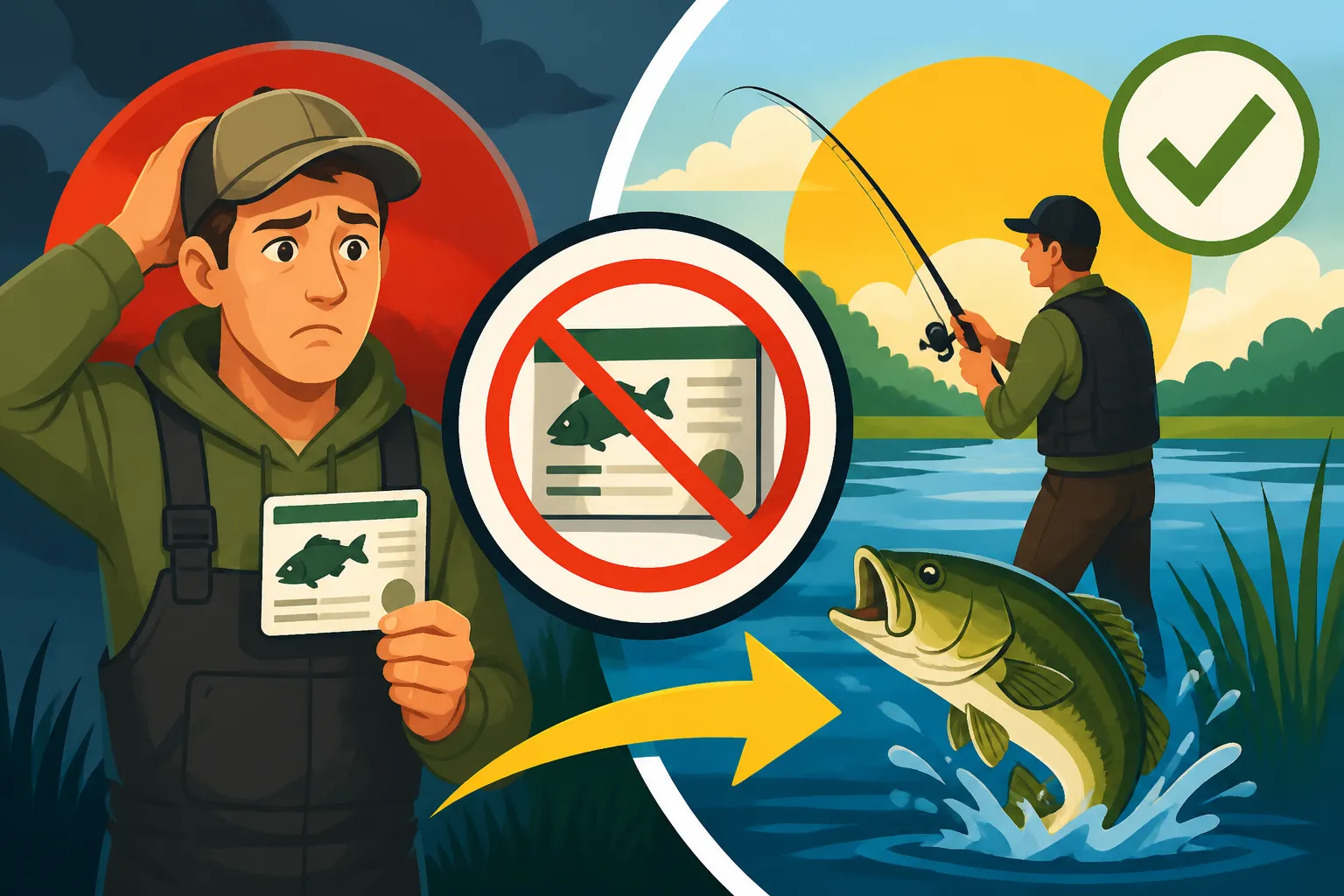
Let's get straight to it: when it comes to Maryland fishing licenses, there isn't a formal "grace period" after your license officially expires. This can be a tough pill to swallow, especially if you're used to things like car registrations or driver's licenses sometimes offering a short window for renewal without penalty. But fishing licenses operate differently. From the moment midnight strikes on your license's expiration date, you are, by law, considered to be fishing without a valid license.
This isn't Maryland being overly strict; it's a common practice across most states to maintain clear and consistent regulations for managing natural resources. Imagine the chaos if everyone assumed they had an extra week or month. It would make enforcement incredibly difficult and undermine the entire system designed to fund conservation efforts and manage fish populations. The Maryland Department of Natural Resources (DNR) depends on precise licensing data and revenue to support everything from trout stocking programs in Western Maryland streams to managing the health of the Chesapeake Bay's striped bass populations. An arbitrary grace period would complicate these vital operations.
What this means for you, the angler, is simple: always know your expiration date. Don't leave it to chance. The good news is, Maryland makes it pretty straightforward to find out when your license is up and to get it renewed. We’ll dive into those details shortly, but the key takeaway here is absolute clarity: no grace period means no fishing with an expired license, even if it’s just by a day.
Why No Grace Period Exists for Fishing Licenses
It might feel a bit rigid, this lack of a grace period, but there are some very solid, practical reasons why state agencies like the Maryland DNR enforce such a strict line. It all boils down to effective resource management, public safety, and financial responsibility.
Ensuring Consistent Revenue for Conservation
One of the primary purposes of fishing license fees is to generate revenue. This money isn't just a tax; it directly funds critical conservation programs, habitat restoration projects, fish stocking efforts, and enforcement activities. Think about all the work that goes into managing Maryland's diverse fisheries, from the largemouth bass in tranquil reservoirs like Loch Raven to the mighty rockfish (striped bass) in the Chesapeake Bay. Every dollar helps. If there were a grace period, it would create an unpredictable dip in revenue. Anglers might delay renewal, leading to inconsistent funding for vital projects throughout the year. The system relies on predictable, consistent renewals to keep these efforts going strong.
Moreover, the funds from license sales also contribute to public access initiatives. This could mean maintaining boat ramps, improving fishing piers, or creating new access points for anglers. These are tangible benefits that all anglers rely on, and the continuous flow of license revenue is essential for their upkeep and expansion. Without it, the resources we all enjoy would quickly degrade, and that’s a future no angler wants to see.
Maintaining Clear Regulatory Boundaries and Enforcement
Imagine the headache for a Natural Resources Police officer trying to determine if an angler is within a "grace period." Was it a week? A month? Did they just forget, or are they knowingly trying to skirt the rules? Having a hard expiration date eliminates any ambiguity. It provides a clear, black-and-white rule that is easy to understand and enforce. This clarity helps officers do their job efficiently and fairly, ensuring that everyone is playing by the same rules.
Without clear boundaries, disputes could arise, and the enforcement process would become bogged down in subjective interpretations rather than objective facts. This strict approach actually protects both the resource and the law-abiding angler by ensuring everyone contributes their fair share and adheres to the regulations designed to sustain our fisheries for future generations. This consistency is also crucial when dealing with Maryland Fishing Size and Catch Limits by Species and other regulations, as only licensed anglers are permitted to participate in these regulated activities.
Protecting Fish Populations and Ecosystems
Fishing licenses aren't just about money; they're a vital tool for data collection and managing fishing pressure. The number of licenses sold, and therefore the number of active anglers, helps the DNR estimate how many fish are being caught. This data, combined with biological surveys, informs decisions about seasons, catch limits, and conservation strategies for various species, including the highly regulated Maryland Striped Bass Season and Rockfish Rules and even invasive species like Maryland Invasive Fish Rules: Blue Catfish and Snakehead.
A grace period would introduce a period where anglers might be fishing without being accurately counted, potentially skewing these critical data points. This could lead to miscalculations in population assessments and management plans, ultimately harming the very fish populations we all want to protect and enjoy. Every angler's license is a piece of the puzzle that helps the DNR see the bigger picture of Maryland’s aquatic ecosystems and make informed decisions to keep them healthy.
What Happens if You Fish with an Expired Maryland License?
Alright, so we've established there's no grace period. What happens if you accidentally, or perhaps knowingly, cast a line with an expired Maryland fishing license? The consequences can range from a minor inconvenience to a significant financial hit, and nobody wants their relaxing day on the water to end with a citation.
Penalties and Fines
Fishing without a valid license in Maryland is a violation, and it comes with penalties. While specific fines can vary based on the officer's discretion, the particular circumstances, and whether it’s a repeat offense, you can expect to receive a citation. This isn't just a slap on the wrist. Fines for fishing without a license can be substantial, often starting at over a hundred dollars, and can increase if there are aggravating factors. For example, if you're also found to be over the catch limit or using illegal gear, the penalties will compound significantly.
Imagine you're out on the Choptank River, enjoying a beautiful morning of catching white perch, only to have a Natural Resources Police boat pull up. When they ask for your license and you discover it expired last week, that peaceful morning quickly turns sour. Instead of just showing your valid license, you're now explaining yourself and likely receiving a ticket that will cost you far more than the license renewal itself. It's a costly lesson, and one easily avoided. You can learn more about the specifics of these consequences in our guide on Maryland Fishing License Fines and Penalties.
Confiscation of Gear and Catch
In some cases, especially if the violation is severe or involves other illegal activities, Natural Resources Police have the authority to confiscate your fishing gear, including rods, reels, and even your boat in extreme circumstances. Additionally, any fish you've caught while fishing illegally could also be confiscated. This is a powerful deterrent designed to emphasize the seriousness of fishing without proper authorization.
Think about the investment you make in your fishing equipment. A good rod and reel combo can easily run into hundreds of dollars. Losing that because of an expired license is not only frustrating but also a significant financial setback. It’s a stark reminder that staying compliant is not just about the cost of a license, but about protecting your entire fishing investment and passion.
Legal Ramifications
While most first-time offenses for an expired license will result in a fine, repeated violations can lead to more serious legal consequences, including court appearances, community service, or even the suspension of your fishing privileges for a period. A conviction can also stay on your record, potentially affecting future applications for other licenses or permits. The state takes the management of its natural resources very seriously, and repeat offenders are treated with increasing severity. It's not worth the risk. For a detailed overview of various license requirements, check out our Maryland Fishing License Guide for 2026.
How to Stay Compliant and Avoid an Expired License Scare
The good news is that avoiding the stress and penalties of an expired license is incredibly easy in Maryland. The DNR has made the renewal process simple and accessible.
The Easy Renewal Process
Gone are the days when you had to remember to visit a specific tackle shop or government office during business hours to renew your license. Now, you have several convenient options:
- Online: This is by far the easiest and most popular method. You can renew your Maryland fishing license anytime, anywhere, directly through the Maryland Department of Natural Resources COMPASS portal. It takes just a few minutes, and you can usually print a temporary license immediately or save it to your phone. Many anglers find this the most straightforward way to handle their Maryland Fishing License Renewal.
- In Person: If you prefer a face-to-face transaction, you can still purchase or renew your license at authorized retail agents across the state. These often include tackle shops, sporting goods stores, and even some convenience stores. This is a great option if you need a quick renewal while picking up bait or other supplies.
- Mail: While slower, you can also renew by mail, though this is less common given the efficiency of online options.
When renewing, make sure you have your current license number or identification ready. The system is designed to quickly verify your information and get you back to fishing legally.
Setting Up Reminders
Proactivity is your best friend here. Don't rely solely on memory, especially if you have an annual license that expires on a specific date each year.
- DNR Email Alerts: When you purchase or renew your license online, ensure you opt-in for email notifications from the Maryland DNR. They often send out helpful reminders a few weeks or a month before your license is due to expire. This is a fantastic, free service that can save you a lot of hassle.
- Calendar Alerts: Set a recurring reminder on your digital calendar (like Google Calendar, Outlook, or your phone’s calendar app). Schedule it for at least a month before your license expires, and maybe even a week before, just in case you forget the first notification. This simple step takes seconds and provides an invaluable safety net.
- Physical Reminder: Some anglers write the expiration date directly on their tackle box, the lid of their cooler, or even the inside of their fishing hat. Out of sight, out of mind is a real thing, so keep that date visible! You can also keep a physical copy of your license or a printout of the Maryland's DNR Fishing and Boating Guide, Explained in your tackle bag as a quick reference.
Understanding License Duration
It’s also crucial to understand how long your license lasts from the point of purchase. Many Maryland fishing licenses are valid for one year from the date of purchase, not necessarily expiring on December 31st. However, some special licenses might align with the calendar year. Always double-check the expiration date printed on your license. This is critical for different types of licenses too, such as the Maryland Nontidal vs Tidal Fishing License, Explained. A quick look at the Maryland DNR website or even on the Amazon app (where you might have bought related fishing gear) for guides can clarify specific license types and their durations.
Here's a quick overview of common Maryland fishing license types and their general durations:
| License Type | Duration | Notes |
|---|---|---|
| Annual Resident Tidal | 365 days from purchase | Covers fishing in the Chesapeake Bay and its tidal tributaries, and the Atlantic Ocean and its coastal bays. |
| Annual Resident Nontidal | 365 days from purchase | Covers freshwater fishing in rivers, lakes, and streams. |
| Annual Consolidated | 365 days from purchase | Combines tidal, nontidal, and Chesapeake Bay & Coastal Bays angler licenses. Very popular for versatile anglers. |
| 7-Day Resident Nontidal | 7 consecutive days | Great for short trips or visitors. |
| 3-Day Nonresident Tidal | 3 consecutive days | Ideal for out-of-state visitors targeting the Bay. |
| Annual Senior Consolidated | 365 days from purchase | Available to Maryland residents aged 65 and older. Check Maryland Senior Fishing License Cost for details. |
| Trout Stamp | Calendar year (Jan 1-Dec 31) | Required in addition to a regular fishing license for anglers 16 and older to fish designated trout waters. Can be added at any time. Refer to Maryland Trout Stamp Requirements for more info. |
| Saltwater Angler Registration | Annual (free) | Required for saltwater fishing from shore or a private boat (not covered by a license). Often expires on December 31. |
Knowing these details, and understanding that some licenses might not align with the calendar year, is vital for proactive renewal. When planning your next outing, whether it's a weekend on the Susquehanna for smallmouth bass or a trip to the Eastern Shore for white perch, make sure to give your license a quick check. If you're buying new gear on Amazon, maybe add a sticky note to your cart to remind you about your license expiration!
Special Considerations: Kids, Seniors, and Free Fishing Days
While the "no grace period" rule is universal, there are a few scenarios where license requirements differ, which can sometimes lead to confusion.
Do Kids Need a Fishing License in Maryland?
One common area of confusion revolves around youth anglers. In Maryland, children under the age of 16 are generally exempt from needing a fishing license. This is fantastic news, as it encourages young people to get involved in the sport without an extra barrier. You don't need to worry about a grace period for a license they don't even need! However, it's always wise to double-check the latest regulations, as age requirements can sometimes be specific to certain waters or species, or change over time. Our detailed guide on Maryland Fishing License Age Requirements provides comprehensive information on this topic.
This exemption means you can take your kids out to any public fishing pier, like those at Sandy Point State Park, or freshwater lake without needing to buy them a license. They can enjoy the thrill of the catch and the serenity of the outdoors freely, which is a big win for fostering the next generation of anglers.
Senior Anglers and Consolidated Licenses
For Maryland residents aged 65 and older, the state offers a Senior Consolidated Sport Fishing License. This license is often significantly cheaper than a regular annual license and covers both tidal and nontidal waters, as well as the Chesapeake Bay and coastal bays. While it's a great benefit, it is still a license with an expiration date, and the "no grace period" rule still applies. Seniors need to renew their consolidated license just like any other angler. For more information, check out our guide on Do Seniors Need a Fishing License in Maryland?.
It's common for seniors to have a fixed income, so avoiding fines by keeping their license current is especially important. Many seniors appreciate the convenience of renewing online or at their local tackle shop, where they can also chat with staff about local fishing conditions.
Maryland's Free Fishing Days
Maryland also offers "Free Fishing Days" each year, typically in June and July. On these designated days, residents and non-residents alike can fish in Maryland’s fresh or saltwater public waters without needing a license. These days are a fantastic opportunity for beginners to try fishing for the first time or for experienced anglers to introduce friends and family to the sport without the initial financial commitment of a license.
While these days are a blessing, it’s absolutely crucial to remember that they are specific dates. Outside of these official Free Fishing Days, a license is required. There's no "grace period" that extends free fishing beyond those dates. If you plan to fish a week before or after a Free Fishing Day, you must have a valid license. You can find out more about these special opportunities in our article, What Free Fishing Days Are Available in Maryland This Year. It’s always a good idea to mark these on your calendar and plan your trips accordingly. Even if you're browsing for a new fishing reel on Amazon during those times, remember that a license is still your usual ticket to fish in Maryland!
Conclusion: Be Prepared, Stay Legal
The bottom line when it comes to a Maryland fishing license grace period after it expires is simple: there isn't one. The Maryland DNR maintains a clear and consistent stance that once your license expires, it's no longer valid, and fishing without a valid license can lead to fines, confiscation of gear, and other legal troubles.
This strict policy is in place for good reasons, primarily to ensure the sustainable management of Maryland's incredible fisheries, to fund vital conservation efforts, and to maintain clear, enforceable regulations. The good news is that Maryland makes it incredibly easy to stay compliant, with straightforward online renewal options and various ways to set reminders.
So, before you head out to your favorite fishing hole, whether it's the peaceful waters of Deep Creek Lake, the tidal rivers of the Eastern Shore, or the vast Chesapeake Bay, take a moment to double-check that expiration date on your fishing license. A few minutes of proactive checking and renewing can save you a lot of hassle and ensure your time on the water remains a relaxing, enjoyable experience, free from any unwanted encounters with the law. Happy fishing, and may your lines always be tight!
Disclaimer
Please remember that fishing regulations, including licensing requirements, can change. Always consult the official Maryland Department of Natural Resources (DNR) website or the most current Maryland Fishing and Boating Guide for the latest and most accurate information before heading out on the water. This article is intended for informational purposes only and should not be considered legal advice.