Can You Get a Refund on an Unused Maryland Fishing License?
Life happens, doesn't it? You've got your calendar marked, your gear ready, maybe even new lures you snagged on a quick browse. You've enthusiastically bought your Maryland fishing license, picturing peaceful mornings on the Chesapeake or casting lines in a quiet stream. But then, an unexpected illness, a sudden family emergency, a last-minute change in travel plans, or even just a simple mistake in purchase throws a wrench in everything. Now you're left wondering: can you get a refund on that unused Maryland fishing license? It’s a perfectly valid question, and one that many anglers find themselves asking when circumstances shift beyond their control. This guide will walk you through Maryland's policies, what to expect, and what your options might be.
Understanding Maryland's Fishing License Refund Policy
It's a common misconception that if you don't use a product or service, you automatically get your money back. However, when it comes to government-issued licenses and permits, especially those tied to conservation efforts like fishing licenses, the rules often operate a little differently. Many states, Maryland included, have very specific and often rigid policies regarding refunds.
The Standard Policy on Refunds
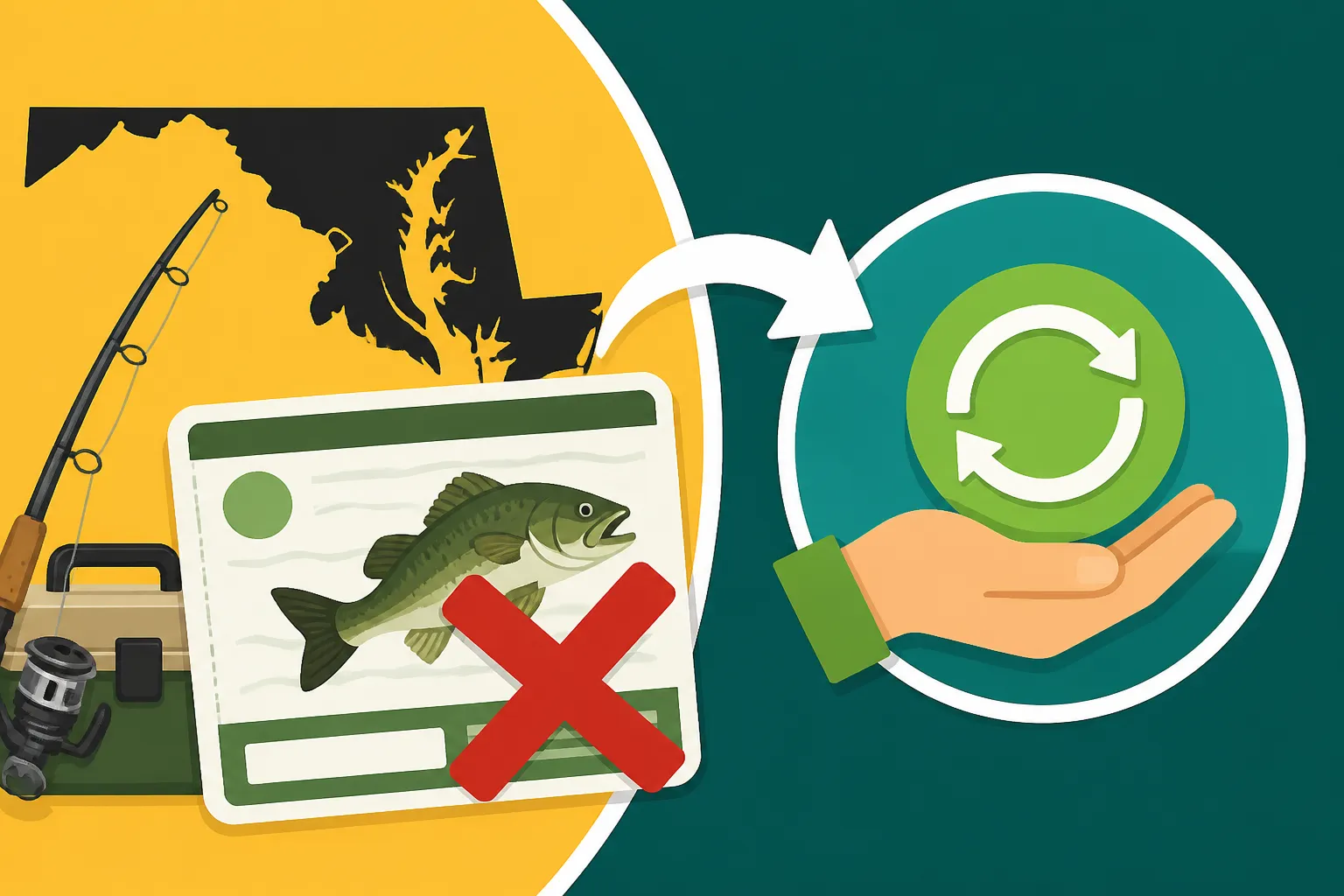
Let's get straight to it: generally speaking, the Maryland Department of Natural Resources (DNR) does not offer refunds for fishing licenses once they have been purchased. This applies whether you bought an annual license, a short-term license like a Maryland 7-Day Fishing License Options, or even added a special stamp like the Maryland Trout Stamp Requirements. Once the transaction is complete and the license is issued in your name, it's typically considered a final sale.
This can feel pretty frustrating, especially if you're out the cost of a full annual license, which can be a significant investment for some. You might think, "But I haven't even wet a line yet!" And you'd be right to feel that way. However, the DNR's perspective is that the license fee contributes immediately to the management and conservation of Maryland's aquatic resources, regardless of individual usage. The funds go towards things like fish stocking, habitat restoration, law enforcement, and research, all from the moment of purchase.
Why Refunds Are Uncommon
There are several layers to why fishing license refunds are a rare occurrence. It's not just about being difficult; there are practical and financial reasons at play.
Firstly, from an administrative standpoint, processing refunds for every unused license would be an enormous logistical challenge. Imagine the sheer volume of purchases and the constant stream of refund requests if that were standard practice. The administrative costs alone could become prohibitive, diverting valuable resources away from actual conservation work. Each license transaction is recorded, and undoing that process, especially after the fact, can be complex.
Secondly, and perhaps more importantly, fishing license fees are critical funding mechanisms for fisheries management. These funds are often earmarked for specific programs. If the DNR were to issue widespread refunds, it could create unpredictable fluctuations in their budget, making it harder to plan and execute long-term conservation projects that benefit all anglers. The money supports the very systems that ensure there are fish to catch, whether you end up casting or not. Even if you don't use your license, your purchase has still contributed to maintaining healthy fish populations and accessible fishing spots, aligning with the broader mission of the department. This is true for everything from managing the Maryland Striped Bass Season and Rockfish Rules to stocking trout streams.
Specific Scenarios for Potential Exceptions or Lack Thereof
While the general rule is "no refunds," people often wonder if certain extenuating circumstances might sway the DNR. Let's explore some common situations and what you can generally expect.
Illness or Injury Preventing Use
It's incredibly disappointing when a health issue keeps you from enjoying a planned fishing trip. You've paid for your license, you're excited to go, and then you're sidelined. Many anglers in this situation hope that a medical note or proof of injury might lead to a refund. Unfortunately, even with legitimate medical reasons, the Maryland DNR's policy typically holds firm.
The logic here is similar to that of a non-refundable concert ticket or a plane ticket without travel insurance. While sympathetic to your situation, the issuing agency views the transaction as completed. The funds have already been allocated, and processing an individual refund due to personal circumstances would set a precedent that could overwhelm the system. It’s a tough pill to swallow, but it’s the reality for most state wildlife agencies, including Maryland.
Unexpected Travel or Relocation
Another frequent scenario involves anglers who purchase a Maryland Resident Fishing License Cost, only to find themselves moving out of state or having unexpected long-term travel plans. Perhaps you bought your annual license in January, only to get a job offer in another state in March. Now you have a Maryland license but won't be fishing in Maryland waters.
In these cases, just like with illness, it’s highly unlikely you’ll be granted a refund. The license is tied to your residency status at the time of purchase, and your future travel or relocation doesn't change the initial validity of the license or the fact that the funds have already entered the conservation system. If you're a nonresident who purchased a Maryland Nonresident Fishing License Cost and then plans changed, the same principle applies. It's one of those situations where the timing of life events just doesn't align with the administrative processes.
Purchase Error or Duplicate License
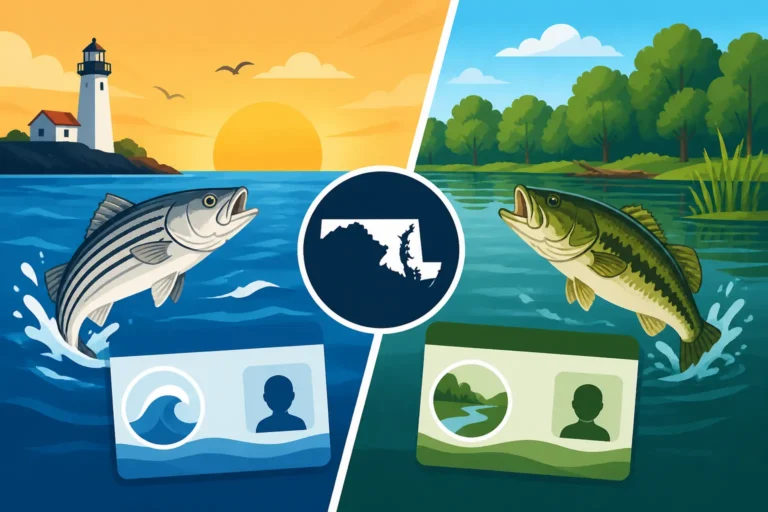
This is perhaps the most common scenario where anglers might have a slim chance of a resolution, though not necessarily a direct refund. Let's say you accidentally bought two of the same annual license, or you mistakenly purchased a freshwater (nontidal) license when you really needed a Chesapeake Bay Sport Fishing License.
For genuine, verifiable purchase errors made within a very short window (sometimes within minutes or hours, certainly not days or weeks), and especially for duplicate purchases, there's a possibility the DNR might be able to correct the error. This is less a "refund policy" and more an "error correction" process. You would need to contact them immediately, explain the situation clearly, and be prepared to provide proof of the error (e.g., two transaction IDs for the same license). However, even in these cases, it's not guaranteed, and the process might involve crediting you for a different license rather than a direct cash refund. Prompt action is key here. If too much time passes, even a genuine error becomes much harder to rectify.
What to Do If You Believe You Have a Unique Case
Even with the general "no refund" policy, there's always a glimmer of hope if you genuinely believe your situation warrants an exception. It never hurts to try, as long as you approach it with realistic expectations.
Contacting Maryland DNR Directly
Your first and best course of action is to directly contact the Maryland Department of Natural Resources. Don't stew over it; reach out.
Here’s how to do it effectively:
- Gather Your Information: Before you call or email, have all your license information handy. This includes your customer ID, the license number, the date of purchase, the type of license, and the exact amount paid.
- Clearly State Your Situation: Explain precisely what happened and why you are seeking a refund. Be concise, honest, and respectful. Avoid emotional language, as it rarely helps in administrative matters. Focus on the facts.
- Inquire About Alternatives: Even if a full refund isn't possible, you might ask if there are any other options. For instance, if you made a purchase error, could the credit be applied to a different license type you actually need (e.g., swapping a Nontidal for a Tidal license, though this is rare once issued)?
- Be Patient and Persistent: Government agencies can sometimes take a while to respond, especially if your query falls outside standard procedures. Follow up politely if you don't hear back within their stated timeframe.
While contacting them is crucial, it's important to remember that their hands are often tied by established regulations. They're there to implement the rules, not necessarily to create exceptions for individual cases.
Gathering Documentation
If you are going to make a case for a refund, having clear documentation is essential. This can make a significant difference, especially if there was an actual error on your part or a system glitch.
What kind of documentation might you need?
- Proof of Purchase: This is non-negotiable. Transaction IDs, credit card statements showing the charge, and any confirmation emails you received when buying your license online or in person are vital.
- License Number: The specific identification number for the license you are questioning.
- Proof of Error (if applicable): If you bought a duplicate, have both license numbers and transaction dates ready. If you believe there was a technical glitch, any screenshots or error messages could be helpful.
- Medical Documentation (for illness/injury, for context only): While unlikely to secure a refund, providing a doctor's note or hospital bill could lend credibility to your claim that unforeseen circumstances prevented use, if the DNR were to consider such exceptions (which, again, is rare).
The more thoroughly you can document your situation, the better equipped you'll be to explain it to a DNR representative.
Alternatives to a Refund for an Unused License
So, if a refund isn't likely, what's an angler to do with an unused license? While it might not be the outcome you hoped for, there are ways to look at the situation and even make the most of it.
Viewing it as a Contribution to Conservation
Perhaps the most significant way to reconcile an unused license is to view your purchase as a direct contribution to Maryland's invaluable conservation efforts. Even if you didn't get to cast a line, your money still went towards:
- Fisheries Management: Ensuring healthy populations of fish, from the mighty striped bass to the humble white perch.
- Habitat Restoration: Improving the water quality and ecosystems that fish need to thrive.
- Stocking Programs: Releasing fish into public waters, which benefits thousands of other anglers. You can learn more about how Maryland decides which rivers get stocked.
- Enforcement: Funding the Maryland Natural Resources Police who protect these resources from poaching and illegal activities.
When you buy a Maryland fishing license, you're not just buying permission to fish; you're investing in the future of fishing in the state. Many anglers feel a strong connection to this mission, understanding that their license fees are part of a larger collective effort. It might not get your money back, but it can certainly offer some peace of mind that your funds are doing good.
Planning Future Trips or Gifting the Opportunity (where allowed)
While you can't transfer your specific license to another person, you can certainly let the idea of future trips keep your spirits up. If you bought an annual license, remember that How Long a Maryland Fishing License Lasts – typically for a full calendar year from January 1st to December 31st, regardless of when it's purchased. So, if your initial plans fell through early in the year, you might still have months left to use it. Don't write it off completely!
Perhaps your initial plans were for tidal waters, but now you have an opportunity to fish a nontidal lake. Understanding the Difference Between a Tidal and Nontidal Maryland Fishing License can open up new possibilities. Or maybe you can finally schedule that trip to one of the Best Places to Fish in Maryland that you've always dreamed of.
For friends or family who might be interested in fishing, while they'd need their own license (Do Kids Need a Fishing License in Maryland?), your unused license could inspire you to plan a group outing. Think of it as already having paid your share, and now you just need to coordinate the trip. You can't give your license away, but you can certainly encourage others to get theirs and join you on the water when you're ready.
Here’s a quick summary of the refund likelihood:
| Reason for Refund Request | Likelihood of Refund | Notes |
|---|---|---|
| Change of Plans/No Longer Fishing | Very Low | Standard policy is no refunds once issued. Funds are immediately allocated to conservation. |
| Illness or Injury | Very Low | While sympathetic, personal medical issues typically do not qualify for a refund. |
| Relocation Out of State | Very Low | License is issued based on residency at the time of purchase; subsequent moves don't change policy. |
| Duplicate Purchase | Low to Moderate | Possible if reported immediately and verifiable. Often an "error correction" rather than a full refund, possibly credit towards another license. |
| Incorrect License Type Purchased | Low to Moderate | Similar to duplicate purchases; immediate reporting and clear proof of error are critical. Might be an exchange or credit, not a direct cash refund. For example, if you mistakenly bought a Maryland Nontidal vs Tidal Fishing License, Explained, you'd need to contact them very quickly. |
| Technical System Error | Moderate to High | If the error was on the DNR's system side (e.g., charged multiple times due to a website glitch), you have a much stronger case. Keep all screenshots and transaction details. |
| License Not Used by End of Year | None | All annual licenses expire on December 31st regardless of purchase date or usage. |
While it's disappointing to have an unused fishing license and not be able to get your money back, understanding the state's policies and the broader context of conservation funding can help temper the frustration. Remember, your purchase helps sustain the very fisheries you love, ensuring that Maryland remains a fantastic place to cast a line for years to come. So, if your plans unexpectedly change, consider it a generous donation to Maryland's natural resources, and start planning your next angling adventure!
Disclaimer
The information provided in this guide is for general informational purposes only and does not constitute legal or official advice. While we strive to provide accurate and up-to-date information, fishing regulations and policies can change. Always consult the official Maryland Department of Natural Resources (DNR) website or contact them directly for the most current and authoritative information regarding fishing licenses, regulations, and refund policies.