2026 Maryland Striped Bass Catch and Release Dates
Navigating the ever-evolving world of fishing regulations in Maryland can feel like trying to catch a fish with your bare hands – frustrating, confusing, and sometimes you just want to throw your hands up! For anyone passionate about striped bass, or "rockfish" as we lovingly call them, understanding the specific catch and release dates for 2026 is absolutely essential. This guide is here to untangle those rules, clarify when you can (and can't) target these magnificent fish, and equip you with the knowledge to be a responsible angler.
Understanding the Importance of Catch and Release for Striped Bass
Before we dive into the nitty-gritty of dates and zones, let's take a moment to really appreciate why catch and release is so incredibly important for our beloved striped bass. It’s not just a suggestion; it’s a critical part of how we ensure these fish thrive for generations to come.
Why Conservation Efforts are Crucial
For years, the health of the striped bass population in the Chesapeake Bay and along the Atlantic coast has been a roller coaster. There have been times of incredible abundance, and unfortunately, times of serious decline. When these fish are in trouble, it affects not just anglers, but the entire ecosystem and the many businesses that rely on a healthy Bay. Conservation isn't just about protecting a species; it's about safeguarding a heritage and a vital part of Maryland's identity. Efforts to rebuild the population often involve strict harvest limits, but also, crucially, rules around how and when we engage in catch and release. Without these measures, we risk losing the very sport we cherish. If you're looking for a deeper dive into all the rules, our comprehensive guide on Maryland Striped Bass Season and Rockfish Rules covers everything you need to know.
The Role of Catch and Release Fishing
Catch and release is more than just throwing a fish back. It's an active decision to participate in conservation, acknowledging that not every fish needs to go into the cooler to make for a successful day. When done correctly, it minimizes stress and injury to the fish, giving them the best possible chance of survival. This is especially vital during sensitive periods, like spawning season or when fish are stressed by extreme water temperatures. It allows anglers to continue enjoying the thrill of the catch during periods when harvesting might be restricted or completely prohibited, ensuring the genetic health and future breeding success of the stock. It's a testament to the fact that we can enjoy the sport while also being stewards of our natural resources.
Maryland's 2026 Striped Bass Catch and Release Dates Explained
Alright, let's get to the dates. The Maryland Department of Natural Resources (DNR) works tirelessly to balance conservation with recreational opportunities, and this means the regulations can change year to year, and even within a year. For 2026, understanding when you can legally target striped bass strictly for catch and release, and when you absolutely cannot fish for them at all, is paramount.
Navigating the Spring Spawning Closures
The spring spawning season is a critical time for striped bass. They migrate from their wintering grounds to the brackish waters of the Chesapeake Bay tributaries to lay their eggs. To protect these vulnerable breeding fish, Maryland imposes strict closures in many of the primary spawning rivers and their upstream sections. During these specific periods, it is illegal to target striped bass at all, even for catch and release. This means no casting, trolling, or jigging for rockfish in these areas, period.
Typically, these closures run from early April through mid-May, but the exact dates and specific river boundaries can vary. Key areas often included are:
- Susquehanna Flats: This iconic area near the mouth of the Susquehanna River is a major spawning ground and is usually closed to all striped bass fishing for a period in the spring. You'll find more detailed information in our post on Why Are the Susquehanna Flats Closed to Striped Bass Fishing?.
- Upper Chesapeake Bay Tributaries: Rivers like the Chester, Choptank, Nanticoke, and Patuxent often have upstream sections closed to striped bass fishing during the spawning window.
- Mainstem Chesapeake Bay (Upper Areas): Sometimes, sections of the main Bay itself, particularly the northernmost portions, might also have specific restrictions.
These closures are put in place to give the fish peace and quiet during their most important biological function. Respecting these rules is non-negotiable for the health of the fishery. Always check the latest DNR guide or website for the precise 2026 dates and boundary lines before heading out in the spring. For a full breakdown of these critical periods, see Maryland Spawning River Closures for Striped Bass.
Summer Catch and Release Opportunities
Once the spring spawning closures lift, the harvest season typically begins in the mainstem Chesapeake Bay and its lower tributaries. However, there are often periods within the summer when harvest is either completely closed, or specific areas might only allow for catch and release. One of the most common closures is in August, when high water temperatures can significantly stress striped bass, making their post-release survival rate much lower.
For example, a traditional full closure of harvest in the Chesapeake Bay during August has been implemented to protect these warm-water stressed fish. During these August harvest closures, anglers are often still permitted to fish for other species. However, if a striped bass is inadvertently caught, it must be immediately released with the utmost care. The goal here is to avoid unnecessary stress on the fish when they are most vulnerable to mortality from handling. Our article on Can You Target Striped Bass in Maryland in August? provides more nuanced advice for this challenging time. It's a period where patience and responsible angling really come into play.
Winter Catch and Release Season
As the temperatures drop in late fall and winter, striped bass migrate down the Bay and often stage in deeper channels or near the mouth of the Bay before heading out to the ocean. During these colder months, the harvest season for striped bass often has specific, more restrictive periods or may even transition entirely to a catch-and-release-only season for extended stretches.
For 2026, expect specific dates in November and December, and potentially continuing into early spring, where anglers can target striped bass, but all fish must be immediately released. The cold water temperatures generally improve the survival rates of released fish, making catch and release a more viable and ethical option during this time. It offers a fantastic opportunity for anglers to get out on the water, enjoy the solitude of winter fishing, and still connect with striped bass without impacting the harvest numbers. Be sure to dress warmly, prepare your gear for cold conditions, and minimize the time fish are out of the water. For more details on fishing during the colder months, check out Maryland's Winter Catch and Release Striped Bass Season.
To make it a little easier to visualize, here's a general overview of typical 2026 catch and release dates and closures for Maryland striped bass. Remember, these are generalized and always verify with the Maryland DNR for the most current, specific regulations and boundary maps.
| Period | Typical Status | Notes |
|---|---|---|
| Early April – Mid-May | NO FISHING (Targeting Prohibited) | Spring spawning closures in key tributaries (Susquehanna Flats, upper Choptank, Patuxent, etc.). All striped bass fishing is prohibited, even catch and release. Crucial for protecting spawning fish. |
| Mid-May – Early June | Trophy Season/Limited Harvest | Often a limited harvest season in specific areas, with very strict size and bag limits. Catch and release still practiced for fish outside the slot. |
| June – July | Harvest Season/Catch & Release for Sub-Legal | General harvest season in the Bay and tributaries. Catch and release applies to fish outside the legal slot limit. Follow careful handling practices. |
| August | Harvest Closed / Catch & Release Only (Typical) | Historically, August sees a full harvest closure in the Bay. Catch and release is typically allowed, but extreme care is needed due to high water temperatures and fish stress. |
| September – October | Harvest Season/Catch & Release for Sub-Legal | Fall harvest season. Catch and release applies to fish outside the legal slot. Generally good water temperatures for release. |
| November – December | Catch & Release Only / Limited Harvest | Often transitions to a catch and release only period, or very restricted harvest. Cold water generally improves survival rates for released fish. |
| January – March (2027) | Catch & Release Only (Typical) | Winter catch and release continues in designated areas, often in the mainstem Bay and lower tributaries. |
Note: This table is for illustrative purposes based on typical Maryland DNR patterns. Always consult the official 2026 Maryland Fishing Guide for precise dates and regulations.
Best Practices for Successful Striped Bass Catch and Release
Knowing the dates is one thing, but practicing proper catch and release is another. The goal isn't just to put the fish back; it's to put it back in the best possible condition to survive and reproduce. This requires a mindful approach and the right tools.
Essential Gear and Techniques for Minimizing Harm
Having the right gear makes a huge difference in the survival rate of released fish. This isn't just about being good; it's about being prepared.
- Barbless or De-barbed Hooks: If you're using bait, circle hooks are often mandated by Maryland DNR, especially when targeting striped bass. These hooks are designed to hook fish in the corner of the mouth, minimizing gut hooking. Even when not mandatory, using barbless hooks or pinching down the barb on your J-hooks makes de-hooking much quicker and less damaging. You can find specialized tools for this on sites like Amazon, which also offers a wide range of circle hooks in various sizes. While specific for trout, the spirit of regulation found in Barbless Hook Requirement in Maryland Fly Fishing Zones highlights this conservation principle.
- Long-Nose Pliers or De-hookers: These tools are invaluable for quickly and safely removing hooks without putting your hands near sharp teeth or gills. The quicker you can unhook a fish, the less time it spends out of the water. Look for models with an ergonomic grip for easy use, even with wet hands.
- Rubberized Landing Net: Avoid knotty nylon nets. They can strip off a fish's protective slime layer, damage fins, and remove scales, making them vulnerable to infection. A soft, rubberized net cradles the fish, keeps it calm, and protects its delicate outer layer.
- Cutters: Have a pair of heavy-duty line cutters handy. If a fish is deeply hooked and removal would cause more damage, it's often better to cut the line as close to the hook as possible. The hook will eventually rust out, or the fish's digestive system may expel it.
Using these tools effectively means less stress on the fish and a higher chance of survival. Remember, the goal is to get that fish back in the water as quickly and gently as possible.
Handling Fish with Care
The moment you bring a striped bass to the boat or shore, its survival largely depends on how you handle it. This is where patience and technique truly matter.
- Minimize Air Exposure: This is perhaps the most crucial rule. Fish cannot breathe air. Keeping them out of the water, even for a quick photo, causes stress and can lead to damage to their gills and internal organs. Try to keep the fish in the water as much as possible while de-hooking. If you must lift it for a quick photo, have your camera ready, do it quickly (within 5-10 seconds), and return the fish to the water immediately.
- Support the Fish Properly: Never hold a striped bass by its jaw or gills alone, especially if it's a larger fish. This can damage its spine and internal organs. Support its belly and tail, cradling it horizontally. For really big fish, keep them in the net or use two hands to support their entire body.
- Wet Your Hands: Before touching the fish, wet your hands. This helps protect its crucial slime layer, which is its first defense against disease.
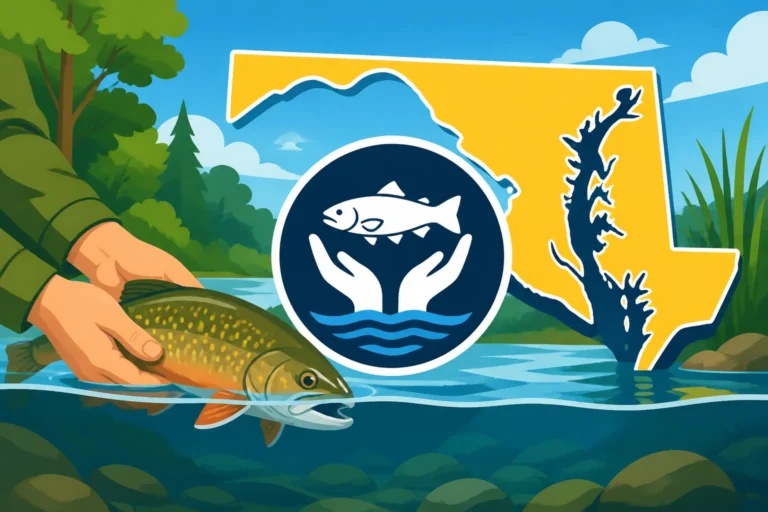
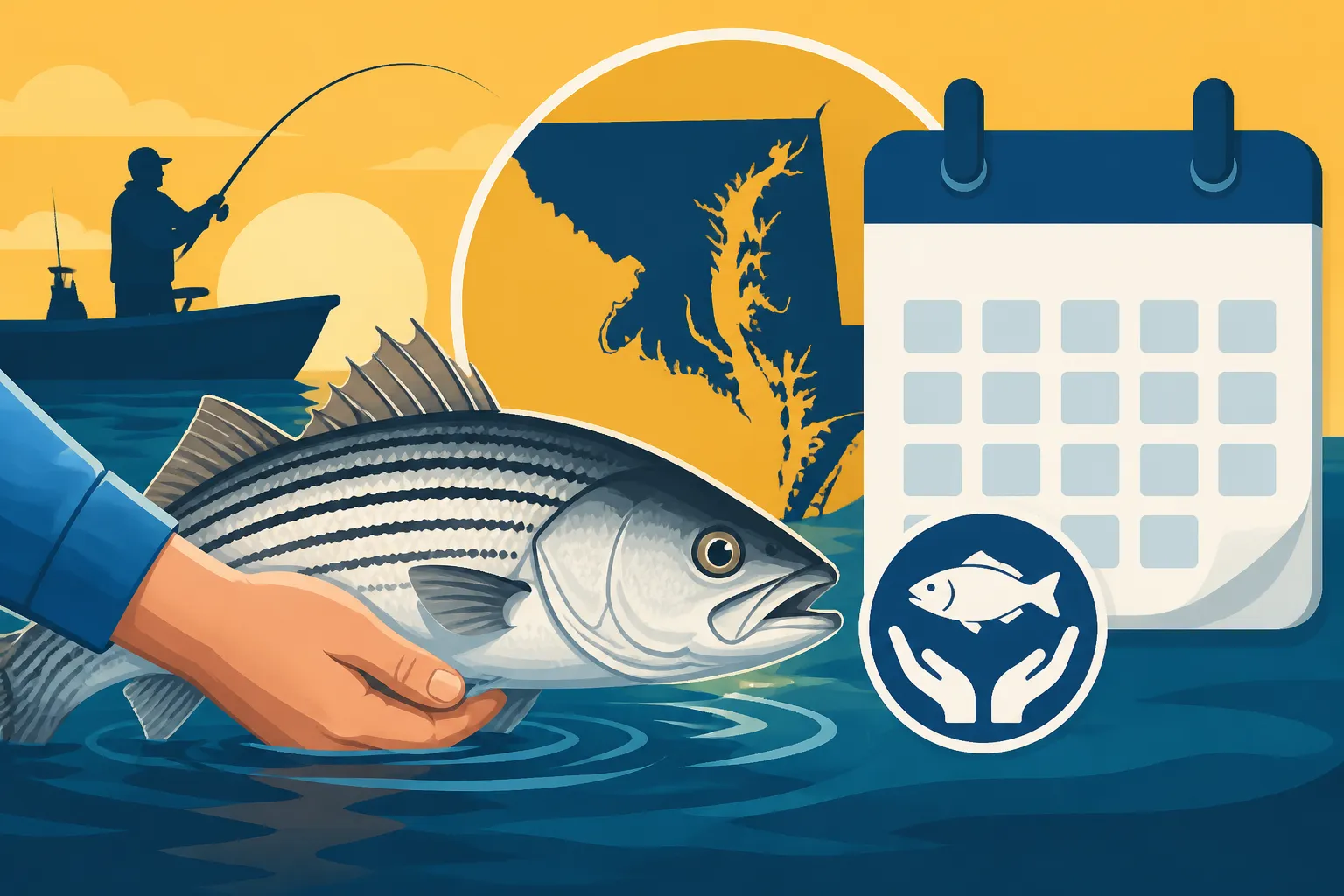
- Revive Before Release: Once de-hooked, gently hold the fish in the water, facing into the current. Move it back and forth to help water flow over its gills until it regains strength and can swim away under its own power. Don't just toss it back; make sure it's ready. You can find detailed visual guides and more tips in our article on Maryland Catch and Release Rules During Closed Seasons. Always give the fish the best chance at survival.
Staying Informed About Regulations
As an experienced angler, I can tell you that fishing regulations are not static. They are dynamic, constantly changing to adapt to scientific data, population assessments, and environmental factors. Staying on top of these changes is part of being a responsible and successful fisherman.
Where to Find the Most Current Information
The absolute best source for the most accurate and up-to-date fishing regulations is the Maryland Department of Natural Resources (DNR). Their website is a treasure trove of information, including detailed guides, current alerts, and interactive maps. They also typically publish an annual Fishing and Boating Guide which is an invaluable resource. You can often find physical copies at tackle shops or online.
Many anglers also use fishing apps on their phones, which can provide real-time updates and summaries of regulations. Just be sure to choose a reputable app that sources its information directly from the DNR. Some excellent resources, like fishing guides available on Amazon as e-books, can also help you understand the broader context of Maryland fishing, but for daily or weekly rule changes, stick to official DNR channels. Our piece on Maryland's DNR Fishing and Boating Guide, Explained breaks down how to navigate this essential resource.
Why Mid-Season Rule Changes Happen
It can be incredibly frustrating to wake up one morning and find that the rules for your favorite species have changed overnight. You might ask, "Why can't they just set the rules once and leave them alone?" The reality is that fisheries management is a complex science, and mid-season rule changes, while inconvenient, are often a necessary response to real-time data.
These changes can occur due to:
- Stock Assessments: New scientific data might indicate that a fish population is either healthier or in worse shape than previously thought, requiring immediate adjustments to protect the stock.
- Environmental Factors: Unforeseen events like unusually warm water temperatures, prolonged droughts, or severe storms can impact fish behavior and survival, prompting emergency closures or modifications to protect vulnerable fish.
- Federal Mandates: Striped bass are a migratory species, and their management often involves interstate and federal cooperation. Changes at the federal level or by regional fisheries management councils can trickle down and require Maryland to adjust its state-specific rules.
- Harvest Monitoring: The DNR constantly monitors harvest rates. If anglers are catching fish faster than projected, emergency measures might be put in place to ensure the annual quota isn't exceeded, preventing overfishing penalties in future seasons.
It's never a decision made lightly, as the DNR understands the impact on recreational and commercial anglers. However, these adjustments are always made with the long-term health of the fishery in mind. To learn more about this dynamic process, refer to Why Maryland Issues Mid-Season Rule Changes. It's a challenging but crucial aspect of keeping our waters healthy and our fishing traditions alive.
Disclaimer
The information provided in this guide is intended for general informational purposes only and is based on typical Maryland fishing regulations and projections for 2026. Fishing regulations, including catch and release dates, size limits, and creel limits, are subject to change by the Maryland Department of Natural Resources (DNR) at any time. It is the angler's responsibility to consult the most current official Maryland fishing regulations published by the DNR before engaging in any fishing activity. Failure to comply with current regulations can result in fines and penalties.