Hiring a Deep Creek Lake Fishing Guide in Maryland
Deep Creek Lake is a magnificent body of water in Western Maryland, a true gem for anglers looking for freshwater adventure. However, for those not intimately familiar with its sprawling coves, deep channels, and ever-changing conditions, finding the best fishing spots or even understanding the local bite can be a real head-scratcher. It's easy to spend a whole day out there feeling frustrated, casting into unproductive waters, and wondering what you're missing. This guide is designed to take the guesswork out of your next Deep Creek Lake fishing trip by walking you through everything you need to know about hiring an experienced local guide, ensuring you make the most of your time on this incredible lake.
Why Hire a Fishing Guide for Deep Creek Lake?
You might be thinking, "Why can't I just go out there and figure it out myself?" And sure, you absolutely can! Many of us, myself included, started that way, learning through trial and error. But Deep Creek Lake is a large, complex system, and the learning curve can be steep. Hiring a guide isn't about admitting defeat; it's about smart fishing, leveraging expertise, and ultimately, maximizing your chances of a successful and enjoyable day on the water. Think of it as fast-tracking your way to becoming a better Deep Creek angler. It's an investment in an experience, not just a fishing trip.
Navigating Unfamiliar Waters
Deep Creek Lake isn't just a big pond; it’s a sprawling reservoir with over 65 miles of shoreline, numerous coves, submerged structures, and varying depths that can reach over 70 feet in some areas. If you're coming from out of town or it's your first time on the lake, understanding the navigation alone can be daunting. There are shallow rock piles that can damage your boat, underwater humps that hold fish but are hard to find, and vast expanses of open water where fish might be spread out or concentrated in specific thermal layers. A guide knows these waters like the back of their hand, often having spent decades crisscrossing its surface and reading its contours.
Imagine pulling up to a new lake, launching your boat, and then just staring at the horizon, wondering where to even begin. That's a common feeling at Deep Creek for newcomers. A guide eliminates that anxiety entirely. They'll know the safest routes, the best places to avoid recreational boat traffic if you're looking for peace and quiet, and most importantly, they'll get you right to the productive fishing grounds without wasted time or fuel. This local knowledge isn't something you can easily glean from a map or a quick online search; it's gained through countless hours on the water, observing patterns and adapting to conditions.
Furthermore, factors like changing water levels, seasonal weed growth, and even recent weather patterns can drastically alter where fish are holding. A guide lives and breathes this information, adjusting their game plan daily based on what the lake is telling them. They'll interpret the subtle signs that an inexperienced angler might completely miss, ensuring you're fishing the right spots at the right time, rather than just blindly casting into empty water.
Tapping into Local Expertise and Hotspots
This is perhaps the biggest draw of hiring a guide: access to their unparalleled local expertise. These folks aren't just boat drivers; they're seasoned professionals who spend hundreds of days a year on Deep Creek, understanding its moods, its currents, and its fish. They know when the walleye are schooling on certain humps, where the smallmouth bass are hiding in rocky pockets, and which coves offer the best chance at a northern pike during specific times of the year. This isn't just general fishing knowledge; it's Deep Creek-specific, hyper-local information that is invaluable.
Think about it: you could spend weeks, perhaps even months, trying to identify patterns and productive areas on your own. A guide has already put in that time. They've logged the hours, endured the slow days, and celebrated the banner days, all to build up a mental library of what works and when. They'll take you directly to the "hotspots" that are producing fish right now, based on recent trips and observations. This saves you countless hours of searching and experimenting, allowing you to focus on the fun part – catching fish! This is especially true if you're targeting specific species, as a guide will have dedicated their efforts to understanding the nuances of Walleye Fishing at Deep Creek Lake, Maryland or Fishing Deep Creek Lake for Smallmouth Bass.
Moreover, a good guide isn't just a map to fish; they're also a wealth of information about the entire Deep Creek ecosystem. They can tell you about the history of the lake, local wildlife, and even recommend the best local eateries for a post-fishing meal. It's a holistic experience that goes beyond just catching fish, offering a deeper appreciation for the region. This insight is what transforms a simple fishing trip into a memorable adventure, where you learn not just how to fish, but also about the unique character of Deep Creek Lake itself.
Learning New Techniques and Strategies
Even if you're an experienced angler, Deep Creek Lake might present unique challenges or require specialized techniques that you haven't encountered before. For instance, fishing the deep, clear waters of Deep Creek often calls for specific presentations, lure choices, and retrieval methods that might differ significantly from fishing a shallower pond or a tidal river. Guides are experts in these nuances, and they're there to teach you. They can demonstrate proper casting techniques for specific lures, explain how to "read" your fish finder for Deep Creek's unique contours, or show you how to detect subtle bites when fishing deepwater structure.
I've been on countless trips where I thought I knew it all, only to have a guide subtly suggest a different retrieve or a slight adjustment to my rig that made all the difference. It’s like having a personal coach by your side, offering real-time feedback and instruction. Whether it's drop-shotting for smallmouth, trolling specific crankbaits for walleye, or understanding the finesse required for deepwater jigging, a guide can fast-track your learning process. This isn't just about catching fish on the day; it's about gaining skills and knowledge that you can apply to future trips, making you a more versatile and successful angler in the long run.
They'll also explain why certain techniques work in certain conditions, giving you a deeper understanding of fish behavior and environmental factors. For example, they might explain how the thermocline affects fish location in summer, or how colder water temperatures dictate slower retrieves. This educational aspect is often overlooked but is one of the most valuable benefits of hiring a guide. You're not just getting fish; you're getting a masterclass in Deep Creek angling, which is invaluable for anglers of all skill levels, from complete novices to seasoned veterans looking to refine their approach.
What to Look for in a Deep Creek Lake Fishing Guide
Choosing the right fishing guide is just as important as deciding to hire one in the first place. Not all guides are created equal, and finding someone who matches your expectations, fishing style, and personality can make or break your trip. It's not just about who's available; it's about finding the best fit for you and your group. Taking the time to do your homework here will pay dividends once you're out on the water.
Experience and Knowledge of Deep Creek Lake
This is paramount. You want a guide who doesn't just fish on Deep Creek, but truly understands its intricacies. Look for guides who specialize in Deep Creek Lake, not just general Western Maryland waters. Ask how long they've been guiding on the lake, what species they primarily target, and their general philosophy towards fishing. An experienced guide will be able to adapt to changing conditions, having seen it all before. They won't just have a few spots they hit; they'll have a deep understanding of seasonal patterns, baitfish movements, and how different weather fronts impact the bite.
A guide who has spent years on Deep Creek will also have a network of fellow guides and local anglers, constantly exchanging information. This collective knowledge often translates into more productive trips for their clients. Don't be shy about asking specific questions about their experience with Fishing Deep Creek Lake for Walleye or Fishing Deep Creek Lake for Trout if those are your primary targets. Their answers should reflect a detailed understanding, not just vague generalities. It's about confidence in their ability to put you on fish, born from years of dedication to this specific body of water.
Checking reviews and testimonials can also provide insight into a guide's experience. Platforms like FishingBooker often feature reviews from past clients, giving you a realistic picture of other anglers' experiences. Look for consistent praise regarding their knowledge, their ability to find fish, and their overall professionalism. A guide with a strong reputation for consistency and deep local understanding is always a good bet for a successful Deep Creek adventure.
Licensing, Insurance, and Safety Protocols
Safety first, always. A legitimate and professional fishing guide in Maryland must possess the proper licensing and insurance. This includes a valid U.S. Coast Guard Captain's license (for operating a vessel for hire) and commercial liability insurance. These aren't just bureaucratic hurdles; they ensure that your guide is trained in maritime safety, navigation rules, and emergency procedures, and that you're protected in the unlikely event of an accident. Never, ever book with a guide who cannot readily provide proof of these credentials. It's a non-negotiable aspect of responsible chartering.
Beyond formal documentation, inquire about their specific safety protocols. What safety equipment do they have on board (life vests, first aid kit, fire extinguisher, communication devices)? What are their procedures in case of severe weather? How do they handle emergencies? A good guide will prioritize your safety above all else and be transparent about these measures. Deep Creek Lake can be beautiful, but it can also become rough very quickly, especially during summer thunderstorms. Knowing your guide is prepared for anything will allow you to relax and enjoy your time on the water without worry.
It's also worth asking about their boat and equipment maintenance. A well-maintained boat and reliable gear contribute to both safety and a more enjoyable trip. Are their rods and reels in good working order? Is their boat clean and comfortable? These details speak volumes about a guide's professionalism and their commitment to providing a top-notch experience. A guide who takes pride in their vessel and equipment is likely to take pride in your fishing experience as well.
Communication Style and Persona Fit
This often gets overlooked, but it's incredibly important. You'll be spending several hours, if not a full day, in a confined space with your guide. Their personality and communication style can significantly impact your enjoyment. Do you prefer a guide who is chatty and tells stories, or one who is quieter and more focused on the fishing? Do you want someone who is a patient teacher, or a more hands-off captain who lets you figure things out? Some guides are all about the numbers and getting as many fish in the boat as possible, while others focus more on the experience, scenery, and learning process.
Before booking, have a conversation with potential guides. Ask them about their approach to guiding. Do they welcome questions? Are they patient with beginners or children? Do they enjoy teaching new techniques? This initial conversation is your chance to gauge their personality and ensure it aligns with what you're looking for. A mismatch in communication style can lead to an awkward or less enjoyable trip, even if the fishing is good. If you're going with kids, for example, a guide with a friendly, patient demeanor is crucial to making it a positive experience for them.
Ultimately, you want a guide who is not only skilled but also genuinely passionate about sharing their love for Deep Creek Lake and fishing. That enthusiasm is contagious and makes for a truly memorable day, regardless of the size of your catch. A guide who makes you feel comfortable, understood, and genuinely engaged in the process is one you'll likely want to book with again and again.
Understanding Guide Services and Offerings
When you look into hiring a Deep Creek Lake fishing guide, you'll quickly discover that services aren't one-size-fits-all. Guides often tailor their trips to different durations, target species, and even include varying levels of equipment. Understanding these options upfront will help you choose the trip that best suits your group's needs, budget, and fishing goals. It's about finding that sweet spot between what you want and what's available.
Half-Day vs. Full-Day Trips
One of the most common distinctions you'll encounter is the choice between a half-day and a full-day trip. Both have their merits, and the best option depends on your group's stamina, budget, and fishing ambition.
A half-day trip typically lasts around 4-5 hours. These are fantastic for families with younger children who might have a shorter attention span, or for anglers who just want a taste of Deep Creek Lake fishing without committing to a full day on the water. They are also generally more budget-friendly. On a half-day trip, a guide will usually focus on one or two primary locations and species, aiming for quick action. You might not cover as much ground or get as in-depth with techniques, but it's a great way to experience guided fishing. It’s perfect if you're looking for a Best Maryland Fishing License Option for a Weekend Trip and want to include a short, focused outing.
| Feature | Half-Day Trip (Approx. 4-5 hours) | Full-Day Trip (Approx. 8 hours) |
|---|---|---|
| Duration | Shorter, more condensed | Longer, more comprehensive |
| Cost | Generally lower upfront cost | Higher upfront cost, but often better per-hour value |
| Target Audience | Families with kids, beginners, casual anglers, those with time constraints | Serious anglers, groups wanting varied experience, dedicated learners |
| Species Focus | Often targets 1-2 primary species, faster action | Can target multiple species, allows for more diverse techniques |
| Locations Covered | Limited to closer, known productive spots | Explores wider areas, more flexibility to move based on conditions |
| Learning Opportunity | Basic techniques, quick tips | In-depth instruction, time to master new skills |
| Pace | Quicker, more focused on immediate results | More relaxed, allows for experimentation and observation |
Full-day trips, usually lasting 8 hours or more, offer a much more comprehensive experience. This is where you can truly immerse yourself in Deep Creek Lake fishing. A full day allows the guide to cover more territory, try different techniques, and target multiple species throughout the day. If the morning bite is slow in one area, they have the time to move to another, completely different spot, or switch tactics entirely. This flexibility often leads to more consistent success and a broader understanding of the lake. For serious anglers or groups looking to learn a lot, a full-day trip is almost always the superior choice. You can delve into things like Trolling Techniques for Deep Creek Lake Trout or Techniques for Catching Walleye at Deep Creek Lake with much more depth.
Targeting Specific Species (Bass, Walleye, Trout, Pike)
Deep Creek Lake is a freshwater angler's paradise, boasting a diverse range of game fish. When booking a guide, consider what species you're most eager to catch. Many guides specialize in certain types of fishing or particular species, and their boats might even be rigged specifically for those pursuits.
For instance, if you're passionate about Fishing Deep Creek Lake for Smallmouth Bass or even largemouth, you'll want a guide known for their bass expertise. These guides will often have specific electronics for finding structure, a boat equipped for shallow water access, and a tackle box full of bass-specific lures like jigs, crankbaits, and soft plastics. They'll know the best coves, rock piles, and submerged timber where bass hide, adapting their strategies based on the season and water temperature.
On the other hand, if hooking into Deep Creek's elusive walleye is your dream, you'll need a guide who specializes in these finicky fish. Walleye often hold in deeper, cooler waters, and require a different approach, often involving trolling with specific lures, jigging vertically, or using live bait presentations. A dedicated walleye guide will have the knowledge of deepwater structure, the right gear for subtle bites, and the patience to pursue these prized fish. Similarly, if Northern Pike in Maryland's Western Waters or Maryland Trout Species Guide are on your radar, ensure your guide has a proven track record for those.
It's always a good idea to communicate your target species preferences when you first inquire. A good guide will be honest about current conditions and which species are most active, helping you set realistic expectations for your trip. They might even suggest a "combo trip" if conditions are favorable for multiple species, giving you a chance to experience the variety Deep Creek offers. This transparency ensures everyone is on the same page, leading to a more satisfying experience for everyone involved.
Inclusions and Exclusions (Gear, Bait, Fish Cleaning)
Before finalizing your booking, it's crucial to understand what's included in the guide's fee and what you'll need to provide yourself. This prevents any surprises on the day of your trip.
Most reputable guides will include all the necessary fishing gear: rods, reels, tackle, and bait. This is a huge convenience, especially for out-of-towners or beginners who don't have their own specialized equipment for Deep Creek fishing. However, always confirm this. Ask if they use spinning gear, baitcasters, or if fly fishing gear is an option (though less common for conventional Deep Creek guides). Some guides might also provide bottled water, snacks, or even a cooler for your drinks and lunch. Don't assume anything; clarify everything upfront.
What's typically not included? Your Maryland fishing license is almost always your responsibility. Make sure you understand Maryland Fishing License Guide for 2026 requirements and purchase the appropriate license before your trip. You'll also usually need to bring your own food and drinks (beyond what the guide might offer, if anything), appropriate clothing for the weather, sunscreen, sunglasses, and a hat. Some guides might have a policy on taking your catch home, and often include fish cleaning and bagging as part of the service. Again, confirm this beforehand. It’s always nice to go home with fresh fillets, but it’s not a universal offering.
A comprehensive discussion about inclusions and exclusions will help you pack appropriately and budget accurately. It ensures that on the day of your trip, you're not scrambling for a license or realizing you forgot something essential, allowing you to focus entirely on the excitement of fishing Deep Creek Lake.
The Booking Process: From Inquiry to Confirmation
Once you've decided to hire a guide and have an idea of what you're looking for, it's time to navigate the actual booking process. This involves research, communication, and understanding the financial and logistical commitments. Taking a structured approach here will ensure a smooth experience and help you avoid any last-minute hitches.
Researching and Comparing Guides
The first step is to cast a wide net (pun intended!) and identify potential guides. Start by searching online for "Deep Creek Lake fishing guides" or "Deep Creek Lake charter fishing." You'll likely find several local guide services. Websites like FishingBooker are excellent resources for this, as they aggregate listings from various guides, often including detailed profiles, photos, pricing, and crucially, customer reviews. This allows you to compare guides side-by-side, reading about their specialties, boats, and what past clients have to say about their trips.
Don't just pick the first guide you find. Look for guides who have positive reviews specifically mentioning their knowledge of Deep Creek, their patience, and their ability to put clients on fish. Pay attention to how they respond to questions on their website or during initial contact. A prompt, informative response is often a good sign of professionalism. Also, consider their target species. If you're dead set on catching a trophy Maryland's Largest Blue Catfish Ever Caught (though not a Deep Creek species), a guide specializing in bass might not be your best bet.
Once you have a shortlist of 2-3 guides, reach out to them. Email is often a good starting point to introduce yourself and your party, state your desired dates, and ask initial questions. A phone call can follow to gauge their personality and ask more detailed questions. Remember, you're interviewing them as much as they're assessing your needs. This investigative phase is critical to finding the right match for your Deep Creek adventure.
Asking the Right Questions Before Booking
Before you commit, arm yourself with a list of questions to ensure clarity and avoid any misunderstandings. This is your chance to get all the details straight.
Here are some essential questions to ask:
- Availability: Is my preferred date (or range of dates) open?
- Pricing: What is the total cost for my group size and chosen trip duration (half-day/full-day)? Are there any hidden fees?
- Inclusions: What does the price include? (e.g., rods, reels, tackle, bait, bottled water, fish cleaning).
- Exclusions: What do I need to bring? (e.g., Maryland Fishing License Guide for 2026, food, drinks, sunscreen, rain gear).
- Target Species: Given the time of year, what species are most active and likely to be targeted?
- Boat Info: What type of boat do you operate? How many people does it comfortably accommodate?
- Safety: Can you confirm you have a valid USCG license and commercial liability insurance? What are your safety procedures?
- Cancellations: What is your policy for cancellations, especially due to weather?
- Payment: What is the deposit amount, and when is the final payment due? What payment methods do you accept?
- Launch Location: Where will we meet and launch from?
- Experience: How long have you been guiding on Deep Creek Lake specifically?
Asking these questions upfront will clarify expectations for both parties and ensure you have all the necessary information to make an informed decision. A reputable guide will welcome these questions and provide clear, concise answers. If a guide is vague or reluctant to provide details, consider that a red flag.
Deposit, Payment, and Cancellation Policies
Understanding the financial aspects and cancellation terms is critical. Most guides will require a deposit to secure your booking, especially for peak seasons or weekend dates. This deposit confirms your commitment and compensates the guide if you cancel last minute. The amount can vary, but it's typically a percentage of the total trip cost. Make sure you understand if the deposit is refundable under certain circumstances.
The remaining balance is usually due on the day of the trip, often paid in cash or via a mutually agreed-upon payment method. Always clarify these payment details well in advance. Some guides might offer online payment options, while others prefer cash or check.
Cancellation policies are particularly important, especially when dealing with outdoor activities where weather is a factor. A common policy is that the guide has the final say on weather-related cancellations, often due to safety concerns (e.g., thunderstorms, high winds). If the guide cancels due to weather, you should be offered a full refund or the option to reschedule without penalty. However, if you cancel for personal reasons outside of the agreed-upon timeframe (e.g., less than 72 hours notice), you might forfeit your deposit. Make sure you understand these terms thoroughly before putting down any money. Don't be afraid to get a copy of their policy in writing, or at least confirm it in an email. This clarity protects both you and the guide, making for a professional and respectful transaction.
Preparing for Your Guided Trip
The hard work of booking is done, now comes the fun part: getting ready for your Deep Creek Lake adventure! A little preparation on your end can go a long way in ensuring you have a comfortable, productive, and memorable day on the water. Don't leave things to the last minute; plan ahead to maximize your enjoyment.
What to Bring (Clothing, Food, Drinks, Sun Protection)
Deep Creek Lake's weather can be unpredictable, even in summer. Temperatures can swing, and pop-up showers are not uncommon. Dressing in layers is always the smartest approach. Start with a moisture-wicking base layer, add a fleece or sweatshirt, and always have a waterproof and windproof jacket. Even on a sunny day, the wind chill on the water can be surprising, and unexpected rain can drench you quickly. You'll thank yourself for that extra layer or rain gear.
Beyond clothing, think about comfort and sustenance. Bring plenty of water and any other non-alcoholic beverages you prefer. Fishing is thirsty work! Pack snacks or a lunch, especially for a full-day trip. While some guides might offer water, it's always best to be self-sufficient. Don't forget sun protection: a wide-brimmed hat, sunglasses (polarized ones are fantastic for spotting fish and reducing glare), and high-SPF sunscreen are absolute must-haves. The sun's rays are intensified on the water, and a sunburn can quickly ruin your day.
Consider a small backpack or dry bag for your personal items to keep them organized and protected from spray. A small camera or your phone for photos is a great idea, but ensure it's protected from water. Your guide will likely have a cooler, but a small personal cooler for your specific drinks and snacks is also an option. If you’re prone to motion sickness, take appropriate medication before you get on the boat; it's much less effective once you're already feeling queasy.
Understanding Maryland Fishing License Requirements
This is a critical point that trips up many anglers. While your guide is licensed to operate their boat for hire, their license does not cover you for fishing. Every angler over the age of 16 needs their own valid Maryland fishing license to legally fish in Deep Creek Lake. Deep Creek is considered nontidal freshwater, so you'll specifically need a Maryland nontidal freshwater fishing license.
You can typically purchase your license online through the Maryland Department of Natural Resources (DNR) website before your trip, or sometimes at local bait and tackle shops or sporting goods stores near Deep Creek. It's usually easiest to get it online, print it out, or save it to your phone. Ensure you have it on your person (physical or digital copy) when you board the boat, as a DNR officer could check at any time. Your guide will also likely remind you of this, as they don't want any legal issues on their watch.
Make sure you understand the nuances between Resident vs Nonresident Fishing Licenses in Maryland if you're visiting from out of state. There are different costs and options for annual versus short-term licenses. For example, out-of-state visitors might opt for a Maryland 7-Day Fishing License Options if they are staying for an extended period, or a daily license if available. Don't let a forgotten license be the reason your trip gets cut short or results in a fine. Getting this sorted out beforehand is a simple but essential step.
Setting Expectations for the Day
It's important to have realistic expectations for your guided fishing trip. While guides are experts at putting you on fish, fishing is still fishing – there are no guarantees. Some days the bite is red-hot, and other days it's a grind. A good guide will work tirelessly to find fish and give you the best possible chance, but factors like weather, fish mood, and pressure can influence success.
Communicate openly with your guide about your goals for the day. Are you hoping for numbers of fish, or are you specifically targeting a trophy walleye? Are you more interested in learning new techniques, or just relaxing and letting the guide handle everything? The more your guide understands what you want out of the trip, the better they can tailor the experience. If you're going with children, make sure the guide knows their experience level and that the primary goal is often to simply have fun and catch any fish, rather than just big ones.
Be open to your guide's suggestions. They are the experts on the water that day, and their advice on lure choice, presentation, or fishing location is based on current conditions. Trust their judgment, even if it differs from what you might typically do. Remember, you hired them for their expertise! A positive attitude and an open mind will contribute significantly to a great day on the water, regardless of the final fish count.
Maximizing Your Experience on the Water
You've done your research, booked your guide, and shown up prepared. Now it's time to actually go fishing on Deep Creek Lake! While your guide will be doing the heavy lifting in terms of navigating and finding fish, there's still plenty you can do to make the most of your time and ensure a productive, enjoyable, and respectful experience for everyone involved.
Active Participation and Learning
Don't just sit back and expect the fish to jump into the boat! A guided trip is an incredible opportunity to learn. Ask questions: "Why are we fishing this spot?" "What am I looking for on the retrieve?" "How do you know when you have a bite?" A good guide loves to teach, and your active interest will only enhance their willingness to share their knowledge. Pay attention to how they cast, retrieve, and handle fish. Observe how they use their electronics and interpret the conditions.
If your guide offers advice on your casting or presentation, take it to heart. They're seeing things from a different perspective and can often spot subtle habits that might be hindering your success. Practice the techniques they suggest. The more engaged you are, the more you'll learn, and the more likely you are to improve your own angling skills for future solo trips on Deep Creek or elsewhere. Think of it as a fishing clinic rolled into a day of fun. This is a chance to truly understand things like Best Lure Colors for Jigging Chesapeake Bay Rockfish (though for Deep Creek it would be different species) or even just the fundamental principles of fishing specific structures.
Don't be afraid to try new things. Your guide might introduce you to a technique or lure you've never used before. Embrace the opportunity to step outside your comfort zone. Even if you don't catch a fish every time, the process of learning and trying something new is part of the adventure. It's about growing as an angler and expanding your repertoire of skills on the water.
Respecting the Guide and Equipment
This might seem obvious, but it's worth reiterating. Your guide is a professional, and their boat and equipment are their livelihood. Treat both with respect. Follow any instructions they give you, whether it's about casting clearances, how to handle a fish, or where to store your gear. Their rules are usually in place for safety, efficiency, and to protect their investment.
Be mindful of the boat and other anglers on board. Avoid leaving trash, stepping on lines, or making unnecessary noise. If you're unsure about how to use a piece of equipment, just ask! It's much better to clarify than to accidentally break something. Remember, they're working hard to give you a great experience, so reciprocating that respect is key. Think of it as a collaborative effort; you're a team out there.
Also, be punctual. Show up on time for your trip. Guides often have tight schedules, and being late can cut into your fishing time or throw off their entire day. A little courtesy goes a long way in establishing a good rapport with your guide and ensuring a smooth, enjoyable trip for everyone.
Gratuity and Post-Trip Follow-up
At the end of a successful and enjoyable trip, it's customary to show your appreciation to your guide through a gratuity. Just like in other service industries, tips are a significant part of a guide's income. A standard gratuity for a good guide who worked hard and provided a great experience is typically 15-20% of the trip cost. If they went above and beyond, consider tipping more.
Presenting the tip discretely in cash at the end of the trip is usually the preferred method. If you're part of a group, coordinate the tip beforehand so one person can handle it. This simple gesture acknowledges their hard work, expertise, and dedication. Even on a slower fishing day, if the guide was professional, patient, and tried their best, a tip is still warranted for their effort and time.
After the trip, consider leaving a review for your guide on platforms like FishingBooker or their personal website. Positive reviews are incredibly valuable for guides, helping them attract new clients and build their reputation. Mention specific aspects you enjoyed: their knowledge, patience with kids, fish-finding abilities, or teaching style. This not only helps the guide but also provides valuable information for other anglers looking to book their own Deep Creek Lake adventure. Sharing your positive experience helps the entire guiding community flourish.
Common Deep Creek Lake Target Species and Seasons Guides Focus On
Deep Creek Lake truly is a jewel for freshwater anglers in Maryland, offering a diverse array of species that keep things interesting year-round. While guides on the Chesapeake Bay might focus on Maryland Striped Bass Fishing Techniques, Deep Creek Lake guides have a different set of targets and strategies. Understanding what fish are typically available and when can help you decide the best time for your guided trip and what species to tell your guide you’re most interested in pursuing.
Deep Creek Lake's Bass Population (Largemouth & Smallmouth)
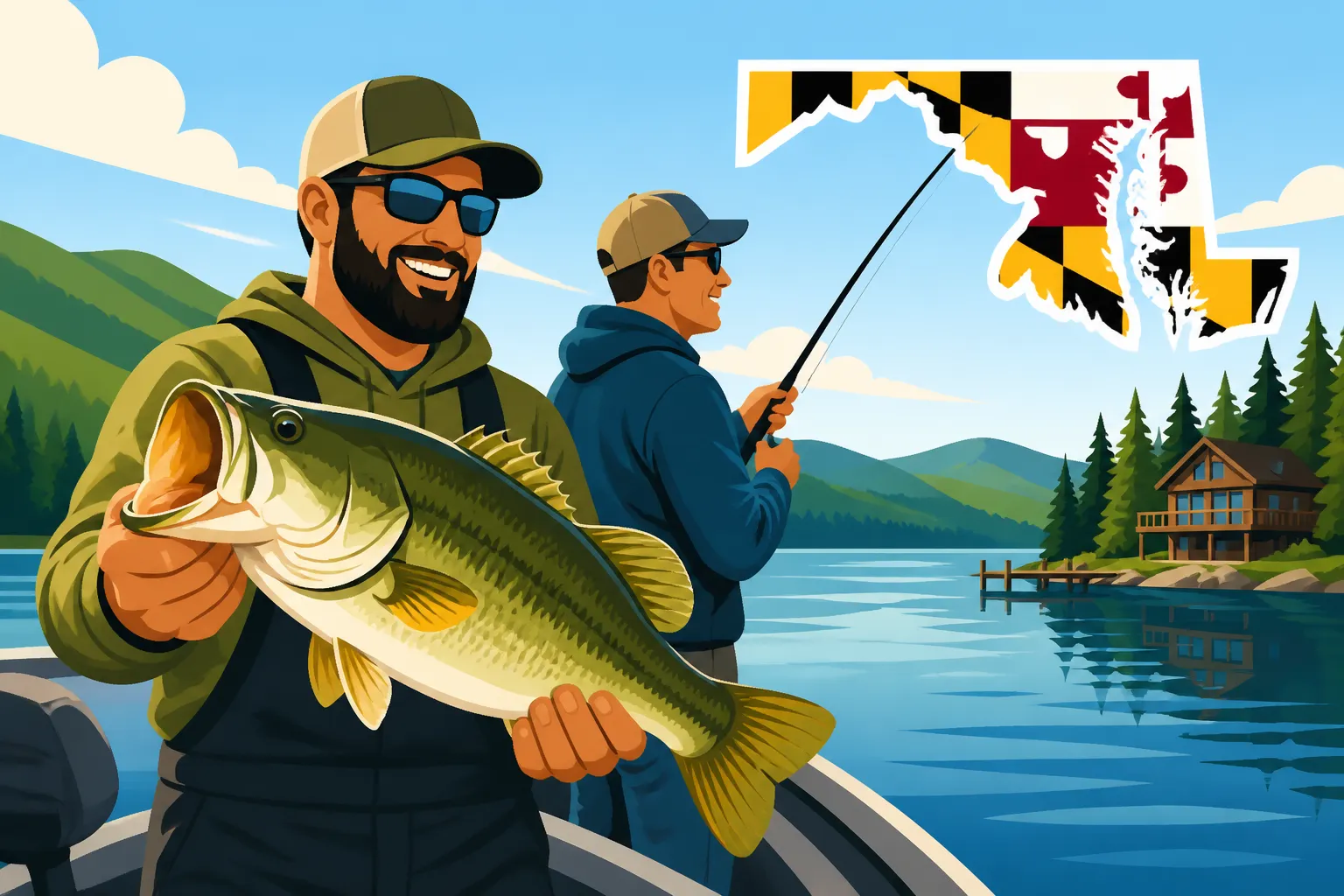
Deep Creek Lake is a prime destination for bass anglers, boasting healthy populations of both largemouth and smallmouth bass. Guides specializing in bass fishing know exactly where to find them and how to entice them.
Largemouth bass in Deep Creek tend to inhabit the shallower, weedier coves and areas with submerged timber or docks. They love cover and ambush points. Spring and early summer are fantastic times for largemouth, as they become more active in shallower waters, often biting on topwater lures, spinnerbaits, or soft plastics fished around structure. During the warmer summer months, they might move a bit deeper, relating to weed lines or cooler pockets, making techniques like Texas rigging or drop-shotting effective. A good guide will identify the specific cover and forage patterns for largemouth based on the time of year and recent conditions. They understand that What Water Temperature Do Bass Spawn at in Maryland? dictates where these fish will be and how aggressively they will feed.
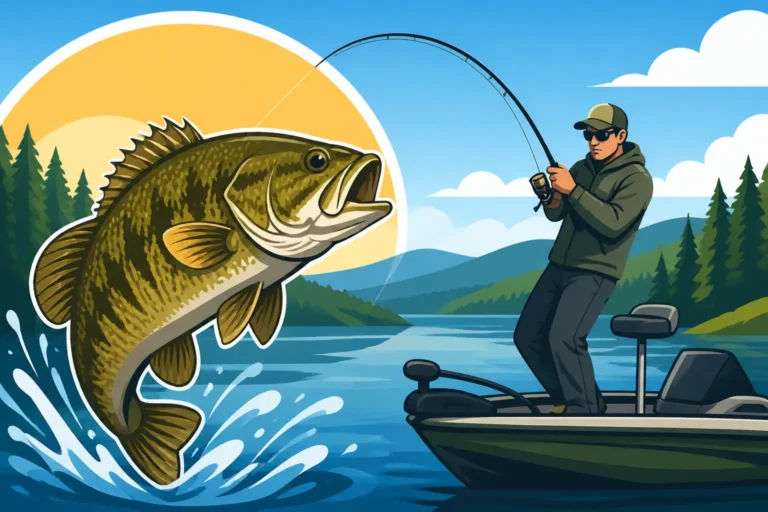
Smallmouth bass, often called "bronzebacks," thrive in Deep Creek's clear, rocky waters. They prefer deeper, cooler areas, especially around rock piles, points, humps, and submerged ledges. Spring and fall are prime seasons for smallmouth, when they are aggressively feeding. Guides will often target them with crankbaits, jigs, tubes, and Ned rigs, especially when fishing deeper structure. During the summer, smallmouth might go even deeper, requiring specialized electronics to locate schools and vertical presentations to catch them. Deep Creek Lake guides who focus on bass fishing will have their boats rigged with excellent fish finders and mapping systems to pinpoint these structure-oriented fish, ensuring you have the best chance at a trophy How Big Do Smallmouth Bass Get in the Susquehanna? (though Deep Creek is often a bit smaller but still respectable!).
Walleye Opportunities and Techniques
The walleye in Deep Creek Lake are highly sought after, known for their delicious fillets and challenging nature. These elusive fish provide a thrilling chase for any angler. Walleye are light-sensitive and often prefer deeper, cooler water, especially during bright daylight hours. This makes them a bit more challenging to locate and catch consistently compared to bass, but a skilled guide makes all the difference.
Guides targeting walleye on Deep Creek Lake will often focus on specific techniques like trolling crankbaits or spinner rigs along contour lines, submerged humps, and deep flats. They'll pay close attention to depth, boat speed, and lure color to crack the code. Another effective technique, particularly when walleye are suspended or schooled up on structure, is vertical jigging with spoons or blade baits. Night fishing can also be incredibly productive for walleye, as they move shallower to feed under the cover of darkness, though not all guides offer night trips.
The best times for walleye fishing generally include the spring, especially after ice-out, and the fall, when they feed heavily in preparation for winter. Summer walleye fishing requires more precision, often targeting them in thermocline layers during the day. Hiring a guide who specializes in Deep Creek Lake Guide Services for Walleye in Maryland is truly the key to success with these prized fish, as their knowledge of specific depths, forage patterns, and seasonal movements is invaluable. They'll have dedicated gear and electronics to effectively locate and present baits to these often-finicky biters, turning what can be a frustrating hunt into a rewarding experience.
Seasonal Trout and Pike Fishing
While bass and walleye often steal the show, Deep Creek Lake also offers exciting opportunities for trout and northern pike, especially during specific seasons.
Trout are stocked in Deep Creek Lake, and while they might not be native to its warmer waters, they provide a fun target, particularly in the cooler months. Rainbow trout and brown trout are commonly stocked. During spring and fall, when the lake's water temperatures are cooler, trout can be found throughout the lake, often near deeper channels or around coves. Trolling with small spoons or crankbaits, or even still-fishing with power bait or worms, can be effective. Guides who target trout will know the recent stocking locations and the best strategies to find these cooler-water inhabitants. Maryland Trout Season, Month by Month provides general state info, but a local Deep Creek guide will have the specific lake knowledge.
Northern pike, an aggressive predatory fish, are also present in Deep Creek Lake and offer a thrilling fight. Pike prefer areas with significant weed beds or submerged structures where they can ambush prey. Spring and fall are generally the best times to target pike, as they are more active in cooler water. Guides will use larger lures like spoons, inline spinners, or even large jerkbaits fished around weed lines and points. While not as abundant as bass, catching a large pike from Deep Creek can be a truly memorable experience. Their presence makes Northern Pike in Maryland's Western Waters an exciting addition to Deep Creek's fishery, and a guide can help you understand the nuances of targeting these toothy predators, ensuring you have the right gear to handle their sharp teeth and strong runs.
Troubleshooting and What to Do If Things Go Wrong
Even with the best planning, sometimes things don't go exactly as expected. Whether it's a sudden change in weather, an equipment malfunction, or a misunderstanding, knowing how to handle these situations can help minimize stress and ensure a better outcome for your Deep Creek Lake fishing trip. Open communication and a flexible attitude are your best allies here.
Weather Cancellations and Rescheduling
Weather is the single biggest wild card when planning any outdoor activity, and fishing is no exception. While a little rain usually won't deter a seasoned angler or a dedicated guide, severe weather like thunderstorms, high winds, or heavy fog can make a fishing trip unsafe or simply unpleasant.
Most reputable Deep Creek Lake guides have a clear weather cancellation policy, and it's almost always the guide's decision to call off a trip due to unsafe conditions. They are responsible for your safety and are the experts on navigating the lake in various conditions. If your guide cancels due to weather, you should expect to either receive a full refund of your deposit or be given the option to reschedule for a future date. It’s always a good idea to discuss this policy in detail when booking, as mentioned earlier.
What if you decide the weather isn't to your liking, but the guide says it's safe to go? This can be a tricky situation. If you cancel against the guide's recommendation, you might forfeit your deposit, as the guide has held that date for you. This is why having a clear understanding of the cancellation policy and setting realistic expectations about weather tolerance is crucial. Be prepared for less-than-perfect conditions; a little drizzle often means fewer recreational boaters and sometimes, better fishing! However, never compromise on safety. If you genuinely feel unsafe, discuss your concerns openly with your guide.
Unforeseen Issues on the Water
Even on the most meticulously planned trips, unexpected issues can arise once you're out on Deep Creek Lake. Equipment can break, the boat might have a minor mechanical hiccup, or someone in your party might feel unwell. A professional guide is prepared for these eventualities.
If a rod or reel breaks, a good guide will usually have spares on board. If there's a minor boat issue, they should have the tools and expertise to address it quickly or have a plan for getting back to shore safely. Their experience and preparedness are part of what you're paying for. If someone in your party feels seasick or has another medical issue, communicate it immediately. Guides are often trained in basic first aid and can take you back to shore if necessary.
The key here is communication. Don't suffer in silence or try to hide an issue. Let your guide know what's happening. They are there to ensure your safety and enjoyment, and they can't help if they don't know there's a problem. A calm, proactive approach will resolve most minor issues quickly and allow you to get back to fishing as soon as possible. Remember, they want your trip to be successful too, and they'll do their best to mitigate any problems that arise.
Addressing Concerns with Your Guide
While most guided trips are fantastic experiences, occasionally you might have a concern or feel that something isn't meeting your expectations. Whether it's a perceived lack of effort, a misunderstanding about the trip's focus, or even a personality clash, it's best to address these issues respectfully and directly.
If you have a minor concern during the trip, try to bring it up politely and constructively. For example, if you feel a technique isn't working, you could ask, "Is there another approach we could try, perhaps something different for these conditions?" rather than just complaining. A good guide will be receptive to feedback and willing to adapt. If the issue is more significant, like a safety concern or a major deviation from what was agreed upon, address it clearly and calmly.
If, after the trip, you still feel dissatisfied and were unable to resolve the issue on the water, you might consider reaching out to the guide privately via email to express your concerns. Give them an opportunity to respond. If you booked through a platform like FishingBooker, they often have a customer service process for mediating disputes. However, before escalating, reflect on your own expectations. Was the issue truly the guide's fault, or was it an unavoidable aspect of fishing? A fair and honest assessment is always appreciated. In most cases, open and respectful communication can resolve minor issues and ensure that your Deep Creek Lake fishing experience is as positive as possible, even when facing unexpected bumps in the road.
Disclaimer
This article is for general informational purposes only and does not constitute professional advice. Laws, prices and regulations vary by location and change over time. Consult a qualified professional for guidance on your specific situation.