What Water Temperature Do Bass Spawn at in Maryland?
One of the most common questions I get from fellow Maryland anglers, especially when spring rolls around, is "What water temperature do bass spawn at in Maryland?" It’s a great question, and frankly, it's the secret key to unlocking some of the most exciting fishing of the year. Understanding this critical factor can mean the difference between a frustrating day of casting to empty waters and a memorable outing filled with aggressive strikes. This guide will dive deep into the ideal water temperatures for bass spawning in Maryland, exploring the nuances that influence their behavior and how you can use this knowledge to your advantage, ethically and responsibly.
The Science Behind Bass Spawning and Water Temperature
Bass, like many other freshwater species, are incredibly sensitive to environmental cues, and water temperature is arguably the most dominant one when it comes to their reproductive cycle. It's not just a casual preference; it's a deep-seated biological imperative that drives them to begin one of the most important periods of their lives.
Why Water Temperature is the Ultimate Trigger
Think of water temperature as nature's alarm clock for bass. As the sun climbs higher in the spring sky and days grow longer, the water slowly begins to warm. This gradual increase in temperature sends a clear signal to the bass: it's time to reproduce. This isn't a flip-a-switch moment; rather, it’s a progression. The warmth triggers hormonal changes, dictates metabolic rates, and ultimately prepares both male and female bass for the rigors of spawning. If the water warms too quickly and then drops, it can actually delay or even disrupt the process, leaving anglers scratching their heads. The fish become hesitant, waiting for stable, favorable conditions before committing to the spawn.
Small changes, even a degree or two, can make a huge difference in whether bass are actively looking for beds, building them, or actually laying eggs. When that perfect window opens, bass instinct kicks in, overriding many other concerns, and their focus shifts almost entirely to perpetuating their species.
The Ideal Temperature Range for Bass Spawning
For the most part, when we talk about bass spawning in Maryland, we're primarily focused on Largemouth Bass, which are abundant in our lakes, ponds, and tidal rivers. These fish generally prefer a water temperature range of 60 to 70 degrees Fahrenheit for their spawning activities.
Here’s a breakdown of what typically happens within that range:
- Pre-Spawn (Mid-50s to Low 60s F): This is when bass start migrating from deeper wintering holes into shallower, sun-exposed coves and flats. They're feeding aggressively to build up energy for the spawn, but they haven't started building nests yet. They're just "staging," waiting for the mercury to rise a bit more.
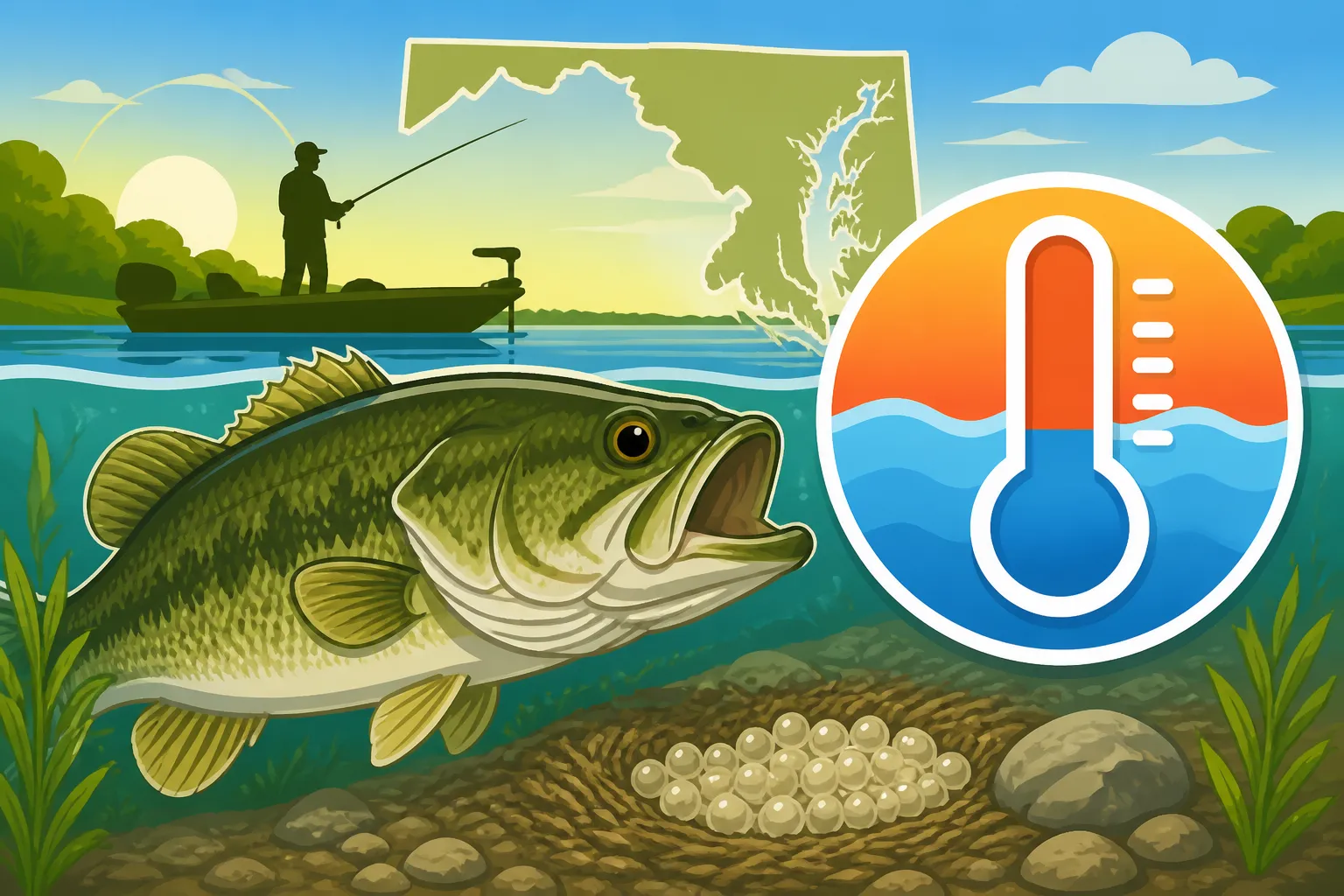
- Active Spawning (Mid-60s to Low 70s F): Once the water stabilizes in this sweet spot, male bass move onto the flats and begin constructing their circular nests. Females will then move in to deposit their eggs, and the males will fertilize them and guard the nests fiercely. This is the peak spawning period.
- Post-Spawn (Mid-70s F and Rising): After the eggs hatch and the fry disperse, the adult bass, particularly the females, will often retreat to slightly deeper water to recover from the exhaustive spawning process. They might be lethargic for a short period before resuming their feeding patterns.
It's important to note that these ranges are general guidelines. Individual fish, specific bodies of water, and even different strains of bass can have slight variations. Also, while Largemouth Bass are our primary focus, Maryland also has thriving Smallmouth Bass populations, particularly in rivers like the Potomac. Smallmouth Bass have a slightly lower preferred spawning temperature, often starting their spawn when water temperatures reach the 58 to 65 degree Fahrenheit range. This distinction is crucial if you're targeting smallmouth specifically. For more details on telling these two species apart, check out Smallmouth Bass vs Largemouth Bass in Maryland, How to Tell Them Apart.
How to Accurately Measure Water Temperature
You can’t just guess the water temperature; accurate measurement is critical. Relying on air temperature alone is a rookie mistake that can lead to many wasted fishing trips. The water warms and cools at a different rate than the air, especially in larger bodies of water.
There are several reliable ways to measure water temperature:
- Handheld Digital Thermometers: These are compact, easy to use, and provide quick, precise readings. Many anglers keep one clipped to their tackle box or vest. They're perfect for dipping directly into the water at various depths and locations. You can find excellent options on Amazon that are waterproof and easy to read.
- Infrared Thermometers: These non-contact devices are great for quickly scanning surface temperatures. While they won't give you sub-surface readings, they can be a good indicator of overall trends in specific areas like shallow coves.
- Fish Finders/Depth Sounders with Temperature Probes: Many modern fish finders, especially those integrated into boat electronics, come with built-in temperature sensors on the transducer. These give you real-time water temperature readings right on your display, often for the depth the transducer is at. This is incredibly useful for covering water and finding temperature breaks.
- Simple Analog Thermometers: While less precise, a basic analog thermometer on a weighted line can still get the job done, especially if you're just looking for a general range.
When measuring, remember to check multiple spots. Shallow, dark-bottomed coves exposed to direct sunlight will often warm up faster than deeper, shaded areas or the main lake channel. These warmer pockets are precisely where bass will stage and eventually spawn first.
Understanding Bass Spawning Behavior in Maryland
Maryland offers a diverse array of fishing environments, from the tidal rivers flowing into the Chesapeake Bay to western Maryland's mountain lakes. The timing and specifics of bass spawning can vary significantly depending on where you're dropping your line.
Maryland's Largemouth Bass Spawning Cycle
The largemouth bass spawning cycle in Maryland typically kicks off in late spring, generally from late April through June, though this can certainly fluctuate based on yearly weather patterns. In the southern parts of the state and the shallower, sun-drenched tidal rivers of the Eastern Shore, spawning might begin a week or two earlier than in the cooler, more northern reservoirs.
The cycle really has three distinct phases:
- Pre-Spawn: As discussed, this is the time of aggressive feeding. Bass are moving from deeper haunts towards shallower areas. They're often found around points, submerged cover, and creek mouths leading into protected coves. Females are loaded with eggs, and males are becoming increasingly territorial.
- Spawn: When that ideal 60-70°F range hits and stabilizes, the males will clear out circular beds, typically on hard bottom (sand, gravel, shells) in 1 to 8 feet of water. These beds are usually near some form of cover – a submerged log, a dock piling, or a clump of grass – that offers protection from predators. Females move onto these beds, deposit their eggs, and then typically leave the male to guard them.
- Post-Spawn: After the eggs hatch, the male bass will guard the fry for a short period before they, too, disperse. The adults often move to slightly deeper, cooler water, sometimes suspending over drop-offs or retreating to thick vegetation to recover. This phase can be tricky for anglers, as bass might be sluggish.
Understanding these stages is key to effective Largemouth Bass Fishing in Maryland. You wouldn't use the same tactics in pre-spawn as you would during the actual spawn.
Smallmouth Bass Spawning Habits in Maryland Rivers
While largemouth bass get a lot of attention, Maryland's smallmouth bass offer a thrilling experience, especially in the rocky, current-swept rivers of our western region. The Potomac River, for example, is renowned for its excellent smallmouth fishing. Smallmouth bass typically spawn a little earlier and in slightly cooler waters than their largemouth cousins.
Their preferred spawning temperature often falls between 58 and 65 degrees Fahrenheit. You'll find them building nests in similar circular depressions, but often on gravel or rocky bottoms in moving water, such as river eddies, slow pools, or behind larger boulders. They also seek areas with good current breaks where they can protect their nests without fighting a strong flow.
The timing aligns with the warmer spring days but can be prolonged if the river experiences heavy snowmelt or significant rain that brings down cold, turbid water. Patience is a virtue when targeting spawning smallmouth. To learn more about where to find these feisty fish, read Smallmouth Bass in Maryland's Rivers.
Nest Building and Protection
The male bass is the primary architect and protector of the nest. Once the water temperature is right, he'll sweep out a circular depression, usually 1 to 3 feet in diameter, meticulously fanning away silt and debris with his tail. This exposes the clean, hard bottom necessary for the eggs to adhere properly. These beds are often visible in clear, shallow water, looking like light-colored patches on the bottom.
Once the bed is ready, he'll entice a female to spawn, sometimes multiple females over several days. After the eggs are laid and fertilized, the female typically departs, leaving the male to guard the precious cargo. He'll tirelessly fan the eggs to keep them oxygenated and free of silt, aggressively chasing away any perceived threat – from smaller baitfish to curious turtles, and yes, even your lure. This protective instinct is why bass become so vulnerable and aggressive during the spawn, making them seemingly easy targets for anglers.
Many anglers practice catch and release, especially when targeting bedding bass, to ensure the next generation of fish. This time of year, it's crucial to be mindful of the impact of fishing on these vital reproductive efforts. It's often recommended to quickly release any bass caught directly from a bed to allow the male to return and continue his guardianship. For information on whether bass spawn in your local waters, consult Do Largemouth Bass Spawn in the Spring in Maryland?.
Factors Influencing Maryland Bass Spawning
While water temperature is the primary driver, it's not the only factor that influences when and how bass spawn. Maryland's dynamic weather and diverse aquatic environments add layers of complexity.
Impact of Weather and Fronts
Maryland weather can be notoriously fickle in the spring. We can have glorious 70-degree days followed by a sudden cold snap that sends temperatures plummeting. These fluctuations have a direct impact on bass spawning.
- Cold Fronts: A strong cold front can quickly drop water temperatures by several degrees, especially in shallower waters. This often puts the bass "off the beds" or delays their movement into spawning areas. They may retreat to slightly deeper water or become lethargic and less willing to bite. This can be incredibly frustrating when you were just seeing active fish.
- Warm Spells: Conversely, an extended period of warm, sunny weather will rapidly warm up the shallows and can kickstart the spawn, sometimes even earlier than expected. Bass become more active, moving onto beds with increased urgency.
- Cloudy vs. Sunny Days: Sunny days help warm the shallow water and often make bass more active, especially on their beds. Cloudy, overcast days might lead to more subtle activity or push fish slightly deeper within their spawning zones.
Understanding how these atmospheric changes influence water temperatures and, in turn, bass behavior is a critical skill for any angler. It's not just about the thermometer reading at one moment, but about the trend and stability of that reading. Dive deeper into this topic with How Weather Fronts Affect Maryland Bass Fishing.
Water Depth and Cover Preferences
The choice of spawning location isn't random; bass are quite particular. They seek out areas that offer stability, protection, and optimal conditions for their eggs.
- Shallow Coves and Flats: These areas receive the most direct sunlight, warming up first and providing the ideal temperature gradient. They are often protected from strong winds and currents, which could otherwise damage delicate eggs or dislodge the male from his duties.
- Hard Bottom: Bass prefer to build nests on firm substrates like sand, gravel, shell, or even clay. Soft, mucky bottoms don't allow the eggs to adhere properly and can suffocate them.
- Proximity to Cover: While the nest itself might be on a relatively open, clean spot, bass almost always choose locations near some form of cover. This could be a submerged log, a stump, a patch of lily pads, a boat dock, or even a rock pile. This cover provides refuge for the male, a quick escape route, and a ambush point to defend the nest from predators.
In a large body of water, identifying these specific types of areas is crucial. Look for the warmest, most protected shallow pockets with some form of hard bottom and nearby structure.
Regional Variations Across Maryland
Maryland's geography presents distinct differences in bass spawning timing and habits. What holds true for the tidal Potomac might be different for Deep Creek Lake in the mountains.
- Chesapeake Bay Tributaries: Rivers like the Potomac, Patuxent, Nanticoke, and Choptank often see bass spawning begin earlier, sometimes in late April to early May, due to their shallower, often darker, and faster-warming waters. The tidal influence can also play a role, as receding tides can expose beds to air if they're too shallow, making bass cautious. These rivers offer incredible opportunities for both largemouth and occasionally smallmouth bass.
- Central Maryland Reservoirs: Loch Raven, Liberty, and Prettyboy Reservoirs typically see their bass spawn kick off in mid-May to early June. These deeper, clearer impoundments warm more slowly than the tidal rivers. Bass will seek out the backs of coves, secondary points, and old roadbeds for spawning. If you're looking for big bass in these waters, check out Best Lakes in Maryland for Trophy Largemouth Bass.
- Western Maryland Lakes: Deep Creek Lake, nestled in the mountains, has the latest bass spawn in the state, often not fully underway until late May or early June, sometimes even pushing into July in cooler years. The higher elevation and deeper, colder waters mean a delayed warming period. Smallmouth bass are particularly prevalent here, utilizing rocky shores and submerged structures for their beds. For those interested in fishing Deep Creek Lake, consider Fishing Deep Creek Lake for Smallmouth Bass.
Understanding these regional differences helps you plan your trips effectively. A bass fishing trip to the Fishing the Potomac River in Maryland in early May might find bass actively spawning, while a trip to Fishing Loch Raven Reservoir at the same time might still be in the pre-spawn phase.
Fishing Strategies During the Spawn (Ethical Angling)
Fishing during the bass spawn can be incredibly productive, but it also comes with a responsibility to practice ethical angling and ensure the long-term health of our bass populations.
Pre-Spawn Tactics: The Feeding Frenzy
The pre-spawn period is arguably one of the best times to catch large bass in Maryland. Females are heavy with eggs, and both sexes are aggressively feeding to build energy for the strenuous spawning process. They are often concentrated in transition areas, making them easier to locate.
- Target Staging Areas: Look for bass staging on points, humps, channel swings, and creek mouths leading into known spawning coves. These are like waiting rooms before they move into the nursery.
- Power Fishing Baits: This is an excellent time for reaction baits. Crankbaits that mimic baitfish, lipless crankbaits, spinnerbaits, and bladed jigs are all excellent choices for covering water and triggering aggressive strikes from hungry bass. Swimbaits can also be very effective for mimicking larger forage.
- Slow Presentation for Bigger Fish: Don't neglect slower presentations, especially for trophy-sized fish. Jigs, Carolina rigs, and Texas-rigged plastics fished slowly along the bottom of transition areas can entice less aggressive but potentially larger bass. The color of your lures can make a difference, so experiment with natural baitfish patterns and brighter colors. While focused on rockfish, insights into lure color can be found in Best Lure Colors for Jigging Chesapeake Bay Rockfish.
This is the time when bass are at their heaviest and most robust, making it prime for catching a personal best before they expend their energy on the spawn.
Fishing During the Actual Spawn: To Target or Not to Target?
When bass are actively on their beds, guarding eggs or fry, they become highly vulnerable. Their protective instincts make them strike almost anything that comes near their nest, often out of aggression rather than hunger. This makes them relatively easy to catch.
However, many anglers choose to avoid directly targeting bedding bass. The concern is that removing the male bass from his nest, even for a short time, leaves the eggs or fry vulnerable to predators like bluegill, perch, turtles, and even other bass. This can significantly reduce the survival rate of the next generation.
If you do choose to fish during this phase, consider these points:
- Quick Release: Practice immediate catch and release. Have your camera ready, snap a quick photo if desired, and get the fish back into the water as quickly and gently as possible. Minimize its time out of the water.
- Target Males, Not Females: Often, the male bass is the one actively guarding the nest. Females will come and go. If you identify a female on a bed, consider moving on to avoid interrupting her critical role in egg deposition.
- Observation Over Catching: Some anglers enjoy simply observing bass on their beds. It's a fascinating look into their natural behavior and can be incredibly educational without the need to cast a line.
Many states have "closed seasons" or "no possession" rules during the spawn to protect bass, but in Maryland, it's often left to the angler's discretion and ethical judgment.
Post-Spawn Recovery and Beyond
After the spawn, bass enter a recovery phase. Females, especially, are exhausted and might need a week or two to regain their strength and resume aggressive feeding. They often move to nearby deeper cover or denser vegetation to rest and recuperate.
- Target Recuperating Fish: Look for bass relating to offshore cover, deep weed lines, or main lake points adjacent to spawning flats. They might not be as aggressive as in pre-spawn, but they'll still eat.
- Variety of Baits: A mix of slow-moving plastics like worms and jigs, along with some reaction baits like crankbaits or topwater lures, can be effective.
- Topwater Action: As waters continue to warm in late spring and early summer, the post-spawn period can transition into some fantastic topwater action, especially in the mornings and evenings. Fish that have recovered are looking for easy meals on the surface. For tips on this, look up Best Season for Topwater Bass Fishing in Maryland.
This table provides a quick overview of the key differences in spawning preferences for Maryland's most popular bass species:
| Feature | Largemouth Bass | Smallmouth Bass |
|---|---|---|
| Primary Spawning Temp | 60-70°F (15.5-21°C) | 58-65°F (14.5-18°C) |
| Typical Spawning Month | Late April – June | Early May – June (slightly earlier in rivers) |
| Preferred Habitat | Shallow, protected coves, flats, vegetation | Rocky rivers, deeper lakes, current breaks |
| Nest Bottom Type | Sand, gravel, clay, shell beds | Gravel, rock, hard bottom |
| Average Nest Depth | 1-8 feet | 3-15 feet (can be deeper in clear lakes) |
| Key Maryland Locations | Chesapeake Bay tributaries, reservoirs | Potomac River, Susquehanna River, Deep Creek Lake |
Understanding these temperature cues and the associated bass behavior will undoubtedly make you a more successful and responsible angler here in Maryland. Happy fishing!
Disclaimer
This article is for general informational purposes only and does not constitute professional advice. Laws, prices and regulations vary by location and change over time. Consult a qualified professional for guidance on your specific situation.